
In the journey of personal finance, few assets evoke as much passion and practical utility as a car. Yet, understanding its precise monetary worth can often feel like navigating a complex maze. Whether you’re contemplating a sale, considering a trade-in, assessing insurance coverage, or simply managing your personal balance sheet, knowing the “fair market value” (FMV) of your vehicle is not just beneficial—it’s essential. It empowers you to make informed decisions, negotiate confidently, and ensure you’re getting, or giving, a fair deal. This comprehensive guide delves into the intricate world of automotive valuation, providing you with the knowledge and tools to accurately determine your car’s true financial standing.
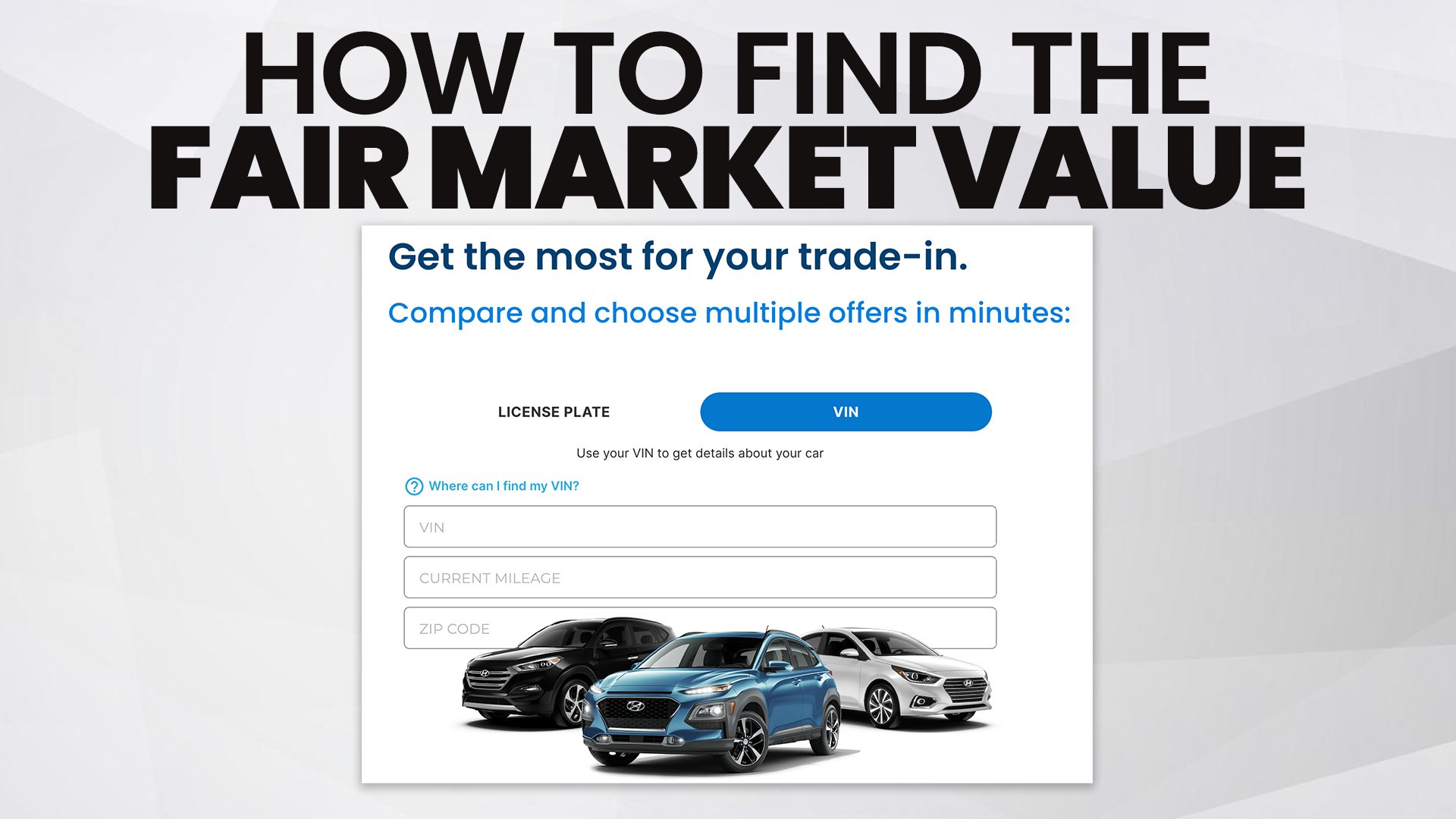
Understanding Fair Market Value: More Than Just a Price Tag
The term “fair market value” is a cornerstone of financial transactions, particularly when dealing with significant assets like vehicles. It’s a concept that transcends a simple sticker price, encapsulating a dynamic interplay of supply, demand, condition, and economic factors.
Defining Fair Market Value (FMV)
At its core, Fair Market Value is defined as the price an asset would sell for on the open market, assuming both the buyer and the seller are reasonably knowledgeable about the asset, are behaving in their own best interests, are free from undue pressure, and have a reasonable amount of time to complete the transaction. In simpler terms, it’s the most probable price a car would fetch between a willing buyer and a willing seller, neither being compelled to buy or sell.
It’s crucial to distinguish FMV from other pricing metrics you might encounter:
- Retail Value: This is the price a dealership typically charges for a vehicle on their lot, often including reconditioning costs, warranty, and profit margins. It’s usually higher than FMV.
- Trade-in Value: This is what a dealership offers you for your car when you’re purchasing another vehicle from them. It’s generally lower than FMV because the dealership needs room to recondition and resell your car at a profit.
- Private Party Value: This is often the closest to FMV, representing the price a private individual might pay another private individual. It typically falls between trade-in and retail values.
FMV seeks to establish a neutral ground, a realistic reflection of the car’s worth in the current market environment, without the added markups or discounts inherent in specific sales channels.
Why FMV Matters to Your Personal Finance
The significance of accurately knowing your car’s FMV extends far beyond just selling or buying. It has profound implications for various aspects of your personal financial health:
- Asset Valuation: Your car is often one of your most valuable assets after your home. Knowing its FMV allows you to accurately assess your net worth, crucial for financial planning, loan applications, and wealth management.
- Depreciation Tracking: Cars are depreciating assets. Understanding its current FMV helps you track how much value your vehicle has lost over time, informing future purchase decisions and allowing you to anticipate future depreciation.
- Insurance Claims: In the unfortunate event of a total loss (e.g., severe accident or theft), your insurance company will typically reimburse you based on the car’s FMV just before the incident. An accurate understanding of this value ensures you’re adequately compensated and helps you challenge unfair appraisals.
- Refinancing Opportunities: If you’re looking to refinance an existing auto loan, lenders will often base their loan-to-value assessment on the car’s current FMV. A higher FMV can lead to better loan terms.
- Tax Implications: In certain scenarios, such as donating a car to charity, the tax deduction you can claim is often based on the vehicle’s FMV. Misrepresenting this value can lead to issues with the IRS.
- Budgeting for a New Car: When planning to upgrade, knowing your current car’s FMV helps you realistically budget for the down payment or trade-in credit you can expect, impacting the financing needs for your next purchase.
In essence, FMV is a critical data point that empowers you to make smarter financial decisions regarding one of your most substantial and frequently used assets.
Key Factors Influencing Your Car’s FMV
Determining your car’s FMV is not a static calculation; it’s a dynamic assessment influenced by a multitude of variables. Each factor contributes to a nuanced picture of your vehicle’s market appeal and intrinsic worth.
Age and Mileage: The Primary Determinants
These two factors often reign supreme in valuation.
- Age: Generally, the older a car gets, the more it depreciates. The steepest depreciation typically occurs in the first 1-3 years of ownership. Newer models often incorporate advanced features, safety technologies, and better fuel efficiency, making them more desirable.
- Mileage: Mileage is widely seen as a proxy for wear and tear. Higher mileage indicates more use, meaning components like the engine, transmission, and suspension have endured greater stress. While there’s no hard-and-fast rule, an average of 12,000-15,000 miles per year is often considered standard. Cars with significantly lower or higher mileage than average for their age will see their FMV adjusted accordingly.
Condition and Maintenance History
Beyond age and mileage, the physical and mechanical state of your car plays a crucial role.
- Interior Condition: Pristine upholstery, an absence of foul odors, and fully functional electronics (radio, climate control, power windows) significantly boost value. Stains, tears, excessive wear, or malfunctioning components will detract.
- Exterior Condition: A flawless paint job, minimal dents or scratches, and undamaged wheels enhance appeal. Rust, significant body damage, or mismatched paint jobs will lower the FMV.
- Mechanical Health: This is paramount. A car with a clean bill of health, no warning lights on the dashboard, and smooth operation is worth more. Any known mechanical issues, even minor ones, will necessitate costly repairs for the next owner and will reduce value.
- Maintenance Records: A complete and verifiable service history demonstrates that the car has been well-cared for. Receipts for oil changes, tire rotations, major services, and repairs add credibility and confidence for potential buyers, often justifying a higher price.
Make, Model, and Trim Level
The inherent characteristics of the vehicle itself are fundamental to its valuation.
- Brand Reputation: Some brands hold their value better than others due to perceived reliability, luxury, or desirability (e.g., Honda, Toyota, Subaru often have strong resale values).
- Model Popularity: Certain models are simply in higher demand due to their reputation, features, or styling. A popular model will generally command a higher FMV.
- Trim Level: Vehicles often come in various trim levels, offering different features, engine options, and interior finishes. A higher trim level with desirable features (e.g., leather seats, premium sound system, sunroof, navigation) will typically have a higher FMV than a base model of the same car.
Optional Features and Aftermarket Additions
What extras does your car boast?
- Factory Options: Features like advanced safety packages, panoramic sunroofs, all-wheel drive, premium audio systems, or specific paint colors can significantly enhance FMV if they are desirable to the market.
- Aftermarket Modifications: This can be a double-edged sword. Well-chosen, professionally installed upgrades that genuinely enhance the car’s utility or appeal (e.g., quality tow hitch, upgraded stereo in some niches) might add value. However, highly personalized or performance-oriented modifications (e.g., oversized spoilers, custom engine tunes, loud exhausts) often appeal to a very specific niche and can actually decrease FMV for the general market, as most buyers prefer stock vehicles.
Geographical Location and Market Demand
The local market conditions can play a surprisingly significant role.
- Regional Demand: A 4×4 SUV might command a premium in a snowy region, while a convertible might fetch more in a sunny climate. Pickup trucks are often more valuable in rural or construction-heavy areas.
- Seasonality: Convertibles might sell better in spring/summer, while SUVs with AWD might see a spike in demand before winter.
- Fuel Prices: High fuel prices can depress the value of large, less fuel-efficient vehicles, while boosting the demand (and FMV) for hybrids or small economy cars.
- Local Inventory: If there’s an oversupply of a particular make and model in your area, its FMV might be slightly lower due to increased competition among sellers.
By carefully considering each of these factors, you can begin to build a realistic picture of your car’s true financial standing in the current market.
Practical Tools and Methods for Valuation
While understanding the influencing factors is crucial, translating that knowledge into a concrete FMV requires leveraging established tools and methodologies. Fortunately, various resources are available to help you accurately appraise your vehicle.
Online Valuation Tools: Leveraging Digital Resources
The digital age has revolutionized car valuation, putting powerful algorithms and extensive databases at your fingertips. These tools are often the first stop for anyone looking to determine their car’s worth.
- Kelley Blue Book (KBB.com): Perhaps the most widely recognized name, KBB provides various valuations, including trade-in, private party, and retail values. You input your car’s year, make, model, trim, mileage, condition, and ZIP code. KBB’s strength lies in its extensive data on actual sales and market trends.
- Edmunds (Edmunds.com): Edmunds offers a “True Market Value” (TMV) tool, which aims to show what consumers are actually paying for new and used cars in your area. Like KBB, it requires detailed vehicle information and condition assessment. Edmunds is known for its detailed pricing analysis and consumer guides.
- NADAguides (NADAguides.com): The National Automobile Dealers Association (NADA) publishes guides primarily used by dealerships and financial institutions. Their values tend to be a bit higher than KBB or Edmunds for “clean retail,” but they also offer trade-in and private party figures. It’s an excellent resource for a slightly more optimistic (or institutional) perspective.
- CarGurus (CarGurus.com): CarGurus uses a proprietary algorithm to analyze millions of current and past listings to determine a “Fair Deal” price range. It rates deals as great, good, fair, or overpriced, giving a real-time snapshot of the market.
- AutoTrader (AutoTrader.com): While primarily a listing site, AutoTrader also offers a valuation tool that considers current listings and past sales data to provide an estimated market value.
How to Use Them Effectively:
- Be Honest About Condition: Overestimating your car’s condition will lead to an inflated and unrealistic valuation. Be critical of dents, scratches, interior wear, and mechanical issues. Most tools provide detailed rubrics (e.g., excellent, good, fair, poor).
- Provide Accurate Details: Ensure you select the correct make, model, year, and crucially, the exact trim level and all factory-installed options. Small differences can significantly impact value.
- Use Multiple Sources: Don’t rely on just one tool. Each has a slightly different methodology and data pool. Comparing valuations from 2-3 different sources will give you a more balanced and accurate range for your FMV.
- Consider Your Location: Most tools require your ZIP code because car values can vary significantly by region.
Consulting with Professionals: Dealerships and Independent Appraisers
While online tools provide a solid starting point, human expertise can offer a more nuanced assessment.
- Dealership Appraisals: Most dealerships will offer a free appraisal of your vehicle, especially if you’re considering a trade-in or selling your car to them outright.
- Pros: It’s quick, free, and provides a real-world offer. They often inspect the car thoroughly.
- Cons: The offer will typically be a trade-in value, which is usually lower than the private party FMV. Their primary goal is to buy low and sell high, so don’t expect the absolute top dollar. Use these offers as a baseline for your lowest acceptable price.
- Independent Appraisers: For highly specialized, classic, or heavily customized vehicles, or in situations requiring an undisputed valuation (e.g., legal disputes, high-value insurance claims), an independent professional appraiser is the gold standard.
- Pros: They provide an unbiased, expert valuation based on extensive market knowledge, vehicle inspection, and sometimes even forensic analysis. Their reports are often legally binding and widely accepted.
- Cons: It’s a paid service, and fees can range from a few hundred to over a thousand dollars depending on the complexity and type of vehicle. It’s generally overkill for a standard daily driver.
Market Research: Analyzing Comparable Sales
The most direct way to gauge your car’s FMV is to see what similar vehicles are actually selling for right now.
- Online Marketplaces: Browse classifieds on sites like AutoTrader, CarGurus, eBay Motors, and even local Facebook Marketplace groups. Search for cars identical to yours in make, model, year, trim, and approximate mileage.
- Filter and Compare: Filter your search results by distance from your location, price range, and key features. Pay close attention to cars that have recently sold (if the platform provides this data) rather than just active listings, as asking prices can differ from selling prices.
- Look for Trends: Note the range of prices for comparable cars in similar condition. If many cars like yours are listed at a certain price point, but none are selling, that price might be too high. If they’re disappearing quickly, the price might be fair or even a bit low.
- Factor in Condition: Be realistic. If your car has a dent and a similar one on the market is pristine, expect your value to be lower. Adjust your expectations based on the condition disparities.
By combining the analytical power of online tools, the practical insights from dealerships, and the real-time data from market research, you can develop a robust and accurate estimate of your car’s fair market value.
Maximizing Your Car’s Fair Market Value Before Selling
Knowing your car’s FMV is one thing; achieving it, or even surpassing it, is another. Before you put your vehicle on the market, strategic preparation can significantly enhance its appeal and justify a higher price point. This isn’t about hiding flaws, but about presenting your asset in its best possible light.
Strategic Maintenance and Repairs
Not all repairs are created equal when it comes to return on investment. Focus on high-impact areas.
- Address Safety and Functionality First: Any issue that affects the car’s ability to run safely and reliably should be fixed. This includes brake problems, worn tires, check engine lights, and faulty lights. These are non-negotiable for most buyers and will drastically reduce offers if neglected.
- Fix Minor Cosmetic Blemishes: Small dents, scratches, or faded headlights can be relatively inexpensive to fix but have a huge impact on perceived value. Consider paintless dent repair for minor dings or headlight restoration kits.
- Perform Routine Maintenance: Ensure all fluids are topped off, and recent oil changes are performed. A fresh oil change indicates good care and reassures buyers.
- Avoid Over-Investing: Don’t undertake major engine overhauls or costly bodywork unless the car is a high-value classic or the repair cost is a small fraction of the value it adds. For example, spending $3,000 on a new transmission for a $5,000 car likely won’t yield a $3,000 increase in its selling price. Focus on fixes that offer the best return on investment.
Detailing and Presentation: First Impressions Count
A clean car tells potential buyers that it has been well-cared for, even if that’s not entirely true.
- Deep Clean the Interior: Remove all personal items. Vacuum carpets, wipe down all surfaces, clean windows, and treat any stains on upholstery. A professional interior detail can work wonders. Pay attention to often-overlooked areas like air vents, door jambs, and the trunk.
- Wash and Wax the Exterior: A thorough wash, polish, and wax will make the paint shine and minimize minor imperfections. Clean the wheels and tires, ensuring they are free of brake dust and grime.
- Engine Bay Cleaning: A clean engine bay signals meticulous maintenance. While not always necessary, a quick wipe-down can leave a strong positive impression.
- Replace Worn Floor Mats: Old, dirty floor mats can make the whole interior look neglected. Relatively inexpensive new ones can elevate the cabin’s appearance.
Gathering Essential Documentation
Having a comprehensive record of your car’s history instills confidence in potential buyers.
- Service Records: Compile all receipts and records of maintenance and repairs in chronological order. This proves consistent care and can alleviate buyer concerns about mechanical unknowns.
- Title/Pink Slip: Ensure you have the clean title in hand, ready for transfer. Any liens must be cleared before the sale.
- Accident Reports (if applicable): If your car has been in an accident, having the documentation ready can help you transparently address questions and potentially mitigate concerns if the repairs were properly done.
- Vehicle History Report (e.g., CarFax, AutoCheck): Consider running one yourself. This allows you to identify and proactively address any discrepancies or issues that a buyer might discover. It also demonstrates transparency, which builds trust.
Timing Your Sale: Capitalizing on Market Trends
When you sell can sometimes be as important as how you sell.
- Seasonality: Convertibles and sports cars often sell better in spring and summer. SUVs and vehicles with all-wheel drive might see increased demand in fall and winter.
- New Model Releases: Selling your current model before the next year’s model is released can help you avoid a sudden dip in value. The “new car smell” of the latest version can make your current vehicle feel instantly older and less desirable.
- Economic Conditions: General economic health, interest rates, and fuel prices can all influence the used car market. While these are largely out of your control, being aware of them can help you manage expectations.
By dedicating time and effort to these preparatory steps, you’re not just polishing your car; you’re building a compelling case for its value, making it more attractive to potential buyers and increasing your chances of securing an offer at or above its fair market value.
Navigating the Sale: Getting the Best Price
Once your car is prepped and you have a solid understanding of its FMV, the final step is to execute the sale effectively. This involves choosing the right sales channel and employing smart negotiation tactics.
Selling Privately vs. Trading In: A Financial Comparison
This is often the first major decision sellers face, and it directly impacts the final financial outcome.
- Selling Privately:
- Pros: Generally yields the highest financial return. You cut out the middleman (dealership) and capture more of the FMV. You have more control over the selling price and negotiation.
- Cons: Requires significant time and effort. You’re responsible for advertising, fielding inquiries, showing the car, arranging test drives, handling paperwork, and dealing with potential scams or lowball offers. It can take weeks or even months to find the right buyer.
- Best For: Individuals prioritizing maximum profit and willing to invest the time and effort.
- Trading In:
- Pros: Convenient and hassle-free. The dealership handles all paperwork, and you avoid the process of selling privately. It can also reduce the sales tax on your new car in many states, as you only pay tax on the difference between the new car’s price and your trade-in value.
- Cons: You will almost always receive less money for your car compared to a private sale. Dealerships need to buy your car below market value to recondition it and sell it at a profit.
- Best For: Individuals prioritizing convenience, speed, and avoiding the complexities of a private sale, or those who can benefit significantly from sales tax savings on a new purchase.
Financial Tip: Always get a trade-in offer before you discuss the price of the new car you’re buying. This allows you to evaluate the trade-in offer independently without it being used as a negotiation chip on the new car’s price. Then, compare this offer to your estimated private party FMV to decide if the convenience is worth the financial difference.
Negotiation Strategies for Success
Whether selling privately or to a dealership, effective negotiation is key to securing the best price.
- Know Your Numbers: Go into negotiations armed with your research: your car’s FMV range (private party, trade-in, retail), what comparable cars are selling for, and your absolute minimum acceptable price (your “walk-away” price).
- Set a Realistic Asking Price: For private sales, price your car slightly above your target FMV. This leaves room for negotiation without scaring off potential buyers. For example, if your target is $10,000, consider listing it at $10,500 or $10,900.
- Highlight Value, Not Just Features: Don’t just list features; explain how they benefit the buyer. “It has new tires” is good; “It has brand new all-season tires, saving you $800 and ensuring safety for years” is better. Emphasize maintenance records, recent repairs, and cleanliness.
- Be Confident, Yet Flexible: Stand firm on your car’s value, but be prepared to make concessions on minor issues. If a buyer points out a small scratch, you might offer a slight discount rather than losing the sale over something minor.
- Don’t Rush: Avoid appearing desperate to sell. If a buyer senses urgency, they will often push for a lower price. Take your time to find the right buyer.
- Focus on the Buyer’s Needs: Understand what the buyer is looking for and tailor your pitch. If they need a reliable commuter, emphasize fuel efficiency and maintenance history.
- Negotiate in Person: While initial inquiries might be online or over the phone, face-to-face negotiations (in a safe, public place) are often more effective.
- Be Prepared to Walk Away: If an offer is too low or a buyer is unreasonable, be ready to end the negotiation. There will always be other buyers.
Avoiding Common Pitfalls
Navigating the sales process requires vigilance to protect your financial interests and personal safety.
- Lowball Offers: Expect them, especially in private sales. Politely decline and reiterate your asking price or justify your value.
- Scams: Be wary of buyers who want to pay with cashier’s checks for more than the asking price, or who insist on using unusual payment methods or shipping services. Always verify funds before releasing the car or title. Meet in public places. Never give out personal financial information.
- Incomplete Paperwork: Ensure all transfer documents (title, bill of sale) are correctly filled out, signed, and dated. Understand your state’s requirements for releasing liability after a sale.
- Test Drive Safety: Always accompany potential buyers on test drives. Copy their driver’s license beforehand.
- Ignoring a Pre-Purchase Inspection (PPI): Encourage serious buyers to get a pre-purchase inspection from an independent mechanic. This builds trust and can prevent disputes after the sale. If an issue is found, it gives you a chance to address it or adjust the price transparently.

Conclusion
Knowing “what’s the fair market value of my car” is more than a trivial curiosity; it’s a fundamental aspect of savvy personal finance. From accurately assessing your net worth and making informed purchasing decisions to securing fair insurance payouts and confidently navigating sales negotiations, understanding your vehicle’s true worth empowers you at every turn.
By diligently considering the key factors influencing value—age, mileage, condition, market demand—and leveraging the array of online tools, professional appraisals, and real-world market research, you can pinpoint a realistic FMV for your car. Furthermore, strategic preparation, from meticulous cleaning to comprehensive documentation, coupled with informed negotiation tactics, can ensure you maximize your financial return when it’s time to sell.
Your car is a significant asset, and like any other investment, its value should be understood and managed with diligence. Armed with this knowledge, you are well-equipped to unlock your car’s true financial potential, making every automotive transaction a confident and financially sound endeavor.
aViewFromTheCave is a participant in the Amazon Services LLC Associates Program, an affiliate advertising program designed to provide a means for sites to earn advertising fees by advertising and linking to Amazon.com. Amazon, the Amazon logo, AmazonSupply, and the AmazonSupply logo are trademarks of Amazon.com, Inc. or its affiliates. As an Amazon Associate we earn affiliate commissions from qualifying purchases.