
The landscape of metabolic health, particularly in the treatment of obesity and related conditions, has undergone a significant transformation with the introduction of highly effective medications like Wegovy and Zepbound. These groundbreaking therapies, while offering immense promise for improving health outcomes and quality of life, also present substantial financial considerations for patients, healthcare providers, insurers, and even employers. Understanding the nuances between Wegovy and Zepbound extends beyond their pharmacological profiles; a comprehensive comparison must critically examine their economic impact, cost structures, and the pathways to financial accessibility. This article will delve into the financial differences and implications of these two prominent treatments, providing an insightful guide for navigating the monetary aspects of modern metabolic care.
Understanding the Core Financial Value and Initial Cost Landscape
At their heart, both Wegovy (semaglutide) and Zepbound (tirzepatide) are designed to address complex metabolic challenges, primarily chronic weight management. Their efficacy in achieving significant weight loss has positioned them as powerful tools, but this efficacy comes with a price tag that necessitates careful financial planning. The ‘value’ of these medications is not just in their biological action but in their potential to mitigate future health costs associated with obesity-related comorbidities, yet the immediate financial burden remains a primary concern for many.
Primary Indications and Treatment Goals as Financial Precursors
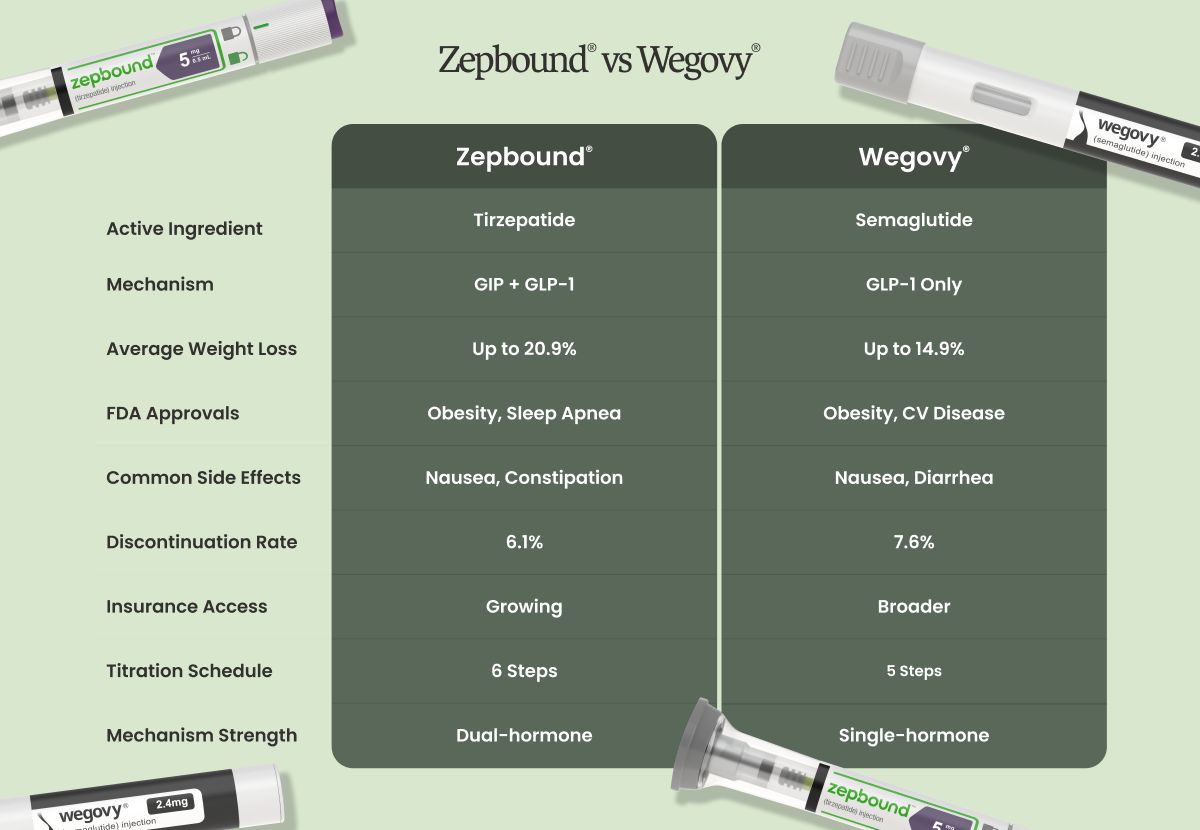
While both medications are FDA-approved for chronic weight management in adults with obesity or overweight with at least one weight-related comorbidity, their precise indications can subtly influence financial discussions. Wegovy, a GLP-1 receptor agonist, was an early entrant into this specific indication, establishing a benchmark. Zepbound, a dual GLP-1 and GIP receptor agonist, entered the market more recently for the same indication, often showing superior efficacy in clinical trials. These performance differences, while medical, feed into the perceived value proposition which can subtly influence insurer willingness to cover or manufacturer pricing strategies. From a financial perspective, the clearer and broader the indication, and the more compelling the clinical data, the stronger the argument for its inclusion on formularies, potentially easing patient financial responsibility. However, the perceived “premium” for potentially higher efficacy can sometimes be reflected in initial list prices.
Sticker Price and Initial Out-of-Pocket Expenses
The most immediate financial distinction for patients often lies in the medications’ list prices. Without insurance coverage or assistance programs, these figures can be daunting. Both Wegovy and Zepbound currently command list prices that typically exceed $1,000 per month. It’s crucial to understand that the “list price” is rarely what an individual patient pays directly, but it forms the foundation for all subsequent financial negotiations.
- Wegovy: Typically has a monthly list price ranging from approximately $1,300 to $1,600, varying slightly by pharmacy and region. This figure is critical for patients with high-deductible health plans or those paying cash.
- Zepbound: As a newer entrant with potentially higher efficacy data, its list price is often positioned competitively, sometimes marginally higher or similar to Wegovy, generally in the $1,000 to $1,500 range per month.
The initial out-of-pocket expense for a patient is determined by this list price, their insurance deductible, co-payment structure, and whether their plan covers the medication at all. For many, meeting a high deductible or navigating a restrictive formulary can mean facing the full list price for several months, making a stark financial impact at the outset of treatment.
Navigating Insurance Coverage and Patient Support Programs
The gap between the list price and what a patient actually pays is bridged, or complicated, by insurance coverage and manufacturer support programs. This is where the true financial labyrinth begins, and where significant differences in accessibility and affordability can emerge between Wegovy and Zepbound.
The Role of Insurance Formularies and Prior Authorization
Insurance coverage is the single largest determinant of patient out-of-pocket costs. Health plans maintain formularies – lists of prescription drugs they cover. For medications like Wegovy and Zepbound, which are often considered “lifestyle drugs” despite their profound health benefits, coverage is frequently contingent on strict criteria.
- Formulary Inclusion: Both drugs may be tier 2, 3, or even 4 drugs on formularies, meaning higher co-pays or coinsurance. Some plans may exclude them entirely, especially if they do not cover weight management medications.
- Prior Authorization (PA): Almost universally, coverage for Wegovy and Zepbound requires prior authorization. This involves the prescribing physician submitting documentation to the insurer demonstrating medical necessity based on specific diagnostic criteria (e.g., BMI thresholds, presence of comorbidities, history of failed weight loss attempts). The specific PA criteria can vary significantly between insurers and may differ for Wegovy versus Zepbound, potentially making one easier or harder to get approved based on individual patient profiles.
- Step Therapy: Insurers may mandate “step therapy,” requiring patients to first try and fail on less expensive, older weight loss medications before approving coverage for Wegovy or Zepbound. This can add delays and financial burden in the interim.
- Employer Mandates: An increasing number of employers are recognizing the long-term health benefits of these drugs and are adding specific coverage for them to their health plans. The financial implications for businesses are substantial, impacting their benefits budgets, but potentially leading to reduced long-term healthcare costs and increased productivity.
The disparity in coverage often depends on the specific plan and its policies, which can shift year to year. Keeping track of these changes is a significant financial burden for patients and providers alike.
Manufacturer Savings Programs and Assistance
Recognizing the high cost barriers, both Novo Nordisk (Wegovy) and Eli Lilly (Zepbound) offer patient savings programs designed to reduce out-of-pocket expenses for eligible commercially insured patients. These programs are critical financial lifelines for many.
- Wegovy Savings Card: Often reduces monthly co-pays to a much lower amount (e.g., $25) for a certain number of fills or duration, subject to annual maximums. Eligibility typically requires commercial insurance coverage that does not cover the full cost of the drug.
- Zepbound Savings Card: Eli Lilly offers similar programs, often aiming for a comparable co-pay reduction. As a newer drug, Zepbound’s program might be structured slightly differently to attract patients and providers during its market introduction.
It’s vital for patients to understand the terms and conditions of these cards, including expiration dates, maximum benefits, and whether they can be combined with other discounts. These programs are generally not available to patients covered by government insurance programs like Medicare or Medicaid, creating a significant disparity in financial access for these populations.
Health Savings Accounts (HSAs) and Flexible Spending Accounts (FSAs)
For those with high-deductible health plans, Health Savings Accounts (HSAs) offer a tax-advantaged way to save and pay for qualified medical expenses, including prescription medications. Similarly, Flexible Spending Accounts (FSAs) allow employees to set aside pre-tax money for healthcare costs. Both provide a crucial financial advantage by allowing patients to use pre-tax dollars for Wegovy or Zepbound, effectively reducing the net cost of the medication by their marginal tax rate. Maximizing contributions to these accounts, if eligible, is a sound financial strategy for managing the expenses associated with these treatments.
Long-Term Financial Implications and Cost-Effectiveness
Considering the chronic nature of obesity, treatment with Wegovy or Zepbound is often a long-term, if not lifelong, commitment. This shifts the financial focus from immediate monthly costs to sustained, multi-year budgetary considerations and broader economic impacts.
Sustained Treatment Costs: A Multi-Year Outlook

Patients and financial planners must project the cumulative cost of these medications over several years. Assuming an average co-pay of $50-100 per month (with a savings card) or several hundred dollars (without one but with insurance) or even the full list price, the annual cost quickly climbs into thousands or tens of thousands of dollars.
- Annual Renewals: Manufacturer savings cards typically need to be renewed annually, and eligibility criteria can change.
- Insurance Plan Changes: Patients may switch jobs or insurance plans, leading to changes in coverage and potential new prior authorization requirements.
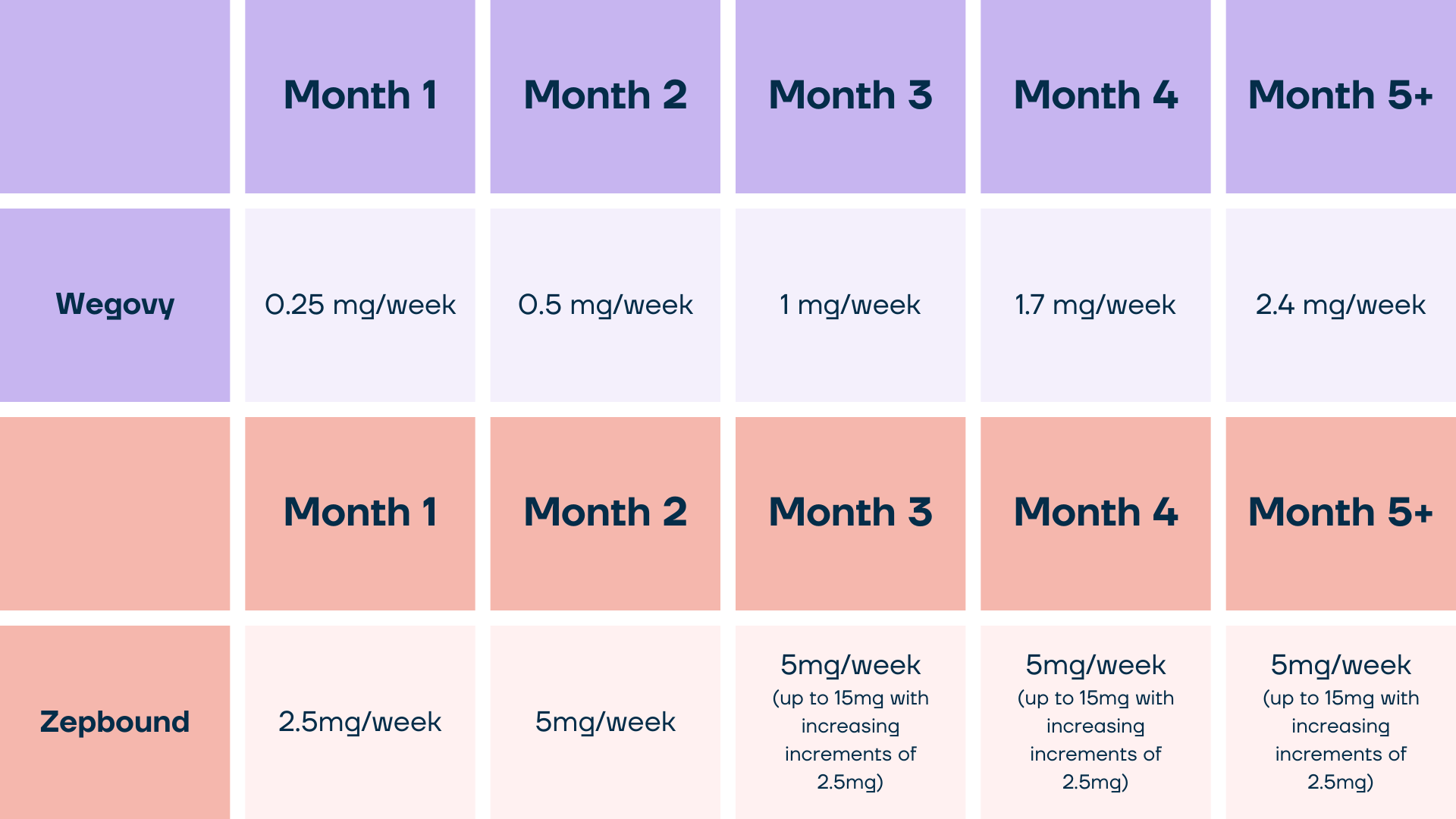
- Dosage Escalation: Treatment often begins at a lower dose and escalates, but this typically does not impact the monthly cost of the pre-filled pen.
The long-term financial commitment means that budgeting for these drugs becomes an integral part of personal finance, akin to a recurring subscription service for health.
Indirect Costs and Benefits: Beyond the Prescription Bottle
The financial narrative of Wegovy and Zepbound extends beyond the direct cost of the drug itself. There are significant indirect costs and, more importantly, substantial indirect benefits that can yield a positive return on investment (ROI).
- Reduced Healthcare Utilization: Effective weight management can lead to improvements or remission of obesity-related conditions such as type 2 diabetes, hypertension, dyslipidemia, sleep apnea, and osteoarthritis. This can result in reduced spending on other medications, fewer doctor visits, hospitalizations, and surgical procedures (e.g., knee replacements, bariatric surgery).
- Productivity Gains: For employers and individuals, improved health can translate to fewer sick days, increased energy, and greater overall productivity, contributing to higher earning potential and reduced economic burden.
- Quality of Life: While harder to quantify financially, the improvement in quality of life—enhanced mobility, reduced pain, better mental health—has an immense intrinsic value that can indirectly reduce costs associated with psychological support or care for chronic conditions.
These indirect financial benefits are a crucial part of the cost-effectiveness argument, particularly for insurance companies and employers deciding on coverage policies. The initial investment in these medications could potentially avert much larger future healthcare expenditures.
Return on Investment (ROI) for Health Plans and Individuals
For health plans and self-insured employers, the ROI for covering Wegovy and Zepbound is a complex calculation. It involves balancing the high upfront pharmaceutical cost against potential long-term savings from preventing or mitigating comorbidities. Early economic modeling suggests that for certain high-risk populations, the long-term health savings derived from significant weight loss could indeed offset the cost of the medication. For individuals, the ROI is also multifaceted: direct savings on other medications and treatments, combined with the priceless return of improved health and vitality. Financial advisors increasingly recognize the need to consider healthcare investments as a core component of holistic financial planning.
Financial Planning Strategies for Treatment
Given the significant financial outlay associated with Wegovy and Zepbound, proactive and informed financial planning is not merely advisable but essential for sustainable treatment.
Budgeting for Medication Expenses
Integrating medication costs into a personal or family budget is paramount. This involves:
- Forecasting Annual Costs: Accounting for deductibles, co-pays, and potential loss of savings card benefits.
- Emergency Fund Allocation: Building a specific fund for healthcare expenses, especially if insurance coverage is uncertain or subject to change.
- Exploring Generic Alternatives (Long-Term): While not currently available, understanding the patent landscape and future potential for generic versions could inform very long-term financial projections.
A detailed budget allows individuals to assess affordability and make informed decisions about commencing or continuing treatment.
Consulting Financial Advisors and Healthcare Advocates
For many, navigating the complexities of healthcare finance can be overwhelming.
- Financial Advisors: Can help integrate medication costs into broader financial planning, investment strategies, and retirement goals. They can also advise on optimizing HSA/FSA contributions and understanding the tax implications of medical expenses.
- Healthcare Advocates: These professionals specialize in helping patients understand their insurance benefits, navigate prior authorizations, appeal denials, and identify potential assistance programs. Their expertise can be invaluable in reducing financial stress and maximizing access to care.
Proactive engagement with these resources can significantly alleviate the financial burden and ensure smoother access to necessary treatment.
Future Trends in Pricing and Accessibility
The market for GLP-1 and GIP agonists is rapidly evolving, with new entrants and formulations continually emerging. This dynamic environment suggests potential shifts in pricing and accessibility over time.
- Increased Competition: As more pharmaceutical companies introduce similar drugs, competition may eventually lead to more competitive pricing, though this is a long-term prospect given the current demand.
- Policy Changes: Government policies regarding obesity treatment coverage (e.g., potential for Medicare coverage) could drastically alter the financial landscape for millions.
- Value-Based Care Models: Insurers might increasingly explore value-based contracts with manufacturers, tying payment to patient outcomes, which could incentivize better pricing and broader access.
Staying informed about these trends is crucial for long-term financial planning related to these transformative medications.
Conclusion
The financial differences between Wegovy and Zepbound, while not always in stark contrast at the list price level, become significant when considering insurance coverage, prior authorization hurdles, manufacturer assistance programs, and long-term budgetary implications. Both medications represent substantial financial commitments, but also offer profound health benefits that can yield considerable indirect financial returns by mitigating future healthcare costs. For individuals, effective financial planning, leveraging available assistance, and seeking expert guidance are critical for sustainable access to these life-changing therapies. For healthcare systems and employers, the challenge lies in balancing the immediate cost with the long-term economic advantages of investing in comprehensive metabolic health. As the medical community continues to embrace these powerful tools, a holistic understanding of their financial dimensions is indispensable for ensuring equitable access and maximizing their overall societal benefit.
aViewFromTheCave is a participant in the Amazon Services LLC Associates Program, an affiliate advertising program designed to provide a means for sites to earn advertising fees by advertising and linking to Amazon.com. Amazon, the Amazon logo, AmazonSupply, and the AmazonSupply logo are trademarks of Amazon.com, Inc. or its affiliates. As an Amazon Associate we earn affiliate commissions from qualifying purchases.