
In an increasingly conscious marketplace, understanding the nuanced distinction between “spiritual” and “religious” is no longer confined to philosophical discourse; it has become a critical element in crafting authentic brand identities, particularly in personal branding, corporate strategy, and targeted marketing. Brands, much like individuals, seek to define their essence, values, and connection with their audience. The choice to align with a spiritual ethos or a religious framework significantly impacts a brand’s resonance, its perceived values, and its ability to forge lasting relationships with its desired community.
Defining the Core: Spirituality as a Universal Brand Narrative
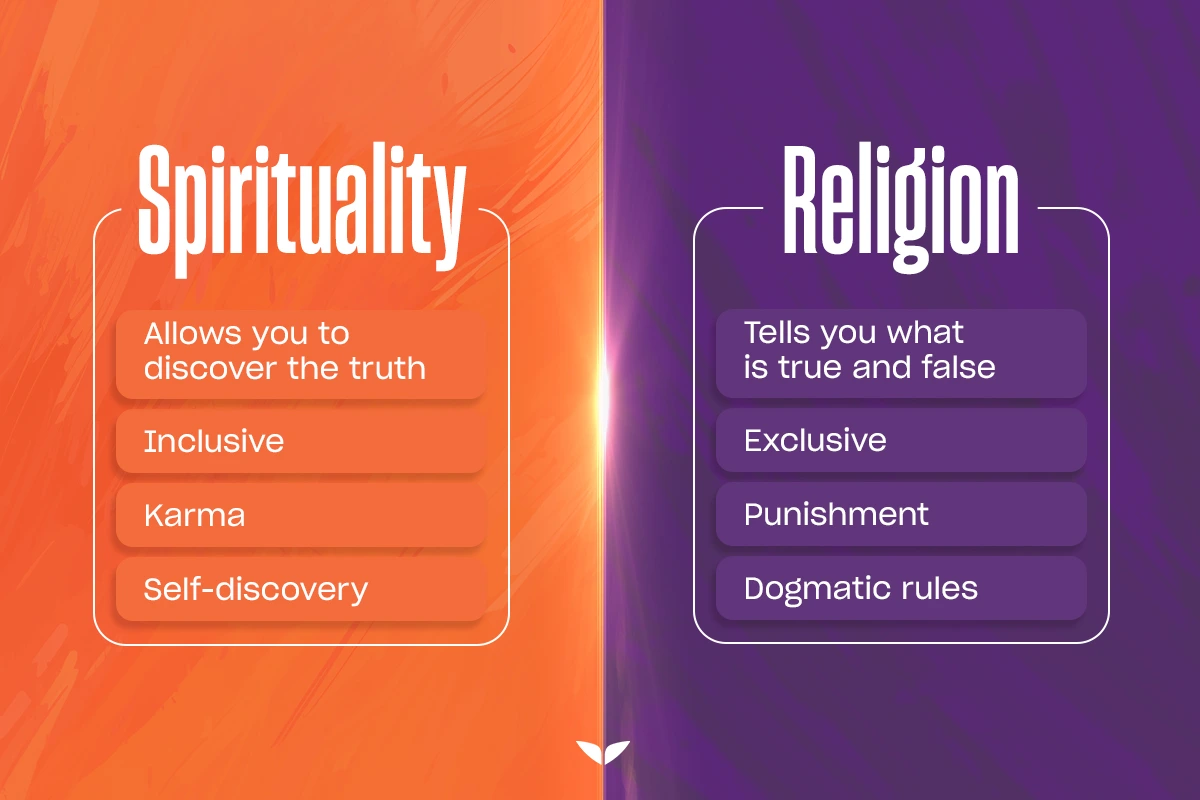
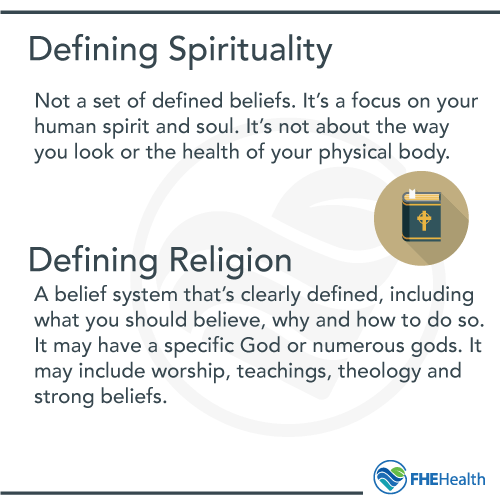
Spirituality, in a branding context, often refers to a broader, more inclusive set of values and an intrinsic search for meaning, purpose, and connection that transcends specific dogmas or institutions. When a brand adopts a spiritual narrative, it taps into universal human experiences and aspirations. This approach emphasizes personal growth, mindfulness, holistic well-being, interconnectedness, and a sense of wonder.
Authenticity and Relatability
A brand built on spiritual principles often seeks to connect with its audience on an emotional and existential level, rather than a prescriptive one. It speaks to the shared human desire for peace, balance, understanding, and personal betterment. This narrative fosters authenticity because it resonates with individuals who may not adhere to a particular faith but are seeking deeper meaning in their lives and purchases. For a personal brand, aligning with spirituality can convey a leader who is empathetic, values-driven, and focused on collective well-being, thereby building a more relatable and trusted persona. Companies offering wellness products, sustainable fashion, mindfulness apps, or experiences often leverage a spiritual brand narrative to emphasize their commitment to holistic living and a positive impact on the world, appealing to a broad demographic interested in these universal values.
The “Why” Behind the Brand
For corporate identity, a spiritual underpinning often translates into a powerful “why” that drives the organization. It’s less about adherence to specific doctrines and more about a commitment to ethical practices, social responsibility, employee well-being, and a broader vision of contribution beyond profit. This “why” becomes a cornerstone of the brand’s narrative, attracting talent and customers who share these overarching values. It informs the company’s culture, its product development, and its marketing messages, positioning the brand as a force for positive change rather than just a provider of goods or services. This deep-seated purpose allows a brand to transcend mere transactional relationships, fostering a community of shared beliefs and aspirations.
Religious Identity: Precision and Community in Branding
Religion, when applied to branding, typically involves adherence to a specific set of beliefs, rituals, and moral codes often guided by a particular institution or sacred texts. A brand that aligns with a religious identity often seeks to connect deeply with a defined community, offering products, services, or experiences that cater to specific needs, values, or traditions within that faith.
Niche Engagement and Loyalty
For brands operating within or targeting specific religious communities, embracing a religious identity can lead to unparalleled loyalty and deep engagement. This strategy allows for highly precise targeting, messaging, and product development that directly addresses the unique requirements and cultural nuances of the religious group. Examples include halal or kosher certified foods, faith-based educational institutions, religious apparel, or publishing houses specializing in spiritual texts. These brands aren’t just selling products; they are reinforcing identity, community, and adherence to shared principles. For a personal brand, overtly religious affiliation can establish strong trust and credibility within that specific faith community, positioning the individual as an authority or leader aligned with their shared values.
Values-Driven Corporate Identity
For corporations, adopting a religious identity means operating with a framework of values and ethics that are explicitly drawn from a particular faith tradition. This can influence everything from business practices (e.g., Islamic finance principles, Christian non-profit models) to employee policies and philanthropic endeavors. Such an identity can be a powerful differentiator, attracting employees and customers who are deeply committed to these values. It builds a distinct corporate culture and a brand narrative that speaks directly to a faith-based worldview, fostering a sense of belonging and trust among its adherents. However, this approach inherently defines a more specific target audience and may not seek broad appeal.
Navigating the Spectrum: Strategic Brand Positioning
The decision to brand as spiritual, religious, or somewhere along the continuum is a strategic one with significant implications for market reach, audience perception, and brand message.
Broad Appeal vs. Deep Connection
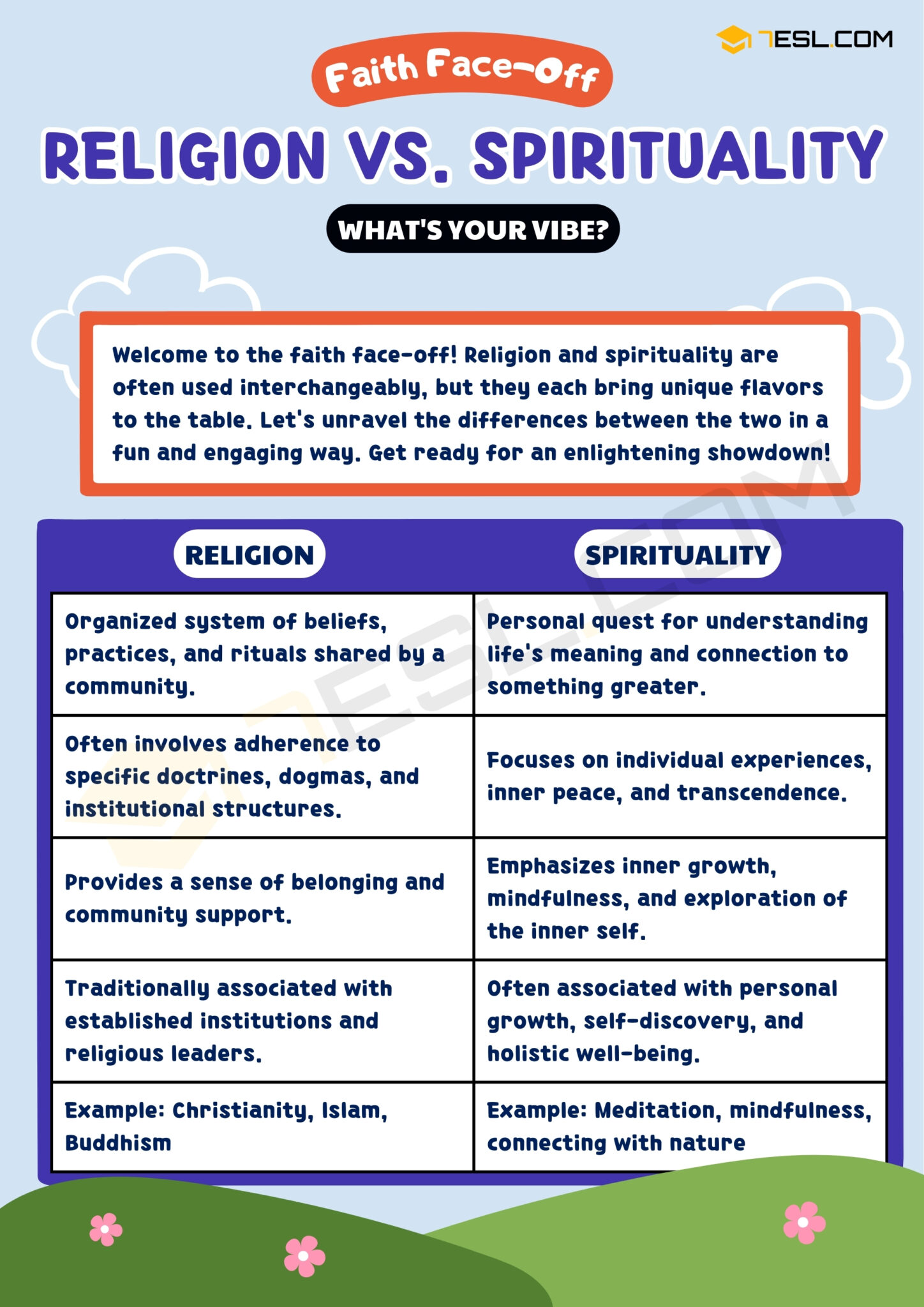
A spiritual brand aims for broad appeal, connecting with anyone who resonates with universal values of growth, well-being, and purpose. Its messaging is often inclusive and non-dogmatic, seeking to unite rather than divide. This allows for a larger potential market but might result in less intense loyalty from specific niche groups. Conversely, a religious brand sacrifices broad appeal for deep, unwavering loyalty within a specific community. Its messaging is often tailored, explicit, and draws on shared sacred language and symbols. This approach creates fervent advocates but inherently limits its general market penetration. The strategic choice depends on a brand’s overarching objectives: is it to be a global influencer with a universal message, or a trusted pillar within a specific, dedicated community?
Avoiding Missteps and Maintaining Credibility
Regardless of the chosen path, authenticity is paramount. Brands attempting to leverage spiritual or religious themes without genuine alignment risk being perceived as opportunistic or disingenuous. For a spiritual brand, this means ensuring that claims of sustainability, ethical practices, or mindfulness are genuinely integrated into operations, not just marketing copy. For a religious brand, it means upholding the specific ethical and moral standards of the faith community it serves. Misrepresentation or a lack of genuine commitment can severely damage credibility, erode trust, and alienate both target audiences and the general public. Brands must also be sensitive to cultural and interfaith nuances to avoid unintended offense, especially when navigating global markets.
Personal Branding: Aligning Inner Values with Outer Presentation
For individuals, understanding the difference between spiritual and religious is fundamental to crafting an authentic personal brand that resonates with their true self and desired audience.
The Authentic Leader
A personal brand rooted in spirituality often emphasizes a leader’s commitment to personal growth, compassion, and a holistic approach to life and work. This translates into a public persona that is approachable, insightful, and focused on empowerment and interconnectedness. It allows the individual to connect with a wider audience by speaking to universal human experiences and aspirations without being tied to specific doctrines. This spiritual alignment can make a leader appear more grounded, authentic, and purpose-driven, fostering trust and relatability across diverse professional and personal networks. It’s about embodying values that transcend particular affiliations.
Building Trust and Resonance
Conversely, a personal brand that explicitly embraces a religious identity positions the individual as a leader or expert within that specific faith community. This can build profound trust and resonance among those who share that faith, allowing for deep engagement and influence within that niche. This is particularly powerful for leaders in faith-based organizations, educators, or public figures whose work is directly tied to their religious convictions. The key is to ensure that the public presentation of religious identity aligns seamlessly with the individual’s actions and values, demonstrating integrity and commitment. For both spiritual and religious personal brands, consistency between inner conviction and outer expression is the bedrock of credibility.
Marketing Implications: Reaching Diverse Audiences
The distinction between spiritual and religious also profoundly influences marketing strategies, from messaging and visuals to promotional channels and partnership opportunities.
Messaging and Visuals
Marketing for a spiritual brand often employs inclusive language, abstract imagery, and themes of nature, mindfulness, peace, and personal discovery. The messaging focuses on transformation, well-being, and universal belonging. Visuals might feature serene landscapes, diverse individuals in reflective states, or abstract representations of energy and connection. The aim is to evoke a feeling or an experience that is accessible to all, irrespective of their specific beliefs. Religious marketing, on the other hand, often utilizes specific sacred texts, symbols, rituals, and community-centric language. Visuals might include specific religious iconography, community gatherings, or imagery directly related to the faith’s narratives and traditions. The messaging is precise, speaking directly to the shared understanding and values of the religious community, and aiming to reinforce faith, tradition, and communal identity.
Cause-Related Marketing and Social Impact
Both spiritual and religious brands often engage in cause-related marketing and emphasize their social impact, but their approaches can differ. Spiritual brands might align with broader humanitarian causes, environmental sustainability, or global peace initiatives, emphasizing universal responsibility and interconnectedness. Their partnerships might be with international NGOs or social enterprises that share a global vision. Religious brands often focus their social impact efforts on community-specific needs, faith-based charities, or initiatives that align with their specific moral and ethical doctrines. Their partnerships are more likely to be with other faith-based organizations or community leaders within their religious tradition. Understanding this difference is crucial for effective collaboration and for communicating a brand’s commitment in a way that truly resonates with its intended audience, ensuring that philanthropic efforts genuinely enhance brand perception and loyalty.
aViewFromTheCave is a participant in the Amazon Services LLC Associates Program, an affiliate advertising program designed to provide a means for sites to earn advertising fees by advertising and linking to Amazon.com. Amazon, the Amazon logo, AmazonSupply, and the AmazonSupply logo are trademarks of Amazon.com, Inc. or its affiliates. As an Amazon Associate we earn affiliate commissions from qualifying purchases.