
Understanding the Cannabis Concentrate Market: A Financial Overview
The burgeoning legal cannabis industry presents a complex landscape for investors, entrepreneurs, and consumers alike. Within this rapidly expanding sector, cannabis concentrates represent a significant and growing market segment, often commanding premium prices and offering diverse consumption experiences. Two terms frequently encountered by those navigating this market are “rosin” and “resin.” While seemingly similar in nomenclature, their differences are profound, carrying substantial financial implications for production costs, market value, consumer demand, and investment potential. For anyone looking to understand profitability margins, market trends, or potential investment avenues in cannabis, a clear distinction between these two product categories is not merely academic but financially critical.
Market Segmentation and Consumer Demand
The cannabis concentrate market is not monolithic; it’s segmented by extraction method, purity, potency, and consumer preference. Rosin and various forms of resin (such as live resin and cured resin) cater to distinct niches, each with its own demand elasticity and price sensitivity. Understanding these segments is vital for businesses seeking to optimize product portfolios and for investors evaluating a company’s market fit and revenue potential. Consumers often prioritize factors like a product’s “cleanliness” (solventless vs. solvent-based), flavor profile, potency, and price point. Companies that successfully align their production with these nuanced demands can capture significant market share and achieve higher profit margins.
Regulatory Impact on Product Value
The regulatory environment plays a crucial role in shaping the value and market viability of cannabis concentrates. Regulations often dictate permissible extraction methods, required testing standards, and labeling requirements. Solventless products like rosin may face fewer regulatory hurdles related to residual solvents, potentially simplifying compliance costs and market entry in some jurisdictions. Conversely, solvent-based resin production requires stringent safety protocols and testing, which can add significant overhead. These regulatory differences directly influence production costs, time-to-market, and ultimately, the retail price and profitability of each product type. Investors must factor in these compliance complexities when assessing the operational efficiency and long-term sustainability of cannabis businesses specializing in concentrates.
Rosin: The Solventless Premium
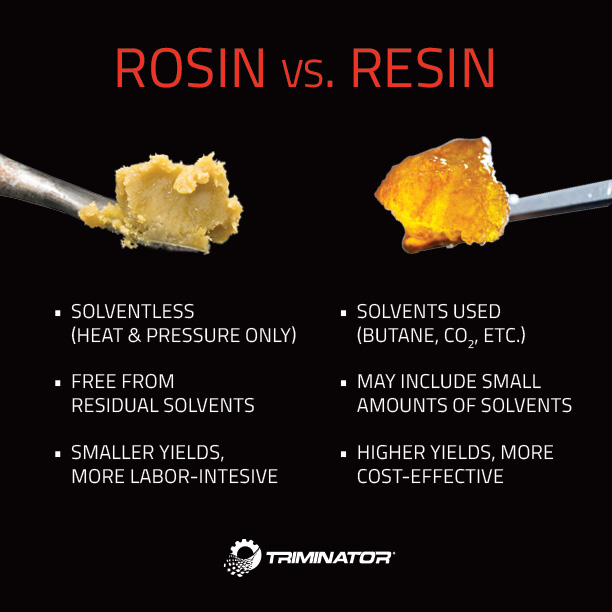
Rosin is a cannabis concentrate distinguished by its solventless extraction method. It is produced by applying heat and pressure to cannabis flower, hash, or kief, which causes the cannabinoid and terpene-rich trichomes to rupture and release their oily contents. This mechanical separation process avoids the use of chemical solvents such as butane, propane, or CO2, appealing to a segment of consumers who prioritize “clean” or “natural” products and perceive solvent residues as a health concern. This emphasis on purity often translates into a premium market position.
Production Economics and Investment
From a financial perspective, rosin production presents a unique set of economic considerations. The initial capital investment for rosin presses can be significantly lower than the sophisticated closed-loop solvent extraction systems required for resin. This lower barrier to entry can make rosin production attractive for smaller-scale operations or for businesses looking to diversify their product line without massive upfront expenditures. However, the operational costs for rosin can be tied to the quality and quantity of the starting material. Producing high-quality rosin (especially “flower rosin” or “live rosin” from fresh-frozen material) demands premium-grade cannabis, which itself carries a higher acquisition cost. The yield of rosin per pound of flower is generally lower than solvent-based extractions, meaning more raw material is often needed to produce comparable volumes of concentrate. This trade-off between lower equipment costs and potentially higher raw material costs, combined with lower yields, directly impacts gross margins and requires careful financial modeling. Investors evaluating rosin producers should scrutinize their sourcing strategies, yield optimization techniques, and ability to command premium pricing to offset these cost structures.
Market Positioning and Pricing Strategy
Rosin typically occupies the high-end segment of the cannabis concentrate market. Its solventless nature, often superior terpene preservation, and association with artisanal craftsmanship contribute to its premium pricing. Brands focusing on rosin often target a discerning consumer base willing to pay more for quality, purity, and a full-spectrum experience. Effective branding and marketing that highlight these attributes are crucial for justifying higher price points and building brand loyalty. For businesses, a successful rosin strategy involves not just production, but also a robust marketing plan that communicates its unique value proposition. For investors, identifying companies with strong brand equity in the rosin space, proven extraction efficiency, and a clear understanding of their target demographic can signal significant growth potential and sustainable profitability within a competitive market.
Resin: Diverse Forms, Varied Returns
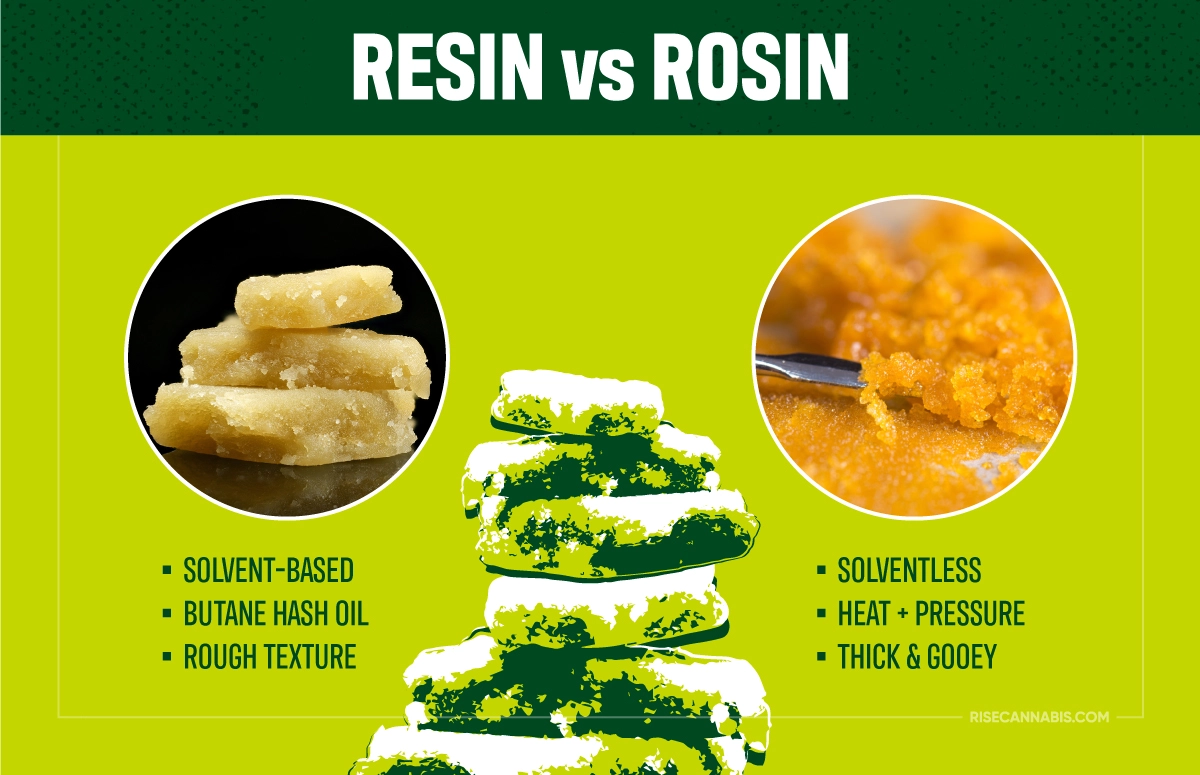
The term “resin” in the cannabis concentrate world broadly refers to products extracted using chemical solvents. The most prominent forms are “live resin” and “cured resin,” each distinguished by the state of the cannabis plant material at the time of extraction. These products dominate a large portion of the concentrate market due to their efficiency in extraction and ability to achieve high potencies, often at more accessible price points than rosin, though premium live resins can also command high prices.
Live Resin vs. Cured Resin: Production Costs and Sales
Cured Resin is made from cannabis plant material that has been dried and cured, similar to flower prepared for smoking. The extraction process typically involves solvents like butane or propane in closed-loop systems. This method is highly efficient at stripping cannabinoids and often results in high yields. The starting material (cured flower) can be more readily available and often less expensive than fresh-frozen material. Consequently, cured resin generally has lower production costs per gram and can be sold at a more competitive price point, appealing to a broader consumer base.
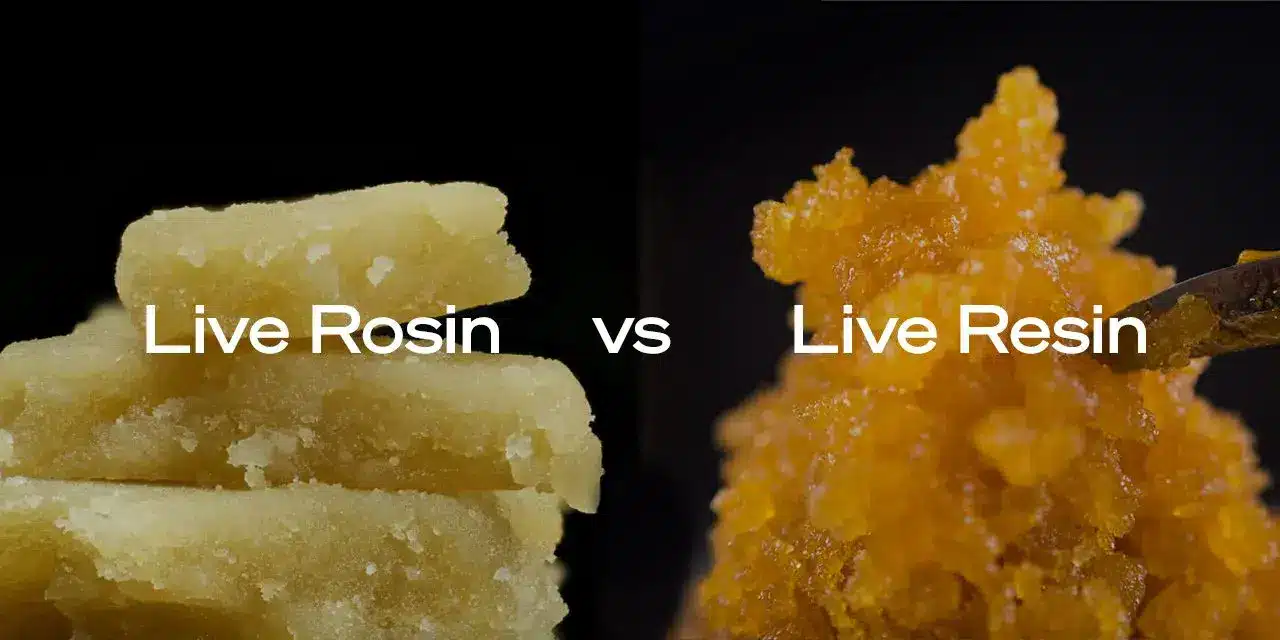
Live Resin, on the other hand, is extracted from cannabis plants that are flash-frozen immediately after harvest. This preserves a significantly higher concentration of terpenes, which are volatile compounds responsible for the plant’s aroma and flavor. The “live” aspect refers to the freshness of the plant material, not the consumption method. The production of live resin involves specialized equipment for freezing and processing, and the extraction process itself is often more delicate to preserve the delicate terpene profile. The cost of fresh-frozen material, combined with the energy and equipment requirements for flash-freezing and the more intricate extraction, generally leads to higher production costs than cured resin. However, the superior flavor and aroma profile of live resin typically allows it to command higher retail prices, often placing it in the premium segment, albeit sometimes below the very highest-end rosins. Businesses must carefully weigh the higher production costs of live resin against its potential for higher margins and consumer demand for premium experiences.
Technological Advancements and Efficiency Gains
The production of solvent-based resins heavily relies on sophisticated extraction technology. Continuous innovation in closed-loop systems, solvent recovery, and post-processing techniques (like purging residuals) directly impacts efficiency, safety, and product quality. Companies that invest in cutting-edge extraction equipment and process optimization can achieve higher yields, reduce operational costs, and produce more consistent, high-quality products. For investors, evaluating a company’s technological infrastructure and R&D capabilities in extraction can be a key indicator of its competitive advantage and long-term financial viability. Efficiency gains in solvent-based extraction can significantly improve profitability by reducing energy consumption, minimizing solvent waste, and accelerating production cycles, all of which contribute to a healthier bottom line.
Financial Implications for Businesses and Investors
The choice between producing rosin or various types of resin carries profound financial implications that dictate business strategy, market positioning, and investment attractiveness.
Maximizing Profitability Through Extraction Choices
For cannabis businesses, the decision to focus on rosin, live resin, cured resin, or a combination, is a critical strategic choice impacting profitability.
- Rosin-focused businesses often target niche markets, emphasizing purity and artisanal quality. Their profitability hinges on securing high-quality source material, maintaining efficient solventless processes, and effectively marketing a premium brand. Higher margins per unit can offset lower yields, provided the brand can command top-tier pricing.
- Resin-focused operations, particularly those producing cured resin, can leverage economies of scale due to higher yields and potentially lower raw material costs. Profitability here is often driven by volume, production efficiency, and competitive pricing.
- Live resin producers straddle the line, aiming for premium pricing due to superior terpene profiles, but also facing higher production costs. Their success depends on balancing advanced technology investments with market demand for high-end, flavorful concentrates.
A diversified portfolio, offering both rosin and various resins, can allow a business to capture different market segments and revenue streams, mitigating risks associated with reliance on a single product type. Strategic pricing, cost control, and supply chain management are paramount for maximizing profitability regardless of the chosen extraction method.
Navigating Market Volatility and Investment Opportunities
The cannabis concentrate market is dynamic, influenced by evolving consumer preferences, technological advancements, and regulatory shifts. For investors, understanding the unique financial characteristics of rosin and resin production is essential for informed decision-making.
- Rosin investments might appeal to those seeking exposure to premium, niche markets with strong brand loyalty and potential for higher margins, albeit with potentially lower overall production volume.
- Resin investments offer broader market appeal, potentially higher volumes, and a greater reliance on technological efficiency and cost optimization.
Investors should analyze a company’s chosen extraction methods in the context of its overall business model, market strategy, and financial performance. Key metrics include gross profit margins per product type, cost of goods sold (COGS) for various concentrates, market share within specific concentrate segments, and capital expenditure on extraction equipment. Furthermore, assessing a company’s ability to adapt to changing market demands, innovate its extraction techniques, and navigate regulatory complexities will be crucial for long-term investment success in this rapidly maturing industry. The distinction between rosin and resin is not just about the product itself but about the underlying financial architecture of a significant segment of the global cannabis economy.
aViewFromTheCave is a participant in the Amazon Services LLC Associates Program, an affiliate advertising program designed to provide a means for sites to earn advertising fees by advertising and linking to Amazon.com. Amazon, the Amazon logo, AmazonSupply, and the AmazonSupply logo are trademarks of Amazon.com, Inc. or its affiliates. As an Amazon Associate we earn affiliate commissions from qualifying purchases.