
In the landscape of modern finance, the way we access assets—whether they are vehicles, real estate, or industrial equipment—has shifted significantly from a pure ownership model to a usage-based model. For individuals and business owners alike, the decision to commit to an asset often boils down to two primary financial instruments: the rental agreement and the lease. While these terms are frequently used interchangeably in casual conversation, they represent distinct financial strategies with unique implications for cash flow, tax liability, and long-term wealth accumulation.
Understanding the nuance between a rental and a lease is not merely an academic exercise in semantics; it is a critical component of strategic capital allocation. Choosing the wrong structure can lead to unnecessary costs, restricted liquidity, or missed tax advantages. To navigate these waters effectively, one must look past the monthly payment and examine the underlying contractual obligations and financial trajectories each option creates.
Decoding the Financial Structures: Flexibility vs. Stability
The fundamental distinction between a rental and a lease lies in the duration of the agreement and the flexibility of its terms. In the realm of personal finance and business operations, these differences dictate how much control a user has over their environment and their capital.
The Dynamics of a Rental Agreement
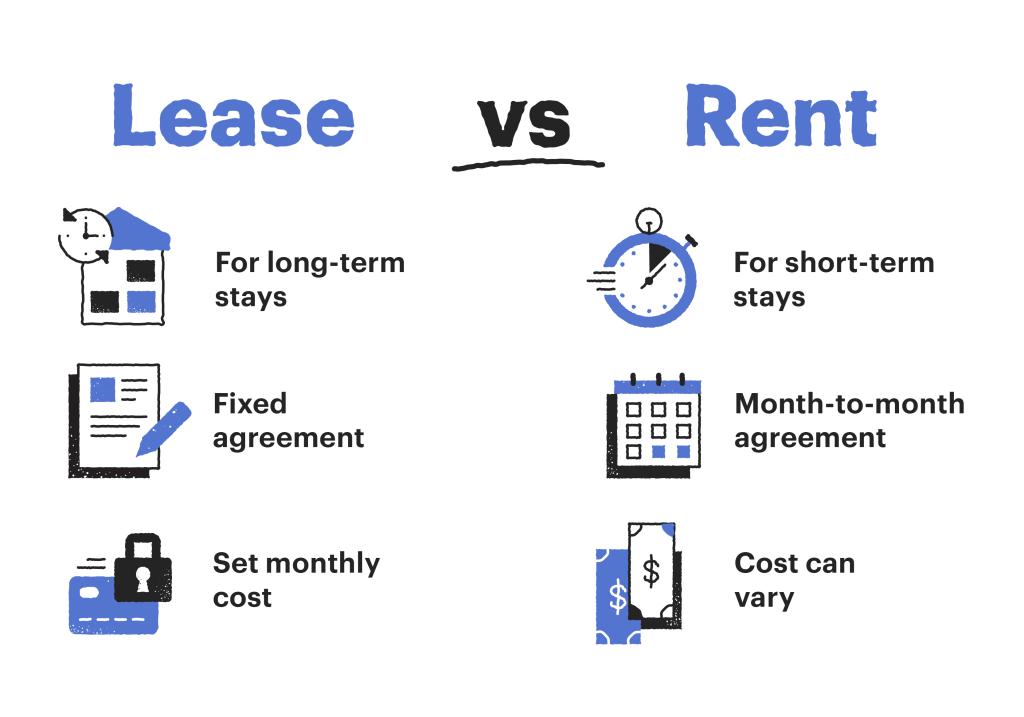
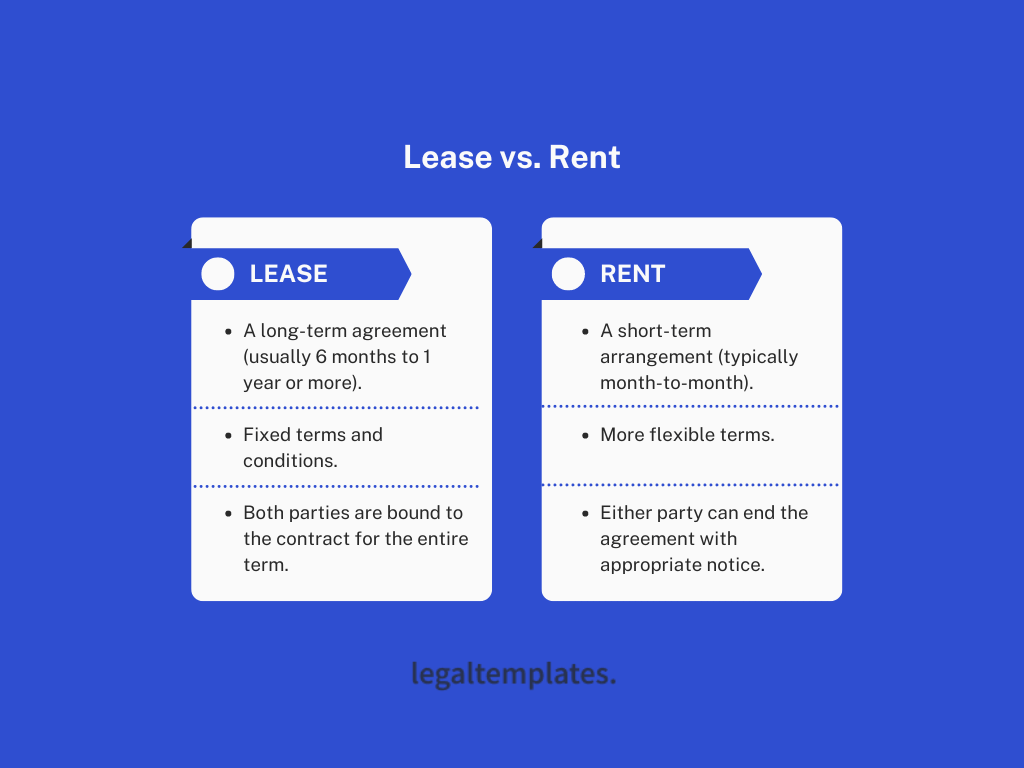
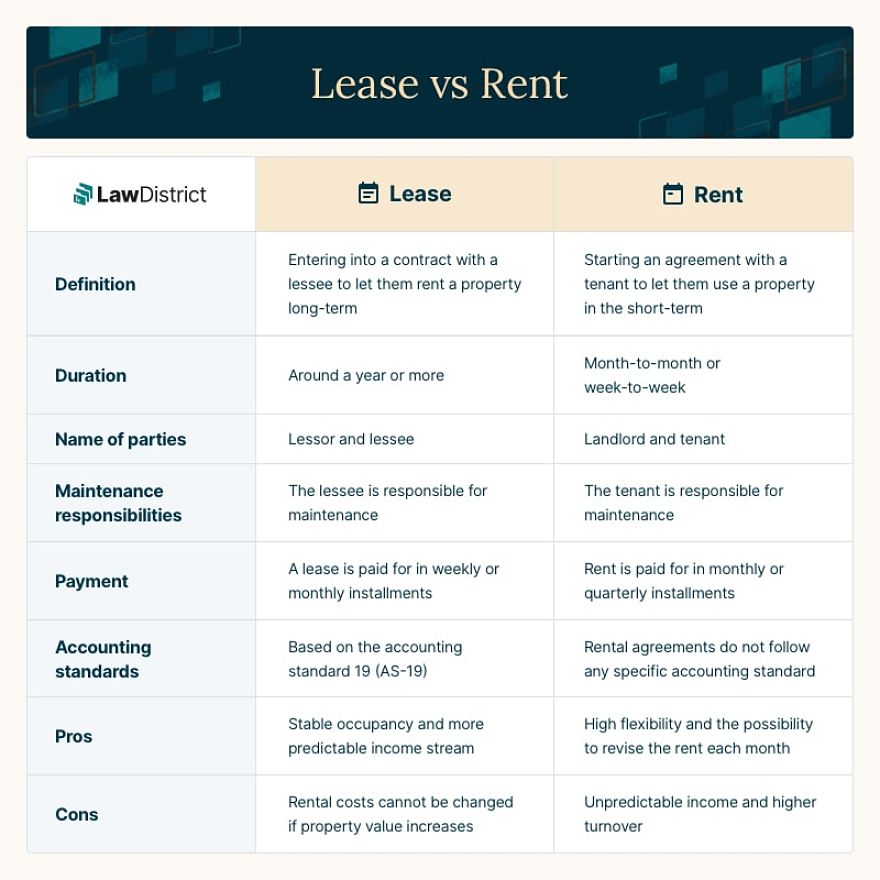
A rental agreement is typically characterized by its short-term nature, usually operating on a month-to-month basis. From a financial perspective, renting is the ultimate tool for liquidity and flexibility. In a standard residential or equipment rental, the terms of the agreement are automatically renewed at the end of each 30-day period unless one of the parties provides notice to terminate.
The primary advantage of a rental is the lack of long-term commitment. For a startup business unsure of its headcount in six months or an individual in a transitional phase of life, renting prevents “capital lock-in.” However, this flexibility comes at a price. Landlords and rental companies often charge a premium for the right to vacate on short notice, and they retain the power to change the terms—including the monthly cost—with relatively short notice.
The Rigidity of a Lease Agreement
A lease, by contrast, is a fixed-term contract. Whether it is a 12-month residential lease, a 36-month vehicle lease, or a five-year commercial equipment lease, the terms are locked for the duration of the period. This provides a level of financial predictability that a rental cannot match. For the duration of the lease, the monthly payment remains static, protecting the lessee from market fluctuations and inflation.
From a wealth management perspective, a lease is a more significant commitment. Breaking a lease often incurs heavy financial penalties, making it less suitable for those who require high mobility. However, because the provider is guaranteed a steady stream of income for a set period, the monthly cost of a lease is typically lower than that of a comparable short-term rental.
Cash Flow Strategy: The Impact on Your Bottom Line
When evaluating rentals versus leases through the lens of money management, the conversation inevitably turns to cash flow. Both options allow a user to avoid the massive upfront capital expenditure (CAPEX) required for a direct purchase, but they interact with your balance sheet in different ways.
Upfront Costs and Barrier to Entry
Renting generally requires the lowest barrier to entry. In a residential context, this might mean a security deposit and the first month’s rent. In a business context, renting equipment might involve no more than a credit card authorization. This preservation of capital allows businesses to redirect funds toward revenue-generating activities rather than sinking them into depreciating assets.
Leasing, however, often involves more complex “move-in” costs or “drive-off” fees. In vehicle leasing, for example, a capitalized cost reduction (down payment) is often expected to lower the monthly installments. While this requires more upfront cash than a simple rental, it is still significantly less than the 20% down payment or the full purchase price required in traditional financing or cash buys.
Tax Implications and Deductions
For business owners and freelancers, the distinction between a rental and a lease can have profound tax implications. Rent payments are generally treated as operating expenses (OPEX), which are fully deductible in the year they are paid. This simplifies bookkeeping and provides an immediate reduction in taxable income.
Leasing can be more complex. Depending on the structure of the lease—specifically whether it is classified as an “operating lease” or a “capital lease” (also known as a finance lease)—the tax treatment varies. A capital lease is treated more like a purchase, where the lessee may be able to claim depreciation and interest expense deductions. Under current accounting standards (such as ASC 842 or IFRS 16), most leases must now be recognized on the balance sheet as a “right-of-use” asset and a corresponding liability. This shift has changed how companies calculate their debt-to-equity ratios, impacting their ability to secure further financing.
Asset Management and the Depreciation Trap
One of the most compelling reasons to choose either a rental or a lease over ownership is the avoidance of depreciation. Assets like vehicles, technology, and specialized machinery lose value the moment they are put into service. By opting for a usage-based model, you shift the risk of residual value to the owner (the lessor).
Why Ownership Isn’t Always the Goal
In traditional personal finance, “owning” is often viewed as the ultimate goal. However, in the context of rapidly evolving technology or high-maintenance assets, ownership can become a liability. If you buy a piece of high-end manufacturing equipment, you are responsible for its maintenance and eventually its disposal when it becomes obsolete.
Leasing allows for a “refresh cycle.” At the end of a three-year lease, you simply return the asset and enter a new lease for the latest model. This ensures that you or your business is always operating with the most efficient tools without the headache of selling used equipment in a secondary market. Rental agreements take this a step further by allowing you to swap out assets almost immediately if your needs change or if a better version becomes available.
Maintenance and Hidden Costs
The responsibility for maintenance is a key financial differentiator. In most rental agreements, the cost of maintenance is built into the rental price, and the landlord or rental company is responsible for all repairs. This provides a “capped cost” for the user; you know exactly what your monthly outflow will be, with no surprise repair bills.
In a lease, maintenance responsibilities are more varied. A “full-service lease” mimics a rental by covering maintenance, but many standard leases—particularly in the automotive and commercial sectors—place the burden of maintenance on the lessee. When calculating the total cost of a lease, one must account for these potential outflows, which are not present in a true rental scenario.
Making the Choice: Strategic Allocation of Capital
Deciding between a rental and a lease requires a deep dive into your financial goals and time horizons. It is a matter of weighing the cost of flexibility against the benefits of stability.
When to Opt for a Rental Agreement
Renting is the superior choice when the primary objective is the preservation of liquidity and the ability to pivot. It is ideal for:
- Startups and Scalable Businesses: When you don’t know if you will need a 5-person office or a 50-person office in a year.
- Project-Based Work: When equipment is needed for a specific three-month contract.
- Testing and Iteration: When you want to “try before you buy” to see if a specific asset actually adds value to your workflow.
From a money management perspective, renting keeps your balance sheet clean and your exit costs low, though you will pay more over the long term for this privilege.
When a Lease Offers Better ROI
Leasing is the preferred route when there is a clear, long-term need for an asset but a desire to avoid the risks of ownership. It is ideal for:
- Established Budgeting: When you need a fixed, predictable expense for the next several years to facilitate accurate forecasting.
- High-Value Depreciating Assets: Such as luxury vehicles or medical equipment, where the technology evolves quickly.
- Tax Optimization: When the specific structure of a lease provides a more favorable tax position than a simple rental or a straight purchase.
The Return on Investment (ROI) of a lease is often higher than a rental because the monthly payments are lower. Over a three-year period, the savings accumulated by choosing a lease over a month-to-month rental can be significant, potentially totaling thousands of dollars that can be invested elsewhere.
The Future of Asset Access: Subscription Models and Beyond
As we look toward the future of personal and business finance, the lines between rental and lease are continuing to blur. The rise of “Subscription as a Service” (SaaS) and hardware subscription models represents a hybrid approach. These models often offer the low-commitment flexibility of a rental with the lower, more predictable pricing of a lease.
For the modern investor or business leader, the “Rental vs. Lease” debate is part of a larger shift toward “Asset-Light” living and operating. By mastering the differences between these two financial vehicles, you can ensure that your capital is never stagnant. Instead of sinking wealth into the “bricks and mortar” of depreciating assets, you can utilize rentals and leases to maintain a high-velocity financial life, where your money is always moving toward its highest and best use. Whether it’s the agility of a rental or the structured efficiency of a lease, the right choice is the one that aligns with your specific cash flow requirements and your long-term vision for financial growth.
aViewFromTheCave is a participant in the Amazon Services LLC Associates Program, an affiliate advertising program designed to provide a means for sites to earn advertising fees by advertising and linking to Amazon.com. Amazon, the Amazon logo, AmazonSupply, and the AmazonSupply logo are trademarks of Amazon.com, Inc. or its affiliates. As an Amazon Associate we earn affiliate commissions from qualifying purchases.