
When you hear the words “rat” and “mouse,” what immediately springs to mind? For many, it’s a vague, often negative, association with pests or perhaps lab animals. Yet, these two common rodents, while undeniably related, possess distinct characteristics that go far beyond superficial similarities. This article, however, isn’t just about zoology. Drawing parallels from the core pillars of our website – Tech, Brand, and Money – we’ll explore the nuanced differences between rats and mice, not just as animals, but as metaphors and case studies for understanding evolution, strategy, and resource management in the modern world.
Think of it this way: just as a seasoned tech analyst dissects the latest gadget, or a branding expert differentiates a compelling corporate identity from a forgettable one, or a financial advisor guides us through the complexities of investment, we can apply a similar lens to these ubiquitous creatures. Understanding the “what’s the difference between rats and mice” question can offer surprising insights into how things evolve, how different approaches lead to varied outcomes, and how even the smallest differences can have significant impacts.
The Fundamental Biological Divergence: Size, Appearance, and Behavior
At the most basic level, the difference between rats and mice is one of scale and evolutionary adaptation. This isn’t just about their physical dimensions; it influences their behavior, their ecological niches, and even how humans interact with them.
Size Matters: A Tale of Two Proportions
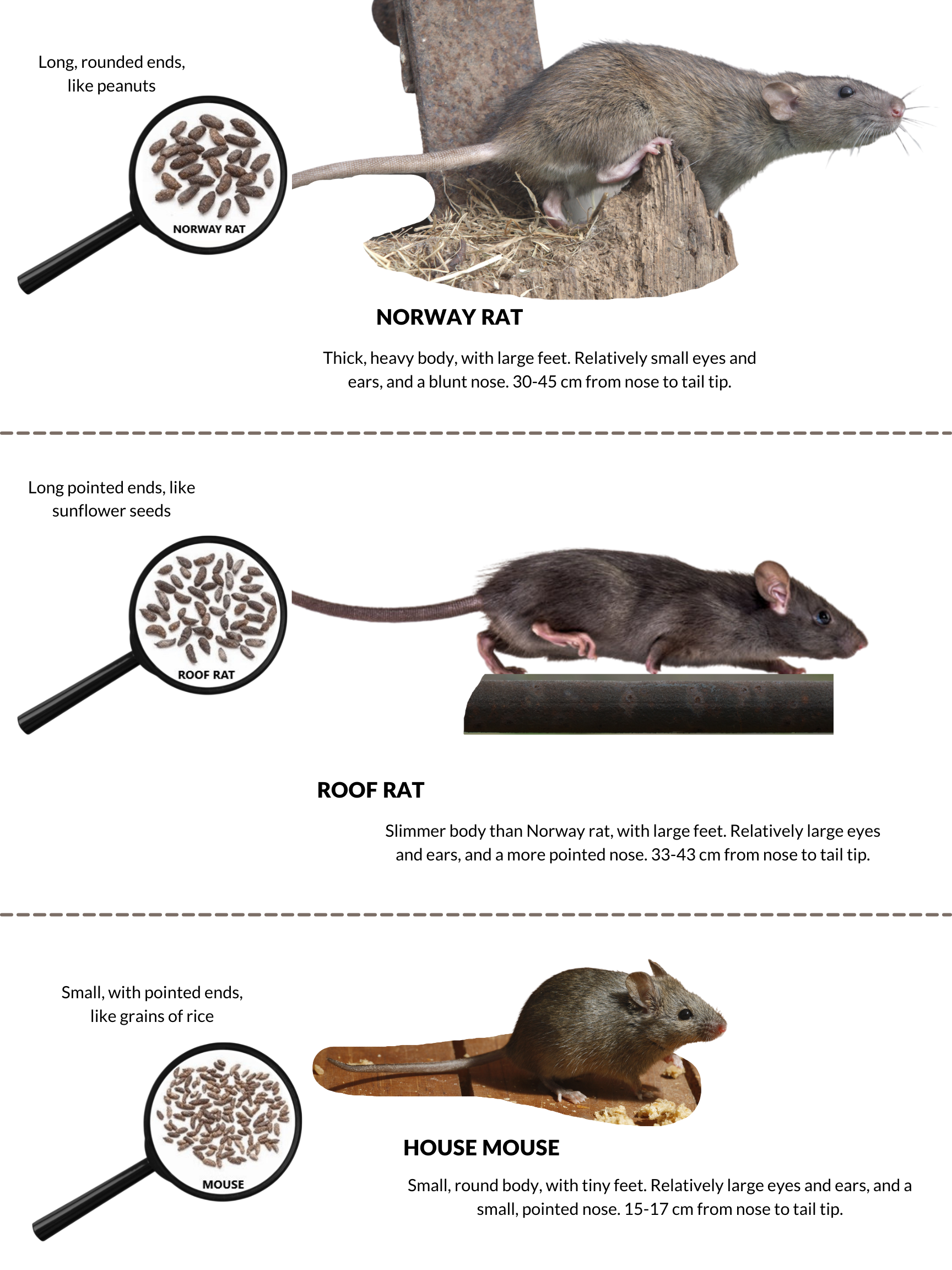
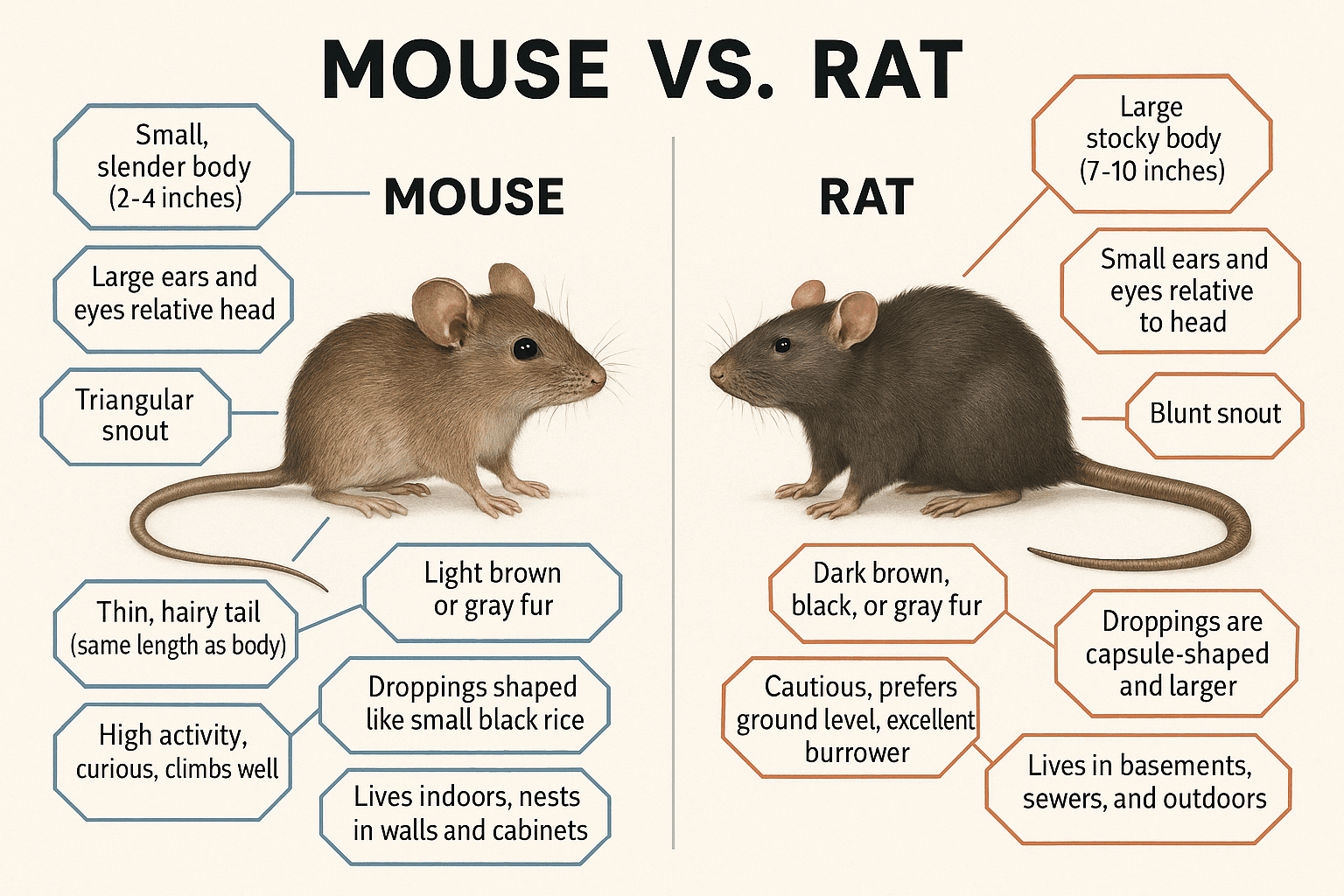
The most obvious distinction lies in their physical size. Mice are, quite simply, smaller. A typical house mouse (Mus musculus) is generally a few inches long, with a slender body and a thin, often hairy tail that’s roughly the same length as its body. Their ears are usually proportionally large for their heads, and their snouts are delicate and pointed.
Rats, on the other hand, are significantly larger. Species like the Norway rat (Rattus norvegicus) and the black rat (Rattus rattus) can be anywhere from six to ten inches long, excluding their tails, which are often thicker, scaly, and shorter than their bodies (in the case of the Norway rat) or longer than their bodies (in the case of the black rat). Their heads are broader, their ears smaller and more rounded, and their snouts are blunter.
This difference in size isn’t merely cosmetic. It dictates their ability to access different environments and resources. Smaller mice can squeeze through incredibly tiny openings, making them adept at infiltrating homes and human structures. Larger rats, while still agile, require more substantial entry points and are often found in basements, sewers, or larger abandoned buildings.
A Matter of Morphology: Beyond the Scale
Beyond size, subtle morphological differences are key. Mice have a more delicate bone structure, contributing to their nimble movements and ability to navigate tight spaces. Their fur tends to be finer and softer. Rats, with their larger and more robust builds, possess a greater physical strength. Their fur can be coarser, and their overall appearance is often described as more formidable.
Consider the eyes. Mice typically have larger, more prominent eyes relative to their head size, suggesting a reliance on vision in low-light conditions. Rats, while also nocturnal or crepuscular, often have smaller, bead-like eyes, hinting at a greater reliance on their other senses.
Behavioral Blueprints: Social Structures and Survival Strategies
Their behavioral patterns further distinguish them, offering a fascinating parallel to strategic thinking in business and technology.
Mice: Often described as more timid and curious, mice tend to live in smaller family groups. They are known for their exploratory nature, often venturing out to discover new food sources. This can make them more susceptible to traps and predators, as their individualistic curiosity can lead them into danger. Their social structure is less hierarchical, with a focus on immediate family units. This can be likened to a startup environment, where agility and individual initiative are paramount, but broad-scale coordination might be less emphasized.
Rats: In contrast, rats are generally bolder, more aggressive, and highly social animals. They live in larger, more complex colonies with established hierarchies. This social structure provides collective defense against predators and allows for more efficient foraging. A group of rats can work together to overwhelm a food source or deter threats. This collective intelligence and coordinated action are reminiscent of established corporations with clear leadership and specialized roles, capable of undertaking larger, more complex projects. Their bolder nature can make them more challenging to control and more likely to establish long-term infestations.
Evolutionary Pathways and Adaptability: Lessons from Nature’s Designs
The evolutionary divergence between rats and mice provides compelling case studies in adaptability and survival, mirroring the dynamic landscapes of technology and the marketplace.
Adapting to the Anthropocene: Mimicking Human Expansion
Both species have a remarkable ability to thrive alongside humans, a phenomenon known as commensalism. However, their specific adaptations and the strategies they employ to exploit human environments differ significantly.

Mice as the Agile Innovators: Mice, with their small size and rapid reproduction rates, are akin to nimble tech startups or innovative apps that quickly find a niche and expand. They can quickly colonize new areas, adapt to changing food sources, and reproduce prolifically, ensuring their genetic lineage persists. Their curiosity, while risky, also drives discovery. This rapid iteration and exploration can be a powerful evolutionary advantage, allowing them to exploit opportunities that larger, more established organisms might miss.
Rats as the Strategic Empire Builders: Rats, with their larger size, social organization, and bolder demeanor, are more like established corporations or robust software platforms. They can tackle larger challenges, defend their territory more effectively, and leverage collective strength to secure resources. Their social hierarchy allows for the efficient delegation of tasks and the transmission of knowledge (or learned behaviors) within the colony. This strategic approach allows them to dominate larger territories and exert a more significant impact on their environment.
Resilience and Resourcefulness: Surviving the Toughest Environments
Both species are incredibly resourceful, but their approaches to overcoming challenges can differ.
Mice and the Micro-Niche: Mice excel at exploiting the micro-niches within human environments. They can survive on minute food scraps, find shelter in the smallest cracks, and their rapid breeding cycle means that even significant population losses can be quickly replenished. Their resilience lies in their sheer numbers and their ability to adapt to localized conditions.
Rats and the Macro-Strategy: Rats, on the other hand, exhibit resilience through strategic resource acquisition and defense. Their ability to chew through tough materials (like wires or pipes) and their organized foraging allow them to secure more substantial food supplies. Their social structure provides a collective defense mechanism, making them harder to eradicate once established. Their resilience is built on coordination and a more assertive engagement with their environment.
Implications for Branding, Tech, and Finance: Metaphorical Mappings
The differences between rats and mice, though biological, offer rich metaphorical parallels for understanding concepts in Tech, Brand, and Money.
Tech: Innovation vs. Robustness
In the tech world, mice can be seen as the agile, disruptive innovators. Think of the countless small apps that emerge, offering a specific, often niche, solution with speed and efficiency. They might not have the broad appeal or the extensive feature set of a larger platform, but they can carve out a significant market share through focused utility.
Rats, in this context, represent the established, robust software systems or tech giants. They have the infrastructure, the resources, and the market dominance to tackle complex problems and serve a vast user base. They are less about quick disruption and more about sustained presence and comprehensive functionality. The challenge for “rat” tech companies is to remain agile enough to fend off the “mouse” disruptors, while “mouse” tech companies must find ways to scale and compete with the established players.
Brand: Niche Appeal vs. Dominant Presence
When it comes to branding, mice can represent brands that focus on a specific, loyal customer segment. These brands might be highly specialized, catering to a particular hobby, lifestyle, or demographic. Their strength lies in their deep connection with their audience and their ability to offer highly tailored products or services.
Rats, conversely, embody brands with broad market appeal and a dominant presence. These are the household names, the brands that are instantly recognizable and widely consumed. Their success often comes from a combination of accessibility, consistent quality, and a strong marketing push that establishes them as the default choice in their category. The “difference” here is in the scale of their ambition and the breadth of their reach.
Money: Side Hustles vs. Corporate Finance
In the realm of personal finance, mice can be likened to successful side hustles or nimble investment strategies. They are about quick wins, leveraging small opportunities for incremental gains, and often operating with a degree of flexibility and lower overhead. The individual who pursues multiple small income streams, or makes a series of smart, small investments, can build wealth incrementally, much like a mouse steadily gathering resources.
Rats, in the financial landscape, represent more substantial corporate finance or large-scale investment portfolios. They are about managing significant capital, employing complex strategies, and aiming for considerable returns. The “rat” approach involves leveraging resources, establishing dominance in a market, and executing long-term plans. For individuals, this could translate to managing a substantial business, or investing in blue-chip stocks and diversified funds with a focus on long-term growth.
Conclusion: Understanding the Nuances for Strategic Advantage
The question “what’s the difference between rats and mice” might seem simple, but by drawing parallels to the dynamic fields of Tech, Brand, and Money, we uncover a deeper understanding of strategy, adaptation, and resourcefulness.
Mice, with their agility, curiosity, and rapid reproduction, remind us of the power of niche markets, disruptive innovation, and the steady accumulation of small gains. Rats, with their social organization, boldness, and robust presence, highlight the importance of established infrastructure, coordinated action, and dominant market positioning.
Ultimately, recognizing these fundamental differences, whether in the animal kingdom or in the business world, allows us to appreciate the diverse approaches to survival and success. By understanding these distinctions, we can better navigate our own technological choices, build stronger brands, and make more informed financial decisions, ultimately leading to more strategic and effective outcomes. Just as a keen observer of nature can learn from the behaviors of these rodents, a discerning mind can glean valuable insights from their contrasting characteristics to inform their own journey.
aViewFromTheCave is a participant in the Amazon Services LLC Associates Program, an affiliate advertising program designed to provide a means for sites to earn advertising fees by advertising and linking to Amazon.com. Amazon, the Amazon logo, AmazonSupply, and the AmazonSupply logo are trademarks of Amazon.com, Inc. or its affiliates. As an Amazon Associate we earn affiliate commissions from qualifying purchases.