
The world of professional motorcycle racing is vibrant and diverse, yet two disciplines, Motocross and Supercross, often find their names used interchangeably by the uninitiated. While both involve skilled riders on high-performance off-road motorcycles, their fundamental differences extend far beyond the track layout. These distinctions shape their unique brand identities, dictate their market positioning, influence fan engagement, and define their commercial appeal within the broader motorsports landscape. Understanding these differences is crucial to appreciating how each sport has meticulously carved out its own niche and built a distinct brand experience.
Distinct Brand Identities and Market Positioning
At their core, Motocross and Supercross represent two contrasting brand propositions within the dirt bike racing world. Each has cultivated an identity that resonates with specific audiences and fulfills distinct entertainment expectations.
The Rugged Outdoor Brand of Motocross
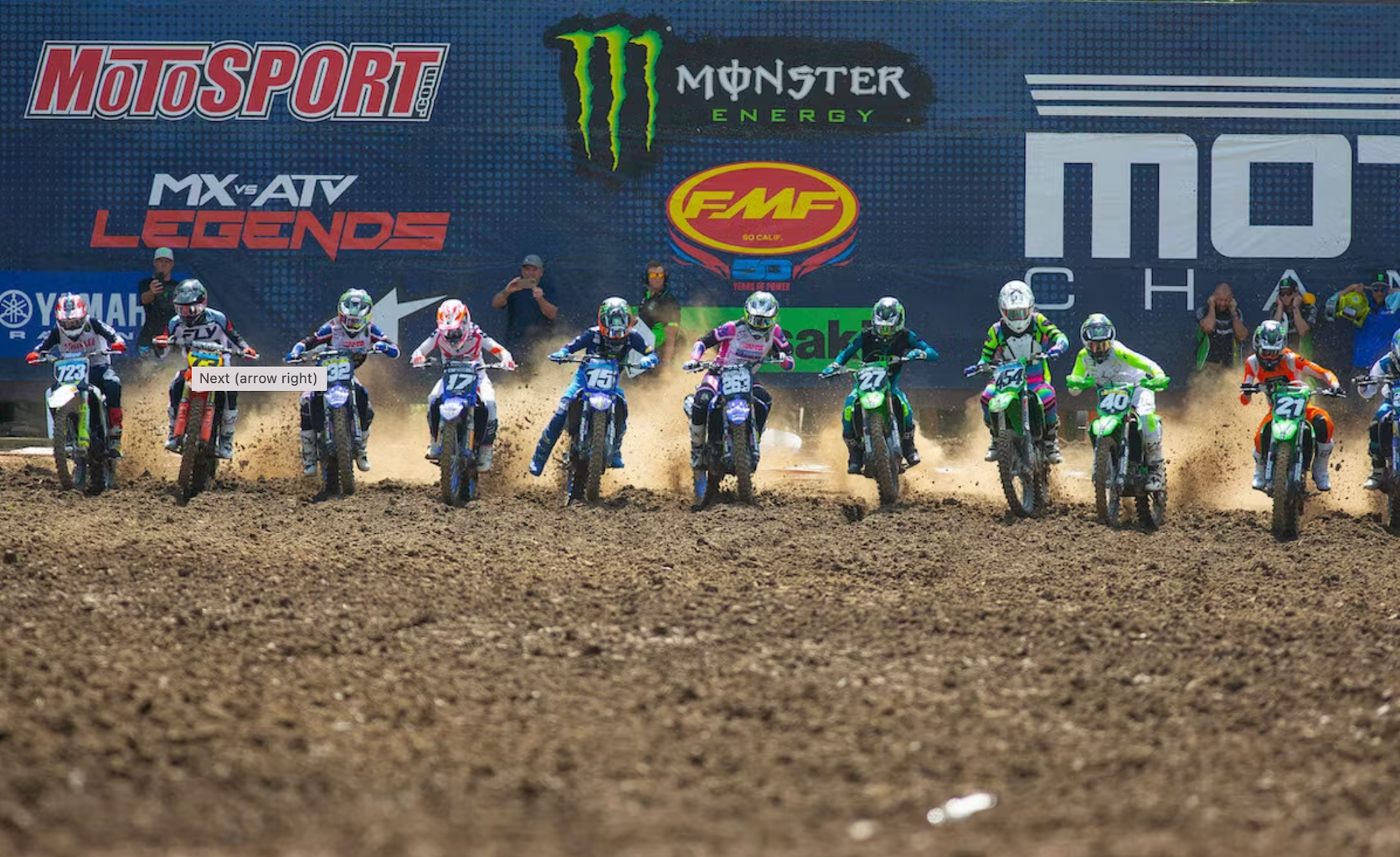
Motocross, as a brand, embodies the spirit of raw, untamed off-road racing. Its identity is deeply rooted in the natural environment, celebrating endurance, versatility, and the mastery of varied terrain. The brand image associated with Motocross is one of authenticity and a return to the sport’s origins. Races typically occur on outdoor tracks, often integrated into natural landscapes, featuring a mix of dirt types, elevation changes, trees, and weather-dependent conditions. This natural variability is not just a feature; it’s a cornerstone of the Motocross brand. It emphasizes adaptability, rider skill in unpredictable environments, and the sheer physical and mental grind required to conquer a sprawling, challenging course.
The brand messaging often highlights the “true test of man and machine against nature.” This positioning appeals to enthusiasts who value traditional motorsport, appreciate the nuanced skill involved in adapting to changing conditions, and resonate with a sense of adventure and rugged individualism. The season typically runs through warmer months, allowing for open-air events that become community gatherings, further reinforcing its grassroots and accessible brand identity. Spectators are often spread out across vast areas, creating a more relaxed, festival-like atmosphere where the racing unfolds over longer distances and durations. The bikes themselves, while high-tech, are often presented as extensions of the rider’s will, conquering obstacles that define the Motocross brand experience.
The Polished Arena Spectacle of Supercross
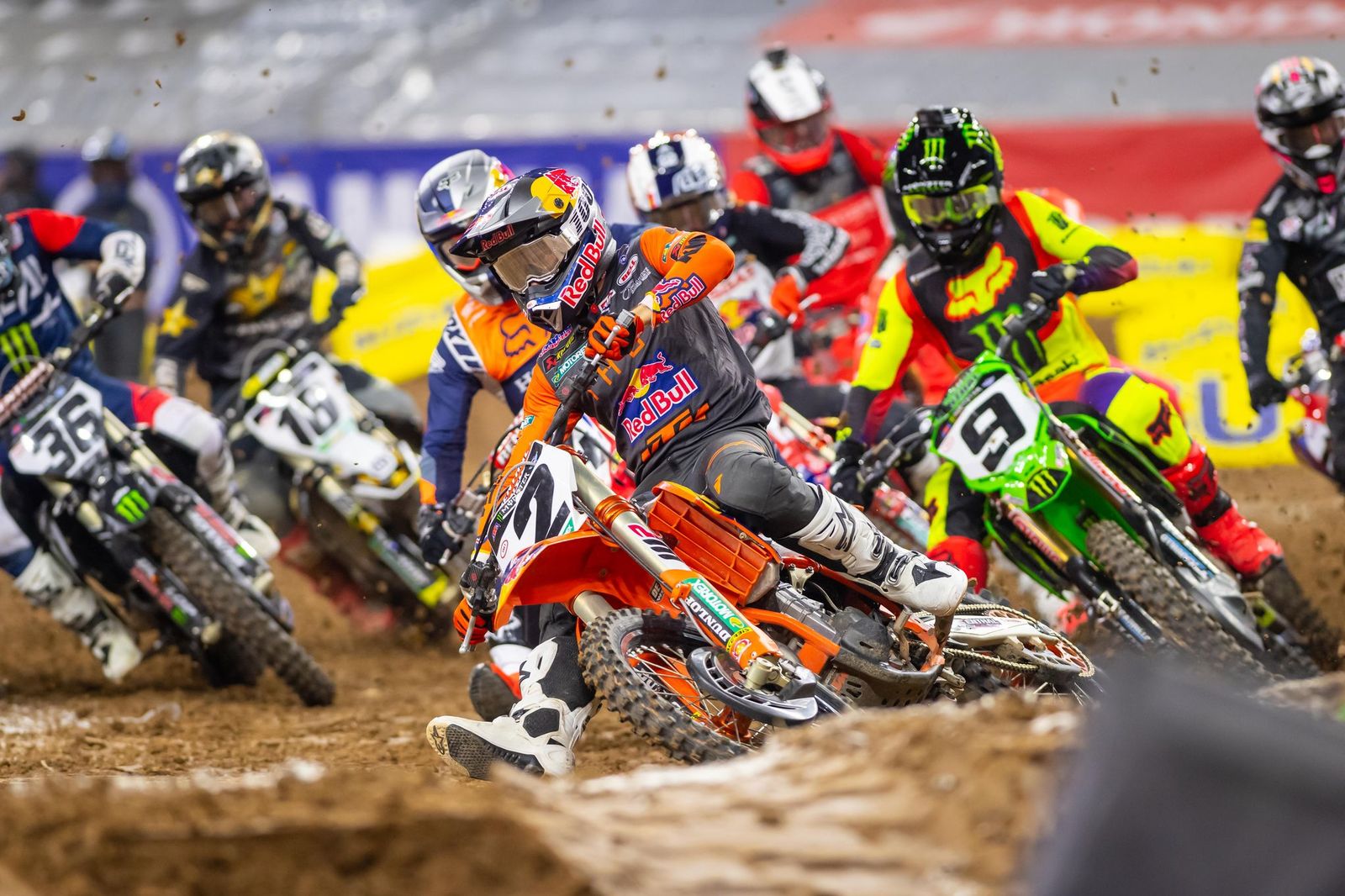
Supercross, by contrast, positions itself as a high-octane, meticulously engineered spectacle tailored for the modern entertainment market. Its brand identity is sleek, dynamic, and stadium-centric, emphasizing precision, aggression, and acrobatic prowess within a controlled environment. The Supercross brand is about bringing the intensity of dirt bike racing to a condensed, predictable, and highly watchable format. Races are held in professional sports stadiums, primarily during the winter and spring months, transforming football or baseball fields into elaborate, purpose-built dirt arenas.
The tracks are designed with a focus on rhythm sections, triple jumps, whoops, and tight turns, demanding extreme technical skill and bravery. This controlled environment allows for consistent track conditions, which is a key part of its brand promise: predictable, intense action. The Supercross brand thrives on its ability to deliver constant drama, close-quarters racing, and aerial acrobatics that are easily digestible for television audiences and stadium attendees. The messaging centers on “edge-of-your-seat excitement,” “championship battles,” and “athletic daring.” This positioning attracts a broader audience, including those drawn to extreme sports, high-energy events, and a more polished, media-friendly presentation. The stadium setting provides an immersive experience with clear sightlines, giant screens, and pyrotechnics, all designed to amplify the brand’s theatrical appeal and create an unforgettable event for attendees. The bikes are showcased as precision instruments, enabling riders to perform seemingly impossible feats, which is central to the Supercross brand narrative.
Crafting Fan Engagement and Audience Demographics
The distinct brand identities of Motocross and Supercross naturally lead to different approaches in fan engagement and attract varying audience demographics. Each sport leverages its unique characteristics to build a loyal following and expand its reach.
Motocross: Authentic Roots and Grassroots Appeal
The Motocross brand fosters a deep, almost familial, connection with its fanbase, rooted in authenticity and a shared passion for the sport’s origins. Its grassroots appeal is a significant part of its brand equity. Fans are often riders themselves or have grown up around the sport, appreciating the nuanced challenges of natural terrain racing. This demographic values the raw, untamed nature of the sport, the physical endurance of the athletes, and the less commercialized, more traditional race day experience. Fan engagement strategies for Motocross often focus on accessibility to the paddock, allowing fans to get closer to the riders and teams, fostering a sense of community and direct connection.
The slower pace of some sections of the track and the longer race durations allow fans to absorb the atmosphere, walk the perimeter, and witness the battle unfold over time. The marketing for Motocross often highlights heritage, individual battles against adversity, and the journey of the athletes. Its outdoor, day-long events create an opportunity for family outings and a more relaxed social experience. The brand thrives on loyalty built through generations of fans who appreciate the purity of the sport and its connection to the open landscape.
Supercross: Mainstream Entertainment and High-Octane Thrills
Supercross, as a brand, excels at delivering a high-energy, spectator-friendly entertainment package designed to captivate a broader, more mainstream audience. Its fan engagement strategy is geared towards creating an exhilarating live event experience that transcends traditional motorsport fandom. The condensed track layout, fast-paced action, and stadium environment make Supercross highly digestible and exciting, even for those new to the sport. The demographic it attracts includes casual sports fans, families looking for a thrilling night out, and enthusiasts of extreme sports and live events.
Marketing efforts heavily emphasize the “show” aspect: pyrotechnics, dramatic introductions, live music, and constant on-track action. The stadium setting provides excellent visibility for all spectators, and the continuous commentary and giant screens ensure that even first-time attendees can follow the drama. The Supercross brand focuses on creating “wow” moments – spectacular jumps, close passes, and dramatic finishes – which are highly marketable and easily shared across social media, driving virality and broader appeal. Its prime-time television broadcasts and high production value further cement its status as a premium sports entertainment product, targeting a demographic that values instant gratification and a polished, dynamic spectacle.
Sponsorship Strategies and Commercial Appeal
The distinct brand positioning of Motocross and Supercross also dictates their unique sponsorship strategies and commercial appeal to corporate partners. Each sport offers different value propositions to brands looking to align themselves with motorsports.
Leveraging Natural Terrains vs. Engineered Courses
Motocross’s commercial appeal lies in its rugged, authentic brand image, offering sponsors a connection to durability, performance under challenging conditions, and a traditional, loyal fanbase. Sponsors for Motocross events and teams often include brands associated with outdoor lifestyles, heavy-duty equipment, tires, lubricants, and apparel that emphasize resilience and performance in demanding environments. The extended outdoor season and varied locations provide opportunities for regional marketing and deeper community engagement. The brand narrative for sponsors often revolves around testing limits and embracing the elements, aligning with products that promise robustness and reliability. Commercial opportunities extend to trackside branding in natural settings, creating a less intrusive, more organic brand presence that resonates with the sport’s core identity. The long-standing history of the sport provides a stable platform for brands seeking to associate with heritage and genuine passion.
Supercross, conversely, leverages its polished, high-impact entertainment brand to attract a different caliber of sponsors. Its commercial appeal is rooted in its ability to deliver a massive, captive audience in a controlled stadium environment, combined with extensive television exposure. Sponsors often include major beverage companies, energy drink brands, automotive manufacturers, telecommunications providers, and consumer electronics companies – brands seeking high visibility, youth appeal, and association with speed, excitement, and cutting-edge performance. The stadium setting allows for extensive branding opportunities: trackside banners, large-scale video board advertisements, interactive fan zones, and experiential marketing activations that are precisely controlled and highly visible. The prime-time broadcast slots on major networks provide a powerful platform for national and international brand exposure. The Supercross brand promises sponsors a dynamic, visually appealing platform to reach a broad demographic, associating their products with the thrill, precision, and star power of the sport. The consistent schedule and predictable event structure also offer ease of planning for large-scale marketing campaigns.
Athlete Branding and Professional Trajectories
The unique demands and brand identities of Motocross and Supercross significantly influence the branding and professional trajectories of the athletes who compete in them. Riders must adapt their skills, public persona, and career paths to excel within each discipline’s distinct framework.
Developing Versatility and Enduring Resilience
Athletes who brand themselves as Motocross specialists are often celebrated for their all-around riding prowess, endurance, and ability to conquer diverse conditions. Their professional trajectory typically involves extensive training in varied outdoor settings, developing the physical and mental fortitude required for longer motos and unpredictable terrain. The personal brand of a Motocross rider often emphasizes grit, determination, and a deep connection to the sport’s traditional roots. They are seen as versatile athletes, capable of adapting to mud, dust, hard-packed earth, and loose sand. Their marketability to sponsors often stems from their image as “true riders” who embody the rugged spirit of the sport. Endurance and consistent performance over a full outdoor season are key markers of success, contributing to a brand image of sustained excellence rather than explosive, short-burst spectacle. Their fan engagement often involves more intimate interactions at outdoor venues, fostering a loyal following that appreciates the authentic athlete journey.
Cultivating Star Power and Media Presence
Supercross athletes, on the other hand, often cultivate a personal brand built on explosiveness, precision, and a strong media presence. Their professional trajectory is geared towards mastering the intricate, challenging, and repetitive nature of engineered stadium tracks. The focus is on perfect execution of complex jump combinations, aggressive cornering, and the ability to perform under intense pressure in front of large crowds and television cameras. The personal brand of a Supercross rider frequently emphasizes athleticism, showmanship, and a competitive drive for victory in a high-stakes, prime-time environment. Their marketability is boosted by their ability to consistently deliver thrilling performances and by their visibility in a highly publicized, media-rich setting. The shorter races and dramatic aerial maneuvers provide abundant opportunities for highlight reels and viral content, allowing riders to quickly build widespread recognition and a strong social media following. The “star power” of Supercross riders is a significant asset, attracting a broader audience and making them appealing spokespeople for major brands looking for charismatic, high-profile ambassadors.
The Evolution of Two Motorsport Brands
Motocross and Supercross, while sharing a common heritage in dirt bike racing, have successfully evolved into two distinct motorsport brands, each with a unique identity, target audience, and commercial strategy. Motocross retains its brand as the authentic, rugged, outdoor test of endurance, appealing to purists and those who appreciate the raw challenge of nature. Supercross has perfected its brand as the polished, high-energy arena spectacle, attracting a broader, entertainment-seeking demographic with its precision, drama, and media-friendly format. This careful differentiation has allowed both disciplines to thrive, catering to diverse preferences within the motorsport community and offering distinct value propositions to fans, athletes, and sponsors alike. Their continued growth is a testament to the power of defining and nurturing unique brand identities in a competitive entertainment landscape.
aViewFromTheCave is a participant in the Amazon Services LLC Associates Program, an affiliate advertising program designed to provide a means for sites to earn advertising fees by advertising and linking to Amazon.com. Amazon, the Amazon logo, AmazonSupply, and the AmazonSupply logo are trademarks of Amazon.com, Inc. or its affiliates. As an Amazon Associate we earn affiliate commissions from qualifying purchases.