
In the modern global marketplace, a product is no longer defined solely by its ingredients or its utility. It is defined by the values it represents, the transparency of its supply chain, and the third-party endorsements that validate its claims. For brand strategists, marketing executives, and entrepreneurs, understanding the distinction between Kosher and Halal certifications is not merely a matter of religious literacy; it is a vital component of market entry, consumer trust, and corporate identity.
As dietary preferences shift toward “clean labels,” ethical sourcing, and rigorous oversight, these two ancient systems of dietary laws have evolved into some of the most influential “trust marks” in the world. Together, they represent trillions of dollars in global purchasing power. While they share common roots and some overlapping practices, the strategic implications of pursuing one over the other—or both—can determine a brand’s success in diverse international markets.

Understanding the Core Identity: Religious Frameworks as Brand Standards
To appreciate the difference between Kosher and Halal from a brand perspective, one must first understand their origins. Both are comprehensive systems of living that dictate not just what can be eaten, but how food is handled, processed, and verified.
The Kosher Brand: A Legacy of Rigorous Oversight
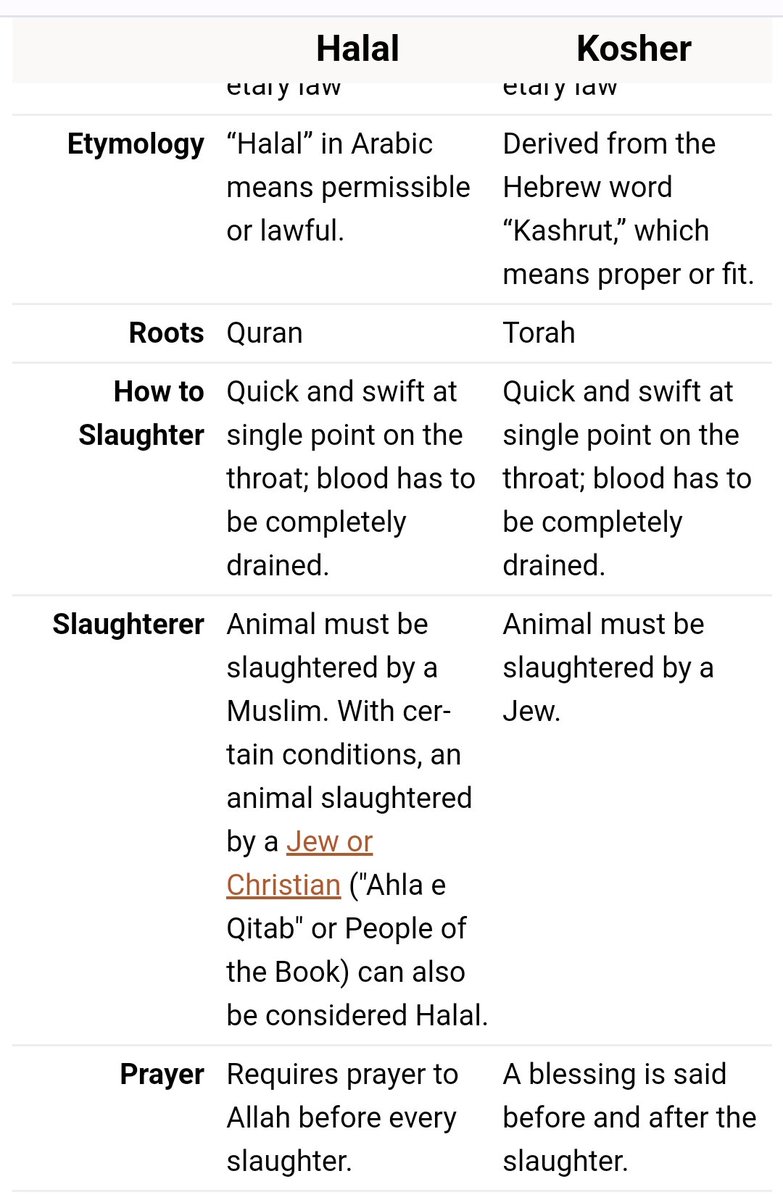
Kosher (Kashrut) is the body of Jewish law dealing with food. For a brand, the “K” or “U” (the most common symbols) signifies that the product has undergone a specific set of inspections. The focus of the Kosher brand identity is often centered on the separation of categories—specifically the strict separation of meat and dairy—and the prohibition of certain animals.
From a brand strategy standpoint, Kosher has long been associated in the North American market with high quality and safety. Many non-Jewish consumers seek out Kosher-certified products because they perceive the oversight of a Rabbi or a certification agency as an extra layer of quality control that exceeds standard government regulations.
The Halal Identity: Tapping into the World’s Fastest-Growing Consumer Base
Halal is an Arabic term meaning “permissible.” It refers to the dietary laws derived from the Quran and the Sunnah. Unlike Kosher, which is often perceived through a lens of quality control in Western markets, Halal is intrinsically tied to a global lifestyle and a rapidly expanding demographic.
The Halal brand identity is holistic. It covers not just the absence of prohibited substances like pork and alcohol, but also the method of slaughter (Zabiha) and the ethical treatment of animals. For brands looking to enter markets in Southeast Asia, the Middle East, and growing communities in Europe and North America, Halal certification is the primary gatekeeper for brand loyalty.
Technical Nuances: The Strategic Divergence in Production and Compliance
While many brands assume that Kosher and Halal are interchangeable, the technical differences in compliance can have significant impacts on manufacturing costs and supply chain management.
Alcohol and Fermentation
One of the most critical differences for brand manufacturers is the treatment of alcohol. In Halal certification, the presence of alcohol—even as a processing aid or a carrier for flavorings—is generally prohibited or strictly limited to very low percentages depending on the certifying body. In contrast, many Kosher standards allow for the use of alcohol, provided it is not derived from grapes (which would require specific Kosher-for-Passover or Kosher wine oversight).
For a brand producing beverages, confectionery, or perfumes, this distinction is vital. A product may be Kosher-certified while still being prohibited for Halal consumers due to its ethanol content.
The Meat and Poultry Supply Chain
The slaughtering processes for both certifications require specific rituals, but the requirements differ. Halal requires the pronouncement of the name of God (Tasmiya) over each animal, and the slaughter must be performed by a Muslim. Kosher requires the slaughter to be performed by a Shochet (a specially trained Jew), using a specific, razor-sharp knife to ensure an instantaneous death.
Furthermore, Kosher laws include “Gid Hanasheh” (the removal of the sciatic nerve), which is a labor-intensive process that often leads to only the forequarters of the animal being sold as Kosher in many Western markets. Halal does not have this specific requirement, allowing for a broader use of the animal.
Oversight and Labeling
The “brand” of the certifier matters. In the Kosher world, the “Big Five” agencies (OU, OK, Kof-K, Star-K, and CRC) carry massive brand equity. In the Halal world, certification is often more fragmented, frequently tied to national standards (such as JAKIM in Malaysia or MUI in Indonesia). For a corporate entity, choosing the right certifying partner is a strategic decision that affects how the brand is perceived in specific geographic regions.
The “Clean Label” Advantage: Leveraging Certification for Mass Market Appeal
A significant trend in modern branding is the “Silent Benefactor” effect. This occurs when a brand adopts a certification for a specific religious demographic but finds that its largest growth comes from the general public who view the certification as a proxy for “cleaner” or “safer” food.
Quality Assurance as a Marketing Tool
In an era of frequent food recalls and skepticism toward industrial food processing, the Kosher and Halal stamps serve as a visual shorthand for “vetted.” When a brand displays a Kosher symbol, it communicates to the vegan or lactose-intolerant consumer that the product is “Pareve” (neutral), meaning it contains no meat or dairy. This transparency is a powerful tool for building personal brand trust without alienating the secular consumer.
Ethical and Humane Branding
Halal certification is increasingly being marketed alongside “Ethical Sourcing” and “Animal Welfare” narratives. Because the Halal process emphasizes the health of the animal and its treatment prior to slaughter, brands are beginning to use Halal certification to bolster their Corporate Social Responsibility (CSR) profiles. This aligns the brand with the growing “conscious consumerism” movement, which transcends religious boundaries.
Global Market Strategy: Navigating the Economic Opportunity of Dietary Compliance
The financial implications of these certifications are staggering. The global Halal market is projected to reach over $3 trillion in the coming years, while the Kosher market remains a dominant force in the high-spend North American retail sector.
Market Entry and Barrier Reduction
For a brand looking to scale, certification is often the “key” to a locked room. In many Gulf Cooperation Council (GCC) countries, Halal certification is a mandatory requirement for import. Without it, the brand simply does not exist in that market.
Similarly, in the United States, major retailers like Costco and Walmart prioritize Kosher-certified products in their grocery aisles because it simplifies inventory management. A single Kosher-certified product can serve the Jewish community, the Muslim community (if alcohol-free), vegetarians, and the general public, providing a higher “velocity” per square foot of shelf space.
The Premium Positioning
Products that carry both Kosher and Halal certifications are often perceived as “ultra-premium.” This dual certification suggests a brand that is meticulously managed and committed to the highest standards of global compliance. This positioning allows for higher price points and better margins, as the consumer perceives a higher value in the “double-vetting” process.
Implementation and Corporate Identity: Integrating Certification into the Supply Chain
Adopting Kosher or Halal standards is not a superficial marketing move; it requires a deep integration into the brand’s corporate identity and operational DNA.
Operational Transparency
To achieve certification, a brand must open its doors to auditors. This level of transparency often leads to better internal processes. When a brand understands every single sub-ingredient from every supplier—down to the lubricants used on the machines—it gains a level of supply chain visibility that is highly attractive to investors and ESG (Environmental, Social, and Governance) evaluators.
Designing the Brand Narrative
When a brand decides to seek certification, the marketing team must decide how to weave this into the brand story. Should the certification be a prominent feature of the packaging (front-of-pack), or a subtle validation on the back?
In the case of “Natural” or “Organic” brands, Halal and Kosher certifications serve as reinforcements of the “Purity” narrative. For “Tech-Forward” or “Lab-Grown” food companies, these certifications are essential for humanizing the science and making it acceptable to traditional cultures.
Cross-Cultural Intelligence
The ultimate difference between Kosher and Halal, from a brand perspective, is the cultural space they inhabit. Kosher branding is often associated with tradition, reliability, and the “Gold Standard” of food safety in the West. Halal branding is associated with global community, ethical lifestyle, and the economic future of the emerging middle class in the East.
Brands that master the nuances of both are positioned to lead in a fragmented world. They demonstrate cultural intelligence—the ability to respect specific dietary boundaries while creating a universal product. By understanding that Kosher and Halal are not just sets of rules, but powerful brand assets, companies can unlock new levels of consumer loyalty and global reach.
aViewFromTheCave is a participant in the Amazon Services LLC Associates Program, an affiliate advertising program designed to provide a means for sites to earn advertising fees by advertising and linking to Amazon.com. Amazon, the Amazon logo, AmazonSupply, and the AmazonSupply logo are trademarks of Amazon.com, Inc. or its affiliates. As an Amazon Associate we earn affiliate commissions from qualifying purchases.