
The decision of which mattress size to invest in, particularly when considering the larger options like a standard King or a California King, is more than just a matter of personal preference for space. It’s a significant financial commitment that can impact your budget, your bedroom’s utility, and even future housing decisions. Understanding the nuanced differences between these two popular oversized beds is crucial for making an informed purchase that aligns with your financial goals and lifestyle. This isn’t just about sleeping better; it’s about investing wisely in a core piece of home furnishing.
Understanding the Investment: Dimensions and Their Financial Ramifications
When comparing a standard King size bed to a California King, the primary distinction lies in their dimensions. This difference, though seemingly minor, has tangible financial consequences that extend beyond the initial purchase price of the mattress and frame.
Standard King: The Widest Option
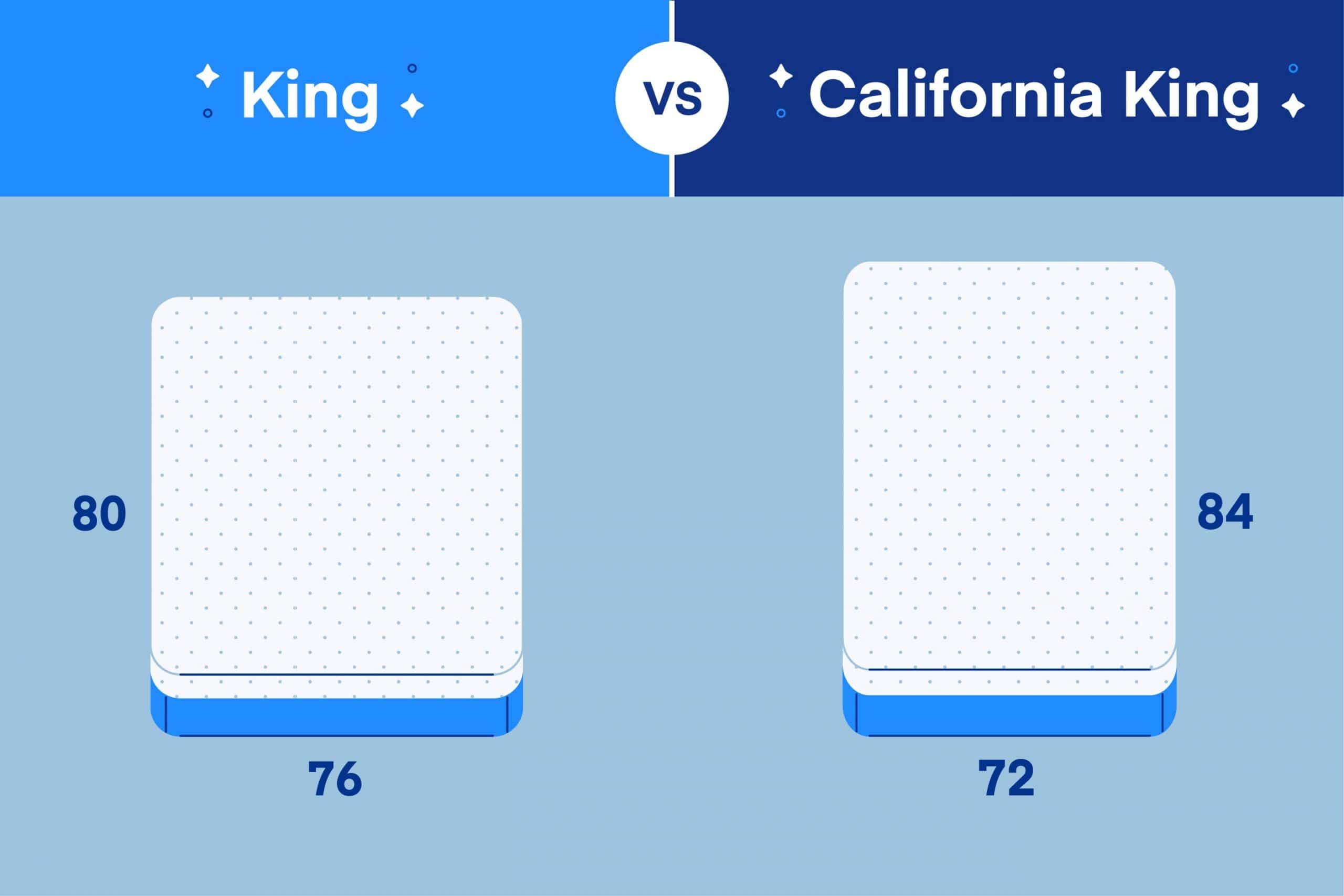
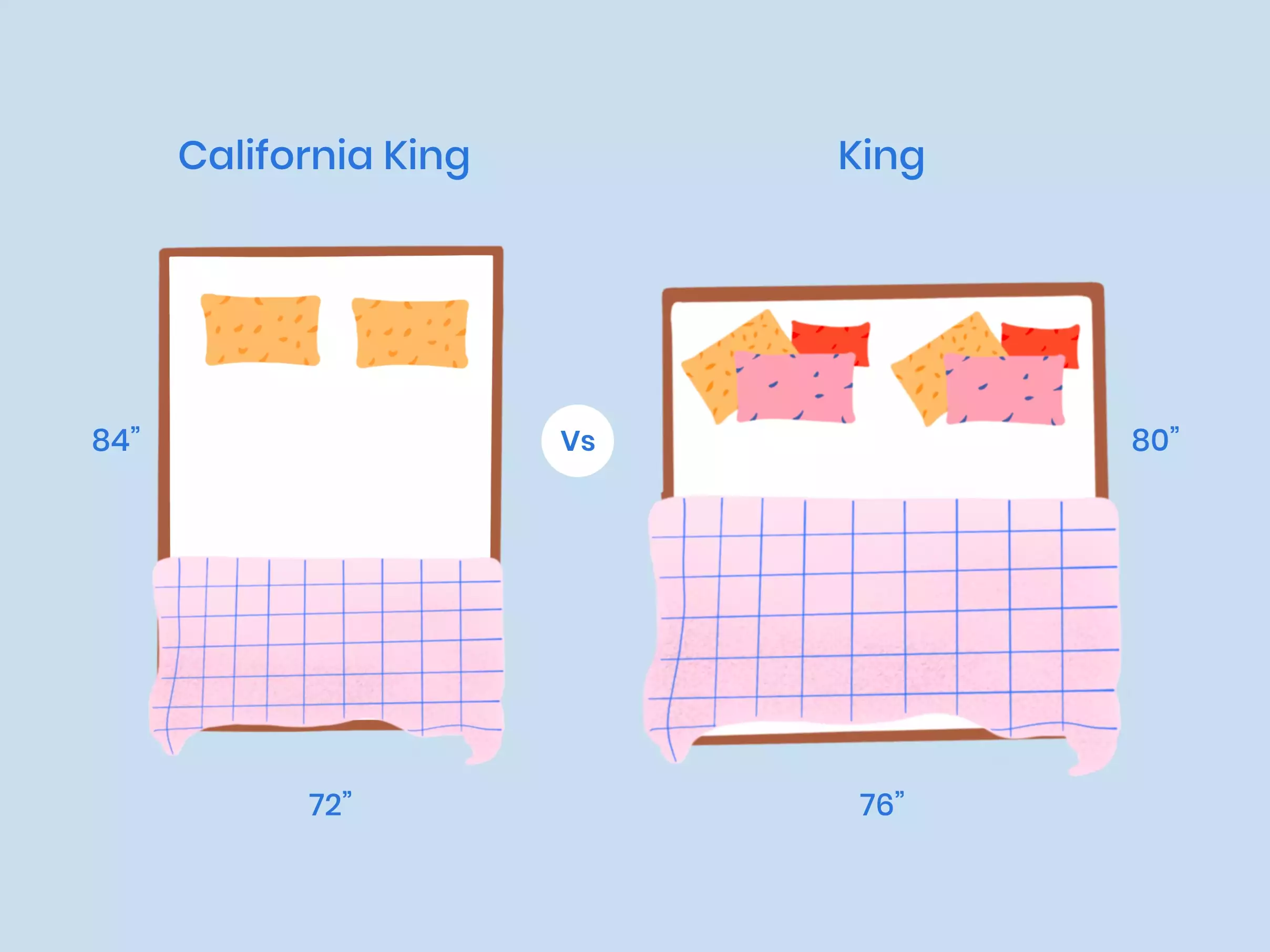
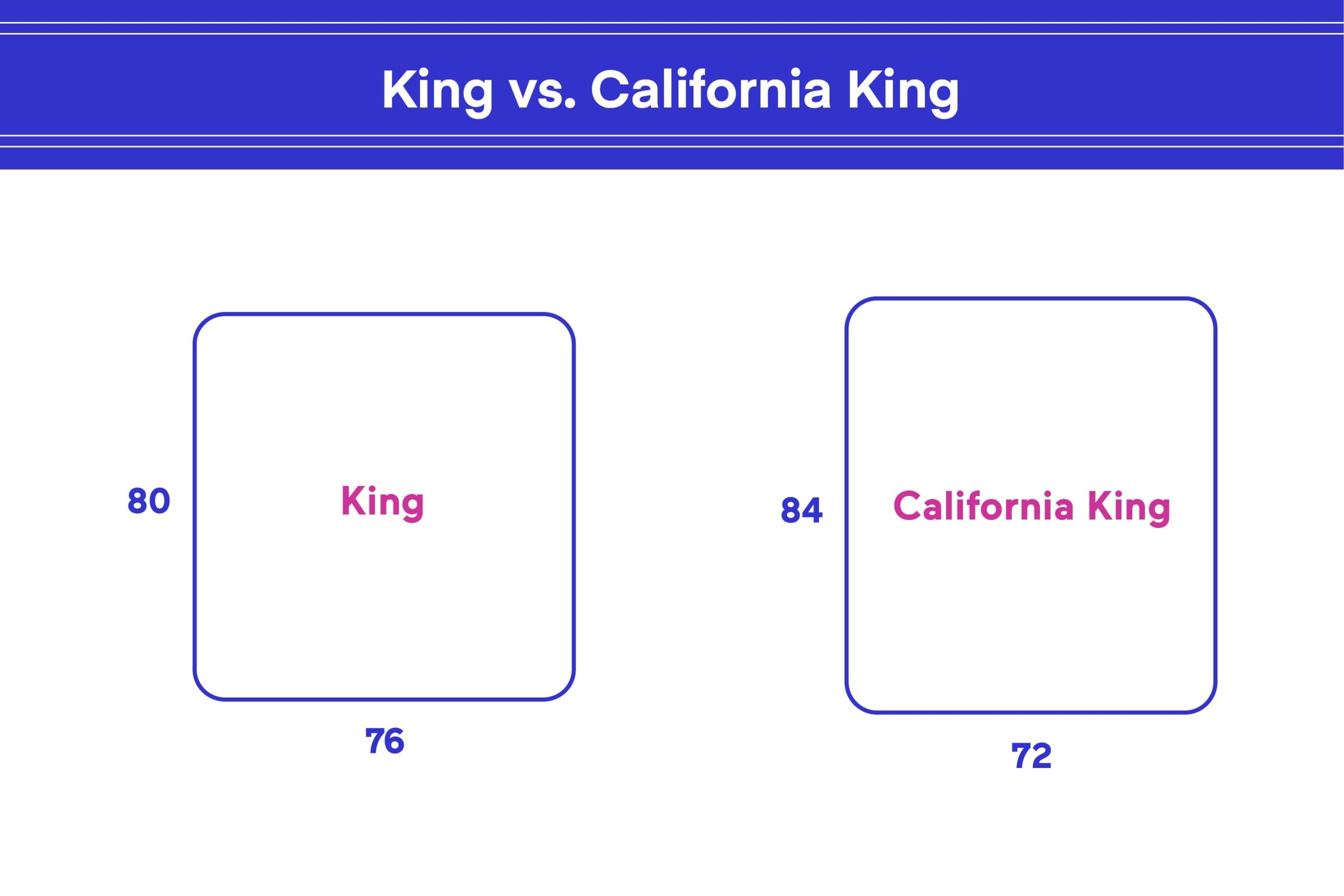
A standard King size bed, often referred to as an Eastern King, measures approximately 76 inches wide by 80 inches long. This generous width makes it the ideal choice for couples who prioritize having ample personal space within the bed itself. The extra width can significantly enhance comfort and reduce disturbances from a partner’s movements.
Financially, this width translates into several considerations. The mattress itself will typically be more expensive than smaller sizes due to the increased material. Furthermore, bedding – sheets, duvets, comforters, and decorative pillows – for a standard King are also often priced at a premium. Retailers recognize that this size is a significant investment, and consequently, the cost of accessories can add up. Beyond the immediate bedroom, a standard King bed demands a substantial footprint in your room. This means you’ll need a larger bedroom to accommodate it comfortably, without making the space feel cramped. If you are planning a home purchase or renovation, the size of your master bedroom might be influenced by the desire to fit a standard King, potentially impacting the overall valuation and marketability of your property.
California King: The Longest Option
In contrast, a California King bed measures approximately 72 inches wide by 84 inches long. The key difference is its narrower width but greater length. This design is particularly well-suited for taller individuals or couples where one or both partners are significantly taller than average, ensuring their feet don’t hang off the edge of the bed. The extra four inches in length can make a substantial difference in sleeping comfort for those who need it.
From a financial standpoint, the California King presents a slightly different cost profile. While it is narrower, the increased length can sometimes lead to a comparable or even slightly higher price point for the mattress itself, depending on the manufacturer and materials. The cost of bedding can be quite similar to a standard King, with specialized sheets and blankets sometimes commanding a slight premium due to their less common dimensions compared to standard Queen or Full sizes. However, the primary financial implication of a California King is its specific spatial requirement. Its longer, narrower profile might fit better into certain room shapes where a standard King would be too wide. This can be a critical factor in smaller, more rectangular bedrooms, potentially allowing you to maximize floor space for other furniture or movement. For those who rent or are considering selling their homes, understanding how a California King impacts room flow and perceived space can be a subtle yet important financial consideration, as it can influence how a potential buyer or renter views the usability of the bedroom.
Economic Factors: Beyond the Price Tag
The cost of a King versus a California King bed extends beyond the initial purchase. Several economic factors come into play, influencing your long-term financial planning and the overall value of your investment.
Budgeting for the Big Purchase
The upfront cost of a King or California King mattress and frame is a significant outlay. Generally, mattresses of these sizes will be among the most expensive options available. Prices can range from several hundred dollars for basic models to several thousand for premium, high-density foam, hybrid, or luxury innerspring options. A new mattress is an investment in your health and well-being, and opting for a larger size inherently increases this investment.
When budgeting, it’s crucial to consider the entire ensemble:
- Mattress: This will be the largest single expense. Prices vary dramatically based on brand, materials (memory foam, latex, hybrid, innerspring), and features (cooling technology, motion isolation, edge support).
- Frame/Box Spring/Foundation: A larger bed requires a robust support system. Frames for King and California King beds are more substantial and thus more expensive than those for smaller sizes. You’ll need to factor in the cost of a strong, durable frame that can properly support the weight and dimensions of your chosen mattress.
- Bedding: As mentioned, sheets, duvets, comforters, and mattress protectors for these sizes are specialized and tend to be more costly. Investing in high-quality bedding can enhance comfort and longevity, but it adds to the overall expenditure. Think about a full set – fitted sheet, flat sheet, pillowcases, duvet cover, and a comforter or quilt.
- Delivery and Assembly: For large items like these, delivery fees can be substantial, especially if white-glove service (professional setup) is included. Assembly of a King or California King bed frame can also be complex, sometimes requiring professional help, which incurs an additional cost.
When deciding between a King and a California King, your budget should be able to accommodate the slightly different pricing structures for mattresses and bedding, as well as the potentially more robust and costly frame needed for the larger dimensions. It’s wise to shop around, compare prices from different retailers, and look for sales or discounts, as these larger purchases represent a significant portion of a home furnishing budget.
Long-Term Value and Resale Potential
The long-term value of your bed purchase is also a consideration. A high-quality mattress, regardless of size, should provide comfort and support for 7-10 years, or even longer with proper care. This makes it a durable good, an investment in your daily life. The choice between a King and California King can indirectly impact long-term financial considerations related to housing.
If you envision yourself moving in the next few years, consider how your chosen bed size will fit into potential future homes. A standard King’s width might be ideal for a spacious master suite, but could overwhelm a smaller, more conventionally sized bedroom. Conversely, a California King’s length might be perfect for a long room but could feel narrower than desired in a very wide master bedroom. If your primary goal is to maximize perceived space and comfort for a wide range of potential buyers or renters, understanding which bed size better suits common room layouts can be a subtle advantage.
Furthermore, a well-maintained, high-quality King or California King bed can be a selling point in a home. Buyers often look for master bedrooms that can accommodate large beds comfortably. If your home has a master bedroom that perfectly fits a standard King without feeling cramped, that’s a plus. If it has a longer, narrower room that accommodates a California King optimally, that too is a positive feature. The investment in a premium mattress and frame can contribute to the overall perceived value and desirability of your home. Therefore, making an informed choice based on both your current needs and potential future housing scenarios can offer a better long-term financial return.
Strategic Considerations: Optimizing Your Space and Budget
Choosing between a King and California King isn’t just about inches; it’s about strategic decisions that optimize your living space and your financial resources. The impact on room layout, accessibility, and even your broader financial planning are important to assess.
Room Layout and Flow: Maximizing Usability
The physical dimensions of your bedroom are a primary constraint and opportunity when selecting a bed. A standard King, with its 76-inch width, requires a room that can comfortably accommodate its breadth without making it difficult to navigate. Typically, a master bedroom of at least 12 feet by 12 feet is recommended for a standard King, with larger rooms (13 feet by 13 feet or more) offering better flow and space for additional furniture like nightstands, dressers, or seating areas. If your bedroom is wider than it is long, a standard King might be a better fit.
A California King, at 72 inches wide and 84 inches long, is narrower but longer. This makes it a better option for rooms that are longer and narrower. For example, a room that is 10 feet wide by 14 feet long might feel more balanced with a California King than a standard King, which could dominate the width of the room. The extra length of the California King can be beneficial in rooms with deep closets or an alcove that can accommodate the longer headboard. The financial implication here is about maximizing the utility and perceived spaciousness of your bedroom. A well-proportioned bed makes a room feel more luxurious and livable, which can indirectly impact your enjoyment of your home and, in the long term, its potential resale value. Paying attention to room dimensions and how each bed size will interact with that space can prevent costly mistakes, such as buying a bed that makes your room feel claustrophobic or unusable.
Accessories and Ongoing Costs
Beyond the initial purchase, the ongoing costs associated with King and California King beds warrant careful consideration. While the mattresses themselves might have similar price ranges, the accessories can present subtle financial differences.
- Bedding: As previously noted, bedding for both sizes is generally more expensive than for Queen or Full beds. However, the availability of standard bedding sizes can sometimes make finding deals easier for a standard King, as it is a more common configuration. California King bedding, while readily available from specialty retailers and online stores, might have slightly less variety in basic retail outlets, and unique patterns or designer collections could carry a higher price tag. It’s advisable to compare prices for fitted sheets, flat sheets, duvet covers, and mattress protectors specifically for both sizes before committing.
- Bedding Sets: When purchasing complete bedding sets (which often include sheets, pillowcases, and a comforter or duvet), the pricing can be quite similar between the two sizes. However, it’s always wise to check individual components if you plan to mix and match.
- Mattress Protectors and Toppers: Similar to bedding, these accessories will need to be sized appropriately. While the cost difference might be marginal, the principle of ensuring you’re factoring in these ongoing expenses is important for comprehensive budgeting.
From a financial perspective, the goal is to minimize unexpected costs. By researching the availability and typical pricing of accessories for both King and California King beds in your preferred brands and styles, you can create a more accurate overall budget and avoid overspending on essential items down the line. This proactive approach ensures that your investment in a large bed doesn’t lead to hidden expenses that strain your finances.
In conclusion, the decision between a King size bed and a California King bed is a significant financial one. While both offer a luxurious sleeping experience, understanding their dimensional differences, the associated costs of purchase and accessories, and their impact on room layout and potential resale value is paramount. By approaching this decision with a clear financial perspective, you can make an investment that not only provides comfort but also aligns with your long-term economic planning and home enjoyment.
aViewFromTheCave is a participant in the Amazon Services LLC Associates Program, an affiliate advertising program designed to provide a means for sites to earn advertising fees by advertising and linking to Amazon.com. Amazon, the Amazon logo, AmazonSupply, and the AmazonSupply logo are trademarks of Amazon.com, Inc. or its affiliates. As an Amazon Associate we earn affiliate commissions from qualifying purchases.