
In the intricate world of branding, every word carries weight. A brand’s identity is not solely sculpted by its logo or product offerings, but profoundly by the language it employs to connect with its audience. Amidst the myriad choices in vocabulary, some distinctions, seemingly minor, can hold significant sway over perception and message clarity. One such nuanced pair often causing confusion is “affect” and “effect.” While easily conflated, mastering their precise usage is not merely an exercise in grammatical correctness; it is a strategic imperative for any brand striving for clarity, credibility, and compelling communication.
For brands, communication isn’t just about conveying information; it’s about building relationships, shaping perceptions, and inspiring action. Misusing “affect” and “effect” can introduce ambiguity, undermine authority, and subtly erode the trust a brand works tirelessly to establish. This article will delve into the critical distinction between these two terms, exploring why this linguistic precision is paramount for effective brand strategy, marketing, and the overall articulation of a brand’s unique voice and value. Understanding when to use each word correctly empowers brands to craft messages that resonate with clarity, professionalism, and undeniable impact.
The Imperative of Linguistic Precision in Branding
In an age saturated with information and fleeting attention spans, a brand’s ability to communicate with absolute clarity and precision is not a luxury, but a fundamental necessity. Every press release, marketing campaign, social media post, and internal memo contributes to the overarching brand narrative. Linguistic exactitude, therefore, isn’t just about adherence to grammatical rules; it’s about safeguarding brand integrity, fostering trust, and ensuring that strategic messages land with their intended force.
Building Trust and Credibility Through Clarity
Trust is the bedrock of any successful brand-consumer relationship. When a brand consistently communicates with clarity and accuracy, it subtly reinforces its reliability and expertise. Grammatical errors or the misuse of terms like “affect” and “effect” might seem trivial, but they can subtly chip away at this foundation. A consumer might subconsciously perceive a brand that struggles with basic language as less meticulous, less professional, or even less competent in its core offerings. This isn’t about being pedantic; it’s about recognizing that every touchpoint shapes perception. Professionalism in language signals attention to detail, a quality highly valued by consumers. It indicates that if a brand takes such care with its words, it likely applies the same rigor to its products, services, and overall operations. This subconscious impact of language on brand perception cannot be overstated. When a brand’s messaging is consistently polished and correct, it speaks volumes about its commitment to excellence, thereby building a robust reservoir of trust and enhancing its credibility in a competitive marketplace. It tells the audience, “We know what we’re talking about, and we care enough to say it precisely.”
Avoiding Misinterpretation and Brand Damage
Beyond building trust, linguistic precision is a critical defense against misinterpretation – a potentially catastrophic pitfall for brands. The difference between “affect” and “effect” can be the difference between describing an influence and describing a consequence. Imagine a marketing campaign promising that a new product will “affect positive results” instead of “effect positive results.” While subtle, the former suggests the product merely influences the outcome, while the latter clearly states it brings about the outcome. Such ambiguities, especially in legal disclosures, product benefits, or public relations statements, can lead to consumer confusion, unmet expectations, and ultimately, reputational damage. In a crisis, a poorly worded statement using the wrong term could inadvertently escalate panic or misrepresent a brand’s stance, costing millions in damage control and lost market share. Maintaining a consistent and accurate brand voice across all platforms, from website copy to customer service scripts, ensures that the brand’s intended message is conveyed uniformly and unequivocally. This meticulous approach to language acts as a protective shield, preserving the brand’s integrity and preventing costly linguistic missteps that could otherwise undermine its strategic objectives and long-term viability.
Unpacking “Affect”: The Verb of Influence and Impact
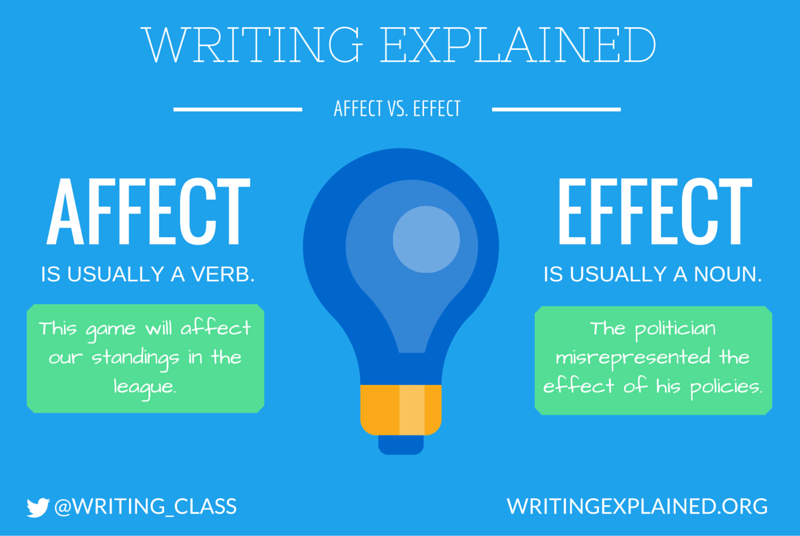
When navigating the nuances of language, “affect” is most commonly encountered as a verb, signifying an action or an influence. Understanding this primary function is crucial for brands looking to describe dynamic processes, changes, or the impact of their actions on various stakeholders and market conditions. Its role as an active word makes it indispensable for communicating how a brand does something or how something happens to a brand.
“Affect” as a Verb: To Influence or Change
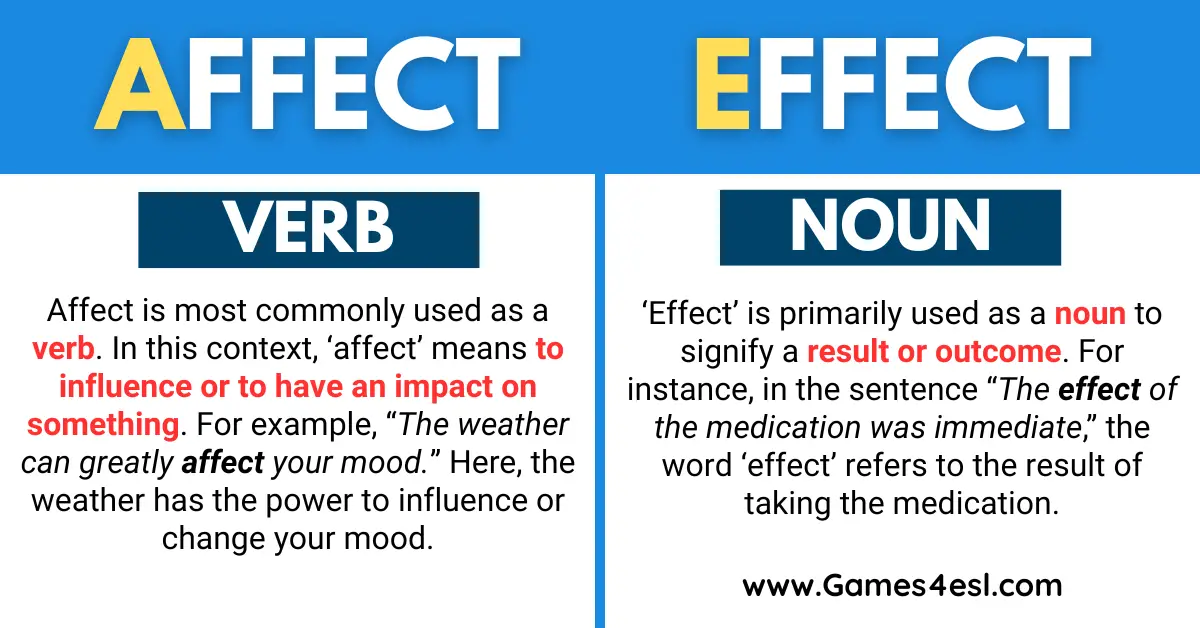
At its core, “affect” means to produce a change in something or to influence it. It describes the act of impacting or modifying. In the context of branding and business, this usage is incredibly prevalent. For instance, a new marketing strategy doesn’t have sales; it affects sales by influencing consumer behavior. A CEO’s public statement doesn’t are public opinion; it affects public opinion by shaping perceptions. Consider these brand-centric examples:
- “The recent data breach significantly affected customer trust and loyalty.” (The breach influenced customer trust.)
- “Our commitment to sustainability positively affects our brand image among eco-conscious consumers.” (Sustainability influences brand image.)
- “How will the new regulations affect our product development timeline?” (The regulations will influence the timeline.)
- “The competitor’s aggressive pricing strategy is starting to affect our market share.” (The strategy is influencing market share.)
In each instance, “affect” describes an ongoing action or a process of influence that brings about a change. It’s about cause, not consequence. Brands frequently use “affect” to discuss how their initiatives impact their audience, the market, or internal operations, emphasizing the dynamic nature of their engagement.
Nuances of “Affect” in Marketing and PR
Beyond its direct meaning of influence, “affect” can also touch upon emotional responses, particularly in marketing and public relations, though this is a less common direct usage of the word itself and more about the concept of emotional influence. For example, while you might say “the new ad campaign evokes strong emotions,” you could also argue that “the color scheme and music in the advertisement affect the viewer’s mood,” meaning they influence their emotional state. Understanding this emotional dimension is crucial for brand strategists who aim to craft messages that resonate deeply with their target audience.
In PR, analyzing how a news story affects a brand’s reputation involves understanding the influence the story has on public perception. A proactive PR campaign seeks to affect public sentiment positively, influencing how the brand is viewed during times of crisis or triumph. Similarly, in marketing, brands continually assess how different channels or content types affect engagement rates, conversion metrics, or brand recall. For example:
- “The brand’s empathetic response to the social issue aimed to affect a positive shift in public perception.”
- “User-generated content often affects purchasing decisions more powerfully than traditional advertising.”
These applications highlight that “affect” is a powerful verb for describing the active influence a brand exerts or experiences, providing a precise way to articulate the dynamic interplay between a brand and its environment.
Decoding “Effect”: The Noun of Consequence and Outcome
While “affect” primarily functions as a verb, “effect” is most commonly recognized as a noun, signifying the result, consequence, or outcome of an action or influence. This distinction is fundamental for brands that need to articulate results, measure impact, or describe the tangible consequences of their strategies and initiatives. Understanding “effect” allows brands to clearly state what happened because of something they did or something that affected them.
“Effect” as a Noun: The Result or Consequence
As a noun, “effect” refers to the observable change, outcome, or result brought about by an action or cause. It’s the “what happened” after something “affected” something else. This usage is vital for brand storytelling, reporting, and demonstrating ROI. When a brand launches a new product, for example, it’s interested in the effects it has on sales, market share, and brand perception.
Consider these examples demonstrating “effect” as a noun:
- “The new ad campaign had a significant positive effect on website traffic.” (Traffic increase was the result.)
- “What were the long-term effects of the rebrand on customer loyalty?” (Customer loyalty changes are the consequences.)
- “The brand’s transparency initiative had the desired effect of restoring consumer trust.” (Restored trust was the outcome.)
- “We are studying the ripple effects of our recent pricing adjustments across the market.” (Ripple changes are the consequences.)
In these instances, “effect” consistently describes the consequence or result, completing the cause-and-effect relationship where something affects something else, leading to a specific effect. For brands, precisely articulating these effects is crucial for proving success, learning from failures, and making data-driven decisions.
“Effect” as a Verb: To Bring About (Less Common but Important)

While “effect” primarily serves as a noun, it also has a less common but significant role as a verb. In this capacity, “to effect” means to bring about, make happen, or achieve something, often implying a deliberate initiation or realization of a change. This usage is distinct from “to affect,” which means to influence. When used as a verb, “effect” typically suggests a more definitive and often intentional act of producing a result.
For example, a company might “effect change” within its organizational structure, meaning it actively brings about that change. It’s not just influencing change; it’s making it happen.
Here are brand-centric examples of “effect” as a verb:
- “The new policy aims to effect a significant shift in corporate culture.” (To bring about a shift.)
- “Through targeted investments, we plan to effect a complete overhaul of our digital infrastructure.” (To bring about an overhaul.)
- “Our goal is to effect measurable improvements in customer satisfaction by year-end.” (To make improvements happen.)
This usage, though rarer, is powerful. It highlights a brand’s agency and its capacity to be a direct catalyst for specific outcomes. For communication strategists, knowing when to employ “effect” as a verb adds a layer of precision, conveying a stronger sense of deliberate action and accomplished outcome than “affect” would in the same context. It implies active creation or successful execution, rather than just influence.
Strategic Application: Leveraging Precision for Brand Impact
Mastering the distinction between “affect” and “effect” is more than a grammatical nicety; it’s a strategic tool for enhancing a brand’s communication power. When deployed with precision, these terms contribute to clearer messaging, more compelling narratives, and ultimately, a stronger brand presence. For brand professionals, this linguistic clarity is an asset that permeates every facet of communication.
Crafting Compelling Brand Narratives
A brand narrative is the story a brand tells about itself – its purpose, values, and impact. Understanding “affect” and “effect” allows brands to weave more nuanced and powerful narratives. A brand can articulate how its innovative products affect the daily lives of its customers (influence), and then highlight the positive effects (outcomes) those products create, such as increased efficiency or joy. This dual perspective enables richer storytelling. For instance, a sustainable brand can explain how its eco-friendly practices affect the environment (its influence on nature), and then detail the tangible positive effects of those practices, like reduced carbon footprint or cleaner water. This precision allows the brand to articulate both its proactive efforts and the measurable results, building a more credible and inspiring story that resonates deeply with conscious consumers.
Enhancing Marketing Copy and Messaging
In marketing, every word is a sales tool. Precise language ensures that benefits are clear, promises are understood, and calls to action are compelling. Using “affect” and “effect” correctly in taglines, ad copy, website content, and press releases eliminates ambiguity. A product that promises to “positively affect your workflow” (influence) is distinct from one that promises “the positive effects on your workflow” (results). The former emphasizes the ongoing influence, while the latter focuses on the tangible outcomes. When drafting calls to action, brands can guide consumers clearly: “Click here to see how our services affect your bottom line,” or “Experience the positive effects of our new solution.” This careful word choice reinforces professionalism and trust. Misuse, on the other hand, can create confusion about what a product does or what a customer can expect, leading to disappointment and a diminished brand experience.
Internal Communication and Brand Alignment
Linguistic precision isn’t just for external audiences; it’s equally critical within an organization. Consistent internal communication fosters a unified brand identity and ensures everyone is on the same page. When leaders discuss how new policies will affect employee morale, they are talking about influence. When they discuss the anticipated positive effects on productivity, they are talking about outcomes. This clarity ensures that internal messaging is unambiguous, reducing misunderstandings that can lead to operational inefficiencies or misalignment with brand values. A shared understanding of these terms ensures that all team members – from sales to customer service to product development – articulate the brand’s influence and impact consistently, reinforcing the brand’s message both internally and externally. This internal alignment is vital for translating brand strategy into consistent execution across all departments.
Brand Audits and Quality Control
Maintaining brand standards requires rigorous quality control, and this extends to linguistic accuracy. Regular brand audits should include a thorough review of all communications – marketing materials, website content, social media posts, public statements, and internal documents – to ensure grammatical precision, including the correct usage of “affect” and “effect.” Investing in professional copywriters and editors who possess a deep understanding of these distinctions is not an expense but a strategic investment. These experts act as guardians of the brand’s voice, ensuring that every piece of communication reflects the brand’s commitment to excellence and clarity. Their role is to catch subtle errors that could otherwise undermine credibility or introduce ambiguity, thereby protecting the brand’s reputation and ensuring its messages consistently resonate with professionalism and impact.
A Practical Guide for Brand Professionals
For brand professionals, the goal isn’t just to know the difference between “affect” and “effect” but to apply it consistently and effortlessly. Here are some practical tips to embed this precision into your daily communication strategy.
The “RAVEN” Mnemonic: A Simple Reminder
One of the most effective ways to remember the primary distinction is through a simple mnemonic: RAVEN.
- Remember
- Affect is a
- Verb
- Effect is a
- Noun
This quick mental check serves as a powerful reminder for the most common uses of the words. If you’re talking about an action or an influence, think “affect” (verb). If you’re talking about a result or consequence, think “effect” (noun). This simple rule covers the vast majority of situations you’ll encounter in brand communications. For the rarer verb usage of “effect” (to bring about), simply ask yourself: “Am I influencing something, or am I actively making it happen?” If it’s the latter, “effect” as a verb is appropriate.
Context is King
While mnemonics are helpful, context is always paramount. Before choosing between “affect” and “effect,” always consider the surrounding words and the intended meaning of your sentence.
- If you’re describing what something does or changes, you likely need the verb “affect.” (e.g., “The economic downturn affected our sales figures.”)
- If you’re describing the outcome or result of something, you likely need the noun “effect.” (e.g., “The economic downturn had a negative effect on our sales figures.”)
Practice by reviewing existing brand communications or even internal emails. Try to identify instances where one might be confused for the other. This active engagement with language in context will solidify your understanding and make the correct usage more intuitive. Analyzing how competitors or industry leaders use these words can also provide valuable insights into best practices within your niche.
The Value of Professional Editing
Even the most seasoned brand professionals can benefit from a second pair of eyes. When in doubt, or for critical communications, never hesitate to consult a professional editor or proofreader. These linguistic experts specialize in ensuring clarity, consistency, and correctness, safeguarding your brand’s message. The return on investment (ROI) of precise language in branding is immense. A perfectly crafted message avoids confusion, builds trust, and reinforces credibility, whereas a poorly worded one can lead to costly misinterpretations, reputational damage, and lost opportunities. Investing in professional editing is investing in your brand’s reputation and the effectiveness of its communication strategy. It’s a commitment to excellence that pays dividends in the form of clearer messaging, stronger brand perception, and ultimately, greater success in connecting with and influencing your target audience.
In the fast-paced world of branding, every detail matters. The seemingly subtle difference between “affect” and “effect” underscores a much larger principle: that linguistic precision is a strategic asset. By understanding and consistently applying these distinctions, brands can elevate their communication, build stronger connections with their audience, and project an image of professionalism and competence. It’s not just about getting it right; it’s about harnessing the power of language to clarify a brand’s influence and articulate its impact, thereby achieving greater effects by profoundly affecting its audience.
aViewFromTheCave is a participant in the Amazon Services LLC Associates Program, an affiliate advertising program designed to provide a means for sites to earn advertising fees by advertising and linking to Amazon.com. Amazon, the Amazon logo, AmazonSupply, and the AmazonSupply logo are trademarks of Amazon.com, Inc. or its affiliates. As an Amazon Associate we earn affiliate commissions from qualifying purchases.