
In the vast lexicon of medical terms, few create as much confusion as the seemingly distinct yet identical pair: ECG and EKG. For anyone who has ever encountered these acronyms – whether in a medical setting, while researching health trends, or even just seeing them pop up in the specifications of a new wearable gadget – the question inevitably arises: are they the same thing? And if so, why the two different names? The answer, as we will explore, is both simple and deeply rooted in linguistic history, yet understanding it opens the door to appreciating the sophisticated technology, financial implications, and evolving brand landscape surrounding one of medicine’s most vital diagnostic tools.
This article will not only demystify the ECG/EKG conundrum but will also delve into the technological advancements that have brought this essential cardiac monitoring from hospital settings to our wrists, the financial considerations for both individuals and businesses, and the crucial role of brand trust in the health tech sector.
The Core Revelation: A Tale of Two Acronyms, One Indispensable Device
At the heart of the confusion lies a simple linguistic twist. ECG and EKG refer to the exact same diagnostic procedure and the exact same graphical representation of your heart’s electrical activity. There is absolutely no difference in the test, the equipment used, or the information gathered.
Electrocardiogram (ECG): The English Standard
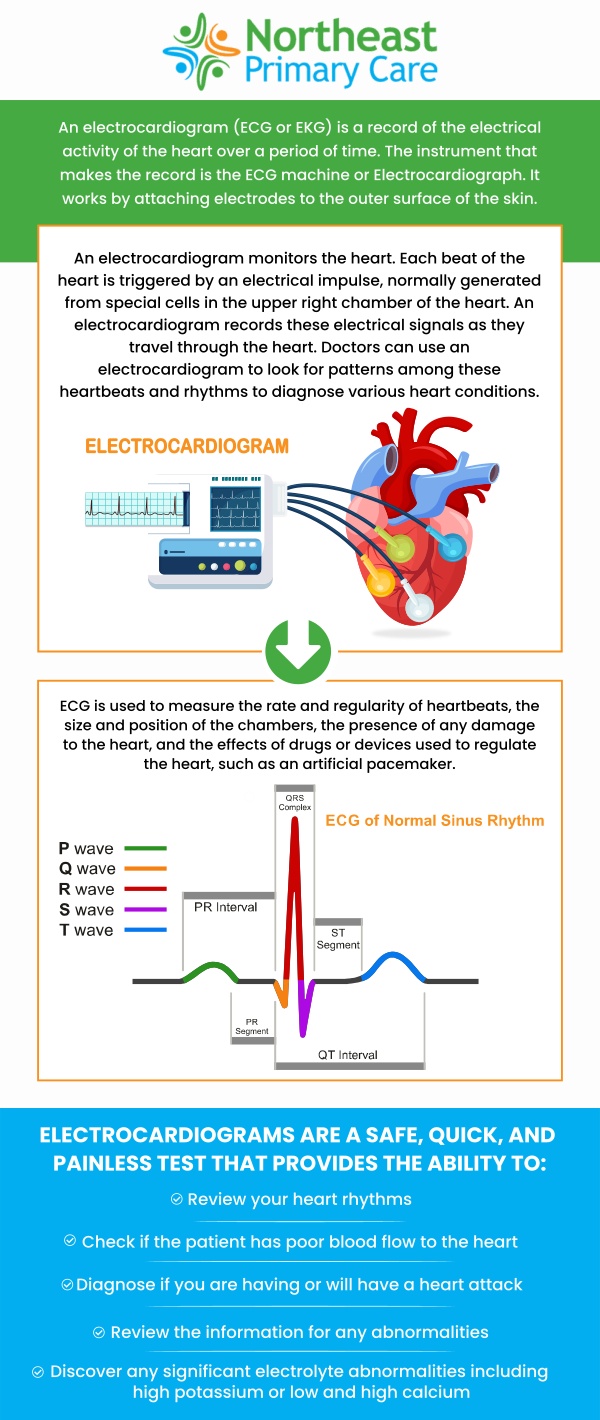
The acronym ECG stands for Electrocardiogram, which is the direct English translation of the term. An electrocardiogram is a non-invasive medical test that records the electrical signals of your heart. It’s a rapid, painless, and harmless procedure used to detect heart problems and monitor the heart’s health. Electrodes placed on the skin detect the tiny electrical changes on the skin that arise from the heart muscle’s electrophysiologic pattern of depolarizing and repolarizing during each heartbeat. The result is a waveform graph that provides invaluable insights into the heart’s rhythm, rate, and overall electrical condition.
This diagnostic tool was pioneered by Dutch physiologist Willem Einthoven in the early 20th century, for which he received the Nobel Prize in Physiology or Medicine in 1924. His foundational work laid the groundwork for modern cardiology, making the electrocardiogram a cornerstone of cardiovascular diagnostics worldwide, particularly in English-speaking countries where “ECG” is the predominant and standard abbreviation.
Elektrokardiogramm (EKG): The German Origin
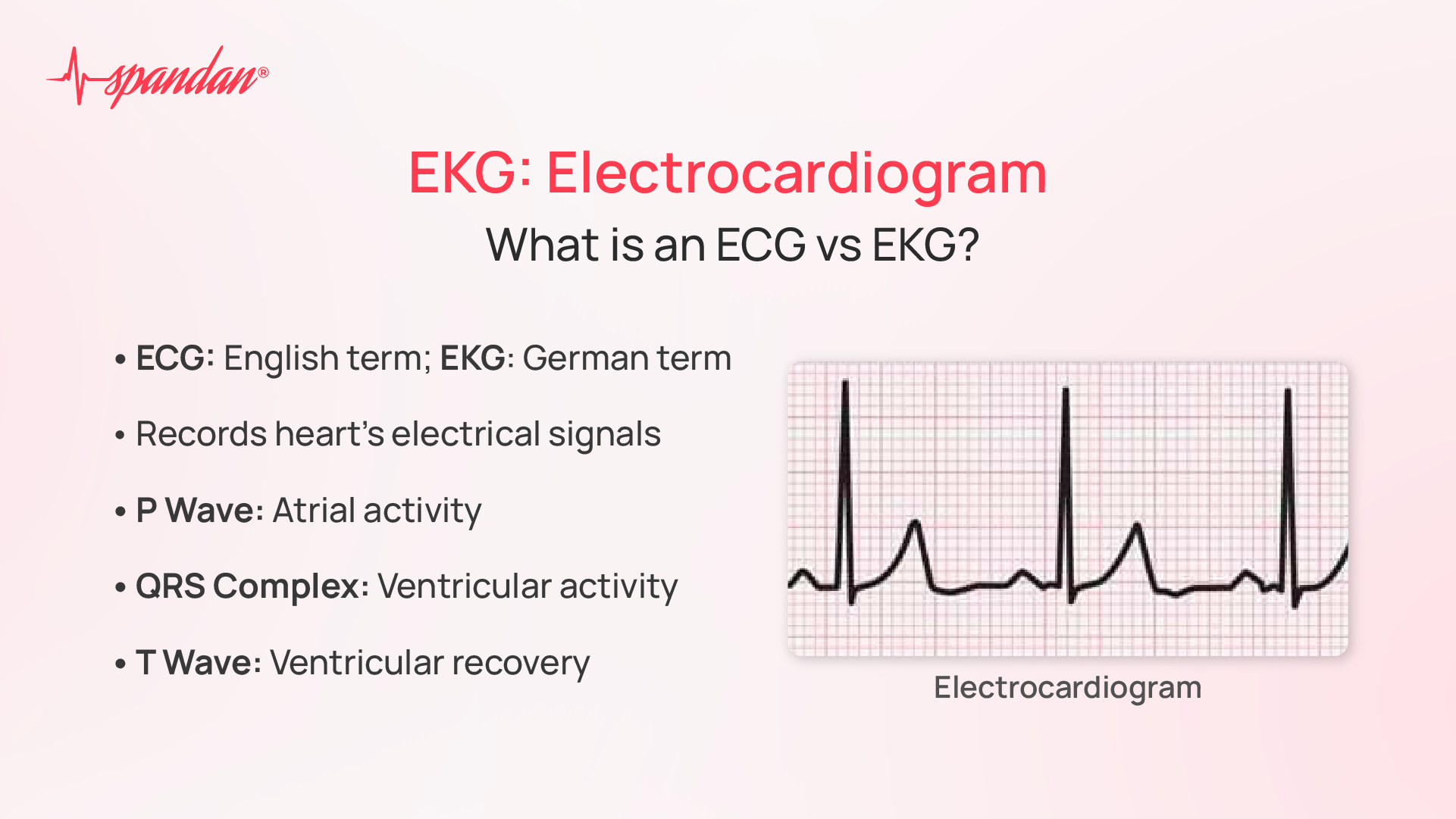
So, where does EKG come from? The acronym EKG is derived from the German word Elektrokardiogramm. Willem Einthoven himself used the German spelling, as German was a preeminent language in scientific and medical research during his time. The “K” in EKG is simply the initial letter for “Kardio” (heart) in German, just as “C” is for “Cardio” in English.
The use of EKG persists in many regions and medical communities, partly due to historical inertia and tradition. In some medical circles, especially in the United States, EKG was also historically favored to prevent confusion with EEG (Electroencephalogram), which measures brain activity. While both use electrodes and record electrical signals, they are vastly different procedures, and the distinct “K” in EKG helped to differentiate the heart test from the brain test. Today, both terms are used interchangeably, and most medical professionals understand that ECG and EKG refer to the identical cardiac diagnostic test. The key takeaway is simple: whether you hear ECG or EKG, rest assured, they are talking about the same crucial insight into your heart’s health.
Beyond the Name: Understanding the Technology Behind ECG/EKG
While the name difference is a linguistic footnote, the technology behind the electrocardiogram is a marvel of engineering that has continuously evolved, becoming more sophisticated, accessible, and integrated with modern digital solutions. This evolution directly touches upon the “Tech” aspect of our website, encompassing gadgets, software, AI, and digital security.
How an ECG/EKG Machine Works: A Technological Marvel
At its core, an ECG/EKG machine is a highly sensitive voltmeter that detects and records the minuscule electrical impulses generated by the heart. The procedure involves placing a series of electrodes (small, sticky patches) on specific locations on the patient’s chest, arms, and legs. These electrodes are connected via wires to the ECG device. Each electrode acts as a sensor, picking up the electrical activity of the heart from a different vantage point.
- Signal Detection and Amplification: The electrical signals generated by the heart are incredibly faint (millivolts). The electrodes capture these signals, and the ECG machine amplifies them to a readable level, filtering out electrical noise from other body functions or external sources.
- Data Processing: Modern ECG machines are essentially specialized computers. They convert the analog electrical signals into digital data, which can then be processed, analyzed, and displayed.
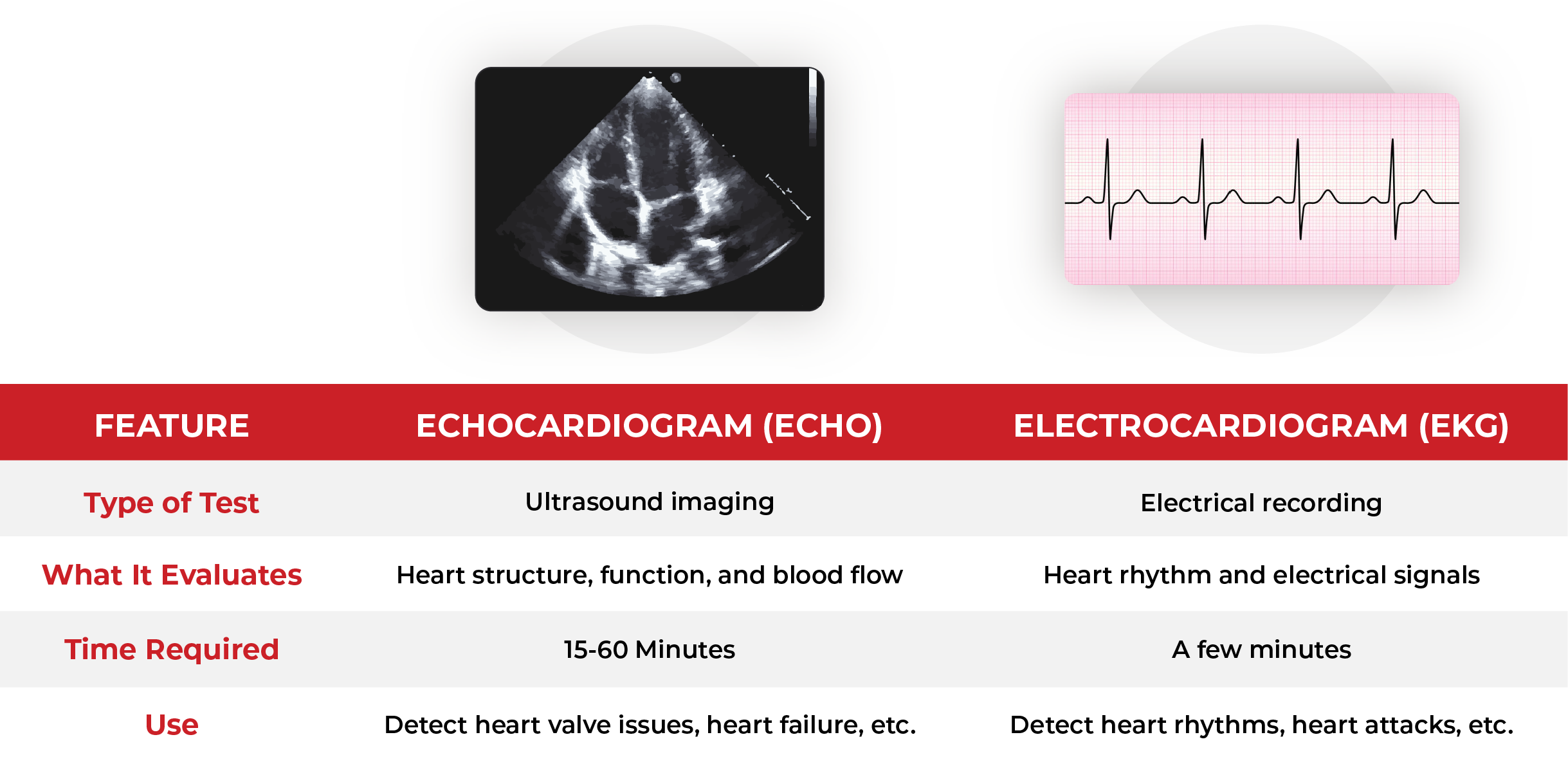
- Waveform Display: The processed data is typically displayed as a series of waves on a screen or printed out on special grid paper. These waves (P wave, QRS complex, T wave) correspond to different phases of the heart’s electrical cycle – atrial depolarization, ventricular depolarization, and ventricular repolarization, respectively. Cardiologists interpret these patterns to diagnose various conditions, including arrhythmias, heart attacks, and structural heart disease.
There are several types of ECGs tailored for different diagnostic needs:
- Resting ECG: The most common type, performed while the patient lies still.
- Stress ECG (Treadmill Test): Records heart activity during physical exertion to assess how the heart responds to stress.
- Holter Monitor: A portable device worn for 24-48 hours (or even longer) to continuously record heart activity, catching intermittent arrhythmias that might be missed in a resting ECG.
- Event Recorder: Similar to a Holter monitor but records only when symptoms are experienced or triggered by the patient.
The precision engineering required to accurately capture and interpret these delicate biological signals highlights the critical role of technology in modern medicine.
The Rise of Wearable Tech and AI in Cardiac Monitoring
The biggest game-changer in cardiac monitoring in recent years has been the integration of ECG capabilities into everyday consumer gadgets and the advent of Artificial Intelligence (AI) for interpretation. This represents a significant shift in healthcare, moving from reactive clinical diagnosis to proactive, personalized monitoring.
- Smartwatches and Wearable Devices: High-profile examples like the Apple Watch, Fitbit Sense, and Samsung Galaxy Watch have brought single-lead ECG functionality to millions of consumers. These devices allow users to take an on-demand ECG reading from their wrist, often by placing a finger on the watch’s crown or bezel. While not as comprehensive as a multi-lead clinical ECG, these wearables can detect common arrhythmias like atrial fibrillation (AFib), providing early warnings that prompt users to seek medical attention. This democratization of health monitoring epitomizes current “Technology Trends” and offers valuable personal health “Apps” and “Gadgets” that empower users.
- Portable Patch Monitors: Beyond smartwatches, adhesive patches are becoming increasingly popular. These compact, often wireless devices stick to the chest for days or weeks, providing continuous, high-quality ECG data that can be transmitted to healthcare providers. They bridge the gap between short-term Holter monitors and consumer wearables, offering medical-grade monitoring in a less intrusive format.
- AI in ECG Interpretation: Perhaps one of the most exciting advancements is the application of “AI Tools” and machine learning to ECG analysis. AI algorithms can be trained on vast datasets of ECG readings to identify subtle patterns and anomalies that might be difficult for the human eye to detect. This AI-powered software can assist clinicians in:
- Faster Diagnosis: Quickly flagging potential issues, reducing the time to diagnosis.
- Improved Accuracy: Enhancing the detection of certain conditions, sometimes even predicting future cardiac events.
- Reduced Workload: Helping cardiologists prioritize cases and focus their expertise on the most complex interpretations.
- Remote Monitoring: Enabling automated initial screenings of remotely collected ECG data, making telemedicine more efficient.
However, with the widespread adoption of connected health “Gadgets” and “Software” comes the paramount concern of “Digital Security.” Protecting sensitive patient data, especially cardiac readings which are highly personal, is crucial. Manufacturers and healthcare providers must implement robust encryption, secure data transmission protocols, and strict privacy policies to prevent breaches and ensure patient trust. The evolution of ECG/EKG technology is a testament to ongoing innovation, blending medical necessity with cutting-edge digital solutions.
The Financial and Brand Landscape of ECG/EKG Technology
The world of ECG/EKG extends beyond mere medical utility and technological prowess; it significantly impacts both personal finance and the intricate dynamics of brand strategy within the healthcare industry. Understanding these dimensions provides a holistic view of its presence in our lives and economy.
Personal Finance and Health Investments: The Cost of Cardiac Monitoring
For individuals, accessing ECG/EKG services comes with financial considerations, falling under the umbrella of “Personal Finance” and “Investing” in one’s health.
- Cost of Clinical ECGs: A traditional ECG performed in a clinic or hospital is generally affordable compared to other diagnostic tests. However, the cost can vary widely depending on geographic location, the type of facility, and whether it’s a standalone test or part of a larger diagnostic workup. For insured individuals, a portion (or all) of the cost might be covered, but deductibles, co-pays, and co-insurance can still lead to out-of-pocket expenses. For the uninsured, the cost can be a barrier to essential care. Stress ECGs or Holter monitoring typically cost more due to the longer duration and specialized equipment.
- The Investment in Wearable ECG Devices: The proliferation of smartwatches and personal ECG devices presents a new financial decision. While the upfront cost of these “Gadgets” can range from a few hundred to over a thousand dollars, many view it as an investment in proactive health monitoring. The argument is that early detection of conditions like AFib via a personal device could prevent more severe and financially devastating cardiac events (like strokes), ultimately saving significant healthcare costs in the long run. This aligns with a philosophy of “Investing” in preventive health to potentially avoid larger future expenditures.
- Online Income and Side Hustles: While not directly tied to taking an ECG, the rise of remote cardiac monitoring services opens doors for healthcare professionals. Companies offering remote interpretation of ECG data from wearable or patch monitors create opportunities for specialized online work, indirectly connecting to themes of “Online Income” and new models of healthcare delivery.
The balance between the cost of diagnostic tests, the price of personal health tech, and the potential for long-term health savings highlights how “Money” considerations are increasingly intertwined with our approach to personal well-being and healthcare decisions.
Branding Trust and Innovation in Health Technology
In the highly regulated and sensitive health sector, “Brand Strategy,” “Corporate Identity,” and “Reputation” are paramount for manufacturers of ECG/EKG equipment and related health tech. Trust is not just a desirable trait; it is a prerequisite.
- Medical Device Manufacturers: Companies like GE Healthcare, Philips, Siemens Healthineers, and Medtronic have built their “Brand” over decades, often centuries, on precision, reliability, and clinical validation. Their corporate identity is synonymous with high-quality, professional-grade medical equipment. “Marketing” for these brands often focuses on clinical accuracy, physician testimonials, technological innovation, and compliance with stringent medical standards. A “Case Study” of a hospital choosing one brand over another often comes down to a track record of performance and service.
- Consumer Wearable Tech Brands: For companies like Apple, Samsung, and Fitbit entering the health space with ECG capabilities, the challenge is slightly different. While they have strong consumer “Brand” recognition for electronics, they must earn trust specifically in the health domain. Their “Brand Strategy” involves emphasizing user-friendliness, seamless integration with existing ecosystems, and crucial regulatory clearances (e.g., FDA approval) for their health features. “Marketing” messages often focus on empowerment, convenience, and the potential for a healthier lifestyle, while carefully navigating medical claims.
- The “Brand” of AI Accuracy: As AI plays a larger role in interpreting ECG data, the “Brand” of the AI algorithms themselves becomes critical. Healthcare providers and patients need to trust that the AI is accurate, unbiased, and capable of delivering reliable insights. Companies developing AI-powered diagnostic “Software” must invest heavily in transparent validation studies, peer-reviewed publications, and ethical AI development to build this crucial “Reputation.”
Ultimately, whether it’s a multi-national medical device corporation or a tech giant integrating health features, the branding of ECG/EKG technology revolves around instilling confidence. This confidence is built on a foundation of scientific rigor, regulatory compliance, technological reliability, and a clear commitment to patient safety and privacy.
Why Does It Matter? Practical Implications and Future Trends
Beyond clarifying a common linguistic quirk, understanding ECG/EKG and its technological evolution carries significant practical implications for individuals, healthcare systems, and the future trajectory of health management.
For Patients and Consumers: Navigating Health Information
For the average person, knowing the difference (or lack thereof) between ECG and EKG is more than just a piece of trivia; it’s about informed engagement with their health.
- Empowerment Through Understanding: Being familiar with both terms reduces confusion when encountering medical information, whether it’s from a doctor, an online health article, or a product description. This empowerment allows individuals to ask more pertinent questions, better understand diagnoses, and feel more confident in healthcare settings.
- Making Informed Decisions About Health Tech: With the boom in consumer health “Gadgets,” understanding what an ECG does and what its limitations are (especially in single-lead wearables) is crucial. It helps consumers make informed decisions about purchasing these devices as personal health “Investments,” understanding their utility for screening versus comprehensive medical diagnosis. It also fosters a realistic expectation of what these tools can and cannot do, preventing both undue alarm and false reassurance.
- Proactive Health Management: The accessibility of ECG technology means more people can engage in proactive health management. Early detection of conditions like AFib, facilitated by wearable ECGs, can lead to timely medical intervention, potentially preventing strokes and other serious complications. This shift from reactive treatment to proactive monitoring is a major trend driven by advancements in health “Technology Trends.”
The Future of ECG/EKG: Smarter, More Accessible, and Secure
The journey of the electrocardiogram is far from over. The future promises even more integration, sophistication, and accessibility, profoundly impacting healthcare delivery.
- Miniaturization and Ubiquity: Expect ECG capabilities to become even more pervasive, integrated into more wearable form factors, clothing, and even smart home devices. Continuous, unobtrusive monitoring will become the norm for high-risk individuals.
- Predictive Analytics: AI will move beyond just detecting existing anomalies to predicting potential future cardiac events. By analyzing long-term ECG data in conjunction with other health metrics, AI “Software” could identify individuals at risk before symptoms even appear, enabling truly preventive care.
- Telemedicine and Remote Diagnostics: The pandemic accelerated the adoption of telemedicine. ECG/EKG technology, particularly wearable and patch monitors, will continue to play a crucial role in remote patient monitoring, allowing cardiologists to assess patients from a distance, reducing the need for in-person visits and improving access to care, especially in rural areas. This streamlines “Productivity” for healthcare systems.
- Enhanced Digital Security and Interoperability: As ECG data becomes more central to digital health records and shared across various platforms, robust “Digital Security” measures will be non-negotiable. Furthermore, interoperability – the ability for different devices and “Software” systems to seamlessly exchange and interpret ECG data – will be key to creating a cohesive and efficient health ecosystem.
- Personalized Medicine: Future ECG analysis, powered by advanced AI and combined with genomic and lifestyle data, will contribute to highly personalized cardiac risk profiles and treatment plans, moving towards a truly tailored approach to heart health.
In conclusion, the simple question of “what’s the difference between ECG and EKG” unravels a fascinating narrative that spans historical linguistics, cutting-edge “Technology Trends,” crucial “Financial” decisions, and the powerful role of “Brand” in healthcare. As we move forward, the electrocardiogram, under whatever name, will continue to be a cornerstone of cardiac health, evolving to become even smarter, more accessible, and more integral to our holistic well-being.
aViewFromTheCave is a participant in the Amazon Services LLC Associates Program, an affiliate advertising program designed to provide a means for sites to earn advertising fees by advertising and linking to Amazon.com. Amazon, the Amazon logo, AmazonSupply, and the AmazonSupply logo are trademarks of Amazon.com, Inc. or its affiliates. As an Amazon Associate we earn affiliate commissions from qualifying purchases.