
In the world of fast-moving consumer goods (FMCG), few case studies are as compelling as the dual-existence of Diet Coke and Coca-Cola Zero Sugar. To a casual observer, the two products might seem redundant. Both are carbonated, brown, caffeine-infused beverages produced by the same global titan. Both contain zero calories and zero sugar. Both use similar artificial sweeteners.
However, from a brand strategy and corporate identity perspective, Diet Coke and Coca-Cola Zero Sugar are worlds apart. They represent a sophisticated masterclass in market segmentation, demographic targeting, and the evolution of consumer psychology. The existence of both products is not a mistake or an inefficiency; it is a calculated maneuver to capture different “pockets” of the market without allowing them to cannibalize one another.
The Evolution of Identity: Why Diet Coke is a Lifestyle Icon, Not Just a Soda
To understand the difference between these two giants, one must first look at the heritage of Diet Coke. Launched in 1982, Diet Coke was the first brand extension of the Coca-Cola trademark. It was not designed to taste like the original Coca-Cola; it was formulated with a distinct, lighter, and more “crisp” flavor profile.
The 1982 Launch and the Female-Centric Heritage
When Diet Coke hit the shelves, the “dieting” craze of the 1980s was in full swing. The brand was positioned not just as a drink, but as a lifestyle accessory. For decades, Diet Coke’s marketing was heavily skewed toward a female demographic. Through campaigns like the “Diet Coke Break” and partnerships with high-end fashion designers, the brand cultivated an image of sophistication, chic independence, and calorie-conscious living.
The branding worked so well that Diet Coke became more than a beverage; it became a badge of identity. For its core loyalists, the distinct “tang” of Diet Coke—a result of its unique sweetener blend—is a feature, not a bug. They aren’t looking for a sugar-free version of Classic Coke; they are looking for the specific experience of Diet Coke.
The Distinct Flavor Profile as a Brand Asset
From a product design standpoint, Diet Coke uses a blend of aspartame and acesulfame potassium (in some regions) but maintains a flavor profile closer to the defunct “New Coke” formula than the original 1886 recipe. By maintaining this unique taste, Coca-Cola created a “moat” around the brand. It ensured that consumers who grew up with the silver can would remain loyal to that specific flavor, even when newer, more “realistic” sugar-free options hit the market.
Coca-Cola Zero Sugar: Bridging the Demographic Gap
By the early 2000s, Coca-Cola faced a strategic dilemma. While Diet Coke was a global powerhouse, it carried a heavy “gendered” stigma. Market research indicated that many male consumers were hesitant to be seen holding a silver “Diet” can, perceiving it as a product intended for women or “dieters.”
Masculinity, Realism, and the “Bro” Demographic
Coca-Cola Zero (later rebranded to Coca-Cola Zero Sugar) was launched in 2005 to solve this specific branding problem. The mission was clear: create a sugar-free beverage that appealed to people—specifically men—who wanted the taste of “real” Coca-Cola without the calories, and without the “diet” label.
The branding was aggressive and decidedly masculine. The initial packaging was black—a stark, “cool” contrast to the refined silver of Diet Coke. The marketing didn’t talk about dieting; it talked about “Great Taste, Zero Sugar.” By removing the word “Diet” from the title, Coca-Cola bypassed the psychological barriers many men had toward weight-loss products. It wasn’t a drink for someone on a diet; it was a drink for someone who wanted the full-throttle experience of a Coke without the nutritional consequences.
The Pursuit of “Taste Likeness” as a Marketing Hook
While Diet Coke was proud of its unique flavor, Coke Zero’s entire brand promise was “The Great Taste of Coca-Cola Classic.” The R&D team worked meticulously to mimic the original recipe’s flavor profile using a different blend of sweeteners and flavoring agents. This “taste parity” became the central pillar of its corporate identity. The brand tells the consumer: “You don’t have to compromise.” This positioning allowed Coke Zero to capture a segment of the market that Diet Coke could never touch: the traditionalist who loved the original taste but wanted a modern, healthier lifestyle.

Visual Language and Packaging: Communicating Value Through Design
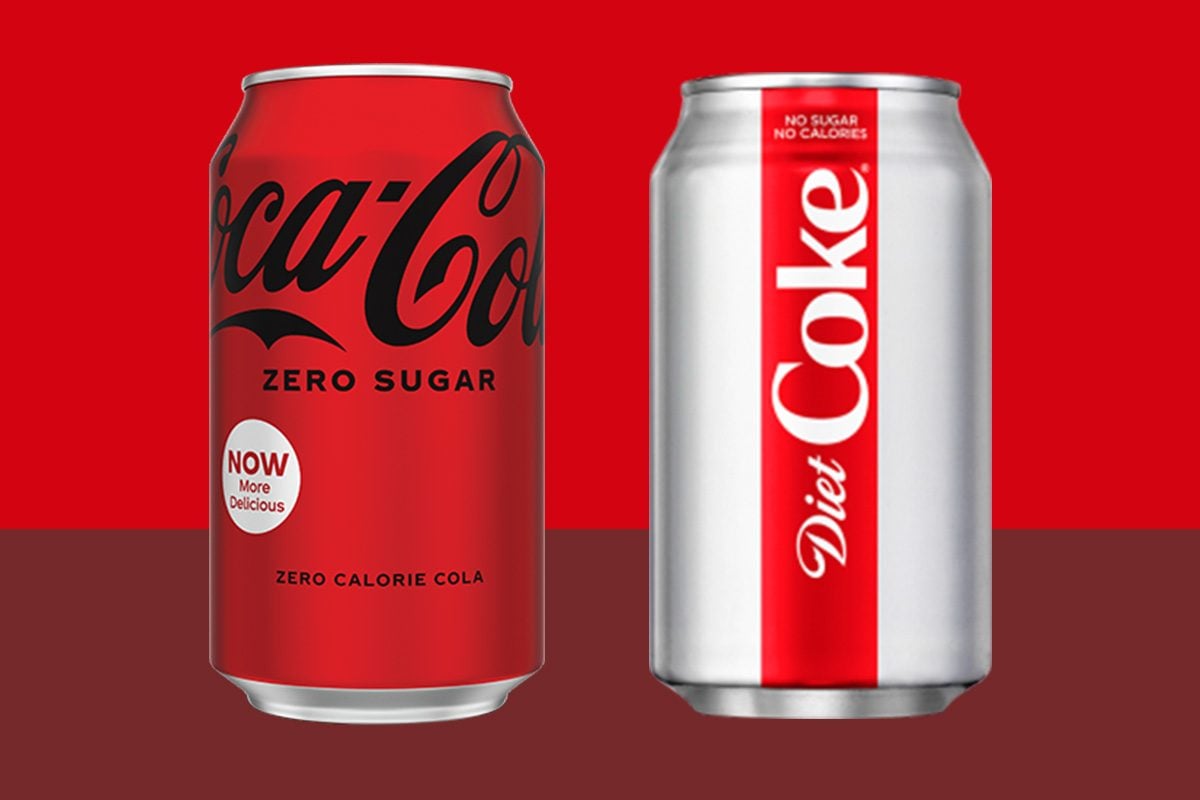
A brand is not just what is inside the can; it is the visual language that communicates the product’s intent to the consumer in the three seconds they spend looking at a supermarket shelf. The visual differentiation between Diet Coke and Coca-Cola Zero Sugar is one of the most successful examples of color psychology in modern marketing.
Silver vs. Black: The Color Psychology of Choice
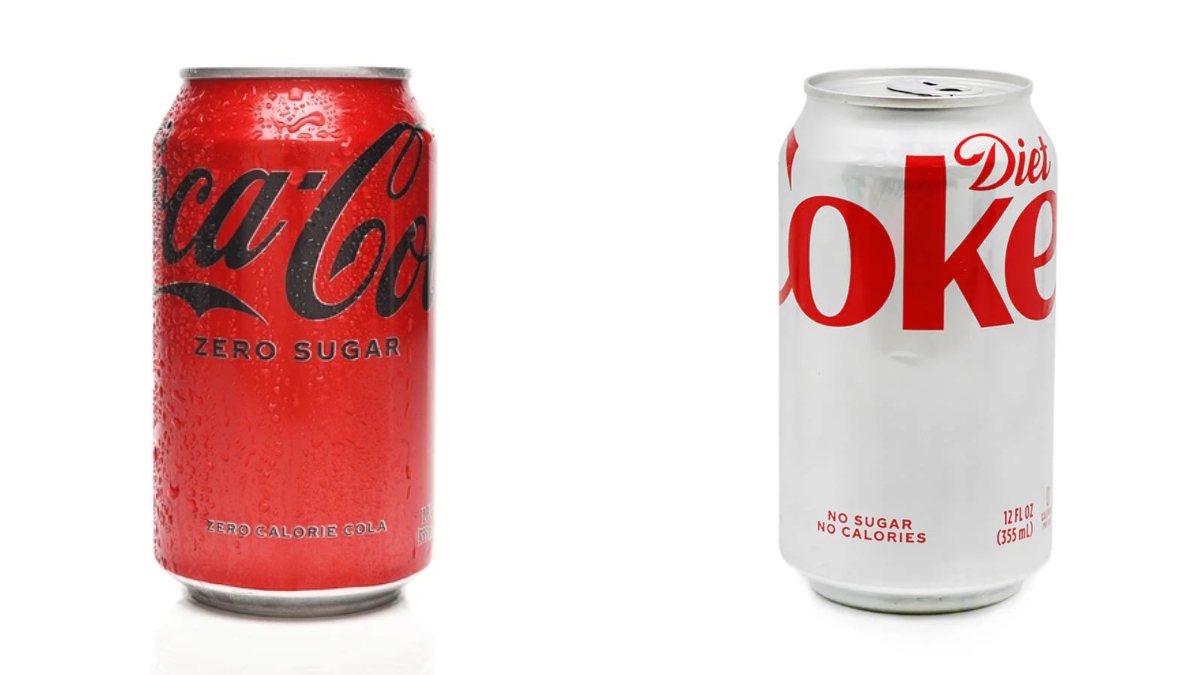
Diet Coke’s silver packaging is synonymous with “lightness.” It feels airy, premium, and refined. In the world of design, silver is often used to denote technology or modern sophistication. For Diet Coke, it reinforces the “break” from the heavy, syrupy nature of traditional sodas.
In contrast, Coke Zero’s use of black was a revolutionary move in the soft drink industry. Black denotes power, edge, and “premium-ness.” By moving away from the white or silver typically associated with low-calorie products, Coke Zero established itself as a “rebel” brand. It signaled that this was a full-flavored drink that just happened to have no sugar.
The “One Brand” Strategy and Global Unified Identity
In recent years, Coca-Cola has implemented a “One Brand” strategy to unify its portfolio. This involved making the iconic Red Disc more prominent across all variants. However, even within this unification, the distinct visual markers—the black strip for Zero Sugar and the silver for Diet—were maintained. This ensures that while they all belong to the “Coke Family,” their individual brand equity remains intact. The company realized that the visual cues were so strong that changing them too drastically would alienate the millions of consumers who identify with their specific “tribe” (Team Silver vs. Team Black).
The Strategic Brilliance of Dual Branding: A Case Study in Market Dominance
The most frequent question brand analysts ask is: “Why keep both?” From a logistical standpoint, maintaining two separate supply chains, marketing budgets, and shelf-space agreements for two zero-calorie sodas is expensive. However, the financial and strategic benefits far outweigh the costs.
Managing Brand Cannibalization
Brand cannibalization occurs when a new product eats the market share of an existing product from the same company. By clearly defining the “person” who drinks Diet Coke (lifestyle-oriented, flavor-specific, heritage-loyal) versus the “person” who drinks Coke Zero (taste-purist, modern, gender-neutral), Coca-Cola minimized overlap.
Instead of Diet Coke drinkers switching to Coke Zero, Coca-Cola found that Coke Zero was attracting new customers—people who previously drank regular Coke but were looking for a healthier alternative, or people who avoided Diet Coke because they disliked the taste or the “diet” branding.
Leveraging Nostalgia vs. Modernity
Diet Coke thrives on nostalgia and long-term brand loyalty. It is a “comfort brand.” Coca-Cola Zero Sugar, meanwhile, thrives on innovation. It is frequently reformulated (as seen in the 2017 and 2021 recipe updates) to get closer and closer to the taste of the original. This allows the company to play both sides of the field: they have one brand that remains a constant, unchanging icon (Diet Coke) and another that represents the cutting edge of food science and modern consumer trends (Coke Zero).
Conclusion: The Power of Targeted Branding
The difference between Diet Coke and Coca-Cola Zero Sugar has very little to do with the liquid inside the can and everything to do with the story told on the outside. It is a testament to the power of brand strategy.
Diet Coke is a testament to the longevity of a well-positioned lifestyle brand that knows its audience and refuses to alienate them. Coca-Cola Zero Sugar is a testament to the power of “corrective” branding—identifying a hole in the market (men and taste-purists) and engineering a product and a visual identity to fill it.
By maintaining both, Coca-Cola has achieved a rare feat in the business world: they have successfully segmented the “zero-calorie” market into two distinct psychological profiles, ensuring that no matter who you are or what you value—be it the crisp taste of the 80s or the bold realism of the 21st century—there is a Coke for you. This is not just selling soda; it is the art of owning the entire shelf.
aViewFromTheCave is a participant in the Amazon Services LLC Associates Program, an affiliate advertising program designed to provide a means for sites to earn advertising fees by advertising and linking to Amazon.com. Amazon, the Amazon logo, AmazonSupply, and the AmazonSupply logo are trademarks of Amazon.com, Inc. or its affiliates. As an Amazon Associate we earn affiliate commissions from qualifying purchases.