
The rumble of an engine, the open road, the promise of mobility – these experiences are powered by a fundamental choice at the pump: diesel or gasoline. While both are petroleum-derived fuels essential to modern transportation, they are far from interchangeable. Understanding the nuanced differences between diesel and gasoline goes beyond mere chemistry; it delves into intricate engineering, shapes economic decisions for individuals and businesses, impacts brand identity in the automotive sector, and even touches upon the future of technology and personal finance.
In an era defined by technological advancements, evolving brand strategies, and critical financial planning, dissecting these two fuels offers more than just technical insight. It provides a lens through which to view the interplay of innovation, market dynamics, and consumer choice. This article will unravel the core distinctions, explore their implications across various domains, and gaze into the future of these enduring power sources.
The Core Chemical and Combustion Divergence
At the heart of the matter lies the fundamental chemical composition and the way each fuel ignites within an engine. These initial differences dictate everything from engine design to environmental impact.
Fuel Composition and Energy Density
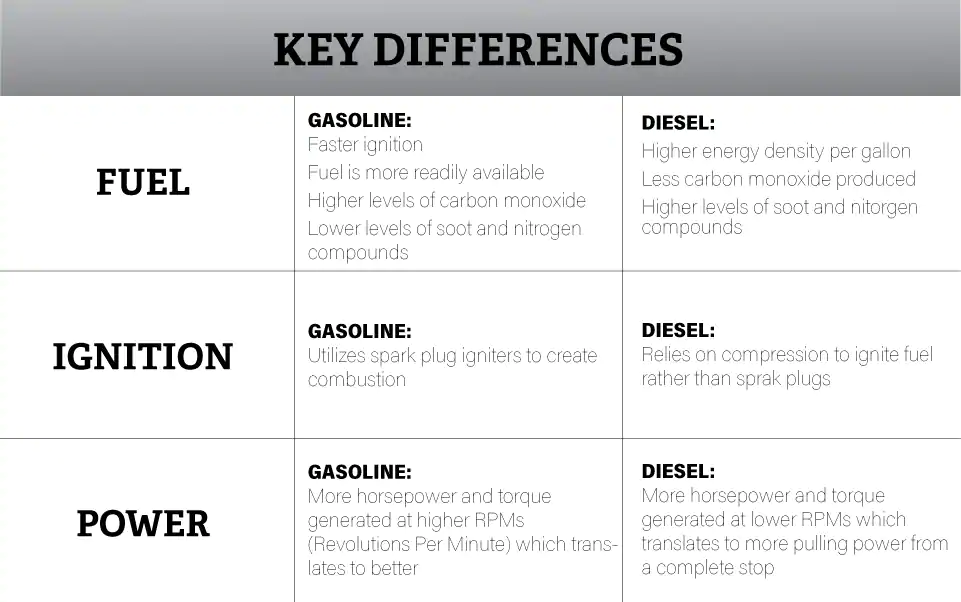
Diesel and gasoline originate from crude oil, but they are refined at different temperatures during the fractional distillation process. Gasoline, a lighter fraction, consists primarily of hydrocarbons with 5 to 12 carbon atoms per molecule (C5-C12). It’s a highly volatile fuel, meaning it vaporizes easily. Diesel, a heavier fraction, is composed of longer hydrocarbon chains, typically C12-C20. This difference in molecular structure contributes to its higher density and viscosity compared to gasoline.
Crucially, diesel fuel boasts a higher energy density per unit volume. On average, a liter of diesel contains about 10-15% more energy than a liter of gasoline. This isn’t just a trivial chemical detail; it’s the foundation for diesel’s renowned fuel efficiency. More energy packed into the same volume means a diesel engine can potentially travel further on the same amount of fuel, a significant factor for both personal finance and commercial operations.
Ignition Principles: Spark vs. Compression
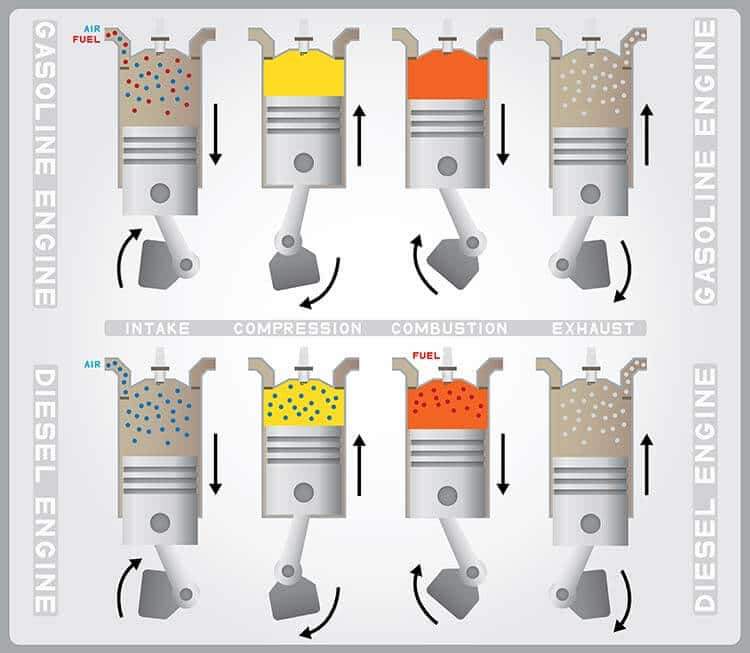
The most defining difference between diesel and gasoline engines lies in their method of ignition.
-
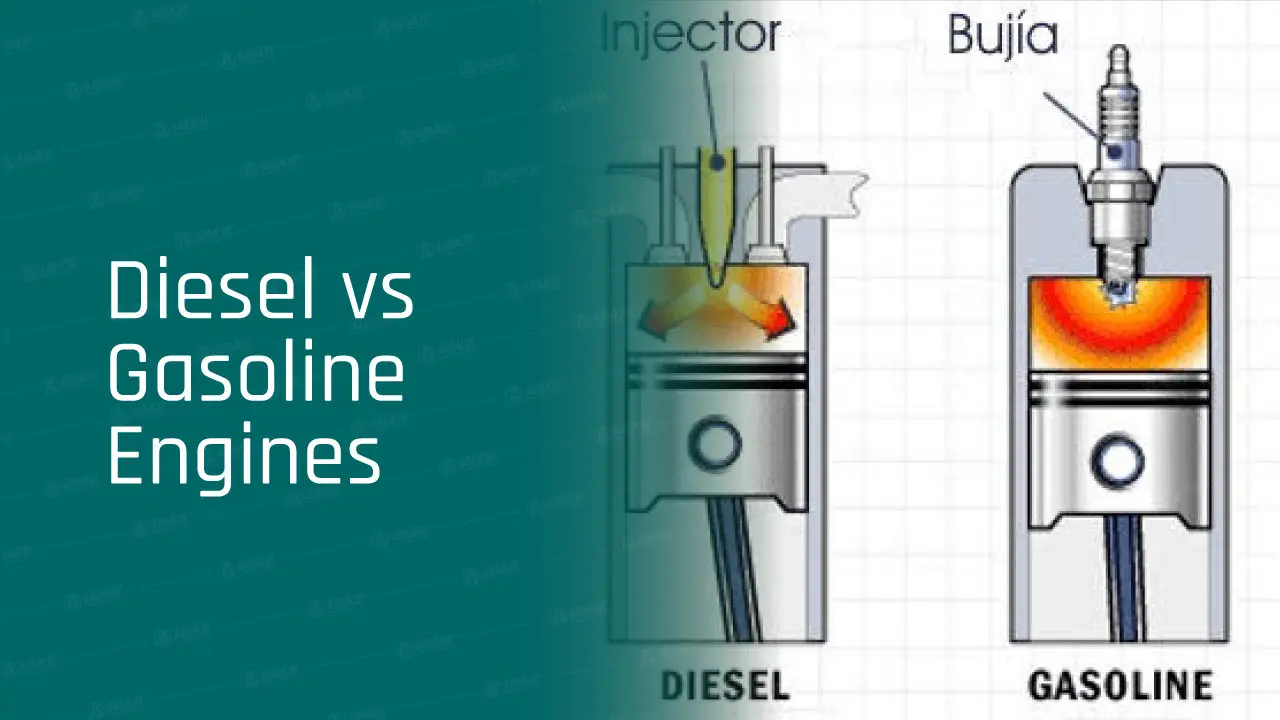
Gasoline Engines (Spark-Ignition): Gasoline engines are often referred to as spark-ignition (SI) engines. Here, a mixture of air and finely atomized gasoline vapor is drawn into the cylinder, compressed, and then ignited by an electric spark from a spark plug. The timing of this spark is meticulously controlled by the engine’s electronic control unit (ECU), a sophisticated piece of software-driven hardware that ensures optimal combustion for power and efficiency. The highly volatile nature of gasoline makes it ideal for this method, providing a quick, controlled burn.
-
Diesel Engines (Compression-Ignition): Diesel engines operate on the principle of compression-ignition (CI). In this design, only air is drawn into the cylinder and compressed to an extremely high pressure. This intense compression raises the temperature of the air dramatically – so much so that when a precise amount of diesel fuel is injected directly into this superheated air, it self-ignites without the need for a spark plug. The less volatile nature of diesel, combined with its higher flash point, makes it unsuitable for spark ignition but perfectly suited for this high-pressure, high-temperature combustion process. This fundamental difference in ignition mechanism drives distinct engine architectures and operational characteristics.
Engineering Excellence: How Engines Harness Each Fuel
The divergent chemical properties and ignition methods necessitate entirely different engine designs and technologies. Modern gasoline and diesel engines are marvels of engineering, each optimized to extract maximum power and efficiency from its respective fuel.
Gasoline Engines: Refinement and Performance
Modern gasoline engines have undergone incredible advancements, shedding the perception of being solely about raw power and embracing efficiency and sophistication.
- Engine Design and Operation: Gasoline engines typically operate at higher RPMs (revolutions per minute) and are known for their smoother, quieter operation. Their design often emphasizes lightweight components and intricate valve timing systems (like variable valve timing – VVT) to optimize airflow and combustion across a wide range of engine speeds.
- Fuel Injection Systems: The evolution from carburetors to multi-point fuel injection (MPI) and, more recently, Gasoline Direct Injection (GDI) has revolutionized gasoline engine efficiency. GDI systems inject fuel directly into the combustion chamber at high pressure, allowing for more precise fuel delivery and better atomization, which translates to improved power, fuel economy, and reduced emissions. This technology is a prime example of software and hardware working in concert within the ECU to manage combustion with microsecond precision.
- Turbocharging and Downsizing: A major technological trend in gasoline engines is turbocharging combined with “downsizing.” Smaller displacement engines, boosted by a turbocharger, can produce power comparable to larger, naturally aspirated engines while consuming less fuel. This trend showcases ingenious engineering leveraging pressure dynamics to enhance efficiency, reducing vehicle weight and improving performance metrics critical for today’s discerning consumers and fleet managers.
- Emissions Control: Gasoline engines rely heavily on catalytic converters to reduce harmful emissions. These devices chemically convert pollutants like carbon monoxide, unburnt hydrocarbons, and nitrogen oxides into less harmful substances. Advances in catalyst materials and engine management software have made modern gasoline engines remarkably clean.
Diesel Engines: Torque, Efficiency, and Modern Innovations
Historically associated with heavy-duty applications and commercial vehicles, modern diesel engines have evolved significantly, offering remarkable efficiency and surprising refinement in passenger cars.
- Engine Design and Operation: Diesel engines are built robustly to withstand the extremely high compression pressures they generate, which are significantly greater than those in gasoline engines. This robustness contributes to their renowned durability and longevity. They typically operate at lower RPMs and are celebrated for their strong torque output, especially at low engine speeds, making them ideal for hauling, towing, and sustained highway driving.
- Advanced Fuel Injection Systems: The cornerstone of modern diesel engine efficiency and cleanliness is the Common Rail Direct Injection (CRDI) system. Unlike older mechanical injection systems, CRDI uses a single “common rail” to supply highly pressurized fuel (up to 2,500 bar or more) to individual injectors, which are electronically controlled. This allows for multiple, precise injections per combustion cycle (pilot, main, and post-injections), optimizing combustion, reducing noise, and significantly lowering emissions. This level of precision is only possible through sophisticated ECU software controlling high-speed solenoid or piezoelectric injectors.
- Turbo-Diesel Branding: Many automotive brands proudly feature their advanced diesel technology with specific branding, such as TDI (Volkswagen), BlueHDi (Peugeot/Citroën), CDi (Mercedes-Benz), and dCi (Renault). These brand identifiers communicate a promise of performance, efficiency, and technological superiority, often appealing to consumers who prioritize fuel economy and long-distance driving capability. The marketing behind these branded engines highlights their blend of power and economy, a potent message for both personal finance and corporate fleet managers.
- Emissions Control Systems: Meeting stringent emissions regulations has been a major challenge and driver of innovation for diesel engines. Modern diesels incorporate several advanced systems:
- Diesel Particulate Filters (DPF): These ceramic filters capture soot and particulate matter, burning them off periodically in a process called regeneration.
- Selective Catalytic Reduction (SCR): SCR systems inject a urea-based additive (often branded as AdBlue or DEF – Diesel Exhaust Fluid) into the exhaust stream. This chemical reaction converts harmful nitrogen oxides (NOx) into harmless nitrogen and water vapor. These technologies, though adding complexity and cost, are crucial for modern diesel engines to achieve environmental compliance, underscoring the interplay between tech and regulation.
Beyond the Engine: Practical Implications for Drivers and Businesses
The choice between diesel and gasoline extends far beyond the engine bay, impacting everything from daily driving costs to long-term financial planning and environmental considerations.
Fuel Economy, Costs, and Financial Planning
For most consumers and businesses, the decision often boils down to economics.
- Fuel Efficiency: Due to its higher energy density and the inherent thermodynamic efficiency of compression ignition, diesel vehicles generally offer superior fuel economy (miles per gallon or kilometers per liter) compared to gasoline vehicles of similar size and power. This can lead to significant savings over the lifetime of a vehicle, especially for high-mileage drivers or businesses with large fleets, making it a key factor in personal and business financial planning. For online income earners like ride-share drivers or delivery services, fuel efficiency directly translates into higher net earnings.
- Fuel Price Volatility: While diesel might offer better efficiency, its price at the pump can fluctuate independently of gasoline, sometimes being higher, sometimes lower. This volatility requires careful financial forecasting, especially for businesses where fuel is a major operating expense. Savvy consumers and business owners use financial tools and apps to track fuel prices and optimize their choices.
- Purchase Price and Maintenance: Diesel cars often have a higher upfront purchase price due to their more robust construction and advanced emissions systems. Maintenance costs can also be higher, especially for replacing components like DPFs, SCR systems, or high-pressure fuel injectors, which are specific to diesel technology. These factors need to be weighed against potential fuel savings over the vehicle’s lifespan, requiring a comprehensive return on investment (ROI) analysis.
- Resale Value: Historically, diesel cars held strong resale values, particularly in markets where fuel efficiency was highly prized. However, regulatory changes and shifts in public perception (e.g., “Dieselgate”) have introduced uncertainty in some regions, impacting future financial projections for vehicle owners.
Environmental Impact and Regulatory Landscape
Environmental concerns and stringent regulations have significantly influenced the development and perception of both fuel types.
- Emissions Profile:
- Gasoline: Gasoline engines typically produce lower particulate matter (soot) and nitrogen oxide (NOx) emissions than older diesel engines. However, they emit more carbon dioxide (CO2) per unit of energy burned and produce higher levels of unburnt hydrocarbons and carbon monoxide. Modern catalytic converters effectively manage these, but CO2 remains a challenge.
- Diesel: While diesel engines inherently produce less CO2 than gasoline engines due to their efficiency, they have historically been associated with higher emissions of nitrogen oxides (NOx) and particulate matter (PM). The implementation of DPF and SCR systems has dramatically reduced these pollutants in modern diesel vehicles, making them significantly cleaner than their predecessors.
- The “Dieselgate” Scandal: The Volkswagen “Dieselgate” scandal, where software was used to cheat emissions tests, had a profound impact on the brand reputation of diesel technology globally. It highlighted the critical role of software in engine management, the potential for ethical lapses, and the massive financial and reputational fallout when trust is broken. This case study serves as a stark reminder of how technological missteps can devastate a brand and reshape public perception of an entire industry segment. It led to bans or restrictions on older diesel vehicles in some cities, directly affecting vehicle owners’ financial outlook and the automotive industry’s branding efforts.
- Regulatory Pressures: Governments worldwide are pushing for lower emissions. This has led to stricter Euro standards in Europe, EPA regulations in the US, and similar mandates elsewhere. These regulations drive technological innovation (like advanced emissions control systems) and influence consumer choices through taxation, incentives, and urban access restrictions. The automotive industry invests heavily in R&D to meet these benchmarks, constantly refining engine tech.
The Evolving Landscape: Technology, Branding, and the Future of Mobility
The conversation around diesel and gasoline is dynamic, constantly reshaped by technological breakthroughs, evolving consumer values, and macro-economic forces.
Digital Integration and Smart Fuel Management
Technology is increasingly blurring the lines between the vehicle, the driver, and the broader ecosystem.
- Engine Control Units (ECUs) and AI: Modern ECUs are sophisticated computers running complex software algorithms that control every aspect of engine operation, from fuel injection timing and ignition advance to emissions control and turbocharger boost. The integration of AI tools could further optimize these systems, allowing for real-time adjustments based on driving conditions, fuel quality, and even predictive maintenance analysis, identifying potential issues before they become costly repairs. This represents a significant advancement in productivity and efficiency for individual drivers and large fleets.
- Vehicle Telematics and Apps: Apps and telematics systems can track fuel consumption, optimize routes, monitor vehicle health, and even predict maintenance needs. For businesses, this data is invaluable for fleet management, cost control, and operational efficiency. For individuals, these gadgets and software tools empower better financial management of their vehicle expenses. Future developments might include AI-powered recommendations for the most cost-effective fuel stops or even dynamic pricing models based on predicted demand.
- Digital Security: As vehicles become more connected and software-driven, digital security becomes paramount. Protecting ECUs and vehicle networks from cyber threats is a growing concern, impacting not just safety but also brand trust and the integrity of a company’s technological investments.
Brand Perception and Consumer Choice in a Greener World
The narrative surrounding diesel and gasoline is heavily influenced by branding and societal values.
- Sustainability Branding: Automotive brands are increasingly positioning themselves around sustainability. This means showcasing not just fuel efficiency but also advanced emissions control, the development of synthetic fuels, and the transition towards electric vehicles. For brands still offering diesel, the emphasis is on “clean diesel” and its CO2 advantage. This strategic branding aims to rebuild trust and align with environmentally conscious consumers.
- Marketing Segmentation: Gasoline vehicles are often marketed for their performance, responsiveness, and suitability for urban driving. Diesel vehicles, despite their advancements, are still frequently positioned for their torque, durability, and long-distance economy – appealing to different consumer segments. Brand strategy involves carefully crafting these messages to resonate with specific demographic and psychographic groups.
- Corporate Identity and Reputation: A company’s stance on fossil fuels and its investment in alternative technologies significantly shapes its corporate identity and reputation. Brands like Tesla have built their entire identity around electric mobility, while traditional automakers navigate the transition, balancing their legacy with future innovations. The ability to adapt and clearly communicate their vision for sustainable mobility is crucial for long-term brand health.
Financial Outlook: Investing in the Next Generation of Power
The future of transportation has significant financial implications, impacting personal investments, business models, and global markets.
- Investing in Alternative Fuels and EVs: While diesel and gasoline remain dominant, the shift towards alternative fuels (biofuels, synthetic fuels) and electric vehicles (EVs) is undeniable. This presents investment opportunities in renewable energy infrastructure, battery technology, and EV manufacturing. Smart investors are tracking these trends, recognizing that the long-term financial landscape for mobility is diversifying.
- Online Income and Side Hustles: For individuals relying on their vehicles for online income (e.g., ride-sharing, food delivery), the choice of fuel and vehicle technology directly impacts their profitability. Lower operating costs from efficient diesel engines or cheaper charging for EVs can significantly boost earnings, making financial tools for cost analysis indispensable.
- Business Finance and Fleet Transition: Businesses with large fleets face strategic decisions regarding the transition to cleaner vehicles. This involves capital expenditure for new vehicles, infrastructure investments (charging stations, fuel storage), and evaluating the ROI of different fuel types in the context of operational costs, regulatory compliance, and brand image. Financial planning tools become critical for navigating this complex transition.
- Market Trends and Energy Policy: Government energy policies, carbon taxes, and incentives play a pivotal role in shaping market trends for fuel types. These policies directly influence the cost of ownership, the attractiveness of different vehicle types, and the investment climate for energy companies. Understanding these macro-economic factors is key for both personal financial planning and large-scale business investment.
In conclusion, the difference between diesel and gasoline is a multifaceted topic, extending far beyond their basic chemical structures. It encompasses a rich tapestry of engineering innovation, strategic branding, personal and corporate finance, and a rapidly evolving technological landscape. As the world moves towards a more sustainable future, the roles of these two foundational fuels will continue to be debated, refined, and, ultimately, reshaped by the relentless march of progress and the choices we make at the intersection of technology, brand, and money.
aViewFromTheCave is a participant in the Amazon Services LLC Associates Program, an affiliate advertising program designed to provide a means for sites to earn advertising fees by advertising and linking to Amazon.com. Amazon, the Amazon logo, AmazonSupply, and the AmazonSupply logo are trademarks of Amazon.com, Inc. or its affiliates. As an Amazon Associate we earn affiliate commissions from qualifying purchases.