
In the modern landscape of culinary science, the distinction between a standard cup of coffee and a shot of espresso is often reduced to a matter of taste or caffeine concentration. However, from a technological and engineering perspective, the difference is defined by a complex interplay of thermodynamics, fluid dynamics, and precision mechanical engineering. While both beverages originate from the same botanical source—the Coffea plant—the hardware and software used to extract their essence represent two entirely different branches of food technology.
To understand the difference between coffee and espresso is to understand the evolution of extraction technology. One relies on the gentle, passive force of gravity, while the other utilizes high-pressure hydraulics to achieve a chemical state known as emulsification. This article explores the technical architecture behind these two brewing methods, the role of modern software in perfecting extraction, and the sophisticated hardware that defines the “espresso” category.
The Physics of Brewing: Atmospheric Pressure vs. Hydraulic Force
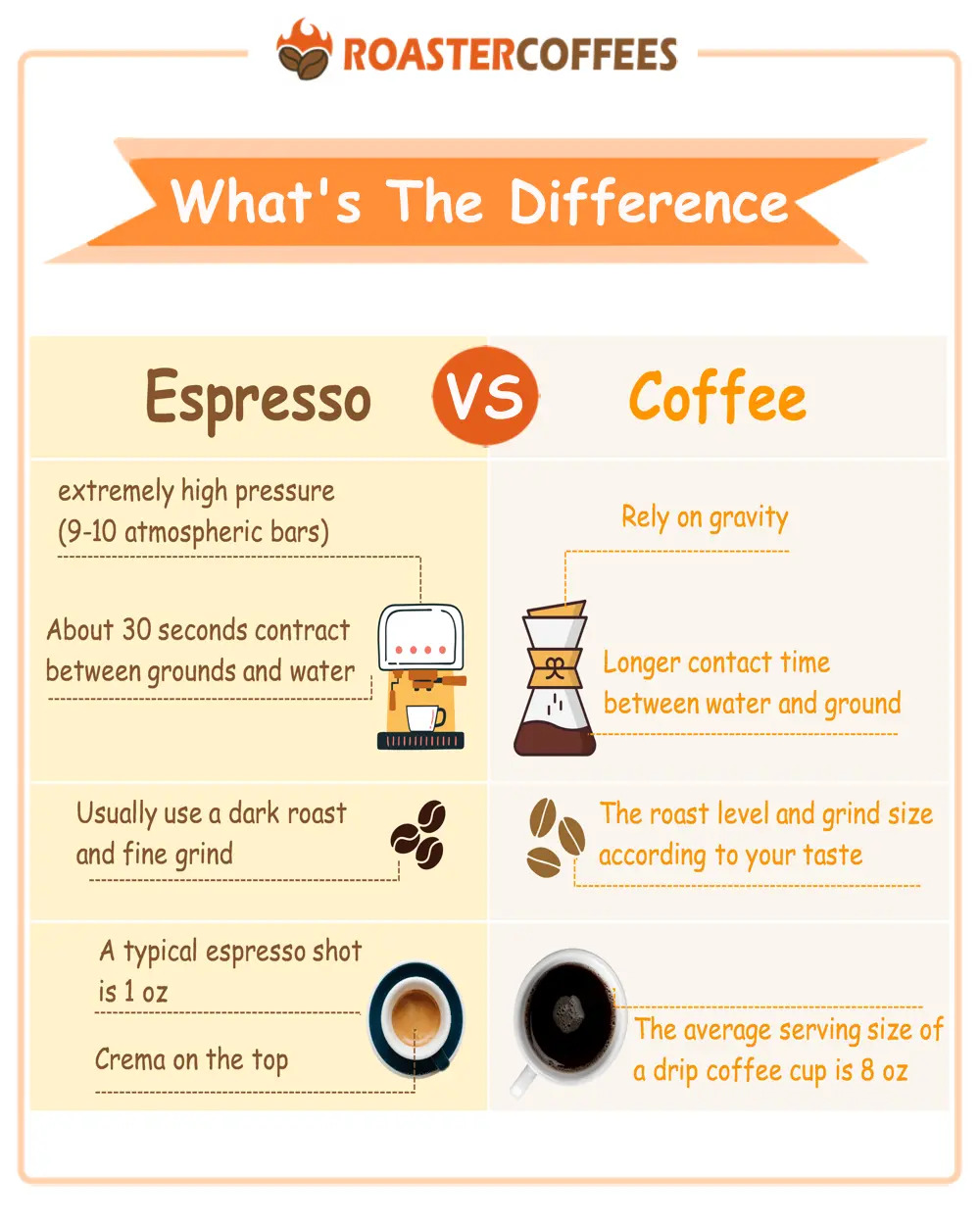
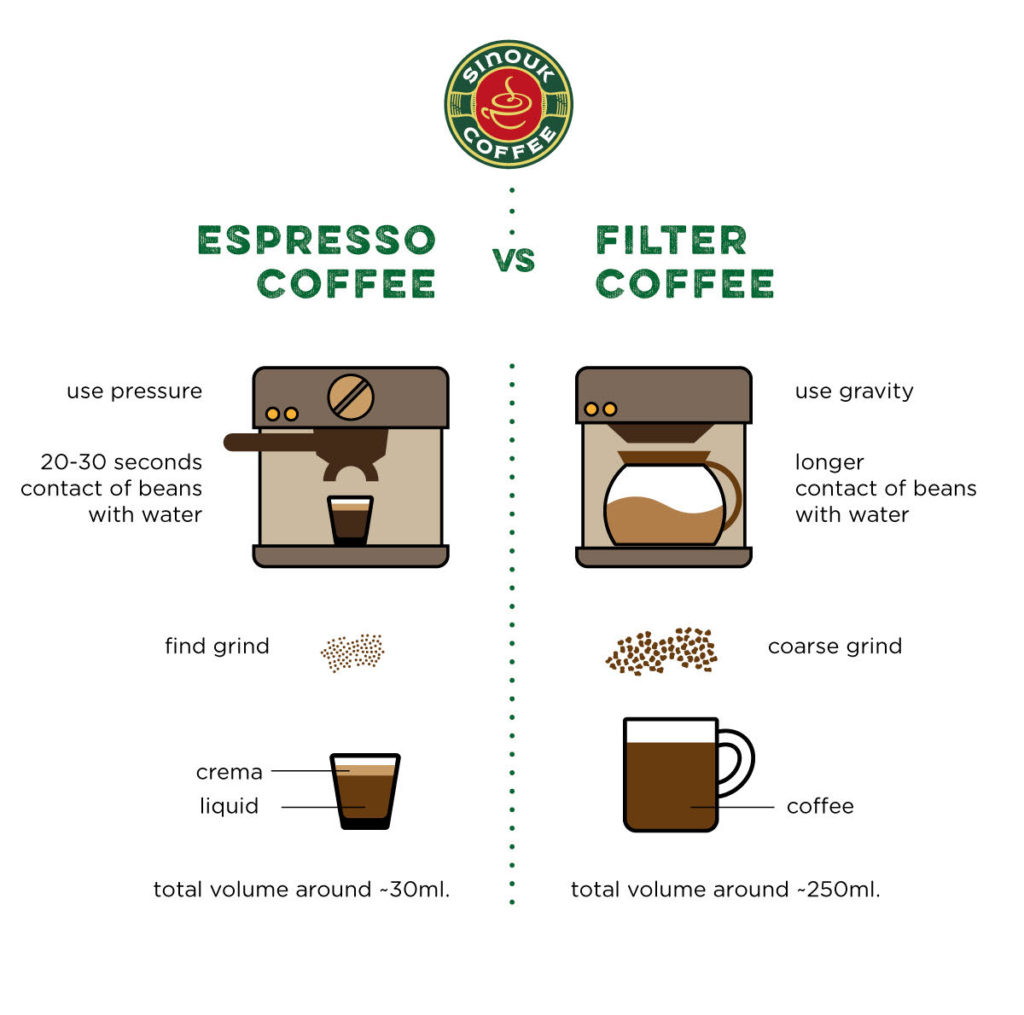
At its most fundamental level, the difference between coffee and espresso is a matter of atmospheric pressure. Standard coffee brewing methods—such as pour-over, drip, or French press—operate at 1 bar of pressure (standard sea-level atmospheric pressure). Espresso, conversely, requires a mechanical pump to achieve a consistent 9 bars of pressure, or roughly 130 pounds per square inch (psi).
The Role of Atmospheric Pressure and Gravity
In traditional coffee brewing, the extraction process is “low and slow.” Technology in this space, such as the precision-engineered showerheads of high-end Technivorm Moccamasters, focuses on water distribution. The goal is to ensure even saturation of the coffee bed so that gravity can pull water through the grounds at a consistent rate. Because there is no external pressure, the grind size must be relatively coarse to allow water to pass through. The tech here is centered on temperature stability and water dispersion patterns rather than force.
The 9-Bar Standard and Emulsification
Espresso technology is defined by the “9-bar” standard, a benchmark established by Italian engineering in the mid-20th century. When water is forced through a tightly packed “puck” of finely ground coffee at such high pressure, it does more than just dissolve solids. The pressure forces oils into a colloid state, creating “crema”—the golden-brown foam that is the hallmark of espresso. This is a feat of fluid dynamics that gravity-fed brewing simply cannot achieve. Modern espresso machines utilize rotary or vibratory pumps to maintain this precise pressure, often monitored by digital transducers that feed data back to a central processing unit.
The Evolution of Extraction Hardware: From Levers to Dual Boilers
The hardware used to create espresso has undergone a digital and mechanical revolution over the last century, moving from simple steam-driven boilers to sophisticated multi-boiler systems governed by Proportional-Integral-Derivative (PID) controllers.
Thermodynamic Stability and PID Controllers
One of the greatest technical challenges in espresso production is thermal stability. Because espresso uses a small volume of water (typically 30–60ml), even a slight fluctuation in temperature can ruin the extraction. In the past, machines relied on “thermosyphons” and mechanical thermostats, which were prone to “temperature surfing.”
Today’s high-end machines employ PID controllers—the same technology used in industrial manufacturing and flight control systems. A PID controller uses a mathematical algorithm to calculate the exact amount of power needed for the heating element to maintain a set temperature, accounting for ambient heat loss and cold water intake. This level of precision is rarely found in standard coffee makers, marking a significant technological divide.
Dual Boiler vs. Heat Exchanger Systems
To further differentiate the tech, we must look at how steam and brew water are handled. Standard coffee brewers only need to reach roughly 200°F (93°C). Espresso machines, however, often need to provide brew water at 200°F and steam at 250°F simultaneously.
The engineering solution has evolved from Heat Exchanger (HX) systems, which use a single boiler to do both, to Dual Boiler systems. In a Dual Boiler setup, one boiler is dedicated to extraction and the other to steam, each controlled by its own microprocessor. This allows for “pressure profiling”—the ability to vary the pump’s output throughout the 30-second extraction window to highlight different chemical compounds in the bean.
The Software Revolution: Digital Profiling and IoT Integration
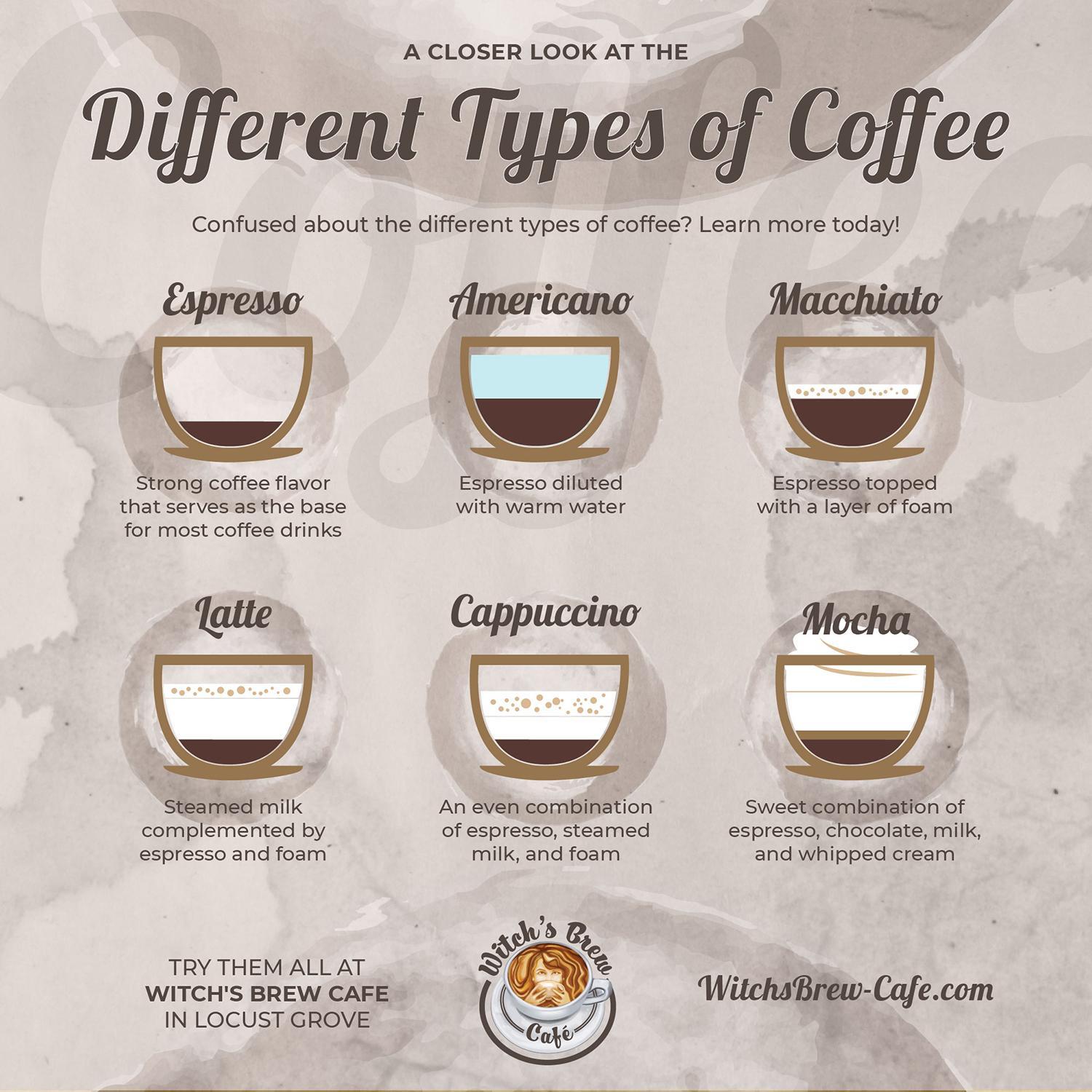
As we move further into the 21st century, the difference between coffee and espresso is increasingly defined by software. While “smart” drip coffee makers exist, they are largely focused on scheduling and basic automation. Espresso technology, however, has embraced data science.
Flow Profiling and Volumetric Control
Modern professional and high-end consumer espresso machines (such as those from Decent Espresso or La Marzocco) utilize sophisticated software to monitor “flow rate” in real-time. By using flow meters and digital valves, the machine can detect if the coffee puck is degrading and automatically adjust the pressure to compensate. This is essentially “closed-loop” feedback engineering. Users can design “shot profiles” on a tablet interface, specifying the exact pressure at every second of the extraction, and then share those data files via the cloud with other users globally.
Connectivity and Predictive Maintenance
The Internet of Things (IoT) has become a staple in the espresso world. Commercial espresso machines are now frequently connected to Wi-Fi, allowing cafe owners to monitor “up-time,” the number of shots pulled, and even the mineral content of the water. This data is used for predictive maintenance—software can alert a technician that a pump is likely to fail 1,000 cycles before it actually does. This level of enterprise-grade tech is non-existent in the world of standard drip coffee, where the mechanical complexity is significantly lower.
Specialized Hardware: The Grinder as a Precision Instrument
While the machine handles the water, the grinder handles the surface area. The technical requirements for an espresso grinder are exponentially higher than those for a standard coffee grinder, representing a significant investment in precision machining.
Micrometric Adjustment and Burr Geometry
In coffee brewing, a “good enough” grind is often acceptable. In espresso, where the water is being forced through the grounds at 130 psi, the grind must be perfectly uniform to prevent “channeling”—where water finds a path of least resistance and bypasses the coffee.
Espresso grinders use “micrometric” adjustment systems, allowing the user to move the grinding burrs in increments of microns (one-thousandth of a millimeter). The burrs themselves are often coated in titanium or Diamond-Like Carbon (DLC) to reduce heat friction, as heat can prematurely degas the coffee beans during the grinding process.
Static Control and Dose Consistency
Modern tech has also addressed the “static” problem. When coffee is ground finely for espresso, the high-speed friction creates a massive static charge, causing the grounds to clump. High-end grinders now use ionizers or “Plasma Generators” at the exit chute to neutralize this charge, ensuring that every milligram of coffee falls cleanly into the basket. This focus on “zero retention” and ionic stabilization is a niche technological advancement specific to the high-pressure demands of espresso.
The Future of Caffeine Tech: AI and Sustainable Extraction
As we look toward the future, the gap between coffee and espresso tech continues to widen through the implementation of Artificial Intelligence and advanced materials science.
AI-Driven Extraction
We are beginning to see the rise of AI-integrated espresso machines that use machine learning to “dial in” a shot. By analyzing the resistance of the coffee puck and comparing it to a database of millions of previous extractions, the machine can automatically adjust the grind size and water temperature to reach an “ideal” extraction yield. This moves the technology away from manual craft and toward automated precision.
Energy Efficiency and Induction Heating
Traditionally, espresso machines are energy-intensive, requiring large copper boilers to stay hot all day. New engineering is pivoting toward “thick-film” heaters and induction heating, which can bring water from room temperature to a precise 201°F in a matter of seconds. This reduces the carbon footprint of the machine while providing better thermal responsiveness.
In conclusion, while the average consumer might see the difference between coffee and espresso as a matter of “strength,” the reality is a story of technological divergence. Coffee remains a beautiful exercise in thermal stability and gravity-based extraction. Espresso, however, has become a high-tech frontier involving hydraulic pressure, PID-governed microprocessors, micrometric machining, and IoT-enabled data analysis. It is not just a different beverage; it is a different level of engineering altogether.
aViewFromTheCave is a participant in the Amazon Services LLC Associates Program, an affiliate advertising program designed to provide a means for sites to earn advertising fees by advertising and linking to Amazon.com. Amazon, the Amazon logo, AmazonSupply, and the AmazonSupply logo are trademarks of Amazon.com, Inc. or its affiliates. As an Amazon Associate we earn affiliate commissions from qualifying purchases.