
In the beverage industry, the distinction between “cider” and “juice” is more than a simple matter of ingredients or processing methods; it is a masterclass in brand positioning and market segmentation. While consumers often conflate the two based on physical appearance, the industry treats these terms as distinct brand identities that cater to entirely different psychological needs, price points, and consumer demographics. Understanding how these products are marketed reveals the power of linguistic branding in shaping consumer perception.
The Semantics of Authenticity: Building Brand Identity
Brand identity is the collection of all elements that a company creates to portray the right image to its consumer. When a company labels a product “cider” versus “juice,” they are not just describing the liquid; they are crafting a narrative. The term “juice,” in modern marketing, has become synonymous with mass production, consistency, and daily utility. It is positioned as a functional product—a source of vitamins and a staple for breakfast tables.

Conversely, “cider” is branded as a craft product. It carries connotations of seasonality, tradition, and orchard-fresh quality. Even when the technical production processes overlap, the brand strategy for cider emphasizes the “story” behind the bottle.
Leveraging the “Craft” Narrative
Cider brands often utilize design elements that suggest manual labor and rustic charm. Think of the typeface choices: serif fonts that look like vintage stamps, earthy color palettes of deep greens and autumnal oranges, and labels that highlight the specific origin of the fruit. This is a deliberate strategy to justify a premium price point. When a product is branded as “cider,” the consumer expects to pay more for the perceived authenticity, whereas “juice” is often subject to the aggressive price-matching pressures of supermarket shelf competition.
The Standardization of Juice
Juice marketing relies on reliability. A consumer buying orange juice expects the exact same taste experience regardless of the batch or the season. Brand strategy here focuses on consistency as a pillar of trust. By contrast, cider brands often lean into “variability” as a feature. “This year’s harvest” is a common marketing hook that celebrates the unique nuances of the fruit, a strategy that would actually harm a mass-market juice brand.
Strategic Marketing and Consumer Segmentation
The division between cider and juice allows companies to segment their audience effectively. Brand strategists know that the person buying a gallon of apple juice is typically a parent focused on grocery budgeting and household replenishment. The person buying a craft bottle of cider is often an experience-seeker, someone looking for an artisanal treat or a premium beverage to share at a social gathering.
Demographic Targeting
Because these categories attract different personas, marketing channels differ significantly. Juice advertising often targets television spots or social media content focused on family wellness, breakfast habits, and hydration. Cider marketing, meanwhile, leans into lifestyle branding—influencer partnerships at fall festivals, collaborations with farm-to-table restaurants, and experiential marketing that emphasizes the “journey” from tree to bottle.
The Role of Packaging Design
Packaging design is perhaps the most significant differentiator. Juice packaging prioritizes utility. The use of plastic cartons or clear PET bottles suggests ease of use, stackability, and visibility of the contents. The brand identity of juice is about transparency—literally showing the consumer the fluid.
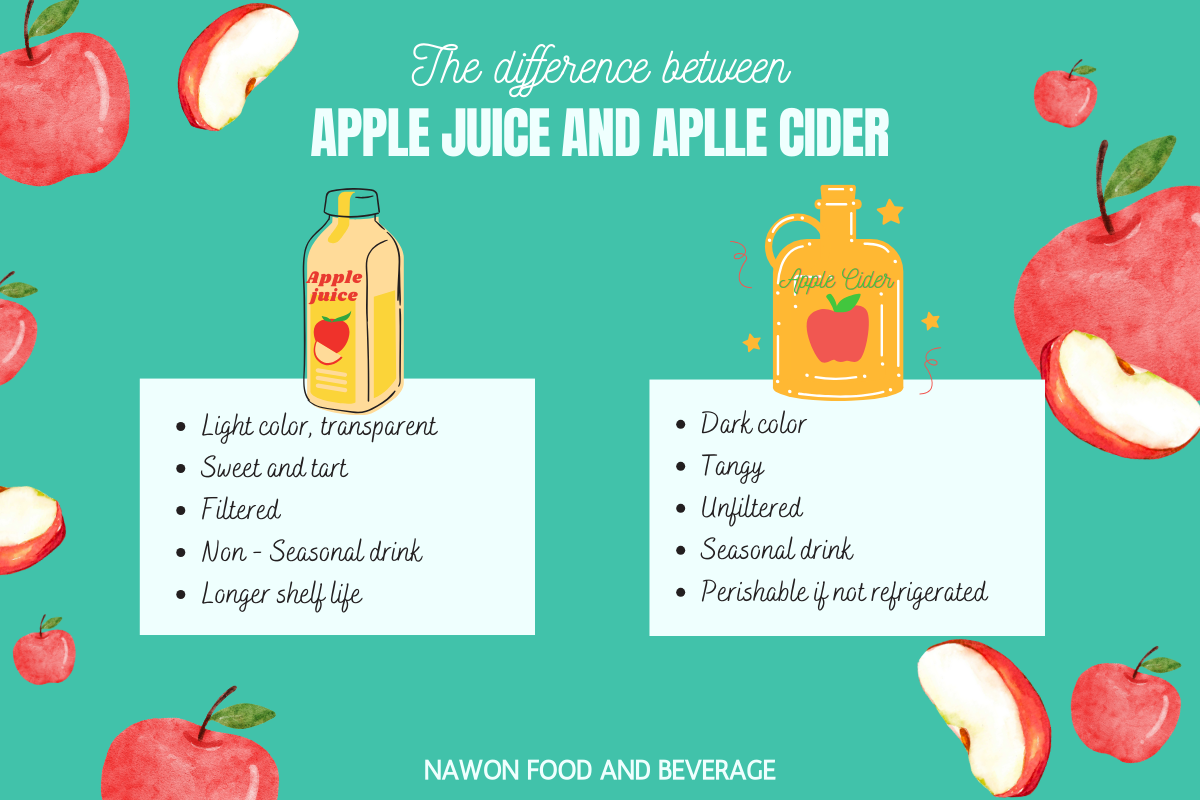
Cider packaging, however, frequently employs glass bottles, corks, or sophisticated matte labels. It treats the product as a luxury good. This is a strategic choice designed to elevate the perceived value. When a consumer holds a cider bottle, the weight of the glass and the tactile finish of the label create a sensory experience that justifies the premium cost—a classic case study in how physical design supports brand equity.
Pricing Power and Revenue Streams
From a business finance perspective, the labeling of a product as “cider” versus “juice” dictates the potential margins and revenue streams. This is where brand strategy directly influences the bottom line.
Premiumization through Positioning
The “cider” brand architecture allows for premium pricing. By distancing the product from the highly commoditized “juice” market, companies can escape the “race to the bottom” in terms of pricing. This is a vital tactic for smaller producers. If a business identifies its product as “juice,” it must compete with industrial giants who benefit from economies of scale. By rebranding as “cider,” the business enters a niche market where price is secondary to brand story and perceived quality.
Diversified Income Channels
Cider brands often leverage their identity to open additional income channels. A brand that successfully establishes its cider as an artisanal product can move into secondary markets that juice brands struggle to enter, such as high-end hospitality, subscription box services, and exclusive winery-style tasting rooms.
Juice brands, while limited in their ability to pivot to luxury, have the advantage of high-volume, recurring revenue. Their brand strategy is built on turning the product into a “habit.” The financial success of a juice brand is measured by shelf rotation and retail distribution density. In contrast, the financial success of a cider brand is measured by brand loyalty and the ability to command a price premium that protects the company from inflation and rising commodity costs.
Case Studies in Niche Dominance
When we look at successful players in the market, the distinction is clear. Major juice corporations focus on the “purity” and “health” aspects of their product to maintain their market share. Their branding is defensive—they must protect their reputation against the rising tide of health-conscious consumers who are skeptical of sugar content. They utilize “clean label” marketing strategies to retain trust.
Cider producers, however, focus on “provenance.” They highlight the specific type of apples, the pressing technique, and the history of the orchard. This is an offensive marketing strategy. They are not competing to be the healthiest option on the table; they are competing to be the most desirable.
Adapting to Consumer Trends
The shift in consumer behavior toward “premiumization” has seen many juice producers attempting to borrow the branding tactics of the cider industry. We see “cold-pressed” or “small-batch” juice products emerging with packaging that mimics cider aesthetics. This is a strategic attempt to bridge the gap and capture the higher margins associated with the cider brand identity. However, the most successful brands are those that remain consistent in their messaging. A brand that tries to be both a mass-market juice and a craft cider often confuses the consumer, leading to a dilution of brand equity.
Conclusion: The Strategic Choice
The difference between cider and juice is ultimately a difference in brand intent. Whether a company chooses to pursue the volume-driven path of juice or the value-driven path of cider determines everything from their supply chain logistics to their marketing spend. By understanding the psychological triggers that differentiate these two products, businesses can better navigate the competitive landscape, optimize their pricing strategies, and build a lasting connection with their target demographic. In the end, the liquid might come from the same orchard, but the brand—and the success that follows—is entirely defined by the story the producer decides to tell.
aViewFromTheCave is a participant in the Amazon Services LLC Associates Program, an affiliate advertising program designed to provide a means for sites to earn advertising fees by advertising and linking to Amazon.com. Amazon, the Amazon logo, AmazonSupply, and the AmazonSupply logo are trademarks of Amazon.com, Inc. or its affiliates. As an Amazon Associate we earn affiliate commissions from qualifying purchases.