
In the ever-evolving landscape of aesthetic treatments, two of the most widely discussed and sought-after procedures are Botox and dermal fillers. While both are injectable cosmetic treatments designed to address signs of aging and enhance facial features, they operate on fundamentally different principles and target distinct concerns. Understanding these differences is crucial for anyone considering these procedures, enabling informed decision-making and realistic expectations. This article delves into the core distinctions between Botox and fillers, exploring their mechanisms of action, the types of concerns they address, their longevity, and important considerations for patients.

Understanding the Core Mechanisms: How They Work
The primary divergence between Botox and fillers lies in their fundamental approach to facial rejuvenation. One works by relaxing muscles, while the other replenishes lost volume. This distinction dictates the types of wrinkles and lines each treatment is best suited to address.
Botox: Targeting Dynamic Wrinkles Through Muscle Relaxation
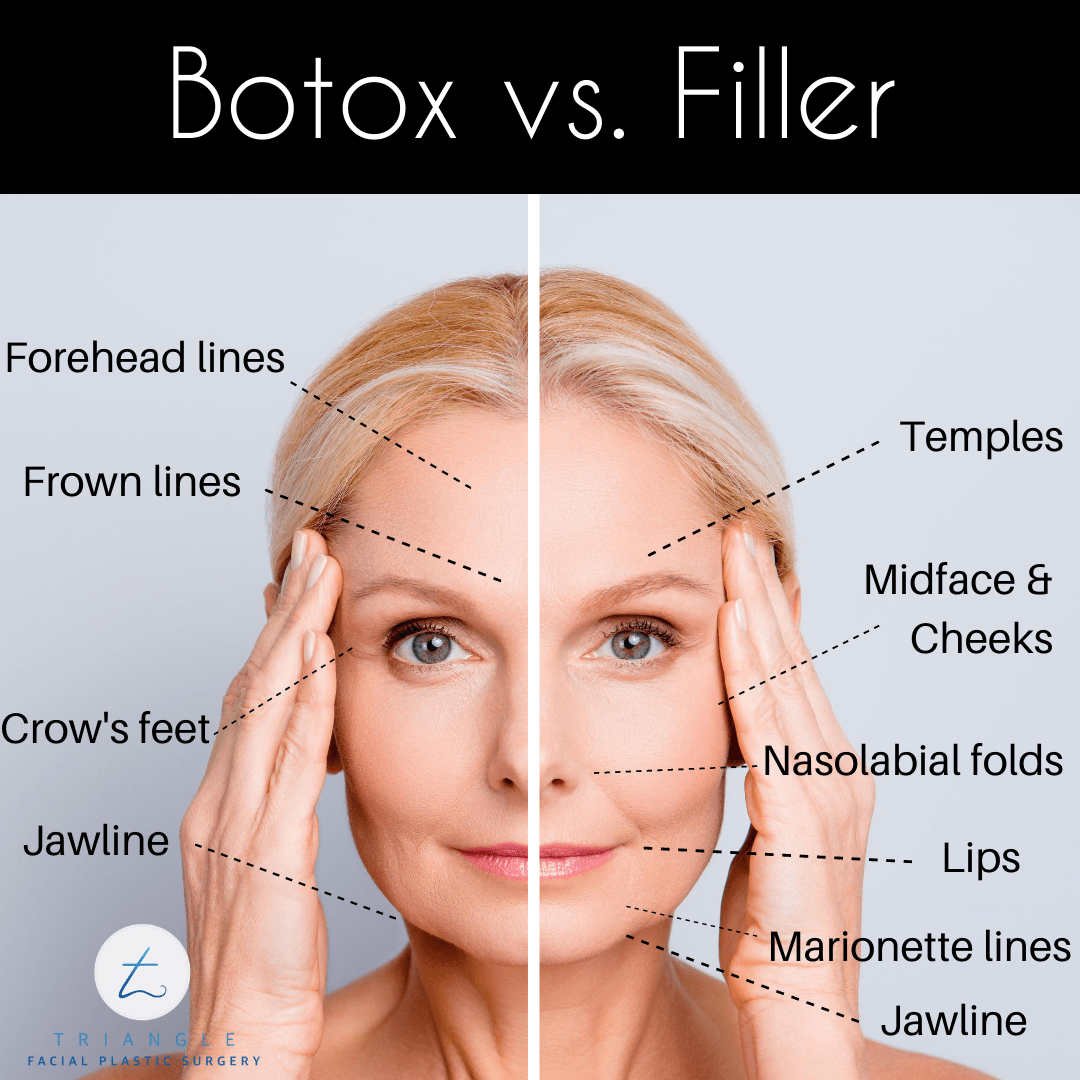
Botox is a brand name for a neurotoxin produced by the bacterium Clostridium botulinum. When injected in small, diluted doses, it acts as a muscle relaxant. Its primary function is to temporarily block nerve signals that cause muscles to contract. These muscle contractions are responsible for the formation of “dynamic wrinkles,” which are lines that appear with facial expressions. Think of the frown lines between your eyebrows (glabellar lines), the crow’s feet around your eyes, and the horizontal lines across your forehead.
Mechanism of Action: Botox works by inhibiting the release of acetylcholine, a neurotransmitter that signals muscles to contract. By blocking this signal, the targeted muscles become temporarily paralyzed or significantly weakened. This relaxation of the underlying muscles smooths out the overlying skin, reducing the appearance of dynamic wrinkles. It’s important to note that Botox does not fill in wrinkles; it prevents them from forming or deepening by limiting the muscle’s ability to move.
Targeted Concerns:
- Forehead Lines: Horizontal lines caused by raising the eyebrows.
- Glabellar Lines (Frown Lines): Vertical lines between the eyebrows, often referred to as “eleven lines,” caused by frowning or furrowing the brow.
- Crow’s Feet: Lines radiating from the outer corners of the eyes, caused by squinting or smiling.
- Bunny Lines: Wrinkles that form on the sides of the nose when scrunching the nose.
- Marionette Lines (Partial): While fillers are more effective for deep marionette lines, Botox can sometimes soften the downward pull of facial muscles that contribute to their formation.
- Gummy Smile: By relaxing the muscles that elevate the upper lip, Botox can reduce the amount of gum visible when smiling.
- Neck Bands (Platysmal Bands): Vertical bands in the neck that become more prominent with age can be smoothed by relaxing the platysmal muscles.
Key Considerations for Botox:
- Onset of Action: Results are typically visible within 3-7 days, with full effects seen around two weeks post-injection.
- Longevity: The effects of Botox are temporary, lasting approximately 3-6 months, depending on the individual and the area treated. Muscle activity gradually returns, and repeat treatments are necessary to maintain results.
- Not for Static Wrinkles: Botox is less effective for “static wrinkles,” which are present even when the face is at rest. These are often due to loss of collagen and elasticity and are better treated with fillers.
- Potential Side Effects: Common side effects include bruising, swelling, redness at the injection site, and temporary drooping of the eyelids or eyebrows if the product migrates. Serious side effects are rare but can include allergic reactions and diffusion of the toxin to unintended muscles.
Dermal Fillers: Restoring Volume and Smoothing Static Wrinkles
Dermal fillers, in contrast to Botox, are designed to add volume and fullness to specific areas of the face. They are particularly effective at addressing the signs of aging that result from the natural loss of subcutaneous fat, collagen, and elastin as we age. This loss of volume leads to sagging skin, hollowed areas, and the formation of “static wrinkles,” which are present regardless of facial expression.
Mechanism of Action: Fillers are injectable gels that are strategically placed beneath the skin’s surface. The most common type of dermal filler is hyaluronic acid (HA), a naturally occurring substance in the body that attracts and retains water, thereby plumping the skin and providing hydration and support. Other types of fillers include calcium hydroxylapatite, poly-L-lactic acid, and polymethylmethacrylate microspheres, each with different properties and uses. Fillers literally “fill in” the depressions caused by volume loss and can also stimulate collagen production over time.
Targeted Concerns:
- Cheek Augmentation: Restoring lost volume in the cheeks for a lifted and more youthful appearance.
- Nasolabial Folds: The deep creases that run from the sides of the nose to the corners of the mouth, often called smile lines.
- Marionette Lines: Lines that extend downwards from the corners of the mouth, giving a sad or downturned appearance.
- Lip Enhancement: Adding volume, definition, and symmetry to the lips.
- Chin and Jawline Contouring: Enhancing the definition and shape of the chin and jawline.
- Under-Eye Hollows (Tear Troughs): Filling in hollowness beneath the eyes, which can reduce the appearance of dark circles and fatigue.
- Hand Rejuvenation: Restoring volume to the back of the hands to minimize the appearance of veins and tendons.
- Acne Scars and Other Indentations: Filling in depressed scars and other skin imperfections.
Key Considerations for Fillers:
- Immediate Results: The results of filler injections are generally immediate, with visible plumping and smoothing occurring right after the procedure.
- Longevity: The duration of filler results varies depending on the type of filler used, the area treated, and individual metabolism. Hyaluronic acid fillers typically last from 6 to 18 months. Longer-lasting fillers may extend for several years.
- Versatility: Fillers are incredibly versatile and can be used to sculpt and shape the face, not just to fill wrinkles.
- Potential Side Effects: Common side effects include bruising, swelling, redness, and tenderness at the injection site. Lumps or bumps can occasionally occur and are often treatable. Serious side effects, though rare, include infection, allergic reactions, and vascular occlusion (blockage of a blood vessel), which can lead to tissue damage.
Addressing Different Types of Wrinkles: Dynamic vs. Static
The fundamental difference in how Botox and fillers work directly translates to the types of wrinkles they are best equipped to treat. This distinction is paramount when choosing the right treatment for specific concerns.
Dynamic Wrinkles: The Domain of Botox
Dynamic wrinkles are those formed by repetitive muscle movements. Every time you smile, frown, or squint, the muscles in your face contract, creating creases in the overlying skin. Over time, with repeated contractions and a decrease in skin elasticity, these creases become more pronounced and eventually form visible lines, even when your face is at rest. Botox’s ability to temporarily paralyze these muscles makes it the gold standard for addressing dynamic wrinkles. By preventing or significantly reducing muscle activity, Botox effectively softens or eliminates these expression-related lines, leading to a smoother, more refreshed appearance.
Static Wrinkles: The Strength of Fillers
Static wrinkles, on the other hand, are visible when your face is at rest. These are primarily caused by the loss of volume in the skin due to aging. As we get older, our bodies produce less collagen and elastin, the proteins that give our skin its structure, firmness, and elasticity. Fat pads in the face also shift and diminish, leading to sagging and hollowed areas. This loss of underlying support causes the skin to fold and crease, creating static wrinkles. Dermal fillers, with their ability to replenish lost volume and add structural support, are ideal for treating these types of wrinkles. By filling in the depressions and providing a scaffold for the skin, fillers smooth out the surface and restore a more youthful contour.
Longevity and Maintenance: What to Expect Over Time
The temporary nature of both Botox and fillers necessitates a discussion about their longevity and the ongoing commitment required to maintain results. Understanding these timelines helps individuals plan their treatments and budget accordingly.
Botox: A Temporary Solution for Muscle Movement
The effects of Botox are not permanent. The neurotoxin gradually breaks down in the body, and nerve signals to the muscles are restored. Typically, the visible effects of Botox last between 3 to 6 months. The exact duration can vary based on factors such as the individual’s metabolism, the dosage used, the specific muscles treated, and the frequency of previous treatments. Areas with more active muscle movement, like the forehead, may see results dissipate faster than less active areas. Regular touch-up treatments are required to sustain the desired effects. Many individuals opt for a consistent schedule of treatments, often around every 4-5 months, to prevent the return of dynamic wrinkles.
Dermal Fillers: Variable Durability for Volume Restoration
The longevity of dermal fillers is more variable than Botox and depends significantly on the type of filler used and the area of injection. Hyaluronic acid fillers, the most common type, generally last between 6 to 18 months. Fillers placed in areas with less movement, such as the cheeks, tend to last longer than those in areas with more movement, like the lips. Other types of fillers, such as those containing calcium hydroxylapatite or poly-L-lactic acid, can offer longer-lasting results, sometimes extending up to two years or more, as they also stimulate collagen production over time. Like Botox, repeat treatments are necessary to maintain volume and smoothness. Some individuals may opt for gradual replenishment rather than complete re-treatment to maintain a natural look.
Combining Treatments: A Synergistic Approach
While Botox and fillers are distinct in their mechanisms and applications, they are often used in combination to achieve comprehensive facial rejuvenation. This synergistic approach can address a wider range of aesthetic concerns simultaneously, leading to more dramatic and natural-looking results.
The Power of Complementarity
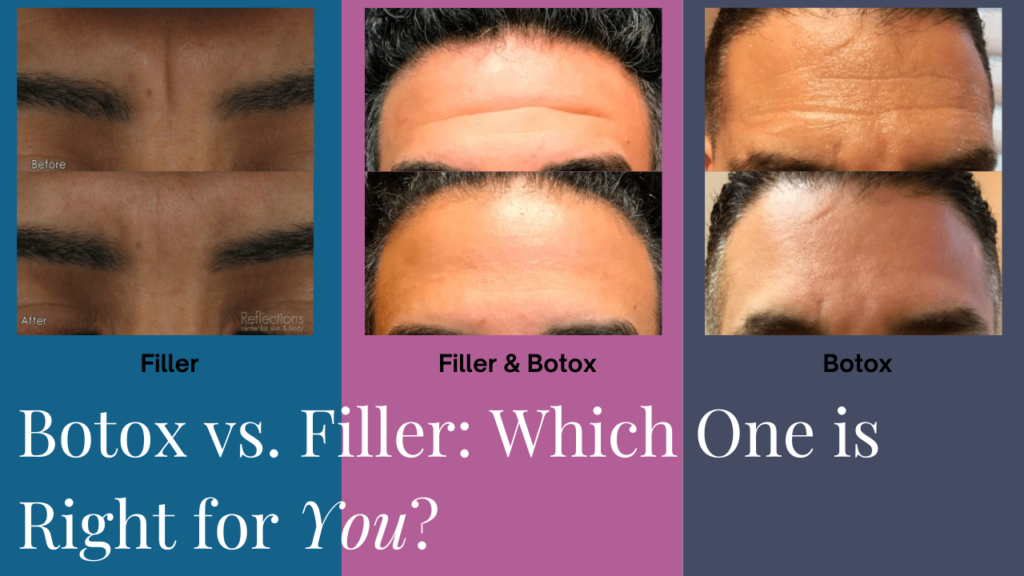
The most effective aesthetic outcomes are often achieved by addressing both dynamic wrinkles and volume loss. For instance, a patient might have deep frown lines (dynamic wrinkles) that require Botox to relax the muscles responsible, and also have lost volume in their cheeks and under-eye area (static wrinkles and volume loss) that would benefit from fillers. By using Botox to soften the lines caused by muscle movement and fillers to restore lost volume and smooth out static lines, a more holistic and youthful appearance can be achieved. This combination can effectively address sagging skin, hollows, and creases, creating a smoother, plumper, and more lifted look.
Strategic Application for Optimal Results
A skilled injector will assess the patient’s individual needs and determine the most appropriate combination of treatments. This might involve treating dynamic wrinkles with Botox first, then addressing static wrinkles and volume loss with fillers in a separate session or on the same day, depending on the specific products and techniques used. The goal is to create a balanced and harmonious result that enhances the individual’s natural features without looking overdone. It’s crucial to consult with a qualified and experienced medical professional who can recommend a personalized treatment plan that leverages the strengths of both Botox and fillers to achieve the desired aesthetic goals.
aViewFromTheCave is a participant in the Amazon Services LLC Associates Program, an affiliate advertising program designed to provide a means for sites to earn advertising fees by advertising and linking to Amazon.com. Amazon, the Amazon logo, AmazonSupply, and the AmazonSupply logo are trademarks of Amazon.com, Inc. or its affiliates. As an Amazon Associate we earn affiliate commissions from qualifying purchases.