
The realm of athletic footwear is a fascinating intersection of biomechanics, material science, and performance engineering. While seemingly similar in their fundamental purpose—providing traction and support on natural turf—baseball and soccer cleats are meticulously designed instruments, each a product of distinct technological requirements driven by the unique demands of their respective sports. Understanding these differences reveals a sophisticated approach to optimizing player performance and safety through specialized footwear technology.
Engineered for Ground Contact: The Sole Plate and Stud Design
The most pronounced technological divergence between baseball and soccer cleats lies in their sole plate construction and the configuration of their studs (or “spikes”). These components are paramount for ground penetration, traction, and the transfer of energy, and their design directly reflects the specific movements and forces encountered in each sport.
Baseball: Explosive Power and Lateral Agility
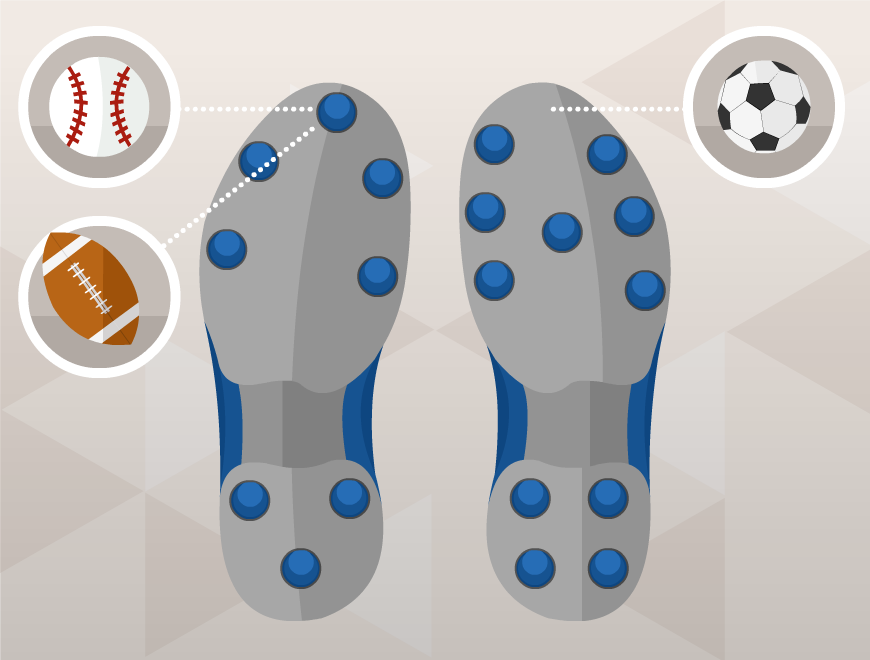
Baseball cleats are engineered to facilitate explosive bursts of speed, quick directional changes on dirt and grass, and the powerful rotational movements involved in batting and pitching. The technological solution for these demands often involves a combination of metal and molded studs, strategically placed to optimize specific actions.
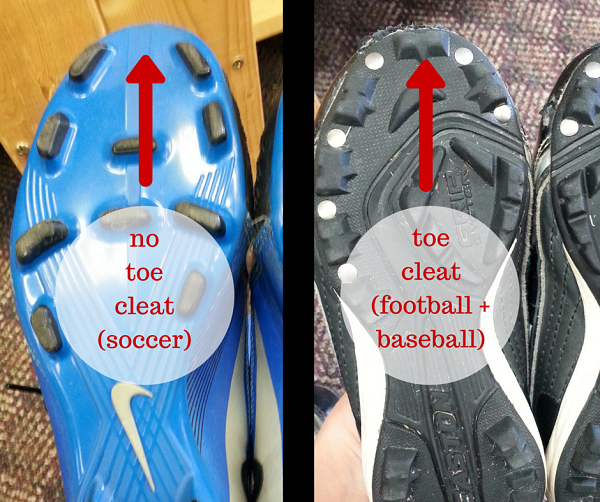
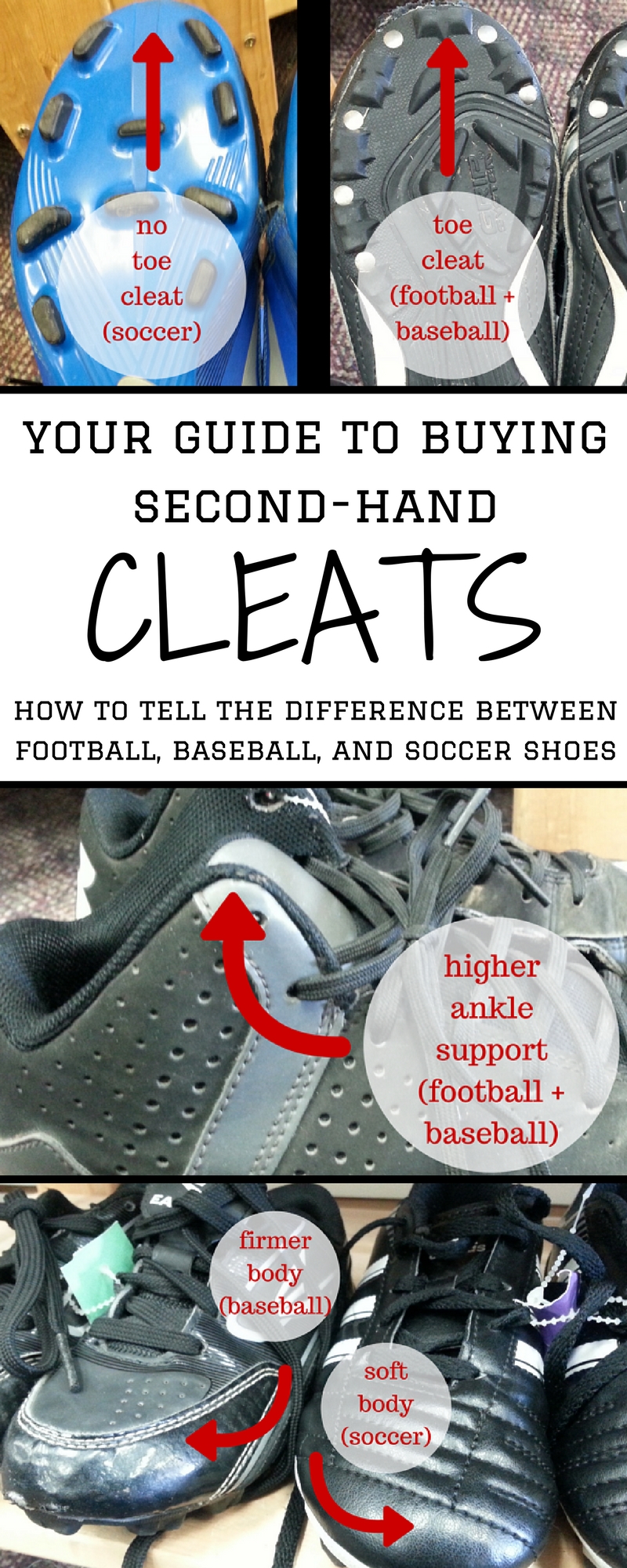
- Metal Spikes: Traditionally favored by professional and collegiate players, metal spikes offer superior grip and penetration into packed dirt and grass, providing maximum traction for quick starts, stops, and lateral movements. The arrangement typically includes a prominent toe spike (or multiple forefoot spikes) for digging in during acceleration, base running, and the initial push-off for pitching. The heel often features two or three spikes for stability during stopping and fielding. This aggressive stud pattern is crucial for generating the torque required for a powerful swing or pitch, and for maintaining purchase during quick slides. The technology here lies in the precise geometry and material science of the metal alloy, balancing durability, sharpness, and minimal weight.
- Molded Cleats: For younger players or those playing on synthetic turf, molded rubber or TPU (thermoplastic polyurethane) studs are common. These cleats offer excellent durability and a safer alternative to metal spikes, while still providing reliable traction. The stud patterns are often more numerous and less aggressive, designed for consistent grip across varying field conditions and to distribute pressure more evenly across the foot. Advanced molded designs incorporate multi-directional traction patterns and varied stud shapes to mimic some of the performance benefits of metal while adhering to safety regulations. The materials science focuses on achieving optimal hardness for grip without sacrificing flexibility or comfort.
Soccer: Multidirectional Traction and Ball Control
Soccer cleats, by contrast, prioritize multidirectional agility, rotational movement, and an unobstructed interface with the ball. The game demands constant changes in direction, intricate footwork, and precise ball manipulation, all of which influence cleat design.
- Conical/Round Studs: Historically, soccer cleats heavily relied on conical or round studs, often made from TPU. This design excels at facilitating rotational movements, allowing players to pivot quickly without snagging the turf—a critical feature for dribbling, passing, and shooting. The even distribution of pressure also contributes to comfort during extended play. Modern conical studs often feature variations in size and height to fine-tune traction and release characteristics.
- Bladed Studs: An evolution in soccer cleat technology introduced bladed studs. These elongated, often triangular or rectangular studs, provide enhanced linear acceleration and braking power compared to purely conical designs. They “bite” into the ground more aggressively, offering a forward propulsion advantage. However, excessively aggressive bladed patterns can sometimes hinder rotational movements or increase the risk of knee injuries if not designed carefully. Contemporary designs often feature hybrid stud patterns, combining bladed studs in areas needing linear grip (e.g., forefoot) with conical studs for rotational freedom (e.g., pivot points).
- Sole Plate Flexibility: Soccer cleat sole plates are generally more flexible than their baseball counterparts, especially in the forefoot. This flexibility is essential for natural foot movement during dribbling and passing, allowing the foot to conform more dynamically to the ball and ground. The technology involves engineered flex zones and lightweight, high-strength polymers like pebax or carbon fiber blends to achieve this balance of flexibility, responsiveness, and minimal weight.
Upper Materials and Foot Containment: A Technological Divide
Beyond the sole, the upper portion of a cleat plays a crucial role in foot containment, comfort, and the interaction between the player and their sport’s equipment. Advances in material science and manufacturing processes have led to highly specialized uppers for both baseball and soccer.
Baseball: Stability, Support, and Durability
Baseball cleat uppers are designed with an emphasis on robust support and durability to withstand the rigors of a long season and the dynamic forces involved in batting, pitching, and fielding.
- Synthetic Leather/Mesh Combinations: Many baseball cleats feature durable synthetic leather or robust mesh materials. Synthetic leather offers excellent support, protection, and longevity, often incorporating strategic overlays for added stability in high-stress areas. Mesh sections are frequently integrated for breathability and reduced weight. The technology here focuses on composite material layering and zonal reinforcement.
- Ankle Support: Given the sharp cuts and lateral movements, some baseball cleats offer higher ankle cuts or incorporate additional strapping systems to enhance ankle stability and reduce the risk of sprains. This can involve internal cages, external TPU overlays, or specialized lacing systems that integrate with the upper’s structure.
- Toe Protection: Pitchers, in particular, benefit from reinforced toe caps or overlays to protect against wear and tear from dragging their toe during the pitching motion. This is a specific design consideration not typically found in soccer cleats, highlighting the sport-specific technological adaptations.
Soccer: Lightweight Agility and Touch Sensitivity
Soccer cleat uppers prioritize a lightweight feel, a “barefoot” touch on the ball, and dynamic flexibility to allow for intricate footwork and explosive acceleration.
- Knit and Synthetic Uppers: Modern soccer cleats frequently utilize advanced knit technologies (e.g., Flyknit, Primeknit) or ultra-thin synthetic materials (e.g., Teijin microfibers). These materials are engineered for minimal weight, glove-like fit, and enhanced tactile sensation, allowing players to “feel” the ball more intimately. Knit uppers often incorporate variable densities to provide zonal support where needed, while remaining pliable in other areas for natural foot movement.
- Barefoot Feel Technology: A significant trend in soccer cleat design has been the pursuit of a “barefoot feel.” This is achieved through minimalistic upper construction, often with reduced padding and streamlined designs that bring the foot closer to the ball. The material science focuses on highly tensile, yet thin, fibers and coatings that offer grip on the ball without adding bulk.
- Laceless Designs: Some high-end soccer cleats have even eliminated traditional laces, opting for compression-fit knit uppers. This technological advancement aims to create a larger, cleaner striking surface for the ball, further enhancing control and power. The engineering challenge involves creating an upper that provides consistent lockdown and fit without the adjustability of laces.
Midsole and Cushioning Technology: Impact Absorption vs. Ground Feel
The internal cushioning and midsole construction also differentiate the two cleat types, catering to the varying impact forces and desired feedback from the playing surface.
Baseball: Enhanced Protection and Ergonomics
Baseball cleats often incorporate more substantial cushioning in the midsole, particularly in the heel and forefoot. The game involves periods of standing and waiting, followed by explosive sprints, slides, and powerful ground impacts.
- Full-Length Midsole: Many baseball cleats feature a full-length EVA foam or proprietary cushioning technologies (e.g., Nike Air, Adidas Boost, Under Armour Charged Cushioning). This provides enhanced comfort and impact absorption, protecting the feet and joints from repetitive stress, especially during long games or practices on firm surfaces. The ergonomic design considers the varied movements and static periods.
- Arch Support: Strong arch support is often integrated to provide stability during powerful rotational movements and long periods of standing, mitigating fatigue. The technology here involves engineered inserts and shaping of the midsole to cradle the foot’s natural arch.
Soccer: Responsive Feedback and Low Profile
Soccer cleats typically feature a thinner, lower-profile midsole, sometimes with minimal cushioning. The emphasis is on keeping the player’s foot as close to the ground as possible to enhance ground feel and responsiveness, which is crucial for quick reactions and precise ball control.
- Minimalist Cushioning: While some soccer cleats incorporate targeted cushioning in key areas, the overall approach is often minimalist. The focus is on lightweight responsiveness rather than maximum impact absorption. This design allows for a more direct transfer of energy from the foot to the ground and the ball.
- Low Stack Height: A lower stack height (the distance from the ground to the foot) is a common technological feature in soccer cleats. This design choice contributes to a sense of agility and stability, allowing players to feel the pitch beneath their feet and react instantaneously.
The Science of Fit and Player Performance: Optimizing Biomechanics
Ultimately, the goal of these technological advancements in both baseball and soccer cleats is to optimize player performance and reduce injury risk through superior biomechanical integration.
Adapting to Game Mechanics
Every design choice, from stud pattern to upper material, is a direct response to the specific biomechanical demands of the sport. Baseball cleats are built for linear explosiveness, lateral cutting, and powerful rotational torque, necessitating robust support and aggressive traction. Soccer cleats, conversely, are fine-tuned for multidirectional agility, precise ball manipulation, and sustained high-intensity movement, requiring flexibility, lightweight construction, and a sensitive touch. The engineering is not just about making a shoe; it’s about extending the player’s natural capabilities.
Injury Prevention Through Design
Advanced cleat technology also plays a critical role in injury prevention. By providing appropriate traction, support, and cushioning, cleats can reduce the strain on joints, ligaments, and tendons. For example, well-designed stud patterns minimize the risk of the foot “sticking” in the ground, which can lead to knee or ankle sprains. The strategic use of materials, from stiff sole plates for energy transfer to flexible uppers for natural movement, all contribute to a player’s long-term well-being on the field. The integration of wearer data and motion analysis often informs these design iterations, pushing the boundaries of what athletic footwear can achieve.
In conclusion, while both baseball and soccer cleats serve to equip athletes for turf-based sports, their underlying technological philosophies and resulting designs are distinctly specialized. Each cleat is a testament to sophisticated engineering, material science, and a deep understanding of human biomechanics, all working in concert to enhance performance and safety within its unique sporting context.
aViewFromTheCave is a participant in the Amazon Services LLC Associates Program, an affiliate advertising program designed to provide a means for sites to earn advertising fees by advertising and linking to Amazon.com. Amazon, the Amazon logo, AmazonSupply, and the AmazonSupply logo are trademarks of Amazon.com, Inc. or its affiliates. As an Amazon Associate we earn affiliate commissions from qualifying purchases.