
For any culinary enthusiast, barbecue aficionado, or even the casual diner contemplating their next meal, the world of pork ribs can present a delicious dilemma. Two contenders consistently vie for attention: baby back ribs and spare ribs. While both offer a succulent, meaty experience, they are distinctly different in their origin, characteristics, preparation, and even their commercial implications. Understanding these differences isn’t just about making an informed choice at the butcher counter; it’s about appreciating the nuances that impact everything from the final taste and texture to the cost, marketing strategy, and even the smart kitchen tech employed in their perfection.
In an era where technology influences our cooking, branding shapes our perceptions, and financial literacy guides our choices, even something as primal as a rack of ribs intersects with broader themes. Whether you’re a home cook looking to master your smoker, a budding entrepreneur eyeing a BBQ side hustle, or a brand strategist analyzing consumer preferences, delving into the world of baby back and spare ribs offers valuable insights. This article will dissect the fundamental distinctions between these two popular cuts, exploring their anatomy, culinary applications, and how they interact with the realms of technology, branding, and money.
The Anatomy of Pork Ribs: A Culinary and Commercial Perspective
To truly appreciate the differences, we must first understand where these cuts come from on the hog. Each type of rib offers a unique composition of meat, bone, and fat, which directly influences its texture, flavor, and suitability for various cooking methods. This anatomical distinction also has significant commercial implications, dictating everything from pricing to market perception.
Baby Back Ribs: The “Premium” Cut
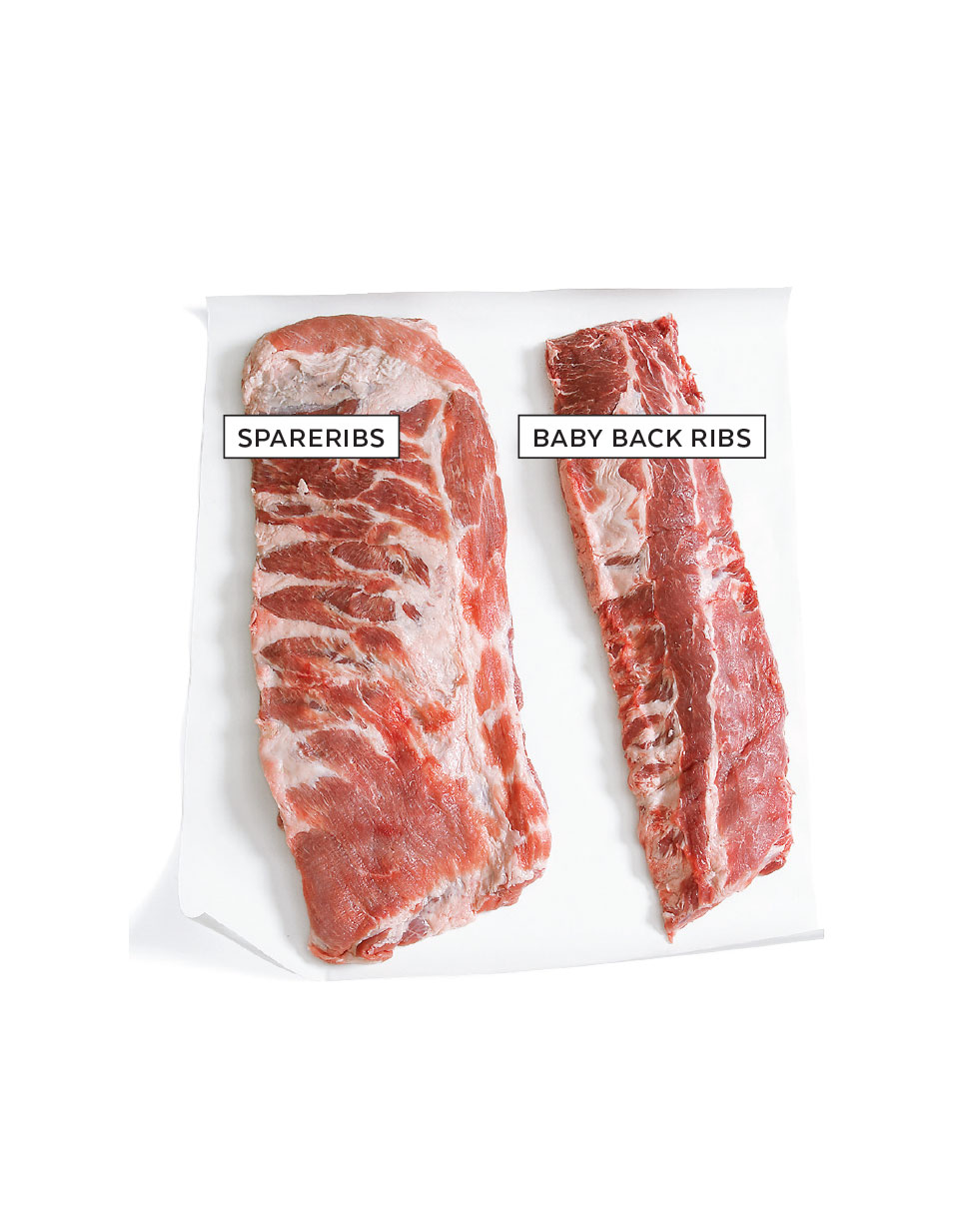
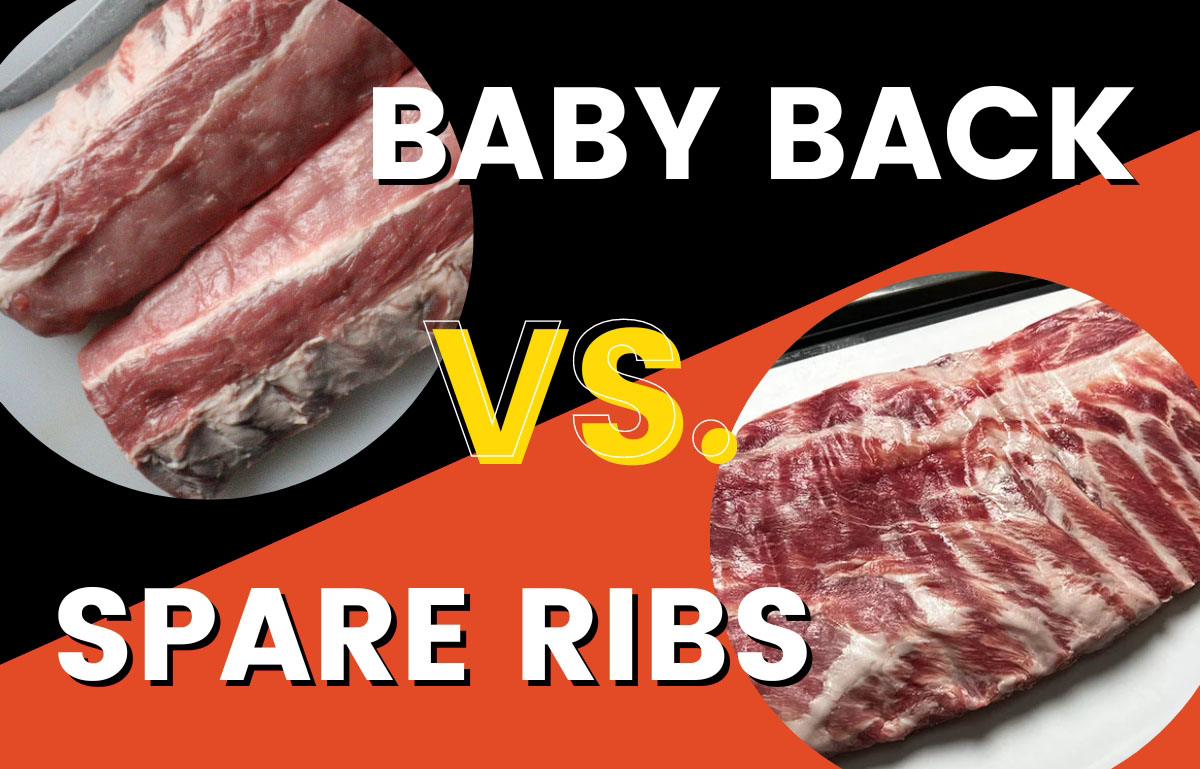
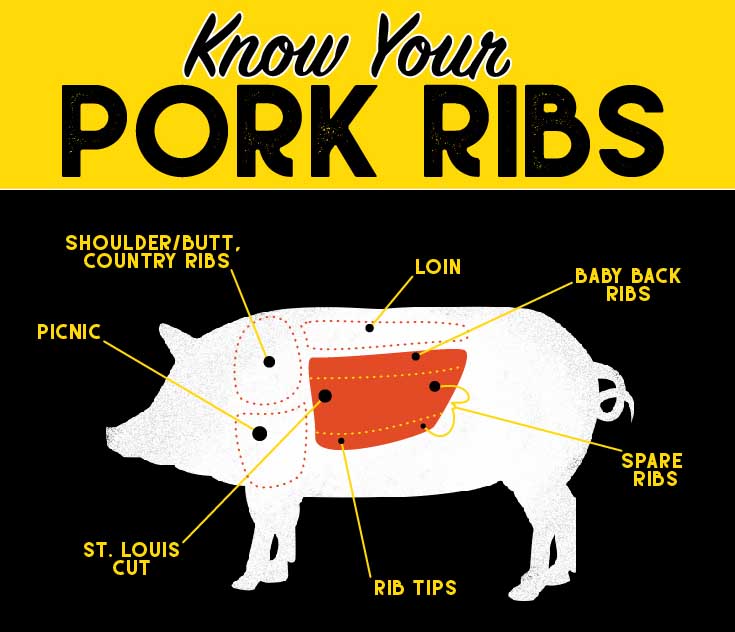
Baby back ribs, often simply called “back ribs” or “loin ribs,” come from the upper part of the pig’s rib cage, specifically from the area connected to the backbone, just below the loin muscle. They are called “baby” not because they come from a young pig, but because they are shorter than spare ribs. The term “back” refers to their location on the pig’s back.
These ribs are known for their tenderness and lean meat. They are typically shorter, curved, and boast a higher meat-to-bone ratio compared to spare ribs. Each rack usually contains 10-13 bones, and they are considerably smaller, weighing between 1.5 to 2.5 pounds per slab. The meat is generally delicate and fine-grained, with less intermuscular fat than spare ribs.
Commercial and Perceptual Impact: Due to their leanness and perceived tenderness, baby back ribs often command a higher price point in retail and restaurant settings. They are frequently marketed as a “premium” or “leaner” option, appealing to consumers who prioritize a less fatty cut. This branding strategy leverages the desire for quality and often a slightly cleaner eating experience, making them a staple in high-end barbecue establishments and family restaurants alike. From a financial perspective, their higher cost per pound means businesses need to manage their inventory and pricing carefully to maintain profit margins.
Spare Ribs: The Hearty & Flavorful Choice
Spare ribs originate from the belly section of the pig, extending from the end of the baby back ribs down towards the pig’s sternum and typically include the ends of the rib bones, cartilage, and breast bone. They are larger, flatter, and straighter than baby back ribs, with more bone and connective tissue, and a richer fat content. A full slab of spare ribs typically weighs between 3 and 6 pounds, offering a substantial meal.
The meat on spare ribs is generally tougher than on baby backs due to the higher amount of connective tissue and fat marbling, but this very characteristic contributes to their incredible flavor and moisture when cooked properly. When slow-cooked, the fat renders, and the connective tissue breaks down, resulting in incredibly tender, juicy, and flavorful meat that practically falls off the bone.
Commercial and Perceptual Impact: Spare ribs are generally more economical than baby backs, offering a larger yield for a lower cost per pound. This makes them a favorite for budget-conscious home cooks and for caterers or restaurants serving large quantities. While perhaps not carrying the “premium” label of baby backs, spare ribs are often celebrated for their robust flavor and classic barbecue appeal. Many pitmasters and barbecue enthusiasts consider spare ribs, particularly when trimmed to St. Louis style, to be the quintessential barbecue rib due to their rich taste and texture profile achieved through low-and-slow cooking. Their cost-effectiveness also makes them an attractive option for side hustles or new food businesses looking to offer generous portions without breaking the bank.
Regional Variations and Butcher’s Cuts
The world of ribs isn’t just limited to these two primary categories. How butchers process these cuts also leads to variations that impact both the cooking experience and the commercial appeal.
- St. Louis Style Ribs: This is a specific cut derived from spare ribs. To create St. Louis style ribs, the brisket bone, cartilage, and skirt meat are trimmed off the full rack of spare ribs, leaving a neater, rectangular slab. This standardization makes them easier to brown evenly and is preferred by many competition barbecue cooks for their consistent shape and enhanced presentation. This trimming, while adding to the cost of processing, creates a more aesthetically pleasing product that can be branded as “competition-ready” or “chef’s choice,” thus influencing their market value.
- Kansas City Style Ribs: Similar to St. Louis style, but with less aggressive trimming, often leaving a bit more meat on the bone ends.
- Rib Tips: The trimmings from spare ribs (the cartilaginous ends) are often sold separately as “rib tips.” These are incredibly flavorful and economical, making them popular for specific regional dishes and as a low-cost, high-flavor option for quick bites or appetizers.
These regional and butcher-specific cuts highlight how product differentiation and presentation, core concepts in branding, can add value and appeal even to what might seem like a simple cut of meat.
Beyond the Butcher: Culinary Considerations and Preparation Techniques
The inherent differences between baby back and spare ribs necessitate distinct approaches in the kitchen. Understanding these culinary nuances is crucial for achieving optimal results, whether you’re a seasoned pitmaster or a weekend grilling enthusiast. Furthermore, modern technology increasingly plays a role in perfecting these traditional cooking methods, while smart financial planning helps optimize ingredient costs and yields.
Flavor Profile and Texture: A Sensory Experience
The most significant difference once cooked lies in their flavor and texture.
- Baby Back Ribs: Known for their tender, leaner meat that is mild in flavor. They cook relatively quickly and can become dry if overcooked due to their lower fat content. Their tenderness makes them popular for baking, grilling, and faster smoking methods. The texture is often described as “chewy but tender,” with the meat clinging to the bone more than falling off, which is generally considered desirable for this cut.
- Spare Ribs: Offer a richer, deeper pork flavor with a more substantial, “toothsome” texture. The higher fat content and connective tissue require longer, slower cooking times to break down, resulting in incredibly moist, succulent meat that often pulls away from the bone easily. This cut truly shines with traditional low-and-slow smoking methods, which allow the fat to render and infuse the meat with flavor. The rendered fat also contributes to a crispier bark if the cooking method allows.
Mastering the Cook: Tech Tools for Perfect Ribs
Achieving perfection with either baby back or spare ribs often hinges on precise temperature control and timing, areas where technology has become an invaluable ally for both home cooks and professional chefs.
- Smart Thermometers: Essential for monitoring internal meat temperature and smoker/grill ambient temperature without constantly opening the lid, which causes temperature fluctuations. Wi-Fi or Bluetooth-enabled thermometers can send real-time data to a smartphone app, allowing cooks to monitor progress from anywhere and receive alerts when target temperatures are reached. This significantly reduces the risk of overcooking baby backs or undercooking spare ribs.
- Automated Smokers and Pellet Grills: These devices take much of the guesswork out of low-and-slow cooking. They maintain precise temperatures, feed pellets or wood chips automatically, and often come with integrated probes and digital controls. For an entrepreneur running a small catering business, this tech can streamline production, ensure consistency across batches (a key branding element), and reduce labor costs, directly impacting financial efficiency.
- Cooking Apps and Digital Recipe Guides: Beyond simple recipes, many apps offer timers, step-by-step instructions, and even temperature graphs specifically tailored for different cuts of ribs and cooking methods. Some advanced apps can integrate with smart kitchen devices, creating a connected cooking ecosystem that enhances productivity and reduces errors.
- Sous Vide Immersion Circulators: While not traditional for ribs, some modern chefs use sous vide for part of the rib cooking process (especially spare ribs) to ensure maximum tenderness and moisture before finishing them on a grill or smoker for bark and smoky flavor. This hybrid approach demonstrates how tech can be creatively applied to achieve specific culinary outcomes.
These technological advancements not only simplify the cooking process but also empower cooks to achieve professional-grade results consistently, which is critical for personal satisfaction and for anyone looking to build a brand around their barbecue skills.
Recipe Adaptation and Ingredient Cost Optimization
Understanding the characteristics of each rib type allows for smarter recipe choices and more effective budget management.
- Recipe Adaptation: Leaner baby backs benefit from marinades or brines to add moisture and flavor, and quicker, higher-heat methods like grilling or baking with a sauce finish. Fattier spare ribs, with their abundant connective tissue, demand long, slow cooking methods like smoking, braising, or indirect grilling to render fat and break down collagen into gelatin, ensuring tenderness. Using the wrong method for the wrong rib can lead to dry baby backs or tough spare ribs.
- Ingredient Cost Optimization: From a financial perspective, spare ribs often provide more meat for your money. While baby backs might be seen as “premium,” careful preparation of spare ribs can yield an equally, if not more, satisfying product at a lower cost per serving. For a family meal or a larger gathering, choosing spare ribs can significantly impact the budget without compromising on flavor. For a business, this translates directly to food cost percentages – a crucial metric for profitability. Buying in bulk, especially for spare ribs, and knowing how to trim them yourself (e.g., into St. Louis style) can further reduce costs.
The Business of Ribs: Branding, Marketing, and Financial Impact
Beyond the kitchen, the choice between baby back and spare ribs has profound implications for businesses, influencing branding, marketing strategies, and ultimately, financial success. The culinary world, like any other industry, relies on strategic positioning and intelligent resource allocation.
Crafting a Rib Brand: From Local Pitmaster to National Chain
The type of ribs a restaurant or food brand chooses to specialize in can become a cornerstone of its identity and branding.
- Positioning and Perception: A restaurant focusing on “award-winning baby back ribs” might cultivate an image of offering a refined, perhaps slightly more upscale, barbecue experience. The brand messaging would emphasize tenderness, lean quality, and a premium feel. Conversely, a place famous for its “fall-off-the-bone spare ribs” might project a more traditional, hearty, and authentic “pitmaster” image, celebrating the rich, smoky flavor and generous portions.
- Signature Dishes: Many successful barbecue brands build their entire reputation around a specific rib style and preparation. Think of famous barbecue joints that are synonymous with their “St. Louis style dry rub” or “Memphis wet baby backs.” This specialization creates a unique selling proposition (USP) that helps the brand stand out in a competitive market.
- Storytelling: Effective branding involves storytelling. The narrative around a chef’s dedication to slow-smoking spare ribs for 12 hours, using locally sourced wood, can create a powerful emotional connection with customers, differentiating the brand far beyond just the cut of meat.
Pricing Strategy and Profit Margins
The cost difference between baby back and spare ribs directly impacts a business’s pricing strategy and overall profit margins.
- Cost of Goods Sold (COGS): As discussed, baby back ribs generally have a higher raw material cost per pound. A restaurant must factor this into its menu pricing to ensure a healthy profit margin. If they sell baby backs at a lower markup than spare ribs, it could negatively impact their bottom line.
- Perceived Value vs. Actual Cost: While baby backs cost more to procure, consumers often perceive them as more valuable, allowing businesses to charge a higher price per serving. Spare ribs, being more economical, can be sold at a slightly lower price point while still offering good profit margins, especially given their larger yield. A smart financial strategy involves balancing these perceptions and costs to create a diversified menu that appeals to different customer segments and maximizes overall profitability.
- Menu Engineering: Understanding the popularity and profitability of each rib type allows businesses to use menu engineering techniques. They might strategically place higher-margin items (like well-priced spare ribs) or premium items (like baby backs) on the menu to guide customer choices and optimize revenue.
- Waste Management: Trimming spare ribs into St. Louis style produces rib tips. A financially astute business will find ways to monetize these “waste” products – selling them as appetizers, incorporating them into stews, or offering them as a separate, lower-cost menu item – thereby maximizing yield and minimizing financial loss.
Marketing the Perfect Rack: Consumer Perception and Digital Engagement
Marketing strategies for ribs leverage both traditional and digital channels to shape consumer perception and drive sales.
- Visual Marketing (Brand Identity): High-quality photography and videography are crucial. The visual appeal of a perfectly smoked rack of baby backs versus a robust slab of spare ribs, with glistening bark and tender meat, is a powerful marketing tool for websites, social media, and advertising. The design of menus and marketing materials reinforces the brand’s chosen rib identity.
- Social Media and Influencer Marketing (Tech & Brand): Food bloggers, Instagram foodies, and TikTok chefs can significantly influence consumer choices. Brands might collaborate with influencers known for their barbecue expertise to review and promote their specific rib offerings. Hashtags like #babybackribs or #spareribs create communities around these cuts, increasing visibility and engagement.
- Online Reviews and Reputation Management (Brand & Tech): Customer reviews on platforms like Yelp, Google, and TripAdvisor are critical. A consistently positive experience with a restaurant’s ribs, whether baby back or spare, builds a strong online reputation, which is invaluable for attracting new customers. Monitoring and responding to these reviews is a key aspect of modern brand management.
- Targeted Digital Advertising (Tech & Money): Using data analytics, businesses can target ads for their rib specials to specific demographics interested in barbecue or food delivery, optimizing marketing spend and maximizing reach to potential customers.
Making Your Choice: Practical Advice for the Home Cook and Entrepreneur
Ultimately, the choice between baby back and spare ribs depends on various factors, whether you’re planning a family dinner or looking to launch a culinary venture. Strategic decision-making, informed by the insights into anatomy, cooking, branding, and finance, is key.
Deciding Based on Budget and Occasion
For the home cook, the decision often boils down to personal preference, the occasion, and the budget.
- For a Quick, Leaner Meal: Baby back ribs are often the preferred choice. Their quicker cooking time makes them suitable for weeknight dinners or gatherings where time is a factor. Their leaner profile appeals to those who prefer less fat.
- For a Hearty, Flavorful Feast: Spare ribs, especially St. Louis style, are ideal for long, slow barbecue sessions, weekend cookouts, or when you want that quintessential smoky, rich barbecue flavor. They are also more forgiving due to their fat content and offer a larger yield for feeding a crowd.
- Budget Considerations: If cost is a primary concern, spare ribs generally offer more bang for your buck, providing a generous amount of flavorful meat at a lower price point per pound.
Ribs as a Business Opportunity: Scaling Your BBQ Side Hustle
For aspiring food entrepreneurs, understanding these distinctions is not just academic; it’s foundational to building a successful business.
- Menu Development and Niche Branding: A new BBQ business might start by offering both, but eventually specialize in one, becoming known for its “signature” baby backs or “legendary” spare ribs. This specialization can help carve out a niche and build a strong brand identity from day one.
- Sourcing and Supplier Relationships (Money & Brand): Establishing reliable relationships with butchers or wholesale suppliers is crucial. Negotiating good prices for specific cuts can significantly impact profitability. Consistently high-quality sourcing also contributes to brand reputation.
- Equipment Investment (Money & Tech): The choice of ribs influences the type of cooking equipment needed. Investing in a robust smoker capable of handling large batches of spare ribs for hours is different from a smaller grill for baby backs. Financial planning for these capital expenditures is vital.
- Skill Development (Productivity & Brand): Mastering the art of cooking both types of ribs, or specializing in one, builds invaluable skills that enhance productivity and ensure product consistency – a cornerstone of any successful food brand. Leveraging online tutorials, culinary apps, and even AI-powered recipe generators can accelerate this learning curve.
In conclusion, the simple question of “what’s the difference between baby back ribs and spare ribs” unravels a complex interplay of culinary science, economic principles, and strategic branding. From the anatomical distinctions that dictate flavor and texture to the technological tools that optimize cooking, and the financial and marketing decisions that drive commercial success, these two cuts of pork ribs offer a microcosm of the broader food industry. Whether you’re a discerning home cook or an ambitious entrepreneur, an informed choice about these ribs can lead to a more delicious meal, a more profitable business, and a deeper appreciation for the art and science of barbecue.
aViewFromTheCave is a participant in the Amazon Services LLC Associates Program, an affiliate advertising program designed to provide a means for sites to earn advertising fees by advertising and linking to Amazon.com. Amazon, the Amazon logo, AmazonSupply, and the AmazonSupply logo are trademarks of Amazon.com, Inc. or its affiliates. As an Amazon Associate we earn affiliate commissions from qualifying purchases.