
While the question of apple cider versus apple juice might seem simple on the surface, delving into the nuances reveals fascinating insights that resonate across technology, brand perception, and even the underlying economics. This isn’t just about what’s in your glass; it’s a microcosm of how we process information, how brands are built, and how value is created and perceived in various industries.
The seemingly straightforward distinction between these two apple-derived beverages is, in reality, a complex interplay of production methods, ingredient purity, marketing narratives, and ultimately, how we, as consumers, assign value. Let’s unravel this by looking at the core differences and then exploring their broader implications through the lens of technology, branding, and finance.

The Fundamental Distinctions: From Orchard to Outlet
At its heart, the difference between apple cider and apple juice hinges on processing and preservation. This is where the technical distinctions begin, setting the stage for how each product is perceived and ultimately valued in the marketplace.
Production Processes: The Art and Science of Extraction
The journey from apple to beverage is where the primary divergence occurs.
Apple Cider: The Natural, Unfiltered Path
Traditional apple cider, particularly in North America, is often characterized by its less refined production. It’s typically made from crushed or pressed apples with minimal processing.
- Crushing and Pressing: Whole apples are washed, then crushed to break them down into a pulp. This pulp is then placed in a press (often a rack-and-cloth press or a more modern hydraulic press) to extract the liquid.
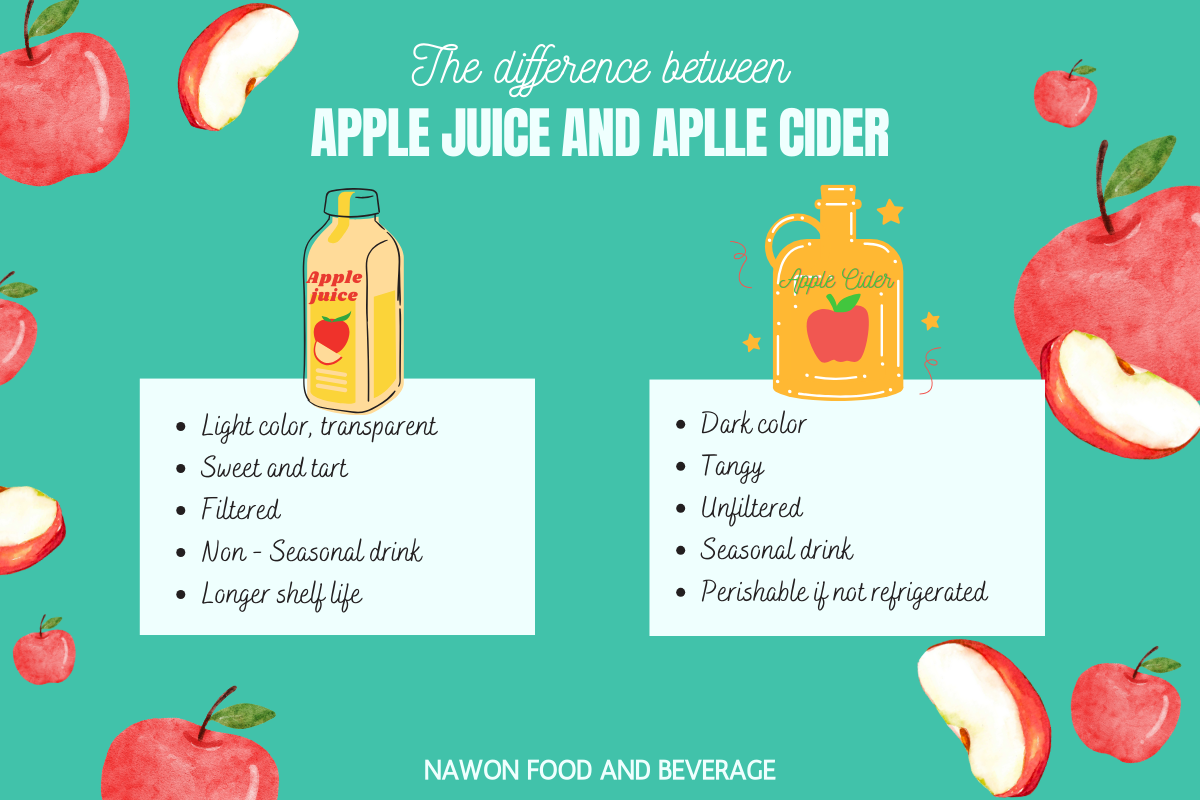
- Minimal Filtration: The resulting liquid is often unfiltered or lightly filtered. This means it retains a significant amount of apple solids, including pulp and fine particles. This is what gives cider its cloudy appearance and its characteristically robust, sometimes slightly tangy, flavor.
- No Added Sugars or Preservatives (Typically): High-quality, traditional apple cider is usually 100% pure apple. No added sugars, water, or artificial preservatives are used. This natural state also means it has a shorter shelf life and is often sold in refrigerated sections.
- Fermentation Potential: Unpasteurized cider can begin to ferment naturally due to the presence of wild yeasts. This process can lead to a slightly alcoholic content and a more complex flavor profile over time, blurring the lines with hard cider. However, when we refer to “apple cider” in the context of non-alcoholic beverages, we generally mean the fresh, unfermented version.
From a technological standpoint, the machinery involved in cider pressing is relatively straightforward – mechanical crushers and hydraulic presses. The innovation here lies more in optimizing efficiency and yield while maintaining the desired characteristic of minimal processing.
Apple Juice: The Refined, Shelf-Stable Choice
Apple juice, on the other hand, undergoes a more extensive refining process to achieve its characteristic clarity and extended shelf life.
- Extraction and Clarification: Apples are crushed and pressed, similar to cider. However, the resulting liquid then undergoes further processing. This often involves centrifugation and filtration to remove all suspended solids. Enzymes might also be used to break down pectin, which aids in clarification and settling.
- Pasteurization: A crucial step for apple juice is pasteurization. This involves heating the juice to a specific temperature for a set duration to kill harmful bacteria and yeast. This process extends the shelf life significantly, allowing juice to be stored at room temperature for extended periods.
- Concentration and Reconstitution (Often): Many apple juices, especially those sold in cartons or bottles, are made from apple juice concentrate. This means the water content is evaporated, creating a highly concentrated syrup. This concentrate is then shipped, often across long distances, and later reconstituted with purified water before bottling.
- Potential for Additives: While 100% juice is common, some apple juices may have added sugar, vitamin C (ascorbic acid for preservation and nutritional value), or other flavorings, depending on the brand and market.
The technology behind apple juice production is more sophisticated, involving high-speed centrifuges, advanced filtration systems, evaporation technology, and precise pasteurization equipment. This technological investment allows for mass production, longer distribution chains, and greater stability.
The “Juice” Label: A Broader Category
It’s important to note that “juice” itself is a broader legal and common term. In many regions, “apple juice” can be made from apple concentrate, and may or may not contain added sugars. Regulations often dictate what can be labeled as “100% juice.”
The Sensory Experience: Taste, Texture, and Appearance
The differences in production directly translate to distinct sensory experiences.
- Taste: Cider tends to have a more robust, fresh apple flavor, often with a slight tartness or a more pronounced “appley” character due to the presence of natural apple compounds. Juice, especially clarified and reconstituted juice, can have a sweeter, smoother, and sometimes less complex flavor. The natural sugars are more concentrated, and some of the volatile aroma compounds might be lost or altered during processing.
- Texture: Cider is often described as having a richer, fuller mouthfeel due to the retained apple solids. It can feel slightly thicker or even have a subtle grittiness. Juice is typically thin, smooth, and watery, a direct result of removing all solids and often reconstituting with water.
- Appearance: This is perhaps the most striking difference. Cider is opaque and cloudy, ranging from pale yellow to a rich amber. Juice is brilliantly clear, allowing light to pass through easily. This visual distinction is a key differentiator in consumer perception.
Brand Perception: Crafting Narratives Around Naturalness and Purity
The way these fundamental differences are communicated and leveraged by brands highlights the power of brand strategy and marketing. What starts as a technical distinction can be molded into a powerful narrative that influences consumer choice.
Cider: The Appeal of “Real” and “Authentic”
Brands that market apple cider often lean into themes of naturalness, tradition, and authenticity.
- “Farm-to-Table” Messaging: Cider is frequently positioned as closer to its source – the orchard. Marketing might feature images of apples, apple trees, and pastoral settings. The lack of extensive processing is presented as a virtue, implying a healthier and more wholesome product.
- “Unfiltered” as a Benefit: The cloudiness, which might be seen as a flaw in other food products, is embraced as a sign of authenticity. “Unfiltered” becomes a keyword, suggesting that nothing has been removed, and the full essence of the apple is preserved.
- Niche and Craft Appeal: In many markets, especially outside of mass-produced juice, cider is associated with craft beverages and artisanal production. This can command a premium price and attract consumers looking for something unique and high-quality.
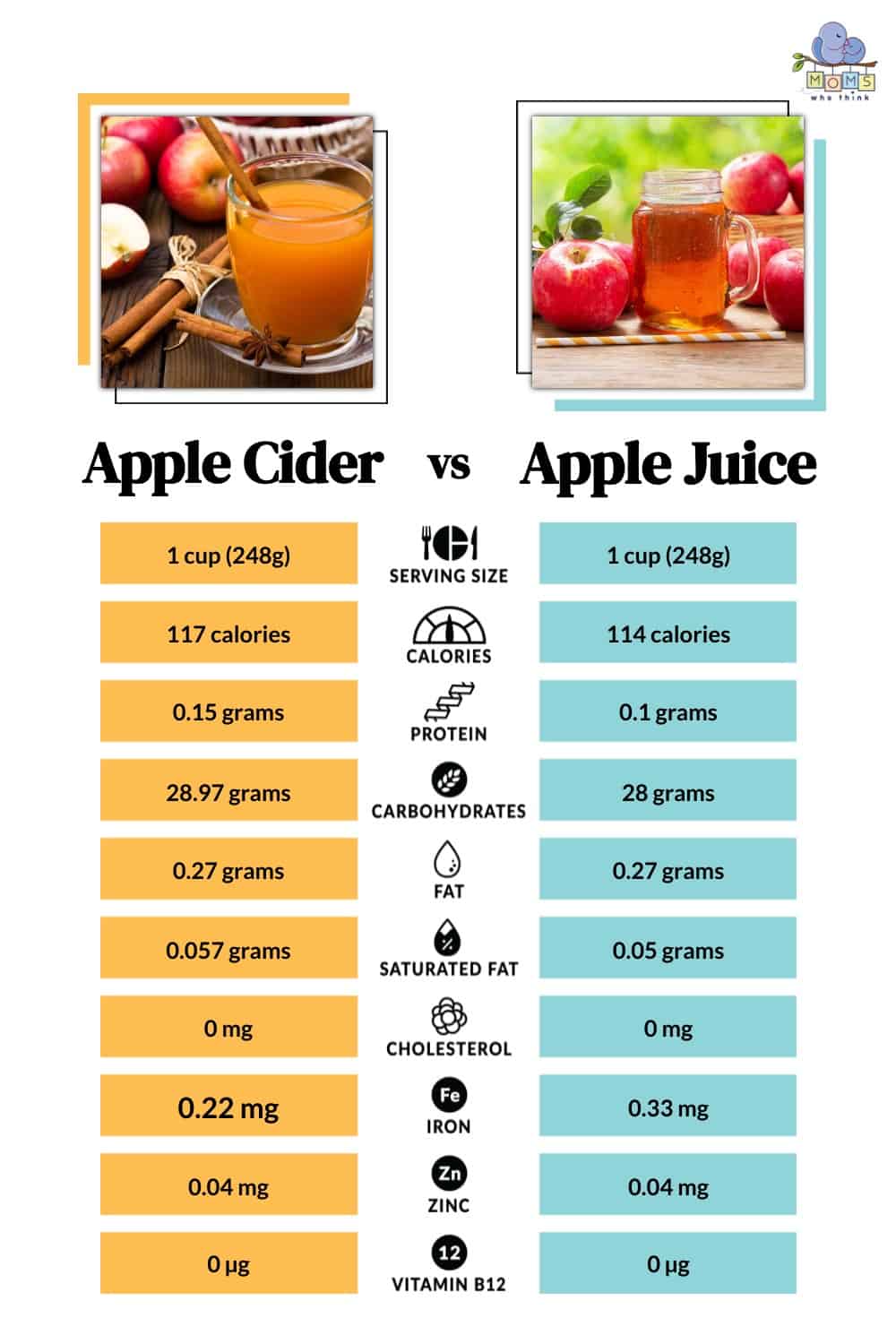
- Healthier Perceptions (Often Unsubstantiated): While not always medically accurate, consumers often perceive unfiltered cider as healthier due to its less processed nature. This perception can be a powerful marketing tool, even if the nutritional differences are minimal. The absence of added sugar in many ciders also supports this perception.
The technology here is less about advanced machinery and more about the design and messaging surrounding the product. User interfaces for websites showcasing cider brands often mimic rustic aesthetics, and the photography emphasizes natural light and textures. The “digital security” of a brand’s reputation is paramount, as a single misstep in claiming authenticity can lead to significant backlash.
Juice: The Embrace of Convenience and Universality
Apple juice, on the other hand, has built its brand around convenience, accessibility, and a universally palatable flavor profile.
- Mass Market Appeal: The clarity and consistent flavor of apple juice make it a staple for families and a go-to beverage for a wide audience. Its long shelf life and room-temperature stability make it ideal for mass distribution and large-scale consumption.
- “100% Juice” as a Quality Mark: Brands heavily emphasize “100% juice” to reassure consumers of purity and natural ingredients, even if it’s made from concentrate. This label is a powerful trust signal.
- Nutritional Fortification: Many juice brands highlight added vitamins, particularly Vitamin C, positioning themselves as a healthy and beneficial choice, especially for children. This leverages digital marketing tools to disseminate nutritional information and product benefits.
- Versatility: Apple juice is often promoted not just as a standalone drink but as an ingredient in smoothies, cocktails, and cooking, highlighting its functional versatility.
The branding of apple juice often leverages slick, modern design. Websites are clean and user-friendly, employing AI tools for personalized recommendations and targeted advertising. The brand strategy focuses on widespread availability and a consistent, predictable experience, relying on corporate identity to build broad consumer trust.
The Financial Implications: From Cost of Production to Consumer Value
The differences in production and branding have significant financial implications, influencing everything from production costs to pricing strategies and ultimately, consumer spending.
Cost of Production and Pricing Strategies
The technological and labor inputs directly affect the cost of bringing each product to market.
- Cider: While the raw materials (apples) are the same, the lower degree of processing in cider can sometimes lead to lower manufacturing costs, especially if sold locally and unpasteurized. However, the shorter shelf life and need for refrigeration can increase distribution and storage costs. Brands focusing on artisanal cider might use more expensive heirloom apples or invest in premium packaging, increasing their cost base. Pricing for artisanal cider can be significantly higher due to its perceived value and niche market appeal.
- Juice: The intensive processing and advanced technology required for clarification, pasteurization, and concentration/reconstitution represent significant capital investment. However, the ability to ship concentrate economically, the extended shelf life, and the potential for mass production can lead to lower per-unit manufacturing costs at scale. The use of automation and efficient supply chains contributes to competitive pricing in the mass market.
Understanding these production economics is crucial for business finance. Companies must balance the cost of advanced filtration systems or energy-intensive pasteurization against the potential for higher sales volumes and wider market reach.
Market Segmentation and Profitability
The distinct branding and production methods allow for effective market segmentation, each appealing to different consumer groups and profit margins.
- Premium Pricing for “Craft” Cider: Consumers willing to pay more for perceived authenticity, naturalness, and unique flavor profiles often drive the higher price points for artisanal apple cider. This allows for healthier profit margins on smaller volumes.
- Volume-Driven Profitability for Juice: The mass-market apple juice industry thrives on online income generated through high sales volumes. While individual profit margins might be smaller, the sheer scale of production and distribution leads to substantial overall revenue. The efficiency of financial tools in managing vast supply chains and sales data is critical.
- “Side Hustles” and Local Producers: Small-scale apple growers might find a niche in producing and selling fresh cider locally, creating a side hustle or a supplementary income stream. This often bypasses the extensive processing and distribution networks of larger juice companies.
The personal finance aspect comes into play when consumers choose between these options. A consumer might opt for a cheaper bottle of apple juice for everyday consumption and reserve a more expensive bottle of artisanal cider for a special occasion. This decision is influenced by perceived value, budget, and even personal branding – what they choose to put on their table can reflect their own values.
Conclusion: More Than Just a Drink
The difference between apple cider and apple juice, while seemingly simple, offers a compelling lens through which to examine broader concepts. It illustrates how technology shapes product development and enables different approaches to production. It demonstrates the power of brand strategy in crafting narratives that appeal to consumer desires for authenticity, convenience, or health. And it highlights the intricate relationship between production costs, market positioning, and financial outcomes.
Whether you prefer the cloudy, robust character of cider or the clear, universally pleasing taste of juice, understanding their origins and the strategies behind their success can offer valuable insights into the industries that produce them, and perhaps even how we approach innovation, marketing, and value in our own lives and businesses. It’s a reminder that even the most commonplace items can hold complex stories waiting to be discovered.
aViewFromTheCave is a participant in the Amazon Services LLC Associates Program, an affiliate advertising program designed to provide a means for sites to earn advertising fees by advertising and linking to Amazon.com. Amazon, the Amazon logo, AmazonSupply, and the AmazonSupply logo are trademarks of Amazon.com, Inc. or its affiliates. As an Amazon Associate we earn affiliate commissions from qualifying purchases.