
When facing medical procedures, particularly those involving childbirth, understanding the nuances of anesthesia options is not only about comfort and safety but also about financial planning. Two common forms of regional anesthesia, the epidural and the spinal block, are often discussed interchangeably, yet their differences can have significant implications for healthcare costs, insurance coverage, and your overall financial well-being. This guide delves into the distinctions between epidural and spinal anesthesia, focusing on the financial and practical considerations that matter most to your budget and decision-making process.
Understanding the Fundamentals: How They Work and Why It Matters for Your Wallet
At their core, both epidurals and spinal blocks are types of regional anesthesia. They work by numbing a specific area of the body, typically the lower half, by targeting the nerves that transmit pain signals from that region. The key to understanding their financial implications lies in how they achieve this, the duration of their effects, and the equipment and personnel involved.
The Epidural: A Continuous Infusion for Extended Coverage
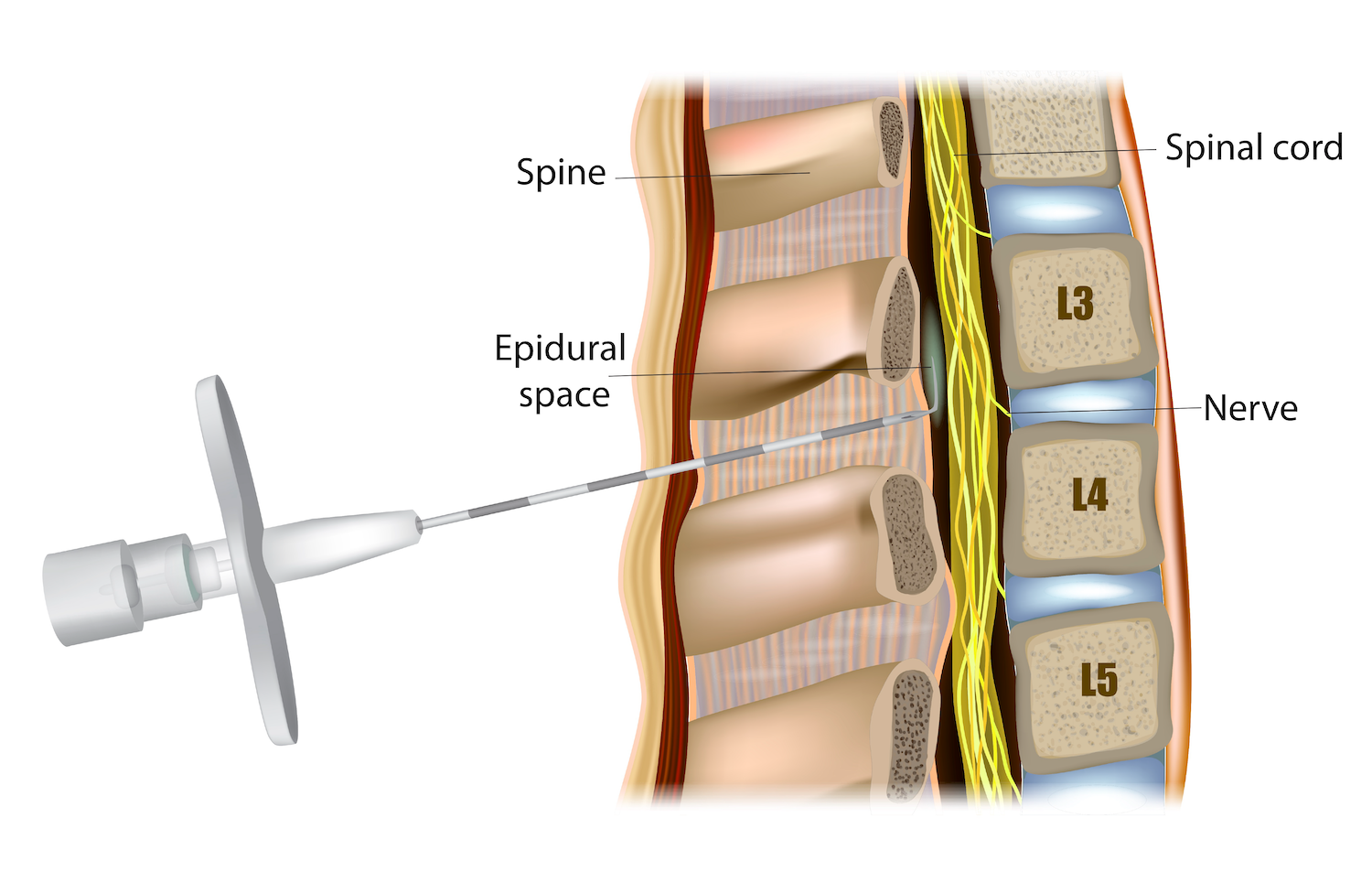
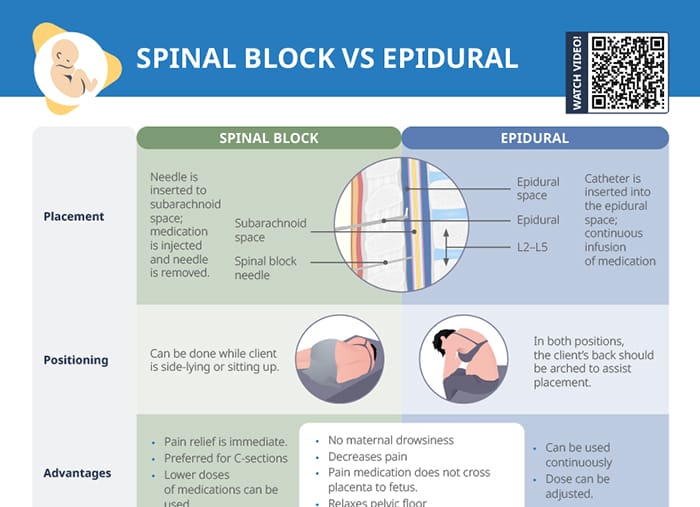
An epidural anesthetic involves the insertion of a small, flexible tube called a catheter into the epidural space, which is the area outside the membrane surrounding the spinal cord. This catheter remains in place, allowing medication to be continuously infused.
- Mechanism of Action and Cost Implications: The continuous infusion capability of an epidural is its defining characteristic and a primary driver of its cost. Because the catheter allows for ongoing administration of anesthetic agents, it is ideal for procedures expected to be lengthy, such as labor and delivery. This continuous delivery requires more medication over time compared to a single injection. Furthermore, the process of placing and managing the epidural catheter necessitates more prolonged involvement from the anesthesiologist or anesthetist. This extended monitoring and management translates directly into higher professional fees. The equipment used, including the catheter and the infusion pump, also adds to the overall cost of the procedure.
- Duration and Flexibility: The ability to adjust the dosage and type of medication through the catheter provides significant flexibility. This can be a major advantage during labor, as the anesthetic can be tailored to manage pain effectively throughout different stages. However, this adaptability, while beneficial medically, also contributes to the complexity and, consequently, the cost. The ongoing management to achieve this flexibility requires specialized skills and time from medical professionals.
- Typical Use Cases and Associated Expenses: While most commonly associated with labor and delivery, epidurals are also used for other surgical procedures requiring prolonged pain management in the lower body, such as certain orthopedic surgeries or abdominal procedures. The length of these procedures directly impacts the quantity of medication and the duration of anesthesiologist involvement, thus influencing the final bill. When considering insurance, most comprehensive health insurance plans cover epidurals, but understanding deductibles, co-pays, and out-of-pocket maximums is crucial for accurate budgeting. The billed amount for an epidural will generally be higher than for a spinal due to the factors mentioned above.
The Spinal Block: A Precise, Single-Dose Solution
A spinal block, in contrast, involves a single injection of anesthetic medication directly into the cerebrospinal fluid (CSF) within the subarachnoid space, which surrounds the spinal cord.
- Mechanism of Action and Cost Advantages: The direct injection into the CSF means the anesthetic acts rapidly and effectively to provide profound numbing. This single-dose approach is a key differentiator in terms of cost. Since it’s a one-time injection, the amount of medication used is significantly less than with a continuous epidural infusion. The procedure itself is generally quicker to perform, requiring less time from the anesthesiologist. This shorter duration of professional service naturally leads to lower billing for their time and expertise. The equipment required is also simpler, typically involving just a needle for the injection, contributing to a lower material cost component.
- Duration and Limitations: Spinal blocks typically provide a shorter duration of anesthesia compared to epidurals, often lasting for a few hours. This makes them ideal for shorter surgical procedures. For labor and delivery, a pure spinal is less common as a sole anesthetic due to its limited duration and lack of adjustability. However, it can be used for certain interventions or in combination with other methods. The lack of continuous infusion means that if the procedure or pain management needs extend beyond the duration of the spinal, additional medication or a different approach might be required, potentially leading to further costs.
- Common Applications and Financial Comparisons: Spinal blocks are frequently used for shorter surgical procedures such as C-sections, hip or knee replacements, and urological or gynecological surgeries. The cost-effectiveness for these procedures is a significant factor. When comparing the billed cost of a spinal block to an epidural for a similar outcome (like a C-section, where both can be used), the spinal is generally less expensive. This is because of the reduced medication volume and the shorter anesthesiologist engagement. Insurance coverage for spinal blocks is also generally comprehensive, but again, understanding the specifics of your policy is paramount.
Direct Cost Comparisons: What Your Bill Might Look Like
When scrutinizing the financial differences, it’s important to look at both the billed charges and what you might ultimately pay out-of-pocket. While exact figures vary widely based on geographic location, hospital, and insurance plan, general trends can be observed.
Billed Charges: A Tale of Two Procedures

Hospitals and anesthesiology groups itemize charges for anesthesia services. These typically include:
- Anesthesiologist/Anesthetist Fees: This is often the largest component. For an epidural, the prolonged presence and management during labor lead to a higher charge than the relatively brief time spent administering a spinal block.
- Medication Costs: While both use anesthetic agents, the continuous infusion of an epidural consumes more medication over its course, increasing this line item.
- Supplies and Equipment: The cost of the epidural catheter, infusion pump, and associated supplies is higher than the single needle used for a spinal.
- Facility Fees: While not directly an anesthesia charge, the length of time a patient occupies a procedure or labor room can indirectly influence overall facility costs.
General Observation: Across the board, the billed charges for an epidural are typically 20-50% higher than for a spinal block for a procedure of equivalent duration where both are viable options. For instance, a C-section might incur a $2,000-$4,000 charge for a spinal block, while an epidural for labor and delivery, which can extend for many hours, might range from $3,000-$7,000 or more.
Out-of-Pocket Expenses: Navigating Insurance and Your Budget
Your actual financial responsibility is determined by your health insurance plan. This involves understanding:
- Deductibles: The amount you must pay before your insurance starts covering costs. If your deductible is high, you’ll bear a larger portion of the initial anesthesia charges.
- Co-insurance: The percentage of costs you pay after meeting your deductible. If your co-insurance is 20%, you’ll pay 20% of the allowed amount for the anesthesia.
- Co-pays: A fixed amount you pay for certain services. Some plans might have a co-pay for anesthesia services, though this is less common than co-insurance for major procedures.
- Out-of-Pocket Maximums: The most you will have to pay for covered healthcare services in a year. Once you reach this limit, your insurance typically covers 100% of eligible costs.
Strategic Financial Planning: Given these variables, if you are planning a delivery and an epidural is a likely scenario, factor in the higher potential costs when assessing your insurance coverage and setting aside funds. If the cost difference between an epidural and a spinal (for a procedure where both are options) is substantial, and your insurance offers less favorable coverage for the more expensive option, this could be a point of consideration in discussions with your medical provider. However, medical necessity and safety should always be the primary drivers of anesthetic choice.
Long-Term Financial and Practical Considerations
Beyond the immediate bill, the choice between an epidural and a spinal can have ripple effects on your finances and your experience.
Impact on Recovery and Subsequent Medical Needs
- Potential for Extended Hospital Stays: While generally minor, some patients might experience temporary side effects from epidurals, such as post-dural puncture headaches, which could necessitate further medical attention or a slightly longer hospital stay. These can incur additional costs, though often covered by insurance.
- Management of Side Effects: Both types of anesthesia carry potential side effects. The financial implication comes into play if managing these side effects requires additional medical consultations, medications, or treatments that are not fully covered by your insurance. Understanding your policy’s coverage for post-procedure care is essential.
- Choice of Delivery Method: For childbirth, the decision regarding anesthesia can sometimes influence other aspects of the delivery. For example, an epidural might lead to a longer labor, potentially increasing the likelihood of interventions that carry their own costs. Conversely, a spinal block for a C-section is a direct approach that bypasses the lengthy labor process. Evaluating these downstream financial implications, however speculative, can contribute to a more informed decision.
Making Informed Choices: Budgeting for Anesthesia
- Pre-Procedure Consultation: Engage in open dialogue with your anesthesiologist and your insurance provider well before any scheduled procedure. Ask specific questions about the estimated costs of each anesthesia option, what your insurance is likely to cover, and what your out-of-pocket responsibility will be.
- Understanding Your Insurance Policy: Take the time to thoroughly understand your health insurance plan’s details regarding anesthesia coverage. Pay close attention to co-pays, deductibles, co-insurance percentages, and out-of-pocket maximums. This knowledge is your most powerful tool for financial preparedness.
- Contingency Planning: Especially for childbirth, where the timing and specific needs can be unpredictable, it’s wise to have a financial contingency plan. This could involve setting aside extra funds beyond your initial estimates to cover unforeseen circumstances or variations in billing.
Ultimately, while the medical expertise of your healthcare providers will guide the choice of anesthesia, a solid understanding of the financial differences between epidurals and spinal blocks empowers you to make more informed decisions, manage your healthcare expenses effectively, and approach your medical journey with greater financial confidence.
aViewFromTheCave is a participant in the Amazon Services LLC Associates Program, an affiliate advertising program designed to provide a means for sites to earn advertising fees by advertising and linking to Amazon.com. Amazon, the Amazon logo, AmazonSupply, and the AmazonSupply logo are trademarks of Amazon.com, Inc. or its affiliates. As an Amazon Associate we earn affiliate commissions from qualifying purchases.