
The world of cheese is vast and wonderfully diverse, offering a spectrum of flavors, textures, and origins. For many, the lines between different types of cheese can become blurred, especially when those cheeses are staples in everyday cooking and snacking. Two such cheeses that frequently cause confusion, particularly for those outside of dedicated cheese circles, are American cheese and cheddar cheese. While both are incredibly popular and find their way into countless dishes, they are fundamentally different in their composition, production, flavor profiles, and intended uses. Understanding these distinctions is not just a matter of culinary curiosity; it can significantly impact your cooking results and your appreciation for the craft of cheesemaking. This exploration will delve into the core differences between American cheese and cheddar cheese, illuminating their unique characteristics and why they occupy distinct places in the culinary landscape.
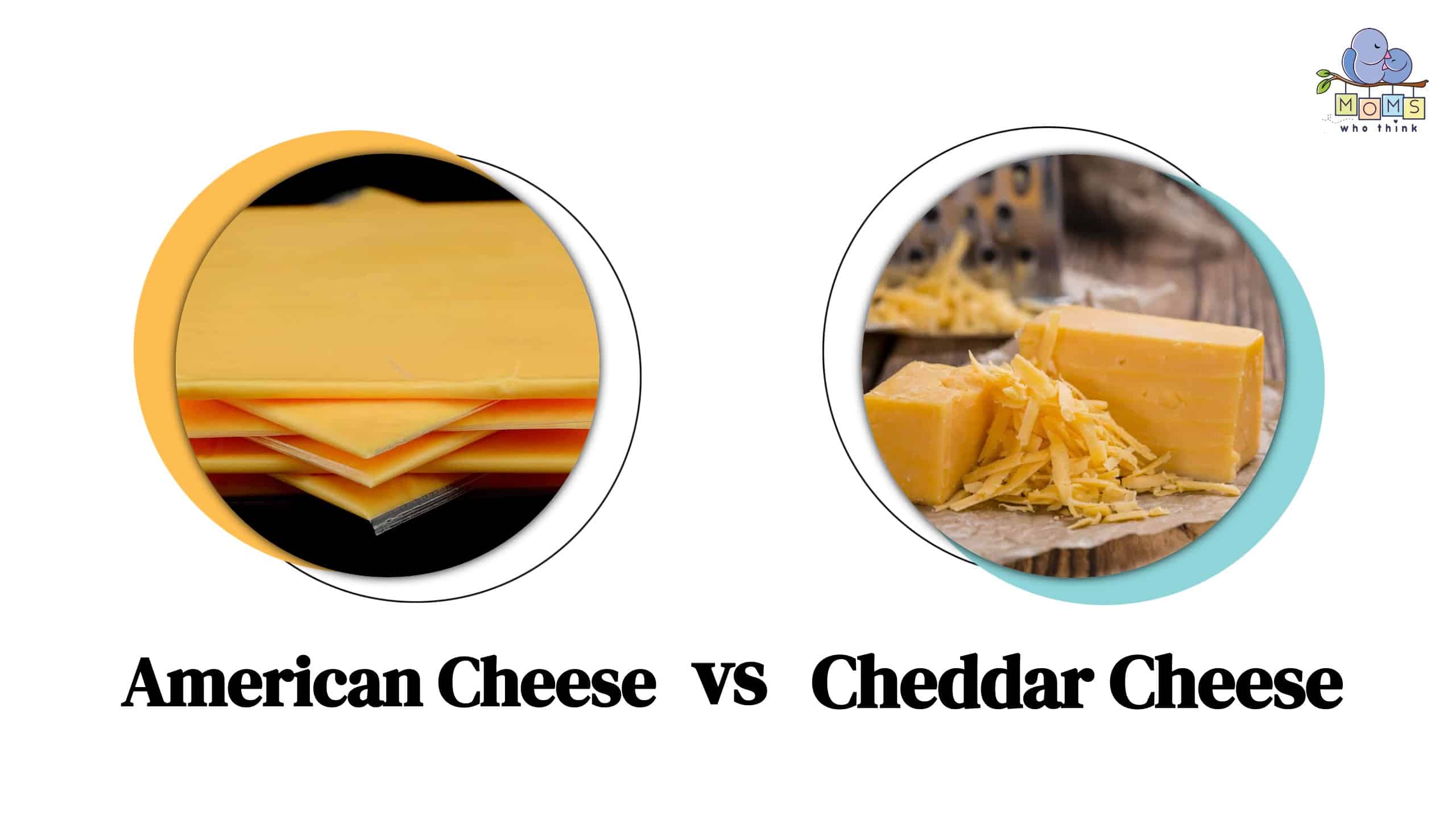
The Genesis and Evolution of Cheddar Cheese
Cheddar cheese boasts a rich history and a distinct identity that has evolved over centuries. Its origins are deeply rooted in the English village of Cheddar in Somerset, England, from which it derives its name. The unique climate and geological formations of the Cheddar Gorge were historically ideal for maturing cheese, contributing to the development of its characteristic flavor.
Traditional Cheddar Production: From Farmhouse to Factory
The traditional method of producing cheddar cheese is a testament to artisanal craftsmanship. It begins with cow’s milk, often unpasteurized in its earliest forms, which is carefully heated and inoculated with starter cultures. The curd is then cut, stirred, and heated further to expel whey. What truly sets cheddar apart in its production is the process known as “cheddaring.” This involves stacking and turning slabs of curd, a labor-intensive step that molds the curd into a dense, matted mass. This process allows lactic acid to develop, contributing to cheddar’s characteristic texture and sharp flavor. The cheese is then milled, salted, and pressed into wheels or blocks.
The aging process is crucial for cheddar. Young cheddar, often aged for only a few months, is mild and creamy. As it matures, typically for one to two years, or even longer for extra-sharp varieties, the flavor intensifies, becoming more complex, nutty, and crumbly. The fat and protein structures break down, leading to a richer, more pronounced taste and a drier, sometimes crystalline texture. The varying degrees of aging are a primary reason for the wide range of cheddar cheeses available, from mild and creamy to intensely sharp and tangy.
The Global Reach and Varietal Spectrum of Cheddar
From its humble beginnings in England, cheddar cheese has become one of the most widely produced and consumed cheeses globally. It is manufactured in numerous countries, each bringing its own subtle nuances to the style. While the core principles of production remain, regional variations exist. For instance, Canadian cheddar often has a slightly different flavor profile and texture compared to its British or American counterparts.
Within the umbrella of “cheddar,” there’s a remarkable spectrum of flavor and texture. This is largely dictated by the aging period and the milk used.
- Mild Cheddar: Typically aged for 2-3 months, it’s smooth, creamy, and has a very gentle tang. Ideal for everyday melting in sandwiches or casseroles.
- Medium Cheddar: Aged for 6-9 months, it develops a slightly sharper flavor and a firmer texture.
- Sharp Cheddar: Aged for 9-15 months, the flavor becomes more pronounced, with a noticeable tang and a slightly crumbly texture.
- Extra-Sharp Cheddar: Aged for 15 months or longer, this cheddar is bold, complex, and often exhibits those desirable “cheese crystals” (calcium lactate). It has a pronounced tang and a granular, crumbly texture.
- Vintage or Aged Cheddar: These are the oldest, often aged for two years or more, offering the most intense flavor, deep complexity, and often a very dry, crumbly texture with pronounced crystals.
The fat content can also vary, with “full-fat” being the standard, but lower-fat versions also exist, though they often sacrifice some of the rich flavor and creamy texture.
American Cheese: A Modern Dairy Innovation
In stark contrast to the historical lineage of cheddar, American cheese is a product of modern food science and culinary adaptation. It is not a cheese in the traditional sense, but rather a processed cheese product. Its development was a response to the need for a cheese that could melt smoothly and consistently, a desirable quality for American comfort foods.
The Birth of Processed Cheese: Convenience and Meltability
American cheese, as we know it today, emerged in the early 20th century, largely driven by innovators like James L. Kraft. The goal was to create a cheese product that was shelf-stable, had a uniform texture, and, most importantly, melted beautifully without separating or becoming greasy. This was achieved through a process that involves grinding and heating one or more natural cheeses (often cheddar or Colby) with emulsifiers.
Emulsifiers, such as sodium citrate or disodium phosphate, are key to American cheese’s signature melt. These compounds allow the fat and protein molecules in the cheese to disperse evenly, creating a smooth, homogenous mixture when heated. This prevents the oil from separating from the solids, a common issue with natural cheeses when subjected to high heat. The result is a creamy, pliable cheese that holds its form when melted, making it ideal for dishes where a consistent, gooey texture is desired.
Composition and Culinary Role of American Cheese
American cheese is characterized by its mild, slightly salty, and often creamy flavor. It’s rarely sharp or complex, as its primary purpose is not to be a flavor powerhouse on its own but to enhance other ingredients and provide a comforting, melty element. The color can range from a pale yellow to a vibrant orange, often achieved through the addition of annatto.
The composition of American cheese is what defines its unique properties:
- Dairy Ingredients: Primarily made from a blend of natural cheeses (often cheddar or Colby) and milk solids.
- Emulsifying Salts: Crucial for achieving a smooth melt. Examples include sodium citrate, disodium phosphate, and tetrasodium pyrophosphate.
- Acids: Such as citric acid, to aid in the emulsification process.
- Optional Additives: Coloring (like annatto), salt, and sometimes preservatives.
Because of its superior meltability and mild flavor, American cheese has become indispensable in many popular dishes. It is the quintessential cheese for cheeseburgers, grilled cheese sandwiches, and as a topping for nachos and casseroles. Its ability to create a smooth, cohesive blanket of cheese without becoming oily or rubbery is unparalleled among many natural cheeses. It provides a comforting, familiar taste and texture that appeals to a broad palate.
Key Differentiating Factors: A Comparative Analysis
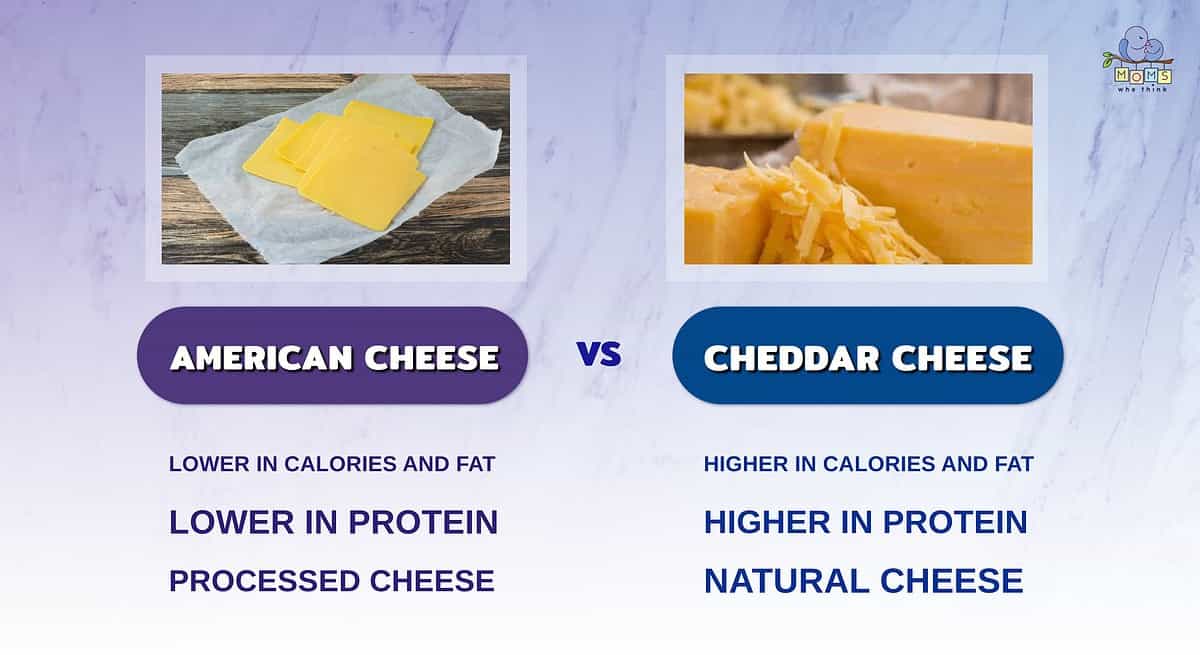
When placed side-by-side, the differences between American cheese and cheddar cheese become remarkably clear. These distinctions span their origins, ingredients, production methods, flavor profiles, and functional applications in the kitchen.
From Farm to Fork: Production and Ingredients
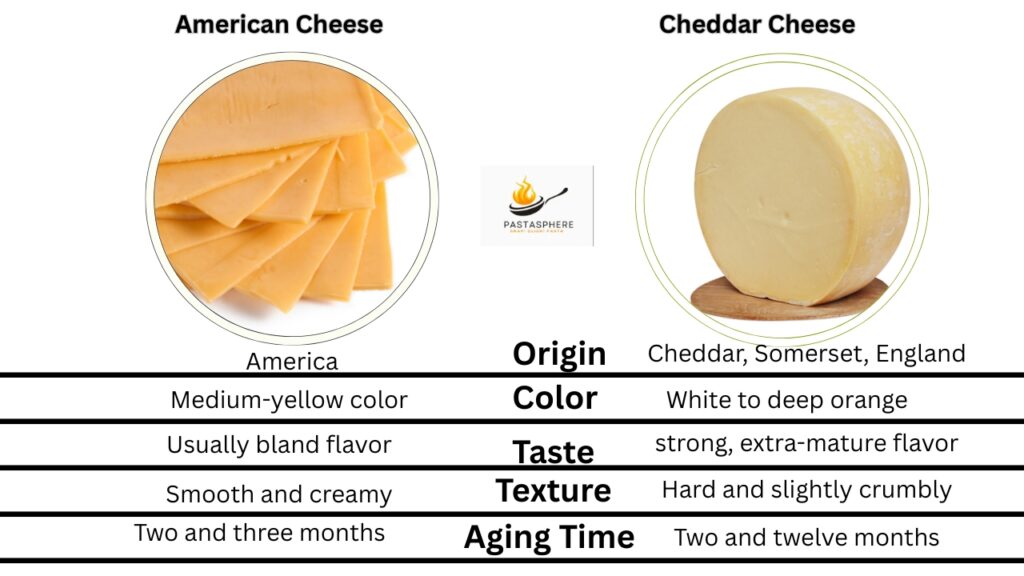
The most fundamental difference lies in their very nature. Cheddar is a natural cheese, produced through the coagulation of milk and the subsequent aging of the curd. Its ingredients are primarily milk, salt, and starter cultures, with aging being the transformative process. American cheese, on the other hand, is a processed cheese product. It starts with natural cheese but undergoes a manufacturing process involving heat and emulsifying salts to achieve its unique characteristics.
The production timeline also differs significantly. Cheddar requires a period of aging, from months to years, to develop its flavor and texture. American cheese, while it may incorporate aged cheeses, is essentially ready to eat shortly after its processing.
The Taste and Texture Spectrum
The flavor profile is another major point of divergence. Cheddar, especially aged varieties, offers a complex array of tastes, ranging from mild and creamy to sharp, tangy, nutty, and even fruity. The longer it ages, the more pronounced and nuanced its flavor becomes. American cheese, by design, has a much milder, more uniform, and less complex flavor. It’s generally creamy and slightly salty, serving as a foundational flavor rather than a dominant one.
Texture is equally distinct. Aged cheddar can be firm, crumbly, and even develop crunchy calcium lactate crystals. Younger cheddar is smoother and more pliable. American cheese, whether sliced or shredded, is typically smooth, soft, and melts into a uniformly creamy consistency. It doesn’t exhibit the same crumbly texture or crystalline structure that can be found in well-aged cheddar.
Functional Roles in the Culinary World
The intended culinary applications of each cheese are directly related to their inherent properties. Cheddar’s complex flavor makes it excellent for snacking, pairing with crackers, fruits, and wines. Its melting properties vary; younger, milder cheddars melt well for sandwiches and gratins, while sharper varieties can become oily or grainy if overheated.
American cheese excels in applications where a smooth, consistent melt is paramount. It is the go-to cheese for the perfect grilled cheese, gooey cheeseburgers, and creamy dips. Its mild flavor complements rather than overpowers other ingredients, making it a versatile base for many comfort food dishes. While it can be eaten on its own, its strength lies in its ability to enhance the texture and cohesiveness of other foods when melted.
Making the Right Choice: When to Use Which Cheese
Understanding the differences between American cheese and cheddar cheese empowers you to make informed decisions in your cooking, leading to more successful and delicious results. The choice between them is not about superiority, but about suitability for the task at hand.
The Melting Magic: Where American Cheese Shines
American cheese is the undisputed champion when it comes to achieving that perfect, gooey, uniform melt. Its formulation with emulsifiers ensures that when heated, the fat remains integrated, creating a smooth, creamy texture without separation.
- For the ultimate grilled cheese sandwich: The consistent melt of American cheese creates an unbroken, creamy layer that perfectly envelops the bread and filling.
- The iconic cheeseburger: American cheese drapes beautifully over a hot patty, melting into a luscious, cohesive layer that adheres perfectly.
- Creamy dips and sauces: When you need a smooth, lump-free cheese sauce or a rich, velvety dip, American cheese is your most reliable option.
- Nachos and casseroles: Its ability to melt evenly and stay melty makes it ideal for topping dishes that require a generous, consistent cheese coverage.
While some natural cheeses can be melted effectively, they often require specific techniques or a lower heat to prevent issues like oil separation or a rubbery texture. American cheese simplifies this process, guaranteeing a smooth outcome.
Flavor and Complexity: The Domain of Cheddar
Cheddar, with its wide range of ages and flavors, offers a far more complex culinary experience. It can be enjoyed on its own or used to add depth and character to dishes.
- Cheese boards and snacking: Aged cheddars, with their sharp, nutty, and sometimes crystalline profiles, are perfect for savoring with crackers, fruits, and charcuterie.
- Adding a flavor punch: Grated cheddar can elevate the taste of macaroni and cheese, quiches, and gratins, providing a distinct tang and richness.
- Sandwiches with character: While mild cheddar melts well, sharper varieties offer a more pronounced flavor that can stand up to other ingredients in hot or cold sandwiches.
- Pairing with beverages: The diverse flavor profiles of cheddar make it a versatile partner for various wines, beers, and spirits.
When choosing cheddar, consider its age and flavor profile. A mild cheddar will offer a softer taste and meltability similar to some processed cheeses, while a sharp or extra-sharp cheddar will bring a more assertive, complex flavor to your dishes.
When to Bridge the Gap (or Not)
While distinct, there are instances where one might be substituted for the other, with caveats. If a recipe calls for a mild, melty cheese and you only have mild cheddar, it can often work, though it may not achieve the absolute uniformity of American cheese. Conversely, if a recipe calls for a sharp cheddar flavor, American cheese will not suffice, as it lacks the characteristic tang and complexity.
Ultimately, the choice between American cheese and cheddar cheese boils down to your desired outcome. For unparalleled meltability and a mild, comforting profile, American cheese is the specialist. For nuanced flavor, texture variation, and a taste of cheese-making tradition, cheddar is the clear leader. Both have their rightful place in the kitchen, contributing to the vast and delicious world of dairy.
aViewFromTheCave is a participant in the Amazon Services LLC Associates Program, an affiliate advertising program designed to provide a means for sites to earn advertising fees by advertising and linking to Amazon.com. Amazon, the Amazon logo, AmazonSupply, and the AmazonSupply logo are trademarks of Amazon.com, Inc. or its affiliates. As an Amazon Associate we earn affiliate commissions from qualifying purchases.