
At its core, the perceived difference between a tornado and a twister dissolves when viewed through the lens of modern meteorological technology and digital communication. From a scientific and technological standpoint, there is no substantive difference: a “twister” is simply a colloquial, informal term for a “tornado.” The true distinction lies not in the phenomena themselves, but in how advanced technological systems define, detect, track, and ultimately communicate the precise nature of these powerful rotating columns of air. Understanding this requires an exploration of the sophisticated tech infrastructure that underpins contemporary weather science, transforming anecdotal observation into data-driven insight.

Defining the Phenomenon Through Advanced Meteorological Tech
The precise identification and categorization of a tornado rely heavily on a complex array of technological tools and sophisticated software, which collectively differentiate the scientifically defined “tornado” from any less precise descriptor like “twister.” These systems provide the empirical data necessary to understand and respond to these formidable natural events.
Radar Systems and Doppler Velocity
The bedrock of tornado detection is the Doppler radar system. These advanced gadgets emit microwave pulses that bounce off precipitation and other atmospheric particles, returning data that sophisticated algorithms process. Crucially, Doppler radar doesn’t just measure the location of precipitation; it measures its velocity relative to the radar station. This capability is paramount for identifying a tornado. Meteorologists, leveraging specialized visualization software, look for specific Doppler velocity signatures known as “velocity couplets” or “mesocyclones” – areas where air is rapidly moving toward and away from the radar in close proximity. This indicates rotation within a storm, a precursor or direct sign of a tornado. Without this technology, the precise, often localized, rotation that defines a tornado would be incredibly difficult to discern amidst a larger storm system, blurring the line between a severe thunderstorm and one producing a tornado. The precise data from these systems allows for the differentiation of a “tornado” warning from a general “severe thunderstorm” warning, a distinction that has direct implications for public safety and response.
Satellite Imaging and Data Synthesis
While ground-based radar provides granular data, geostationary and polar-orbiting satellites offer a macro perspective, providing invaluable context for tornado-producing storms. High-resolution satellite imagery, processed by advanced image analysis software, tracks cloud top temperatures, atmospheric moisture content, and storm development over vast regions. Infrared and visible light sensors, integrated with real-time data feeds, enable meteorologists to observe the evolution of severe weather systems from space. Furthermore, sophisticated data synthesis platforms combine satellite observations with radar data, surface observations, and atmospheric soundings from weather balloons. This multi-layered data fusion, managed by powerful computational systems, creates comprehensive 3D models of the atmosphere, allowing forecasters to identify environmental conditions conducive to tornadogenesis with greater accuracy. This integrated technological approach elevates understanding beyond simple visual observation, formalizing the “tornado” as a specific, quantifiable atmospheric event rather than a generic “twister.”
AI-Driven Predictive Models
The sheer volume and complexity of meteorological data make it an ideal candidate for AI and machine learning applications. AI-driven predictive models continuously analyze historical weather patterns, real-time sensor data, and radar/satellite feeds to identify subtle precursors to tornado formation. These AI tools, running on high-performance computing clusters, can detect correlations and anomalies that human analysis might miss, significantly improving the lead time for tornado warnings. From identifying specific cloud top signatures in satellite imagery to recognizing complex radar velocity patterns, AI algorithms are learning to anticipate tornadic activity with increasing precision. This integration of AI into meteorological software platforms represents a cutting-edge technological trend, further solidifying the scientific definition of a “tornado” through sophisticated, automated pattern recognition, thereby providing a clear, technologically-derived understanding that transcends informal terminology.
The Colloquial ‘Twister’ vs. Scientific ‘Tornado’: A Tech Perspective
The practical impact of the “tornado” versus “twister” distinction largely plays out in how technology facilitates communication and public understanding during severe weather events. Modern digital tools aim to ensure that the scientific precision of “tornado” is conveyed effectively, minimizing ambiguity and promoting informed action.
Bridging the Gap with Communication Technologies
When a tornado threat emerges, digital communication technologies become critical in bridging the gap between scientific jargon and public understanding. Emergency alert systems, often delivered via mobile apps, SMS, and integrated public address systems, translate complex meteorological data into actionable warnings. These systems leverage geo-targeting capabilities to deliver location-specific alerts directly to individuals within the projected path of a tornado. The precision enabled by these technologies, powered by GPS and network infrastructure, ensures that warnings are timely and relevant, clearly stating “Tornado Warning” rather than a vague “twister alert.” This technological infrastructure reinforces the use of the formal “tornado” terminology because precision saves lives, differentiating it from the informal “twister.”
Data Visualization for Public Understanding
Effective communication isn’t just about sending alerts; it’s about conveying complex information understandably. Data visualization software plays a crucial role in illustrating the threat of a tornado. Interactive maps in weather apps and on news websites display tornado paths, warning polygons, and radar overlays with real-time updates. These digital tools transform raw meteorological data into intuitive visual representations that show the exact location and potential impact of a tornado. By clearly delineating a “Tornado Warning” area with precise boundaries and projecting its movement, these visualizations solidify the understanding of a “tornado” as a specific, measurable phenomenon, contrasting sharply with the generalized and non-specific imagery evoked by “twister.” The ability to visually track the event, often in 3D representations, powered by advanced rendering engines, empowers the public with clear, factual information.
The Role of Apps and Digital Alerts
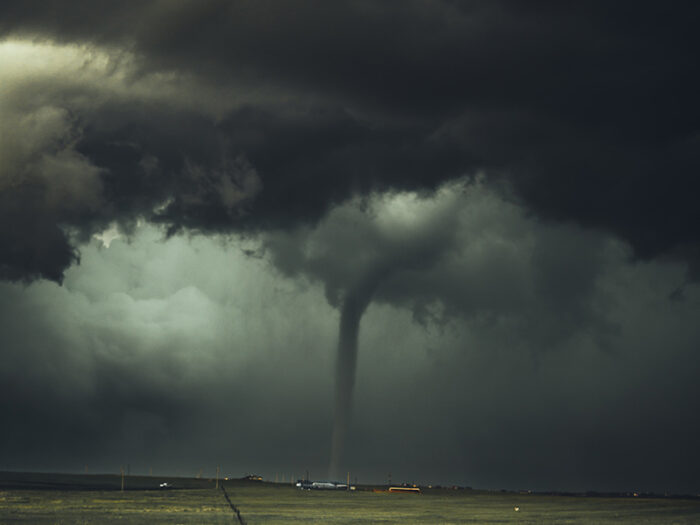
Personal weather apps and digital alert services represent the frontline of technological engagement for the public during tornado events. These applications integrate directly with national weather services, providing real-time data feeds, push notifications for warnings, and interactive radar maps. Many apps offer customizable alerts, allowing users to receive specific notifications for tornado watches or warnings based on their geographical location. Beyond simple alerts, some apps offer features like storm tracking, estimated time of arrival for severe weather, and safety guidelines. The consistent use of “tornado” within these widely adopted digital gadgets and software platforms reinforces the official terminology, educating users about the specific nature of the threat being communicated and helping to supplant the less precise “twister” in common discourse.
Software, Simulations, and Digital Security in Tornado Events
Beyond detection and communication, a host of other technological applications further define and interact with the phenomenon of a tornado, from intricate simulations to critical digital security measures.
Computational Fluid Dynamics for Tornado Simulation
Understanding the dynamics of a tornado goes beyond real-time observation; it involves simulating these complex events using powerful computational fluid dynamics (CFD) software. Supercomputers run intricate atmospheric models, solving complex equations that govern air movement, temperature changes, and moisture dynamics. These simulation tools allow researchers to explore various scenarios, understand the conditions leading to tornadogenesis, and even predict the behavior of tornadoes under different environmental parameters. By digitally recreating tornadoes, scientists gain insights into their formation, intensity, and destructive potential, all based on precise physical laws and extensive data, further solidifying the scientific definition of a “tornado” and its characteristics in a controlled digital environment.
Software for Damage Assessment and Recovery
Following a tornado event, geospatial information system (GIS) software and drone technology with advanced imaging sensors become invaluable for damage assessment and recovery efforts. Drones can capture high-resolution aerial imagery of affected areas, which is then fed into GIS platforms. This software analyzes the extent of damage, maps affected infrastructure, and helps emergency responders and recovery teams prioritize their efforts. From identifying impassable roads to locating damaged utility lines, these digital tools streamline the post-event response. Furthermore, applications for managing relief efforts, coordinating volunteers, and tracking resources rely heavily on robust database and project management software, demonstrating technology’s role in the full lifecycle of a tornado event.
Digital Security Implications for Critical Infrastructure
Tornadoes pose significant threats to physical infrastructure, but they also introduce crucial digital security challenges. Power outages, network disruptions, and physical damage to data centers can compromise the integrity and accessibility of critical digital systems. Utilities, emergency services, and financial institutions must implement robust cybersecurity protocols and disaster recovery plans that account for the physical impact of severe weather. This includes secure data backups, redundant network pathways, and geographically dispersed server locations. Protecting the digital backbone that supports a community’s infrastructure becomes paramount during and after a tornado, ensuring that essential services can be restored and managed, even when physical systems are compromised. The resilience of these digital systems is a testament to the importance of proactive digital security measures in the face of natural disasters like tornadoes.
Future Tech: Enhancing Understanding and Response
The relentless pace of technological innovation promises even greater precision and effectiveness in dealing with tornadoes, further distinguishing the scientifically defined “tornado” through advanced tools.
Drone Technology for Reconnaissance
Future applications of drone technology will likely revolutionize on-the-ground tornado reconnaissance. Equipped with advanced sensors (e.g., LiDAR, high-resolution cameras, atmospheric probes), autonomous drones could safely fly into and around storm systems, collecting real-time data from within the storm’s immediate environment. This data, fed directly into predictive models and visualization software, would offer unprecedented insights into tornado structure and evolution, far surpassing what current fixed-position radar or satellite systems can provide. These gadgets, operating under AI-driven flight paths, promise to enhance warning precision dramatically.
IoT Sensors for Micro-Level Data
The deployment of widespread Internet of Things (IoT) sensors presents another frontier. Networks of small, inexpensive sensors embedded in infrastructure or widely distributed across vulnerable areas could provide hyper-local atmospheric data—temperature, humidity, pressure, and wind speed—at a granularity currently unattainable. This vast influx of micro-level data, processed by advanced analytics platforms and AI, could help identify localized conditions conducive to tornado formation or even detect the subtle shifts within a storm that precede tornadogenesis. Such a pervasive network of smart gadgets would offer a truly granular, real-time understanding of a “tornado” as it forms and moves.

Augmented Reality for Training and Education
Augmented Reality (AR) tools hold immense potential for training emergency responders and educating the public about tornado safety. Imagine emergency personnel conducting virtual disaster simulations in an AR environment, practicing response protocols against a digitally rendered, highly realistic tornado. For the public, AR apps could overlay real-time tornado paths and safety instructions onto their physical environment, offering intuitive guidance during an event. These immersive digital technologies could deepen understanding of a tornado’s dynamics and how to react, reinforcing the scientific understanding of the phenomenon through interactive, visually rich experiences.
aViewFromTheCave is a participant in the Amazon Services LLC Associates Program, an affiliate advertising program designed to provide a means for sites to earn advertising fees by advertising and linking to Amazon.com. Amazon, the Amazon logo, AmazonSupply, and the AmazonSupply logo are trademarks of Amazon.com, Inc. or its affiliates. As an Amazon Associate we earn affiliate commissions from qualifying purchases.