
In the modern discourse of the 21st century, the term “fascist” is often wielded as a political slur, frequently detached from its historical and structural roots. However, when we view the definition of fascism through the lens of modern technology, a more precise and chilling architecture emerges. Historically, fascism is defined by extreme centralized power, the suppression of political opposition, and the subordination of individual interests to the needs of the state—often through a merger of corporate and governmental power. In the contemporary tech landscape, these characteristics have found a new medium: the digital ecosystem.
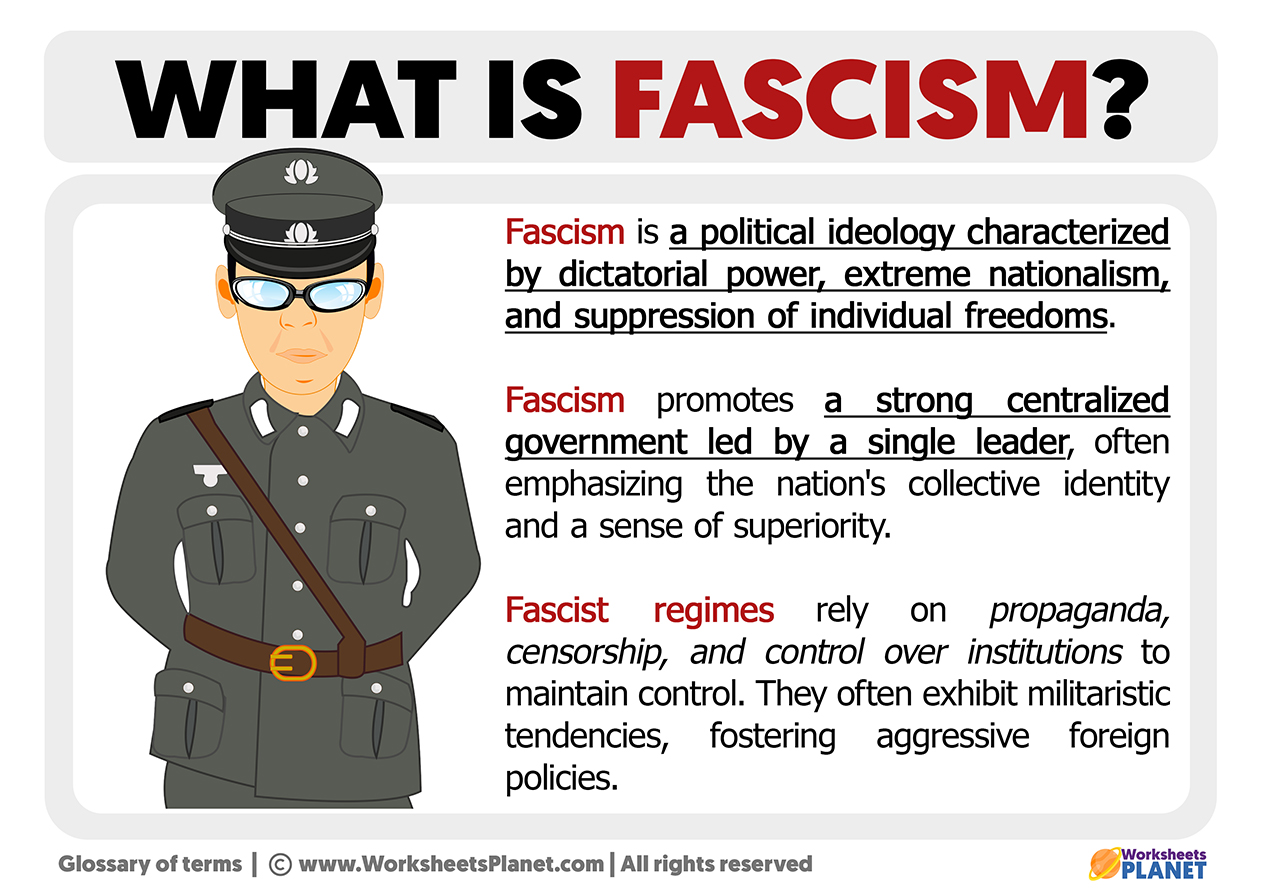
Understanding the definition of fascism today requires an examination of how software, artificial intelligence, and data surveillance have evolved to exert levels of control that 20th-century dictators could only imagine. This article explores the intersection of technology and authoritarianism, defining the “digital fascist” framework through the mechanics of algorithmic control, the erosion of data sovereignty, and the rise of the surveillance state.
1. The Architecture of Algorithmic Fascism: Control via Code
The traditional definition of fascism relies on the physical enforcement of ideology. In the tech sector, this has been replaced by “algorithmic governance.” This is the process where software dictates the boundaries of acceptable thought and behavior without the need for visible coercion.
The Weaponization of Engagement
Modern social media platforms are built on algorithms designed to maximize engagement. However, these tools often inadvertently—or by design—prioritize inflammatory, polarizing, and hyper-nationalistic content. By defining what users see, tech companies exercise a form of “soft” authoritarianism. When an algorithm decides to suppress specific viewpoints while amplifying others to maintain “social harmony” or “platform safety,” it mirrors the fascist tendency to control the narrative and eliminate dissent.
The Illusion of Choice in Software Ecosystems
Fascism is characterized by a lack of pluralism. In tech, this manifests through “vendor lock-in” and walled gardens. When a single software entity or hardware ecosystem controls every facet of a user’s digital life—from their communication and finances to their biometric data—the individual loses the ability to opt-out. This centralized control of a digital environment is the primary technical pillar of a fascist-leaning infrastructure, where the “platform” becomes the state.
Predictive Policing and Algorithmic Bias
One of the most direct applications of tech-driven authoritarianism is predictive policing software. By using historical data to predict where crimes will occur, these tools often automate the targeting of marginalized communities. When the state uses “black-box” AI to justify the suspension of civil liberties, it fulfills the fascist definition of using technology to reinforce a rigid social hierarchy and state-mandated order.
2. The Surveillance Panopticon: Data as a Tool of Subjugation
A core tenet of fascist regimes is the total transparency of the citizen to the state, while the state remains opaque to the citizen. In the digital age, this is achieved through the commodification of personal data and the proliferation of surveillance tech.
Biometric Enclosure and Digital Identity
The definition of fascist control expands significantly when we consider biometric data. Facial recognition, gait analysis, and iris scanning allow for the constant monitoring of populations in real-time. When governments integrate this data with “Digital IDs,” the ability to exist in public space becomes conditional on the state’s approval. This creates a digital panopticon where the fear of being watched induces self-censorship—the ultimate goal of any authoritarian system.
The Role of Digital Security and Encryption
In a fascist technical framework, end-to-end encryption is viewed as a threat. We see this in the global legislative push against “dark spaces” on the internet. By demanding “backdoors” into secure messaging apps, authorities seek to eliminate the private sphere entirely. From a tech perspective, the fight for encryption is the front line against a fascist definition of governance that demands total visibility into the private lives of every individual.
Mass Data Harvesting and “Social Scoring”
Perhaps the most overt modern definition of fascism is found in social credit systems. These platforms aggregate financial data, social media activity, and legal records to assign a “score” to citizens. High scores grant privileges; low scores lead to the throttling of internet speeds, travel bans, or exclusion from the financial system. This is the ultimate merger of tech and authoritarianism: the use of Big Data to enforce social conformity through systematic punishment.
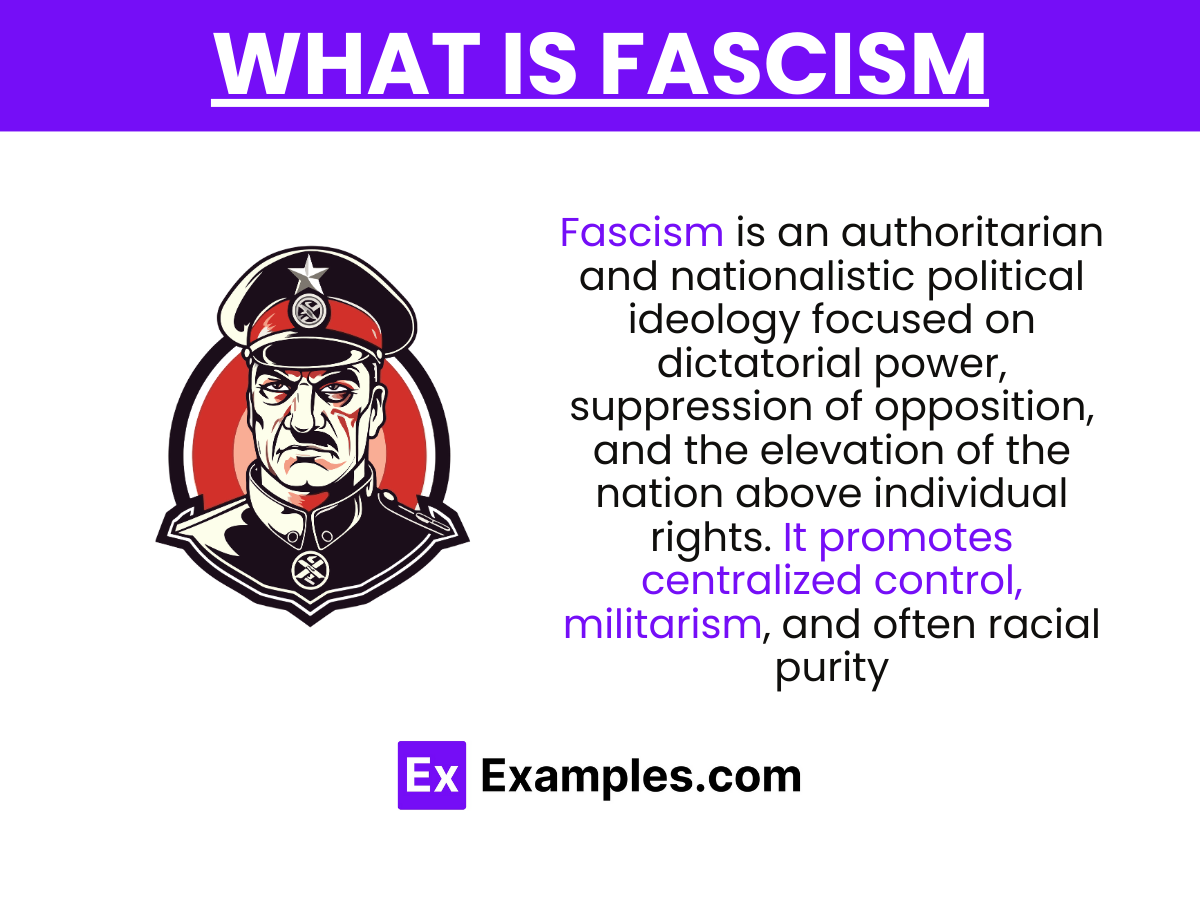
3. The Corporate-State Nexus: A Modern Reinterpretation of Corporatism
Mussolini famously noted that fascism should more appropriately be called “corporatism” because it is a merger of state and corporate power. In the tech world, this definition is revitalized through the relationship between Big Tech and government agencies.
The Privatization of Censorship
When governments cannot legally censor their citizens due to constitutional protections, they often lean on private tech platforms to do it for them. This creates a “shadow” authoritarianism where the state’s ideological goals are enforced by private software companies. This collaboration defines a new era of fascism where the line between a government directive and a platform’s “Terms of Service” becomes nonexistent.
The Military-Industrial-Tech Complex
The development of AI-driven weaponry and mass surveillance tools is often funded by state defense budgets but executed by private tech firms. This symbiotic relationship ensures that the most advanced technologies are built specifically for the projection of state power. When tech companies prioritize government contracts for border surveillance or domestic monitoring over user privacy, they are participating in a corporatist structure that aligns perfectly with the historical definition of fascism.
Monopolies and the Death of Digital Competition
Fascism thrives on the elimination of competition. In the tech industry, the aggressive acquisition of startups by “The Big Five” prevents the rise of alternative ideologies or privacy-centric technologies. By controlling the “pipes” of the internet—cloud computing, app stores, and search engines—these entities create a centralized point of failure that can be easily co-opted by an authoritarian government to stifle opposition.
4. Digital Sovereignty: Defending Liberty Against Tech-Authoritarianism
If the digital definition of fascism is centralized control and surveillance, the solution lies in the decentralization of technology and the empowerment of the individual user. To resist the “fascist” drift of modern tech, we must look toward tools that prioritize sovereignty.
The Importance of Open-Source Software (OSS)
Open-source software is the antithesis of fascist tech. Because the code is transparent and can be audited by anyone, it prevents the hidden “backdoors” and algorithmic manipulations common in proprietary software. Encouraging the use of OSS is a critical step in ensuring that the tools we use do not become instruments of state or corporate control.
Decentralized Web and Blockchain Beyond Currency
While often associated with finance, blockchain and decentralized protocols offer a way to host information that cannot be censored by a central authority. By moving away from centralized servers (the “command and control” model) and toward Peer-to-Peer (P2P) networks, we can create a digital environment where the definition of fascist control becomes technically impossible to enforce.
Privacy-Enhancing Technologies (PETs)
Digital security is not just a technical preference; it is a human right. Tools like VPNs, Tor, and Zero-Knowledge Proofs are essential for maintaining anonymity in an age of total surveillance. In a world where the definition of fascism is increasingly tied to the “datafication” of the individual, the ability to remain “invisible” to the machine is the most potent form of resistance.

Conclusion: Redefining the Threat
The definition of a fascist today isn’t necessarily a man in a uniform; it can be an opaque algorithm, a biometric database, or a corporate policy that treats users as subjects rather than customers. The transition from physical to digital authoritarianism is subtle because it is often marketed as “convenience,” “security,” or “safety.”
To maintain a free society, we must recognize that the concentration of technological power is, in itself, a precursor to fascist outcomes. By championing digital sovereignty, demanding transparency in AI, and protecting our right to encryption, we can ensure that the tools of the future are used to liberate humanity rather than to automate our subjugation. The battle for the definition of our digital future is happening now—in the lines of code we write, the apps we choose to download, and the data we refuse to surrender.
aViewFromTheCave is a participant in the Amazon Services LLC Associates Program, an affiliate advertising program designed to provide a means for sites to earn advertising fees by advertising and linking to Amazon.com. Amazon, the Amazon logo, AmazonSupply, and the AmazonSupply logo are trademarks of Amazon.com, Inc. or its affiliates. As an Amazon Associate we earn affiliate commissions from qualifying purchases.