
In the modern financial landscape, the seamless movement of money is a cornerstone of daily life. Whether you are setting up a direct deposit for a new job, paying your monthly rent through an online portal, or sending a wire transfer to a family member, you will inevitably encounter the request for two specific strings of digits: your checking account number and your routing number.
To the uninitiated, these numbers might seem like arbitrary sequences of figures printed at the bottom of a check. However, they serve as the vital DNA of the American banking system. Understanding the distinction between these two numbers, their specific functions, and how to protect them is essential for anyone looking to manage their personal finances with confidence and security.

Demystifying the Anatomy of Your Bank Account
At first glance, a paper check or a digital account summary displays several groups of numbers. While they all relate to your money, they serve very different navigational purposes within the financial grid.
The Routing Number: Your Bank’s Digital Address
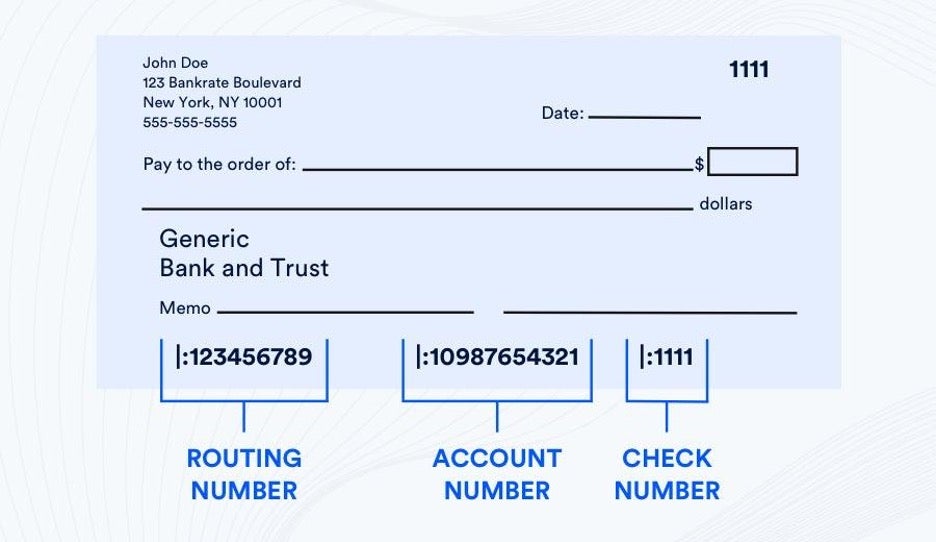
The routing transit number (RTN), often simply called a routing number, is a nine-digit code used to identify a specific financial institution within the United States. Established by the American Bankers Association (ABA) in 1910, this number ensures that your money ends up at the correct bank.
Think of the routing number as the “zip code” for your bank. Just as a zip code directs mail to a specific post office branch, the routing number tells the Federal Reserve and other banks exactly where a transaction needs to go. It identifies the bank’s size, its location, and the specific Federal Reserve district it belongs to. Larger national banks may have different routing numbers for different states or regions, while smaller credit unions usually have just one.
The Checking Account Number: Your Personal Financial Identifier
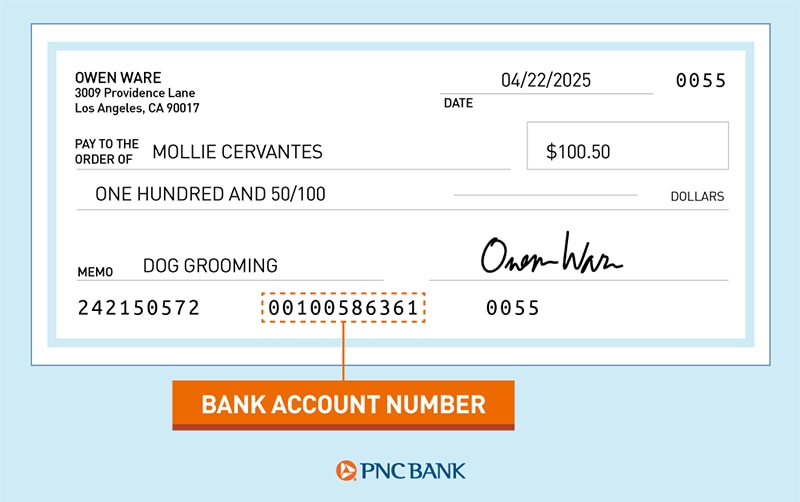
While the routing number identifies the bank, the checking account number identifies you within that bank. This number is unique to your specific account. It acts like your “apartment number” within the larger building of the bank.
Checking account numbers can vary in length, typically ranging from 8 to 12 digits, depending on the internal system of the financial institution. This number is what allows the bank to know which specific pool of funds to withdraw from or deposit into. Without this number, a routing number would simply get the money to the bank’s front door, but the bank wouldn’t know which desk to deliver it to.
How to Locate Your Numbers Quickly
For those who still use paper checks, finding these numbers is straightforward. Look at the bottom of the check: the first nine digits on the left are the routing number, the middle set of digits is usually the account number, and the final set is the check number.
In the digital age, however, many consumers rarely see a physical check. Most banking apps and online portals now have a section labeled “Account Details” or “Direct Deposit Information” where these numbers are clearly listed. Additionally, some banks provide a “Digital Check” view in their mobile apps, mimicking the layout of a paper check to help users identify their codes.
The Critical Roles of Routing and Checking Numbers in Daily Finance
These numbers are the engines behind almost every non-cash transaction in the United States. Understanding how they interact with different financial services can help you optimize your money management.
Streamlining Direct Deposits and Payroll
One of the most common uses for these numbers is the setup of direct deposits. When you start a new job, your employer’s payroll department requires your routing and checking numbers to link their corporate account to your personal one. This process utilizes the Automated Clearing House (ACH) network. By providing accurate numbers, you ensure that your paycheck is electronically transferred and available in your account on payday, bypassing the need for physical checks and manual deposits.
Managing Automatic Bill Payments and ACH Transfers
Automatic bill pay is a powerful tool for maintaining a high credit score and avoiding late fees. Whether it is your utility provider, insurance company, or mortgage lender, these entities use your routing and account numbers to “pull” funds from your account on a scheduled basis. This is generally preferred over using a debit or credit card for recurring payments because cards expire or change numbers, whereas checking account details remain constant unless you close the account or switch banks.
Wire Transfers vs. ACH: Knowing Which Numbers to Use
It is a common misconception that there is only one routing number for every bank. In reality, many large institutions utilize different routing numbers for ACH transfers versus domestic or international wire transfers.
If you are sending or receiving a wire transfer—which is a near-instantaneous, high-priority transfer of funds—it is imperative to verify if your bank requires a “Wire Routing Number” specifically. Using the standard ACH routing number for a wire transfer can lead to significant delays or the transaction being rejected entirely. Always double-check with your bank’s website or customer service before initiating a large wire.
Ensuring Security and Preventing Financial Fraud
Because your checking and routing numbers provide direct access to your funds, they are highly sensitive pieces of information. In the wrong hands, these numbers can be used to authorize fraudulent electronic withdrawals.
Why Your Account Numbers Are Sensitive Data
Unlike a credit card, which offers robust consumer protection and the ability to “freeze” the card instantly, a compromised checking account is a more direct link to your liquid cash. While banks do have fraud protection departments, a fraudulent ACH withdrawal can temporarily drain your balance, potentially leading to bounced checks or missed payments while the bank investigates. Therefore, these numbers should be treated with the same level of secrecy as a Social Security number.
Best Practices for Sharing Banking Information
You should only share your routing and checking numbers with trusted, verified entities. This includes your employer, government agencies (like the IRS for tax refunds), and reputable utility or loan companies.
Be wary of “phishing” scams where an email or text message asks you to “verify” your account details by clicking a link. No legitimate bank will ever ask you to provide your full account number through an unsecure email. Furthermore, when using third-party payment apps, ensure they use high-level encryption and two-factor authentication before linking your bank account directly.
What to Do If Your Banking Details Are Compromised
If you suspect that your banking information has been stolen or if you notice unauthorized transactions, time is of the essence. Contact your bank immediately to report the fraud. In many cases, the bank will need to close the compromised account and issue you a new account number. While this is a logistical hurdle—requiring you to update all your direct deposits and automatic bill pays—it is the only way to ensure the security of your funds moving forward.
The Evolution of Banking Identifiers in the Digital Age
The way we use routing and checking numbers is changing as financial technology (FinTech) evolves. While the core numbers remain the same, the interfaces we use to interact with them are becoming more sophisticated.
From Paper Checks to Mobile Banking Apps
We are currently in a transition period where the “physicality” of banking is fading. In the past, the MICR (Magnetic Ink Character Recognition) line at the bottom of a check was the only way for machines to read account data. Today, mobile banking apps use biometric data—like fingerprints or facial recognition—to grant access to these numbers. This adds a layer of security that the traditional paper check never possessed.
The Global Perspective: IBAN and SWIFT/BIC Codes
As the economy becomes more global, it is important to note that the U.S. routing and checking system is somewhat unique. If you are dealing with international finance, you may encounter the IBAN (International Bank Account Number) or the SWIFT/BIC (Bank Identifier Code).
The IBAN is an alphanumeric string that combines the country code, bank code, and account number into one long identifier. While the U.S. does not currently use the IBAN system for domestic transfers, American banks use SWIFT codes to communicate with foreign banks. Understanding that your domestic routing number will not work for international transfers is a key piece of financial literacy for the modern traveler or business owner.
Future Trends in Account Verification
The future of banking is moving toward “Open Banking” and “Instant Payments.” Services like FedNow in the United States aim to make the movement of money via routing and account numbers instantaneous, 24/7/365. Additionally, tokenization—a process where your real account numbers are replaced by a digital “token” during a transaction—is becoming more common. This means that even if a merchant’s database is hacked, your actual checking and routing numbers remain hidden and secure.
By mastering the basics of these foundational numbers, you empower yourself to navigate the financial world with precision. Whether you are building wealth, managing a business, or simply staying on top of your monthly expenses, your routing and checking numbers are the essential tools that keep your financial life in motion.
aViewFromTheCave is a participant in the Amazon Services LLC Associates Program, an affiliate advertising program designed to provide a means for sites to earn advertising fees by advertising and linking to Amazon.com. Amazon, the Amazon logo, AmazonSupply, and the AmazonSupply logo are trademarks of Amazon.com, Inc. or its affiliates. As an Amazon Associate we earn affiliate commissions from qualifying purchases.