
The allure of a brand-new car is undeniable. The crisp scent of untouched upholstery, the pristine gleam of the paintwork, and the promise of reliable, cutting-edge technology – it’s a package many aspire to. However, for a significant portion of the population, the term “new car” often conjures images of daunting price tags and extensive financing commitments. This article aims to demystify the pursuit of affordable new vehicles, cutting through the marketing hype and focusing on the practical financial realities of acquiring a brand-new car without breaking the bank. We will explore the most cost-effective options available, delve into the factors that contribute to a car’s affordability, and offer actionable advice for making the smartest financial decision.
The Entry-Level Arena: Identifying the Absolute Cheapest New Cars
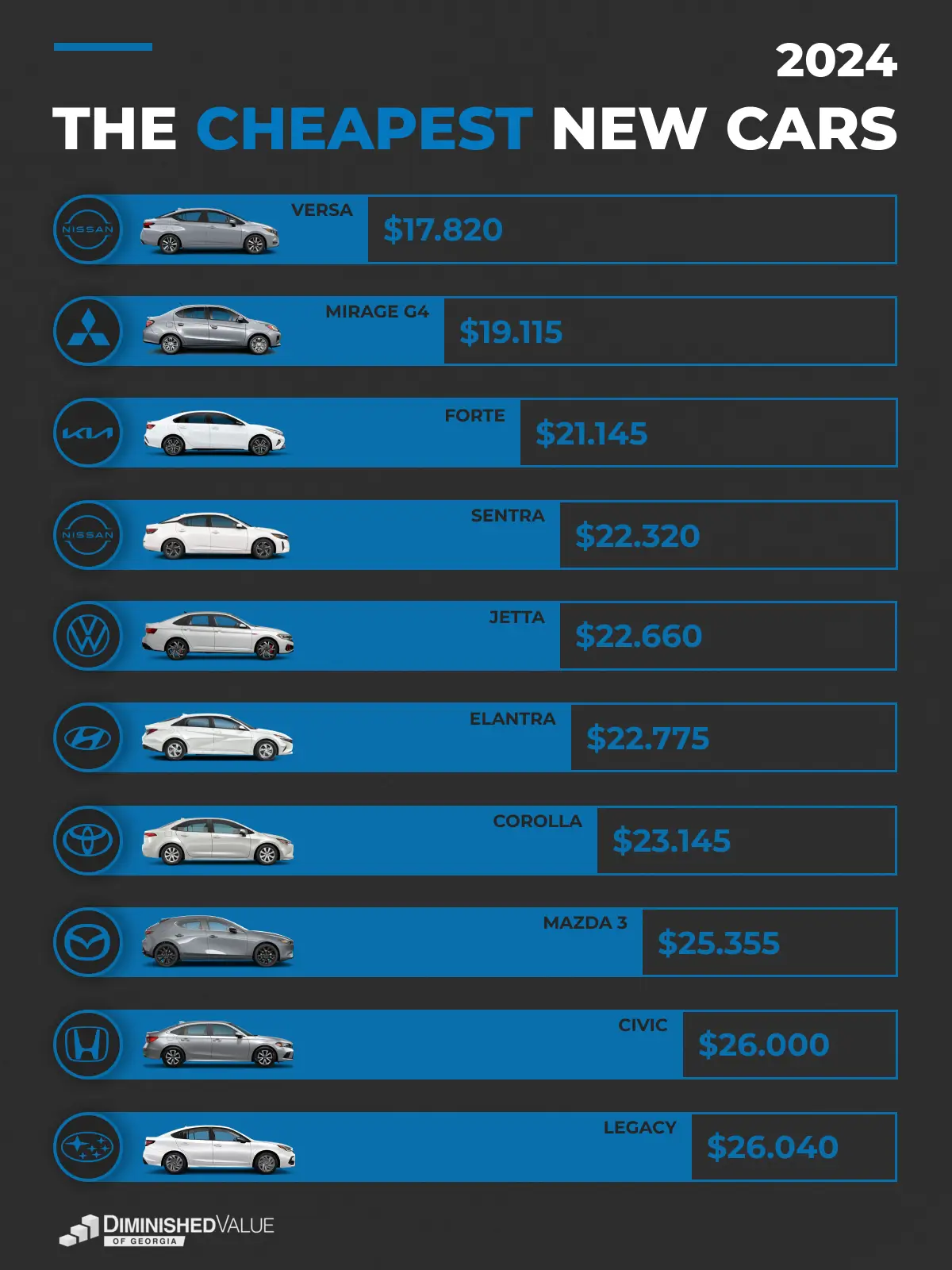
When the budget is the primary constraint, the automotive market narrows its focus considerably. The cheapest new cars are not typically found in the luxury SUV or performance sedan segments. Instead, they reside in the subcompact and compact car categories, often from manufacturers known for their value-driven approach. These vehicles prioritize essential functionality and fuel efficiency over extravagant features, making them the ideal choice for budget-conscious buyers.
Unveiling the Top Contenders for the Crown
The landscape of the cheapest new cars is dynamic, with manufacturers periodically adjusting pricing and introducing new models. However, certain brands and specific models consistently vie for the top spot in affordability.
Japanese Engineering: Reliability Meets Affordability
Japanese automakers have long been synonymous with producing reliable and economical vehicles. Brands like Mitsubishi and Nissan frequently offer models that sit at the lower end of the new car price spectrum.
-
Mitsubishi Mirage: This subcompact hatchback is a perennial contender for the cheapest new car title. Its minimalist design, small engine, and basic feature set contribute to its exceptionally low MSRP. While not designed for exhilarating performance or luxurious comfort, it offers a functional means of transportation that is incredibly accessible financially. Its fuel efficiency is a significant draw, further reducing the total cost of ownership. Buyers looking for the absolute lowest entry price will almost certainly find the Mirage on their shortlist.
-
Nissan Versa: Often slightly above the Mirage in price but still firmly in the budget-friendly category, the Nissan Versa offers a bit more space and a marginally more refined interior. It typically comes with a slightly larger engine, providing a touch more power for everyday driving. The Versa strikes a good balance between affordability and practicality, making it a strong choice for those who need a bit more room for passengers or cargo than the absolute smallest cars provide.
American Value: Practicality at a Low Price Point
While American manufacturers might be more associated with larger vehicles, they also offer compellingly priced compact options that cater to the budget-minded consumer.
-
Chevrolet Spark: The Chevrolet Spark, though recently discontinued in some markets, has historically been one of the most affordable new cars available. This subcompact car is designed for urban maneuverability and is characterized by its diminutive size and modest price tag. It’s a straightforward vehicle that gets you from point A to point B efficiently and without a substantial financial outlay. Its low purchase price is its most significant selling point, making it an attractive option for first-time car buyers or those with extremely tight budgets.
-
Ford EcoSport (When discounted): While not always at the absolute bottom, the Ford EcoSport, a subcompact SUV, can sometimes be found with significant incentives and discounts that bring its price point into competition with traditional sedans and hatchbacks. Its slightly elevated driving position and more versatile cargo space can be appealing to buyers who want a bit more utility without a dramatic increase in cost. However, it’s crucial to watch for specific deals and promotions when considering the EcoSport for maximum savings.
Korean Ingenuity: Feature-Rich Affordability
Korean automakers have made significant strides in offering feature-packed vehicles at competitive prices, and their entry-level offerings are no exception.
-
Hyundai Accent: The Hyundai Accent, in its sedan and hatchback configurations, has consistently been a strong contender in the affordable new car segment. It often provides a more robust list of standard features than its direct competitors, including more advanced infotainment options and safety features, even at its base trim level. This makes the Accent an excellent value proposition for buyers who want a well-equipped car without stretching their budget.
-
Kia Rio: Sharing platforms with the Hyundai Accent, the Kia Rio offers a similar combination of affordability, practicality, and a decent feature set. Both the sedan and hatchback versions are designed to be accessible to a broad range of buyers. The Rio often differentiates itself with its styling and sometimes slightly different feature packaging, providing consumers with another excellent choice in the budget-friendly segment.
Beyond the Sticker Price: Understanding Total Cost of Ownership
While the initial purchase price is a crucial factor when identifying the cheapest new car, it is imperative to look beyond the sticker. The true cost of owning a vehicle extends far beyond the showroom price. Factors such as fuel efficiency, insurance premiums, maintenance costs, and potential depreciation all contribute to the overall financial burden.
Fuel Efficiency: The Daily Driver’s Best Friend
For any new car buyer, especially those prioritizing affordability, fuel efficiency is paramount. The less you spend at the pump, the more money you retain in your pocket over the life of the vehicle. The cheapest new cars, by necessity, often feature smaller engines and lighter chassis, which naturally lend themselves to impressive miles per gallon (MPG) figures.
- Subcompacts Lead the Pack: Vehicles like the Mitsubishi Mirage and Chevrolet Spark are engineered with fuel economy as a primary design objective. Their small displacement engines, often paired with continuously variable transmissions (CVTs), are optimized for sipping fuel, particularly in city driving conditions. Consistently achieving 35-40 MPG or even higher in combined city/highway driving can translate into hundreds or even thousands of dollars saved annually on fuel, depending on your driving habits and local gas prices.

- Compact Cars Offer a Compromise: While slightly less fuel-efficient than their subcompact counterparts, compact cars like the Nissan Versa, Hyundai Accent, and Kia Rio still offer commendable MPG ratings. These vehicles often provide a better balance of power and efficiency, making them more suitable for a wider range of driving scenarios, including highway cruising. Achieving MPG figures in the high 20s to low 30s is common for these models, which still represents significant savings compared to larger, less efficient vehicles.
Insurance and Maintenance: The Hidden Costs of Ownership
The cost of insuring a vehicle and maintaining it over time can significantly impact its overall affordability. Fortunately, the cheapest new cars often come with lower associated costs in these areas as well.
-
Lower Premiums for Smaller Vehicles: Insurance companies typically base premiums on a variety of factors, including the vehicle’s value, its safety ratings, its engine size, and its propensity for theft. Cheaper, smaller cars generally have lower insurance premiums because they are less expensive to repair or replace in the event of an accident and are often perceived as less of a risk.
-
Simplified Mechanics, Lower Repair Bills: The simpler mechanical design of most budget-friendly new cars often translates to lower maintenance and repair costs. Fewer complex electronic systems and less powerful engines can mean fewer potential points of failure and less expensive parts when replacements are needed. Routine maintenance, such as oil changes and tire rotations, is also generally more affordable for smaller vehicles.
-
Depreciation: A Factor to Consider: While all new cars depreciate, the rate at which they do so can vary. Cheaper cars often experience less dramatic depreciation in percentage terms compared to their luxury counterparts. This means that when it comes time to sell or trade in your vehicle, you might recoup a larger portion of your initial investment than you would with a more expensive model. However, it’s essential to research the specific depreciation rates of the models you are considering.
Strategizing Your Purchase: Maximizing Value and Minimizing Outlay
Simply identifying the cheapest car on paper is only the first step. A strategic approach to purchasing can further enhance the financial benefits of buying an affordable new vehicle. This involves understanding market dynamics, exploring all available incentives, and being prepared to negotiate.
Leveraging Incentives and Rebates: Sweetening the Deal
Automakers and dealerships frequently offer incentives, rebates, and special financing deals to attract buyers, especially for their entry-level models. Being aware of and effectively utilizing these offers can significantly reduce the out-of-pocket cost of a new car.
-
Manufacturer Rebates: These are direct cash-back offers from the manufacturer, reducing the vehicle’s price by a set amount. They can sometimes be combined with other offers, but it’s important to check the specific terms and conditions. For budget-friendly models, manufacturers might offer modest but impactful rebates to encourage sales.
-
Low-APR Financing: Instead of cash back, some manufacturers offer low-interest financing options for qualified buyers. This can reduce the total amount of interest paid over the loan term, making the car more affordable in the long run. For the cheapest cars, these financing deals can make the monthly payments even more manageable.
-
Dealer Incentives and Promotions: Dealerships often have their own promotions, such as discounts on specific models, special lease deals, or bundled service packages. These can vary widely from one dealership to another and are worth inquiring about.
The Power of Negotiation: Securing the Best Price
While the advertised price is a starting point, the final price of a new car is often negotiable. Approaching the negotiation process informed and prepared can lead to significant savings.
-
Research, Research, Research: Before stepping onto a dealership lot, thoroughly research the fair market value of the car you are interested in. Websites and consumer guides provide valuable pricing information, including invoice prices (what the dealer paid) and average transaction prices.
-
Be Prepared to Walk Away: Your strongest negotiating tool is your willingness to walk away if you don’t get a deal you’re comfortable with. This demonstrates that you are not desperate and can motivate the salesperson to offer a better price.
-
Focus on the “Out-the-Door” Price: Always negotiate based on the total “out-the-door” price, which includes all fees, taxes, and charges. This prevents surprises and ensures you know the true final cost of the vehicle. For the cheapest new cars, even a few hundred dollars saved through negotiation can represent a significant percentage of the overall purchase price.

Considering the Long Game: Used vs. New for Ultimate Affordability
While this article focuses on the cheapest new cars, a brief consideration of the used car market is warranted for those whose primary objective is the lowest possible expenditure.
-
The Depreciation Advantage: The steepest depreciation occurs in the first few years of a car’s life. This means that a car that is just one or two years old can offer significant savings compared to its brand-new counterpart, often with minimal compromises in terms of features or condition.
-
Certified Pre-Owned (CPO) Programs: Many manufacturers offer certified pre-owned programs. These vehicles undergo rigorous inspections and come with extended warranties, providing a degree of peace of mind that can rival that of a new car, but at a lower price point.
-
Balancing Newness and Cost: For buyers who strongly desire the security and latest technology of a new car but are still price-sensitive, the cheapest new car options discussed in this article represent the most logical entry point. They provide the benefits of a new vehicle – full warranty, no prior wear and tear, and the latest safety features – at a price point that is accessible to a wider demographic.
In conclusion, the quest for the cheapest new car is a journey that requires a keen understanding of the market, a focus on long-term value, and a strategic approach to purchasing. By identifying the perennial contenders in the subcompact and compact segments, understanding the nuances of total cost of ownership, and employing smart negotiation tactics, budget-conscious consumers can successfully navigate the automotive landscape and drive away in a brand-new vehicle without compromising their financial well-being. The “cheapest new car” is not just about the lowest sticker price; it’s about achieving the most affordable and practical transportation solution that meets your needs.
aViewFromTheCave is a participant in the Amazon Services LLC Associates Program, an affiliate advertising program designed to provide a means for sites to earn advertising fees by advertising and linking to Amazon.com. Amazon, the Amazon logo, AmazonSupply, and the AmazonSupply logo are trademarks of Amazon.com, Inc. or its affiliates. As an Amazon Associate we earn affiliate commissions from qualifying purchases.