
In today’s rapidly evolving digital age, the question of “what’s the best TV resolution” has become more nuanced than ever. Gone are the days when a simple “HD” designation sufficed. Now, we’re bombarded with terms like 4K, 8K, HDR, and a plethora of technical jargon that can leave even the most tech-savvy consumer feeling a bit overwhelmed. This article, drawing upon the core principles of technology, brand perception, and the financial implications of purchasing decisions, aims to demystify TV resolutions and guide you toward making the most informed choice for your viewing pleasure and budget.
The technological advancements in television display technology have been nothing short of astounding. What was once considered cutting-edge is now commonplace, and what is currently the pinnacle of visual fidelity is rapidly becoming more accessible. Understanding these advancements isn’t just about staying current; it’s about ensuring you’re getting the most value for your money and experiencing content as it was intended to be seen. From the clarity of individual pixels to the richness of color and contrast, resolution plays a fundamental role in how we perceive the visual world on our screens.
The Evolution of Pixels: From Standard Definition to the Horizon of 8K
The journey of TV resolution is a testament to human ingenuity and the relentless pursuit of visual perfection. It’s a story that directly impacts the technology we adopt and the experiences we crave.
From Standard Definition to High Definition: The Foundation of Modern Viewing
Our journey begins with the era of Standard Definition (SD). While now largely a relic, SD TVs, with resolutions typically around 480i or 480p, were the norm for decades. These images, when viewed on larger screens or up close, appear noticeably fuzzy and lacking in detail. It was the advent of High Definition (HD) that truly revolutionized home entertainment.
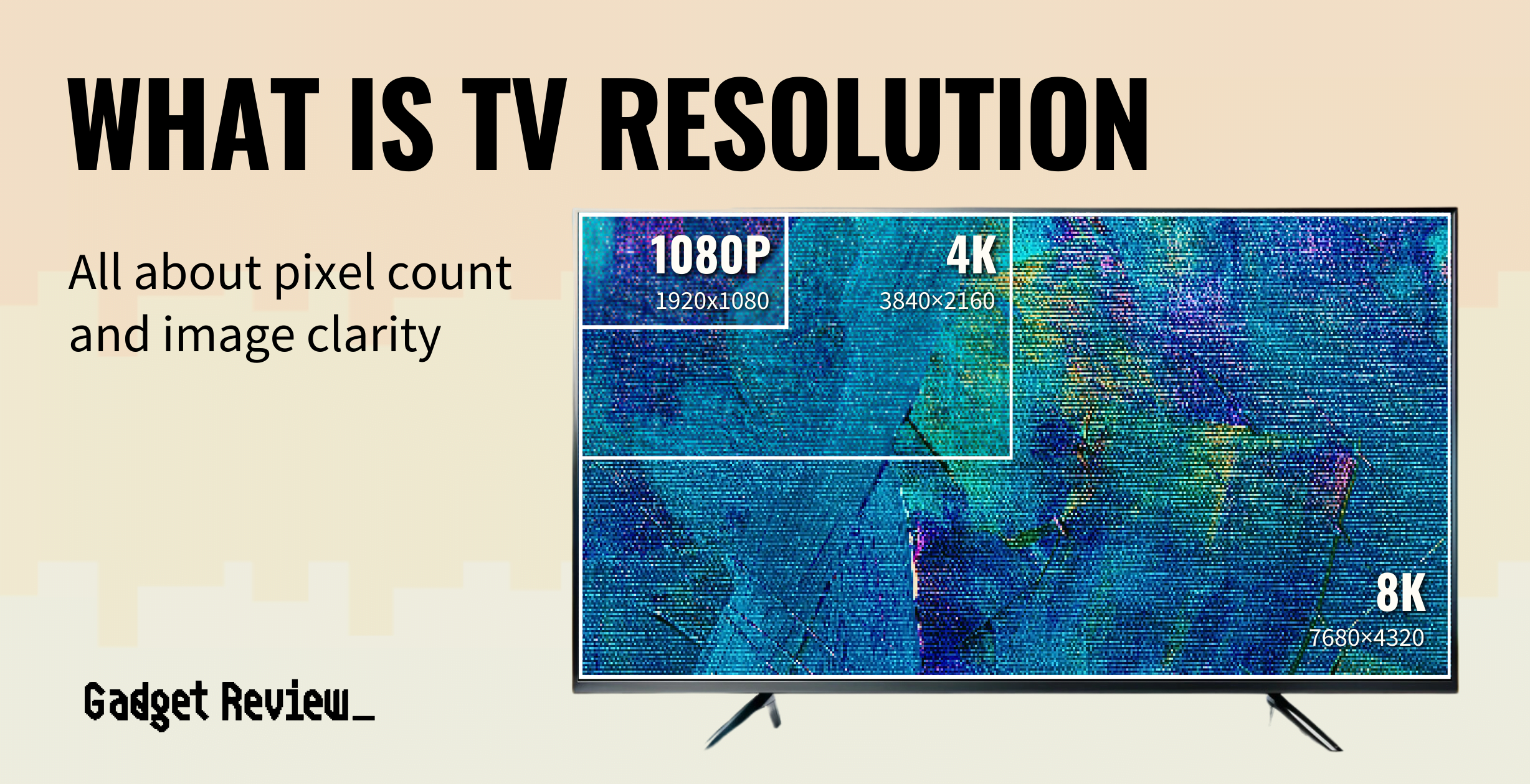
High Definition (HD), commonly referred to as 720p or 1080p (Full HD), offered a significant leap forward. 720p boasts a resolution of 1280 x 720 pixels, while 1080p (Full HD) doubles that to 1920 x 1080 pixels. This increase in pixel count meant sharper images, more defined lines, and a much more immersive viewing experience. For a long time, Full HD was the gold standard, providing an excellent balance between picture quality and affordability, and it still remains a viable option for smaller screens or budget-conscious consumers. The brand strategies of manufacturers were heavily focused on promoting the “HD Ready” and then “Full HD” badges, signifying a clear upgrade and a tangible benefit to consumers.
The 4K Revolution: Four Times the Detail
The next seismic shift in TV resolution came with the widespread adoption of 4K Ultra High Definition (UHD). Often marketed as simply “4K,” this resolution offers a staggering 3840 x 2160 pixels. This is precisely four times the number of pixels found in a Full HD display. The impact of this increase is immediately apparent. Images are incredibly sharp, with an astonishing level of detail. Fine textures, distant objects, and subtle nuances in a scene become far more discernible.
From a technological standpoint, 4K required significant advancements in imaging sensors, display panel technology, and video processing power. Brands leveraged this technological leap as a major selling point, positioning 4K TVs as the premium choice for discerning viewers. The marketing efforts focused on highlighting the “cinematic” experience and the ability to see every detail.
Why 4K Matters: The Visual Impact
The benefits of 4K resolution are not just theoretical; they translate into a tangible improvement in the viewing experience.
- Enhanced Detail and Sharpness: The sheer density of pixels in a 4K image means that individual pixels become virtually indistinguishable at normal viewing distances. This results in an incredibly sharp and lifelike picture, making movies, sports, and games come alive.
- Improved Depth Perception: The increased detail contributes to a greater sense of depth and dimensionality in the image. You can perceive subtle variations in light and shadow, giving the picture a more three-dimensional feel.
- Better for Larger Screens: The benefits of 4K resolution are particularly pronounced on larger screen sizes. On smaller TVs, the difference between Full HD and 4K might be less noticeable, but as screen diagonals increase, the extra pixels of 4K become crucial for maintaining image clarity and avoiding pixelation.
- Future-Proofing: With a growing library of 4K content available through streaming services, Blu-ray discs, and even some broadcast channels, investing in a 4K TV is a sensible move for future-proofing your home entertainment system.
From a financial perspective, the initial cost of 4K TVs was significantly higher than their Full HD counterparts. However, as technology matures, production costs decrease, and the market becomes saturated, 4K TVs have become much more affordable, making them the de facto standard for most new television purchases. Brands often employ tiered pricing strategies, with higher-end models offering superior picture processing and additional features, justifying their premium.
The Cutting Edge: Exploring 8K and Beyond
While 4K is now the mainstream standard, the technological frontier continues to push forward with 8K resolution. An 8K display boasts an incredible 7680 x 4320 pixels, which is four times the resolution of 4K and a staggering sixteen times that of Full HD. The implications for visual fidelity are immense.
The Promise and Practicality of 8K
- Unprecedented Detail: At 8K, the level of detail is astonishing. Imagine seeing individual blades of grass in a wide landscape shot or the subtle textures of fabric on a character’s clothing. This resolution offers a clarity that borders on photorealism.
- Even Better for Very Large Screens: The benefits of 8K are most pronounced on exceptionally large television screens (80 inches and above). At these sizes, the pixel density of 8K ensures that the image remains incredibly sharp and immersive, even when viewed up close.
- Upscaling Technology: A significant challenge with 8K is the limited native 8K content available. To address this, manufacturers invest heavily in sophisticated upscaling technology. This AI-powered processing takes lower-resolution content (like 4K or even HD) and intelligently interpolates pixels to fill the 8K panel, aiming to deliver a superior image quality compared to simply displaying it on an 8K screen without upscaling. This is where brand innovation in AI and processing prowess comes to the forefront.

However, the adoption of 8K faces several hurdles. Firstly, the cost of 8K televisions remains significantly higher than their 4K counterparts, making them a luxury purchase for most consumers. Secondly, the availability of native 8K content is still very limited, meaning you’ll primarily be viewing upscaled content for the foreseeable future. While the technology is impressive, the practical benefits for the average viewer at typical viewing distances and screen sizes are debatable when compared to 4K. From a financial and branding perspective, 8K is currently positioned as the ultimate aspirational product, a showcase of technological achievement rather than a mass-market necessity.
Beyond Resolution: The Crucial Role of HDR and Other Display Technologies
While resolution is a primary factor in picture quality, it’s not the only one. To truly appreciate the “best” TV resolution, we must also consider other critical display technologies that work in tandem with pixel count.
High Dynamic Range (HDR): Unlocking True Contrast and Color
High Dynamic Range (HDR) technology has arguably had a more transformative impact on perceived picture quality than simply increasing resolution alone in recent years. HDR doesn’t deal with the number of pixels but rather with the range of colors and contrast a TV can display.
Understanding HDR’s Impact
- Brighter Brights and Darker Darks: HDR TVs can produce significantly brighter highlights and deeper blacks than standard dynamic range (SDR) TVs. This results in a much greater contrast ratio, making images appear more vibrant, lifelike, and dynamic.
- Wider Color Gamut: HDR also expands the color palette that a TV can reproduce. This means more nuanced and richer colors, with smoother transitions between shades. Think of deeper reds, more vibrant greens, and a broader spectrum of subtle tones.
- Enhanced Detail in Bright and Dark Areas: With HDR, details are preserved even in the brightest or darkest parts of a scene. A bright sky won’t be washed out, and the shadows in a dimly lit room will reveal more detail.
The branding around HDR is multifaceted, with various competing standards like HDR10, Dolby Vision, and HLG. Each has its own set of specifications and benefits. Dolby Vision, for instance, is a dynamic HDR format that offers scene-by-scene optimization, leading to potentially superior picture quality. From a brand strategy standpoint, promoting compatibility with these different HDR formats is crucial for appealing to a wider audience of content creators and consumers.
Financially, TVs with advanced HDR capabilities typically come at a higher price point. However, as HDR becomes more prevalent in content creation, it’s an increasingly important feature to consider when making a purchase, especially if you’re investing in a 4K or 8K TV.
Other Key Display Technologies: Refresh Rate, Panel Type, and More
Beyond resolution and HDR, several other technologies contribute to an excellent viewing experience:
- Refresh Rate: Measured in Hertz (Hz), the refresh rate indicates how many times per second the image on the screen is updated. A higher refresh rate (e.g., 120Hz) results in smoother motion, which is particularly beneficial for fast-paced content like sports and video games, reducing motion blur and judder. Brands often highlight these higher refresh rates as a premium feature.
- Panel Type (OLED vs. LED/QLED): The underlying panel technology significantly impacts picture quality. OLED (Organic Light-Emitting Diode) displays offer perfect blacks and infinite contrast as each pixel emits its own light. LED/QLED (Quantum Dot LED) displays use backlighting and quantum dots to enhance color and brightness. Each has its strengths and weaknesses in terms of contrast, brightness, burn-in risk, and cost. This is a key area where brand differentiation and marketing play a significant role, with each technology having its dedicated fan base and marketing campaigns.
- Local Dimming: On LED/QLED TVs, local dimming technology allows the backlight to be controlled in specific zones, improving contrast and black levels.
Making the Smart Choice: Balancing Resolution, Features, and Your Budget
So, what is the “best” TV resolution? The answer, as with many technological questions, is not a simple one-size-fits-all. It depends on a confluence of factors, including your viewing habits, screen size, content availability, and, crucially, your budget.
Assessing Your Viewing Needs and Content Habits
- Screen Size and Viewing Distance: For smaller TVs (under 55 inches) viewed from a typical living room distance, 4K resolution offers a noticeable improvement over Full HD. For very large screens (70 inches and above) or if you sit very close to your TV, the benefits of 4K become even more pronounced. 8K truly shines on the largest displays and with very close viewing distances.
- Content Consumption: If you primarily watch content from streaming services like Netflix, Amazon Prime Video, or Disney+, which offer a vast library of 4K and HDR content, then a 4K TV is an excellent investment. If your primary source is older DVDs or standard broadcast TV, the benefits of 4K might be less apparent, though upscaling technology has improved significantly.
- Gaming: Gamers often benefit the most from higher resolutions like 4K, especially when paired with high refresh rates and low input lag. The increased detail and smoother motion enhance the immersive experience.

The Financial Landscape: Value for Money
From a financial perspective, the market has shifted dramatically.
- 4K TVs are the Sweet Spot: Currently, 4K TVs represent the best balance of price, performance, and content availability for the vast majority of consumers. They offer a significant upgrade in picture quality over Full HD without the premium price tag of 8K.
- 8K as a Premium Investment: 8K TVs are still a premium product. Unless you have specific needs for an ultra-large screen or are an early adopter with a substantial budget, the current cost-benefit ratio for 8K is less compelling for most households.
- Don’t Neglect Other Features: Remember that resolution is just one piece of the puzzle. A 4K TV with excellent HDR capabilities, a good refresh rate, and a quality panel type will likely provide a superior viewing experience to a lower-quality 4K TV with poor HDR or motion handling.
In conclusion, while the allure of higher resolutions like 8K is undeniable from a technological standpoint, for most consumers today, 4K resolution is the sweet spot for the best TV experience. It offers a significant leap in visual fidelity, is widely supported by content, and has become increasingly affordable. When choosing your next television, consider your individual needs, the size of your screen, your primary viewing sources, and don’t overlook the crucial role of HDR and other display technologies. By understanding these factors, you can navigate the pixelated landscape with confidence and ensure you’re investing in a TV that delivers stunning visuals for years to come.
aViewFromTheCave is a participant in the Amazon Services LLC Associates Program, an affiliate advertising program designed to provide a means for sites to earn advertising fees by advertising and linking to Amazon.com. Amazon, the Amazon logo, AmazonSupply, and the AmazonSupply logo are trademarks of Amazon.com, Inc. or its affiliates. As an Amazon Associate we earn affiliate commissions from qualifying purchases.