
When a consumer stands in the dental aisle of a supermarket, they are confronted with an overwhelming array of choices. From whitening and sensitivity control to charcoal-infused pastes and homeopathic alternatives, the “best” toothpaste is rarely a question of chemistry alone. From a brand strategy perspective, the “best” toothpaste is the one that has successfully occupied the most valuable real estate in the consumer’s mind.
The oral care market is a multi-billion dollar arena where legacy giants and nimble startups fight for dominance through meticulous positioning, visual identity, and psychological triggers. Identifying the best toothpaste to use requires looking past the ingredient list to understand how brand equity, professional endorsements, and lifestyle marketing shape our perception of hygiene and health.
The Duopoly of Trust: Colgate vs. Crest
For decades, the global oral care market has been defined by the rivalry between Colgate-Palmolive and Procter & Gamble’s Crest. These two entities represent the gold standard of legacy branding. Their dominance is not accidental; it is the result of nearly a century of building “institutional trust.”
Heritage and the Visual Identity of Authority
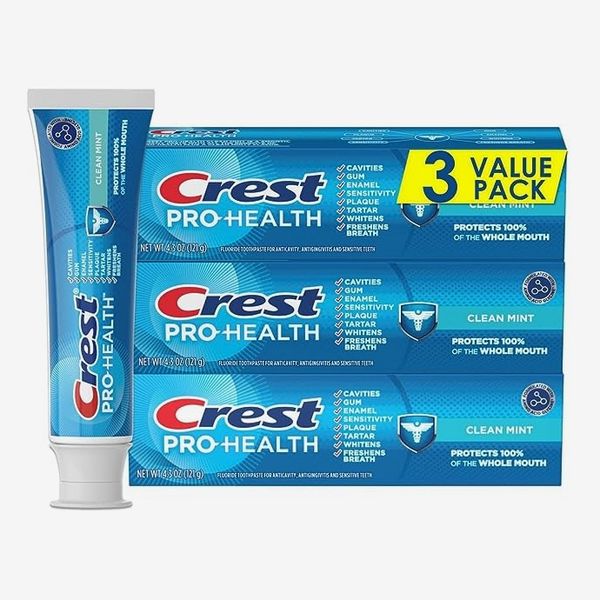
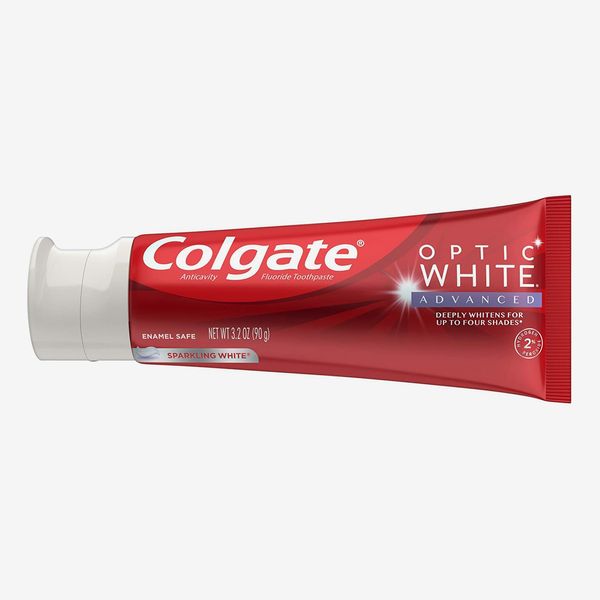
Colgate’s red-and-white packaging and Crest’s blue-and-white schemes are more than just color choices; they are visual shorthand for clinical reliability. Colgate, often cited as the most chosen brand in the world, relies on its massive global footprint and heritage. By positioning itself as the “universal” toothpaste, it captures the middle-of-the-road consumer who seeks a reliable, no-frills product.
Crest, on the other hand, revolutionized the market in the 1950s by being the first to secure the American Dental Association (ADA) Seal of Acceptance for its fluoride formulation. This move was a masterclass in “authority-based branding.” By aligning the brand with the medical establishment, Crest moved the conversation from cosmetic cleaning to clinical prevention.
The Innovation Arms Race
To maintain their “best” status, these giants engage in constant product line extensions. We see “Total,” “Optic White,” “Pro-Health,” and “3D White.” This strategy, known as brand stretching, allows the parent brand to capture diverse market segments—from the vanity-driven teenager to the health-conscious senior—without losing the core brand’s perceived authority.
The Power of Niche Positioning: Owning the “Pain Point”
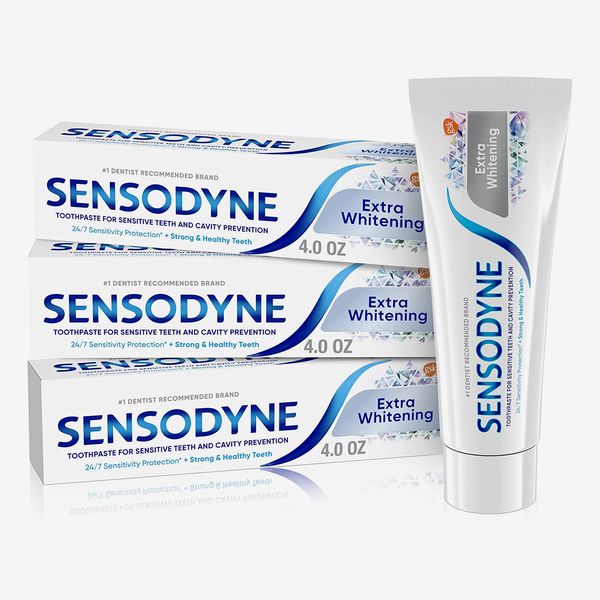
While Colgate and Crest fight for the mass market, other brands have found success by owning a specific functional niche. The most prominent example of this is Sensodyne, owned by Haleon (formerly GSK).
Sensodyne and the Problem-Solution Framework
Sensodyne does not try to be everything to everyone. Instead, it owns a single, highly emotional category: sensitivity. Its brand strategy is a textbook example of “narrow-cast marketing.” By focusing exclusively on the relief of dental pain, Sensodyne justifies a premium price point that mass-market brands cannot easily command.
The brand’s visual language—often featuring doctors in white coats and scientific diagrams of tooth enamel—reinforces the message that this is a “specialist” tool rather than a commodity. When a consumer asks what the best toothpaste is for sensitive teeth, the brand name Sensodyne has become so synonymous with the solution that it functions almost as a genericized trademark in the minds of many.
Arm & Hammer: Leveraging Ingredient Equity
Another fascinating case study in niche positioning is Arm & Hammer. Instead of building a brand from scratch, they leveraged the existing brand equity of baking soda. For over a century, consumers associated the “hammer and sickle” logo with cleaning power and deodorization in the kitchen. By translating that “pure and natural cleaning” association to the bathroom, Arm & Hammer carved out a loyal following of consumers who distrust “excessive chemicals” and prefer the gritty, mechanical cleaning power of bicarbonate of soda.
The Premiumization of the Mundane: Luxury and Aesthetic Oral Care
In recent years, a new segment has emerged that challenges the traditional clinical approach to toothpaste. This is the “lifestyle” or “luxury” segment, where the “best” toothpaste is defined by its aesthetic value and sensory experience rather than its fluoride parts-per-million.
Marvis and the Fashion-Forward Paste
The Italian brand Marvis transformed toothpaste from a drug-store staple into a vanity-top accessory. With its ornate, apothecary-style packaging and unconventional flavors like “Amarelli Licorice” and “Jasmin Mint,” Marvis targets the “High-End Minimalist” consumer.
Marvis’s strategy is a pivot away from the clinical. They do not focus on cavity protection or gum health in their primary marketing; instead, they focus on the “ritual” of brushing. By positioning toothpaste as a luxury gift or a design object, they have successfully decoupled the product from the utilitarian world of oral hygiene and moved it into the world of “Self-Care” and “Wellness.”
Aesop and Buly 1803: The Apothecary Revival
Brands like Aesop and Buly 1803 have followed suit, offering pastes that prioritize essential oils and historical prestige. These brands understand that for a certain demographic, the “best” product is the one that reflects their personal brand—one of sophistication, discernment, and a rejection of mass-market commercialism. This is “Identity Branding” at its most effective; the consumer is not just buying toothpaste; they are buying a piece of a curated lifestyle.
The “Natural” Revolution and the Search for Authenticity
As consumer skepticism toward synthetic ingredients grows, the “natural” segment of the toothpaste market has moved from the fringes of health food stores to the mainstream. Brands like Tom’s of Maine and Hello have pioneered this shift.
Tom’s of Maine: The Pioneer of Transparency
Tom’s of Maine built its brand on the concept of “The Long Good.” By focusing on sustainable sourcing, no artificial flavors, and cruelty-free testing, they tapped into the “Ethical Consumer” segment. Their strategy is rooted in transparency. They were among the first to list every ingredient on the back of the box along with its purpose and source. This built a level of “Radical Trust” that traditional brands struggled to replicate.
Hello: Friendly, Millennial-Centric Branding
A newer entrant, Hello, disrupted the category by changing the tone of the conversation. Where traditional brands were clinical and serious, Hello was “friendly.” With soft-touch packaging, bright colors, and a voice that emphasized “happiness” over “hygiene,” they successfully appealed to a younger demographic that felt alienated by the sterile marketing of legacy brands. Hello was eventually acquired by Colgate-Palmolive, proving that even the giants recognize the value of this “Human-Centric” brand strategy.
Future-Proofing the Brand: Sustainability and D2C Models
The next frontier in determining the “best” toothpaste is environmental impact. The traditional plastic toothpaste tube is a recycling nightmare, leading to a new wave of brand disruption.
The Rise of the Toothpaste Tablet
Startups like Bite and Wild have challenged the very form factor of the product. By removing water and plastic packaging, these brands have positioned themselves as the “Ethical Choice” for the climate-conscious generation. Their brand strategy is built on “Disruptive Sustainability.” They use a Direct-to-Consumer (D2C) model to build a community of advocates who view their subscription as a badge of environmental honor.
Professional Endorsements in the Digital Age
The “9 out of 10 dentists” trope is being replaced by influencer marketing and social proof. Modern brands are partnering with “Dental Influencers” on TikTok and Instagram to reach consumers where they live. The “best” toothpaste is now often the one that has the most viral “before and after” whitening transformation or the most aesthetically pleasing “unboxing” experience.
Conclusion: The Subjectivity of “The Best”
Ultimately, the best toothpaste to use is a product of the consumer’s own values and the brand’s ability to mirror them. For the pragmatist, it is the fluoride-heavy, ADA-approved reliability of Crest. For the sufferer, it is the clinical relief of Sensodyne. For the aesthete, it is the countertop-worthy design of Marvis. And for the activist, it is the plastic-free innovation of Bite.
In the world of brand strategy, the winner is not necessarily the one with the best chemical formula, but the one that best understands the human desire for health, beauty, and status. Toothpaste is no longer just a cleaning agent; it is a vital touchpoint in the daily construction of our personal identities. When we choose a tube, we are choosing which brand story we want to tell ourselves every morning and every night.
aViewFromTheCave is a participant in the Amazon Services LLC Associates Program, an affiliate advertising program designed to provide a means for sites to earn advertising fees by advertising and linking to Amazon.com. Amazon, the Amazon logo, AmazonSupply, and the AmazonSupply logo are trademarks of Amazon.com, Inc. or its affiliates. As an Amazon Associate we earn affiliate commissions from qualifying purchases.