
In the rapidly evolving landscape of home electronics, few industries have seen as much specialized technological advancement as the floor care sector. Shark (a brand under the SharkNinja umbrella) has positioned itself at the forefront of this revolution, challenging legacy brands by prioritizing high-tech features, modular engineering, and advanced sensor integration. Choosing the “best” Shark vacuum is no longer just about suction power; it is about selecting a sophisticated piece of hardware that utilizes proprietary algorithms and mechanical engineering to optimize indoor air quality and surface hygiene.
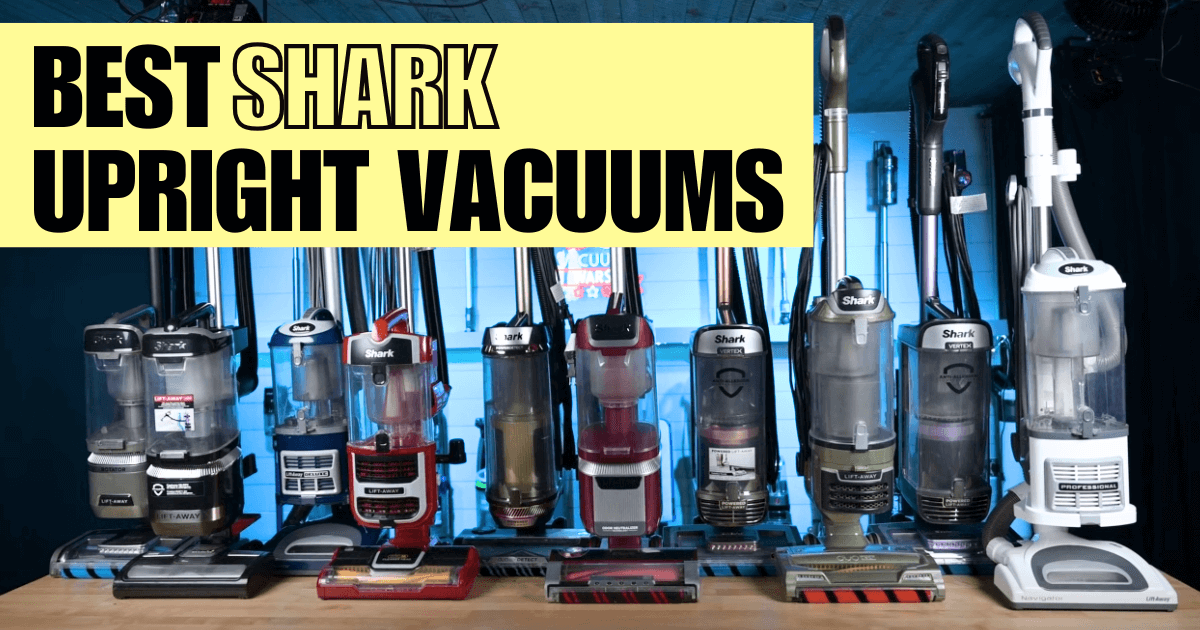
As we examine the current lineup of Shark vacuums, we must look at them through the lens of modern gadgetry—evaluating battery management systems, brush roll physics, and artificial intelligence integration. This guide breaks down the top-tier options in the Shark ecosystem to help you determine which technological configuration best suits your environment.
The Engineering Behind the Suction: Shark’s Proprietary Tech
To understand why Shark vacuums consistently top the charts in gadget reviews, one must first understand the core technologies that differentiate them from standard vacuum cleaners. Shark does not rely on a “one-size-fits-all” motor; instead, they utilize a suite of patented features designed to solve specific mechanical problems inherent in floor maintenance.
DuoClean and PowerFins HairPro
Traditional vacuums often struggle with the transition between hard floors and high-pile carpets. Shark’s DuoClean technology utilizes a dual-brush roll system. Instead of a single plastic agitator, these machines feature a soft front roller to grab large debris and “polish” hard floors, paired with a secondary finned roller to dig deep into carpet fibers. The newer PowerFins HairPro takes this further by using flexible silicone fins that maintain continuous contact with the floor, preventing the “snowplowing” effect common in less advanced gadgets.
Anti-Allergen Complete Seal Technology
From a technical standpoint, a vacuum is only as good as its exhaust. Shark’s Anti-Allergen Complete Seal is a sophisticated filtration architecture that ensures 99.9% of dust and allergens are trapped within the machine. Unlike many competitors that leak microscopic particles through the housing, Shark integrates HEPA (High-Efficiency Particulate Air) filters with airtight gaskets. For tech enthusiasts who value air quality data and environmental control, this engineering choice is a critical benchmark.
Odor Neutralizer Technology
One of Shark’s more recent innovations is the integration of a scent-neutralizing cartridge within the airflow path. As air is processed through the motor and filtration system, it passes through a specialized medium that interacts with odorous molecules. This represents a shift from purely mechanical cleaning to a more holistic approach to home maintenance technology.
High-Performance Uprights: The Powerhouses of the Lineup
For those who prioritize raw power and long-term durability, Shark’s corded uprights remain the gold standard. These machines are the “workstations” of the vacuum world—built for heavy-duty tasks where battery life would be a bottleneck.
The Shark Stratos Upright (AZ3002)
The Stratos represents the current pinnacle of Shark’s upright engineering. It features Clean Sense IQ, an infrared sensor technology that detects the amount of dirt passing through the nozzle. When the sensor identifies a high concentration of debris, the vacuum automatically boosts motor speed and suction power, displaying the status via an integrated LED dashboard. This feedback loop is a prime example of how “smart” technology is migrating from mobile devices into home appliances.
The Shark Vertex (AZ2002)
Before the Stratos, the Vertex was the flagship, and it remains a formidable tech choice. It utilizes Hypervelocity suction technology, which focuses on a streamlined air path to minimize turbulence and maximize the kinetic energy of the airflow. In technical testing, the Vertex often outperforms machines with significantly higher wattage, proving that efficiency in air-path design is more important than raw power consumption.
Powered Lift-Away Functionality
A hallmark of Shark’s high-end uprights is the Powered Lift-Away feature. This allows the user to detach the canister from the floor nozzle without losing power to the brush roll. From a mechanical engineering perspective, this requires complex internal wiring and robust connectors that can withstand thousands of cycles of detachment. It effectively turns an upright vacuum into a high-powered handheld or canister vac, offering versatility that few other gadgets in the category can match.
The Rise of Cordless Innovation: Freedom and Battery Management
As battery technology improves, Shark has pushed the boundaries of what is possible with cordless stick vacuums. The challenge in this category is balancing the energy density of lithium-ion cells with the high current draw required by high-RPM vacuum motors.
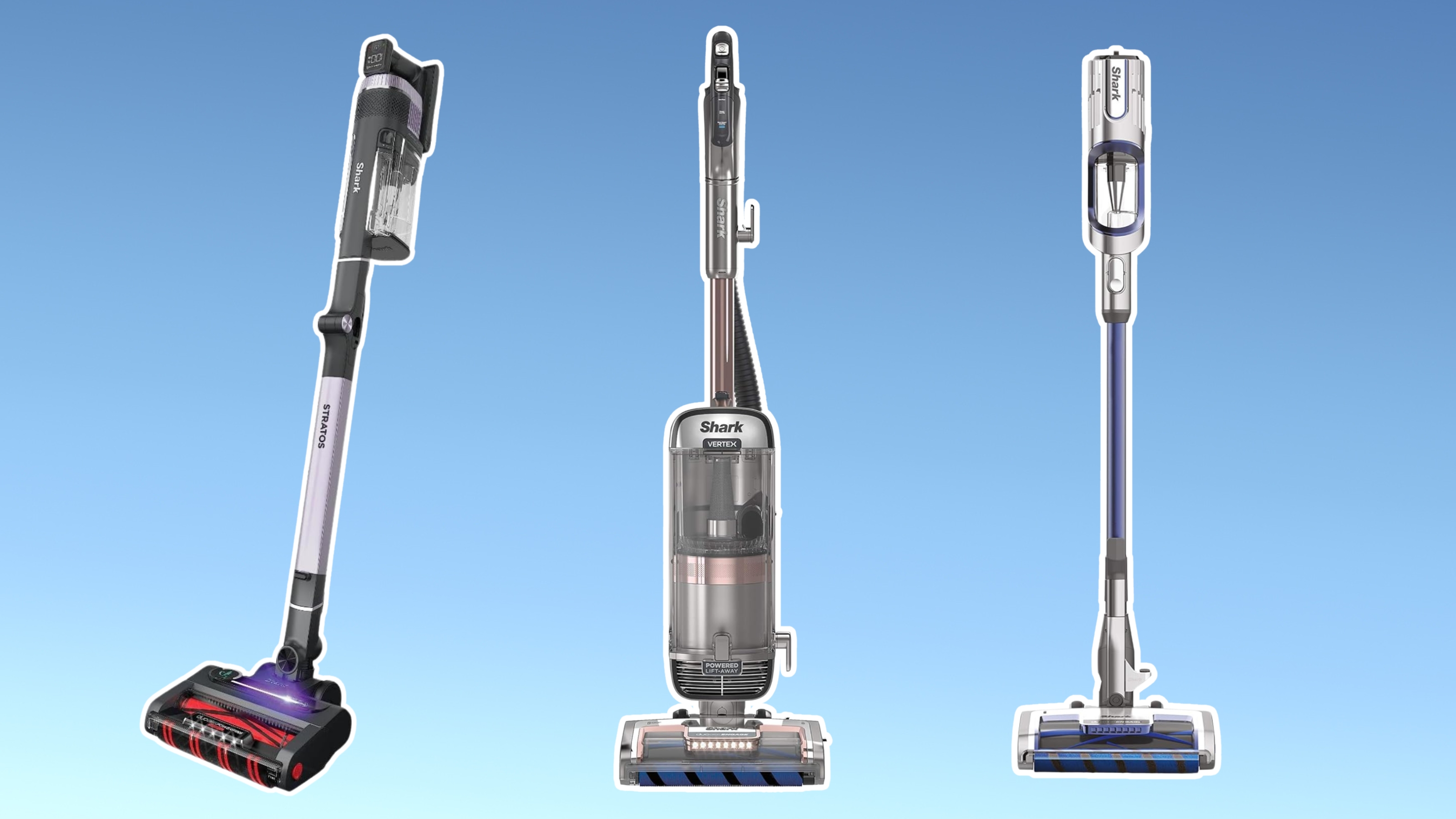
Shark Cordless Stratos with Clean Sense IQ
The cordless version of the Stratos brings the same intelligent sensor suite to a portable form factor. One of the most impressive technical feats here is the MultiFLEX wand. This hinge-based design allows the vacuum to bend in the middle, enabling it to reach under furniture while the user remains upright. It’s a clever bit of mechanical ergonomics that solves a common pain point without compromising the integrity of the air path or electrical connections.
Battery Tech and Runtime Optimization
Shark’s cordless units often feature removable battery packs. This is a significant advantage for users who live in larger homes. The power management chips within these batteries are programmed to provide “fade-free” suction, ensuring that the motor performs at 100% capacity until the battery is nearly depleted, rather than tapering off as the voltage drops. This requires sophisticated voltage regulation circuitry to protect the cells from overheating during deep-discharge cycles.
Autonomous Cleaning: Shark AI and Matrix Robotics
The most “tech-forward” category in Shark’s portfolio is their robotic vacuum line. These devices move beyond simple suction and enter the realms of computer vision, LIDAR (Light Detection and Ranging), and algorithmic mapping.
Shark Matrix Plus (UR2350AER)
The Shark Matrix Plus utilizes a unique cleaning pattern that deviates from the standard “back and forth” lines. The Matrix technology allows the robot to clean in a grid pattern, passing over every square inch of the floor twice from different angles. This is managed by an onboard processor that calculates the most efficient pathing based on a map generated during the initial “Explore Run.”
LIDAR Navigation and Object Avoidance
Unlike cheaper robots that rely on “bump and turn” mechanics, Shark’s AI models utilize LIDAR on top of the unit. This laser-based system scans the room 360 degrees, allowing the robot to create a precise map of the home, even in total darkness. Advanced versions also include front-facing cameras and AI-trained models to identify and avoid common obstacles like power cords, pet waste, and shoes.
Self-Emptying Bases and HEPA Docking
The convenience of a robot is often negated if the user has to empty it daily. Shark’s Self-Empty Bases utilize a secondary vacuum motor within the dock to pull debris out of the robot and into a large, sealed bin. Some of these bases are “bagless,” featuring a cyclonic chamber that maintains suction—a design choice that appeals to users looking for a low-waste, high-tech solution.
Maintaining Your Tech: Longevity and Optimization
Buying a high-end Shark vacuum is an investment in technology, and like any advanced gadget, it requires proper maintenance to function at peak efficiency. Neglecting the technical health of the machine can lead to motor strain and reduced performance.
Sensor Calibration and Filter Hygiene
The Clean Sense IQ sensors are optical components. Over time, dust can coat these sensors, leading to inaccurate readings. Periodically wiping the internal sensor windows ensures the AI continues to respond correctly to dirt levels. Similarly, Shark’s HEPA filters are usually “washable,” but for maximum tech performance, they should be replaced annually. A clogged filter increases the “backpressure” on the motor, which can lead to thermal throttling—a safety feature where the vacuum slows down to prevent heat damage.
Software and App Connectivity
For the robotic line, staying updated with the latest firmware is crucial. Shark frequently pushes over-the-air (OTA) updates to their SharkClean app. These updates can improve mapping accuracy, battery efficiency, and even add new features like “no-go zones” or specific room scheduling. For the modern tech consumer, the software experience is just as important as the hardware performance.

Final Verdict: Which Tech Configuration Wins?
Deciding on the “best” Shark vacuum ultimately depends on which technological trade-offs you are willing to make.
- For the Power User: The Shark Stratos Upright is the definitive choice. Its combination of Clean Sense IQ, Odor Neutralization, and the most powerful motor in the lineup makes it the flagship “desktop” of vacuums.
- For the Mobile User: The Shark Cordless Stratos offers the best balance of portability and intelligent features, ideal for multi-level homes or those who value quick deployment.
- For the Automation Enthusiast: The Shark Matrix Plus Robot represents the future of home maintenance, leveraging LIDAR and grid-mapping algorithms to handle the floor care without human intervention.
Shark has successfully transitioned from a traditional appliance manufacturer to a consumer tech powerhouse. By focusing on sensor integration, advanced materials like PowerFins, and smart software, they provide a cleaning ecosystem that is as much about data and efficiency as it is about picking up dust. For the modern homeowner, these machines aren’t just vacuums—they are essential components of a high-functioning, tech-integrated home.
aViewFromTheCave is a participant in the Amazon Services LLC Associates Program, an affiliate advertising program designed to provide a means for sites to earn advertising fees by advertising and linking to Amazon.com. Amazon, the Amazon logo, AmazonSupply, and the AmazonSupply logo are trademarks of Amazon.com, Inc. or its affiliates. As an Amazon Associate we earn affiliate commissions from qualifying purchases.