
In the world of branding, we are often obsessed with answers. We seek the right logo, the perfect color palette, the most viral marketing campaign, and the ultimate conversion rate. However, the most successful brands—those that move beyond being mere commodities to becoming cultural icons—understand that the power of a brand is not found in the answers it provides, but in the questions it asks.
When a company reaches a plateau or a startup struggles to find its footing, the leadership often asks, “How can we sell more?” But this is rarely the right question. The “best” question to ask is one that pierces through the superficial layers of commerce and strikes at the heart of identity and value. In the realm of brand strategy, that question is: “If we disappeared tomorrow, what would our customers actually miss?”
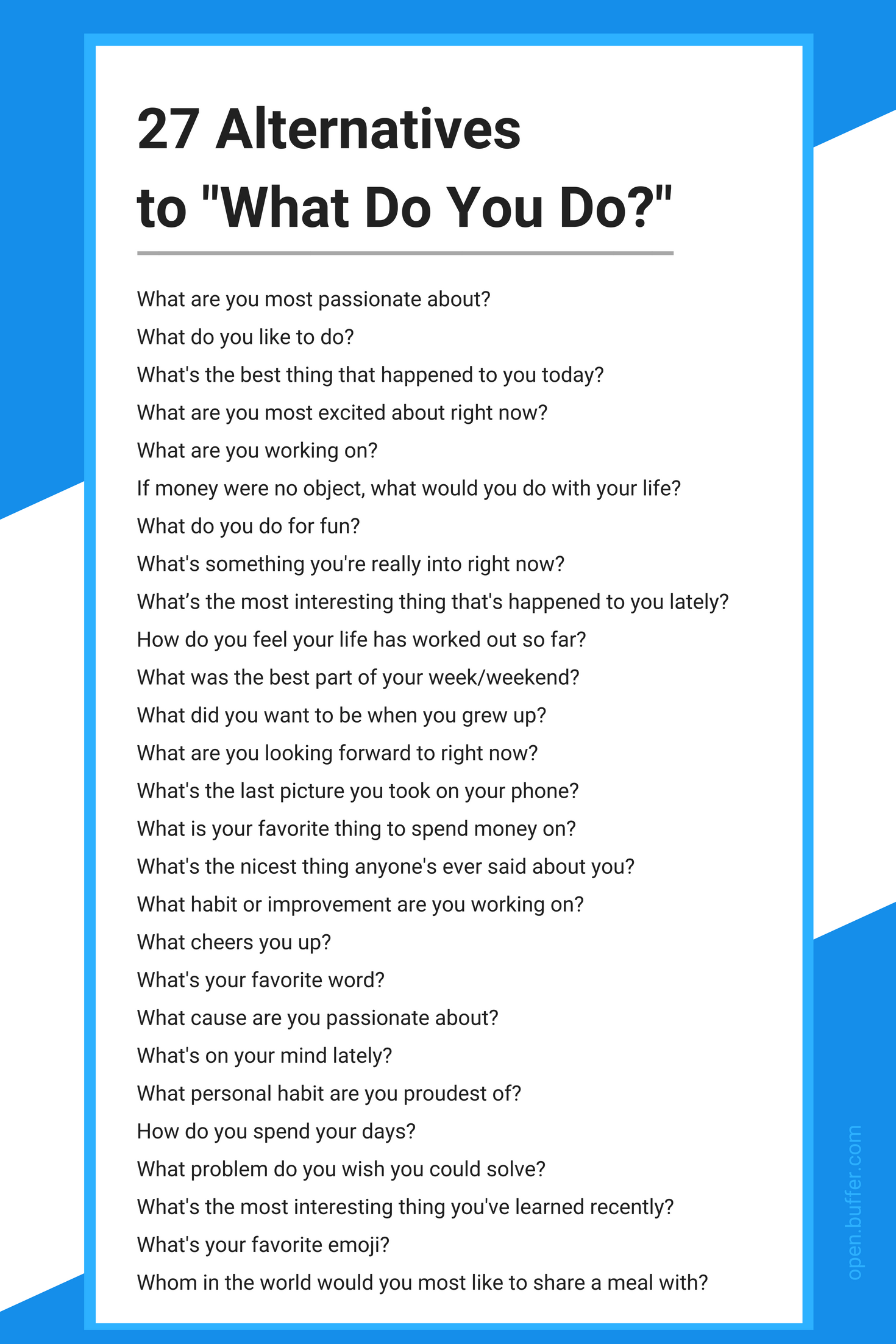
This single inquiry shifts the focus from transactional metrics to relational significance. To answer it, a brand must navigate through the complexities of purpose, audience empathy, and market differentiation.
The Power of the “Why”: Uncovering the Core Purpose
The foundation of any robust brand strategy begins with internal interrogation. Most companies can articulate what they do and how they do it, but very few can clearly communicate why they do it. This concept, famously popularized by Simon Sinek, suggests that people don’t buy what you do; they buy why you do it.
Moving Beyond What You Sell
If you are a coffee brand, the “what” is the bean and the brew. The “how” might be organic sourcing or a specific roasting technique. However, the “why”—the best question to ask yourself—is “What is the belief system driving this business?” If your brand exists only to generate profit, you are a commodity. If your brand exists to “fuel the morning ambitions of the creative class,” you have a purpose.
When a brand identifies its core purpose, it creates a North Star for every decision. Whether it is a design choice on a website or a high-level corporate partnership, the “Why” acts as a filter. If an action doesn’t align with the purpose, it is discarded. This creates a level of brand consistency that consumers subconsciously recognize as “authenticity.”
The Golden Circle: Simon Sinek’s Influence on Brand Strategy
To find the best question, one must look at the Golden Circle. Start from the inside out. Instead of asking “How do we beat the competition?”, the brand should ask “How do we fulfill our original promise more effectively?” This shift in perspective transforms the brand from a reactive entity into a proactive leader. Brands like Patagonia or Apple do not look at their competitors to decide their next move; they look at their own core values and ask if their next product is a true reflection of those values.
Audience-Centric Inquiry: Asking What the Customer Truly Needs
A brand does not exist in a vacuum; it exists in the minds of its audience. Therefore, the best question to ask regarding marketing and design is not “Who is our target demographic?” but rather “What is the emotional transformation our customer is seeking?”
Demographics tell you that your customer is a 35-year-old male living in an urban area. Psychographics and deep inquiry tell you that he feels overwhelmed by choice and is looking for a brand that offers simplicity and peace of mind.
Identifying the Core Pain Point
Strategic branding requires an almost clinical level of empathy. You must ask, “What keeps our customer up at night?” Many brands make the mistake of positioning themselves as the hero of the story. In reality, the customer is the hero, and the brand is the guide.
The best question a brand can ask to improve its messaging is: “What is the specific ‘villain’ in our customer’s life that we are helping them defeat?” The villain might be inefficiency, it might be social exclusion, or it might be a lack of confidence. Once you identify the villain, your brand’s value proposition becomes a weapon in the customer’s hands.
The Emotional Resonance Question
Logic leads to conclusions, but emotion leads to action. When designing a corporate identity or a marketing campaign, the creative team must ask: “How do we want the customer to feel the moment they interact with us?”
Brand strategy is the art of managing perceptions. If the goal is to evoke trust, every touchpoint—from the thickness of the business card paper to the loading speed of the mobile app—must be interrogated. Does this element contribute to the feeling of trust, or does it detract from it? By asking this question repeatedly, a brand ensures that its visual and verbal identity is not just “pretty,” but purposeful.

Competitive Differentiation: Asking “What Only We Can Do?”
In a saturated market, “better” is a dangerous trap. There will always be someone who can offer a lower price, a faster delivery, or a shinier feature set. To build a brand that lasts, the best question to ask is: “What is our radical differentiator—the one thing we can do that no one else can?”
This is the essence of positioning. It is the process of carving out a unique space in the consumer’s mind where you have no direct competition.
Shifting from “Better” to “Different”
When a brand asks, “How can we be better than X?”, they are allowing “X” to set the rules of the game. When a brand asks, “How can we be different?”, they are creating a new game entirely. This is often referred to as a “Blue Ocean Strategy.”
To find this difference, a brand should perform a VRIO analysis (Value, Rarity, Imitability, Organization). The best question here is: “Do we have a resource or a cultural perspective that is nearly impossible for a competitor to copy?” Often, this isn’t a physical product but a brand story or a specific way of treating people. For example, Zappos didn’t invent selling shoes; they invented a culture of “delivering happiness” through customer service that was fundamentally different from the industry standard.
The Category of One
The ultimate goal of brand strategy is to become a “Category of One.” This happens when the brand asks: “If we were the only company in this industry, how would we change the world?” This level of visionary questioning allows a brand to transcend its product category.
Consider how Disney is not just a “film studio” but an “imagineering” empire. They didn’t ask “How do we make more movies?”; they asked “How do we bring magic to life across every possible medium?” By asking the larger question, they expanded their brand equity far beyond the reach of their original competitors.
The Internal Reflection: Aligning Culture with Brand Promise
A brand is a promise made; a culture is a promise kept. The best question for a corporate identity is not “What do we say to the public?” but “Do our internal behaviors match our external claims?”
Nothing destroys brand equity faster than a disconnect between marketing and reality. If a brand claims to be “innovative” but has a rigid, hierarchical internal culture that punishes failure, the brand is a lie. Eventually, the marketplace will sense the inauthenticity.
Asking the Team: What Do We Stand For?
Brand strategy must be inclusive of the people who represent the brand daily. Leadership should ask their employees: “What is the unwritten rule of how we work here?” The answer to this question reveals the true brand identity.
If the employees’ answers align with the marketing department’s slogans, the brand is healthy. If there is a gap, the brand strategy must address internal culture before it spends a single dollar on external advertising. A brand is built from the inside out; the employees are the primary brand ambassadors.
Ensuring Consistency Across Touchpoints
The final strategic question is one of consistency: “Is our brand voice the same in a crisis as it is in a celebration?”
Consistency builds trust. A brand that changes its tone or its values based on the latest trend is seen as opportunistic and unreliable. By constantly asking “Is this on-brand?”, a company ensures that every interaction reinforces the same identity. Whether it’s a social media post, a legal contract, or a customer service call, the brand should be recognizable without the logo present. This “sensory branding” is the result of asking the right questions about identity at every level of the organization.

Conclusion
“What’s the best question to ask?” is not just a prompt for a single meeting; it is a philosophy for long-term brand survival. In a digital landscape where attention is the most valuable currency, the brands that win are not the loudest, but the most coherent.
By asking about their “Why,” their Audience’s Transformation, their Radical Differentiation, and their Internal Integrity, companies can move beyond the noise of the market. The best questions don’t just lead to better marketing—they lead to a better business. Ultimately, a brand is not what you tell people it is; it is the answer to the questions they are asking about value, trust, and belonging.
aViewFromTheCave is a participant in the Amazon Services LLC Associates Program, an affiliate advertising program designed to provide a means for sites to earn advertising fees by advertising and linking to Amazon.com. Amazon, the Amazon logo, AmazonSupply, and the AmazonSupply logo are trademarks of Amazon.com, Inc. or its affiliates. As an Amazon Associate we earn affiliate commissions from qualifying purchases.