
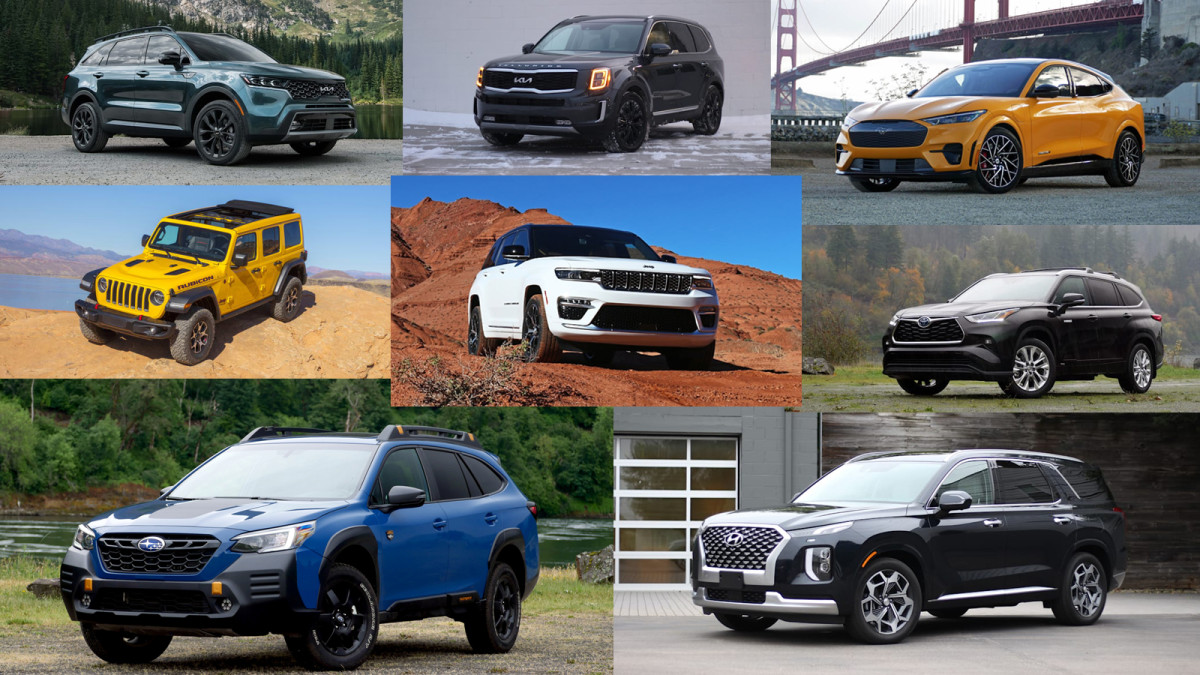
In the competitive landscape of the automotive market, the midsize SUV segment stands out as a sweet spot for many consumers, blending practicality, space, and a commanding driving position. But beyond the aesthetics and features, the question of “what’s the best midsize SUV” is fundamentally a financial one. For the financially savvy buyer, “best” isn’t merely about horsepower or infotainment; it’s about value, long-term costs, and how the vehicle integrates into one’s overall financial health. This article will guide you through the monetary considerations critical to making an informed decision, ensuring your next midsize SUV is not just a joy to drive, but also a sound financial investment.
Understanding Your Budget: More Than Just the Sticker Price
The most common mistake buyers make is equating a vehicle’s “best” status solely with its upfront purchase price. While the MSRP (Manufacturer’s Suggested Retail Price) is a significant factor, it’s merely the entry point to a much larger financial commitment. A truly astute buyer understands that the initial budget must encompass a broader range of costs, both apparent and hidden.
Initial Purchase Cost & Financing
The sticker price is where the journey begins, but very few buyers pay cash outright. Most will finance their purchase, making the loan terms — interest rate, loan duration, and monthly payment — paramount. A lower monthly payment might seem attractive, but stretching a loan over 72 or even 84 months often means paying significantly more in interest over the vehicle’s lifespan, diminishing its overall financial value. Furthermore, securing a favorable interest rate requires a strong credit score, so understanding your creditworthiness and taking steps to improve it before shopping can save thousands. Don’t just compare monthly payments; compare the total cost of the vehicle, including all interest paid.
Hidden Costs: Taxes, Fees, and Dealer Markups
Beyond the MSRP, numerous additional costs can inflate the final price. Sales tax, title fees, registration fees, and license plates are standard government-mandated charges that vary by state. Dealers, however, often add their own set of charges, some legitimate, others negotiable. These can include documentation fees, destination charges (sometimes already included in MSRP but worth verifying), preparation fees, and optional add-ons like extended warranties or paint protection. While some are unavoidable, it’s crucial to scrutinize each line item. Aggressively negotiate or refuse unnecessary add-ons, and be aware of “market adjustments” or inflated prices, especially in high-demand periods, as these erode the financial value of your purchase from the outset. Understanding these often-overlooked expenses is key to setting a realistic budget and avoiding unpleasant surprises at signing.
The True Cost of Ownership (TCO) Over Time
The real financial impact of an SUV unfolds over its entire lifespan, not just at the point of purchase. The Total Cost of Ownership (TCO) is a comprehensive metric that includes depreciation, fuel costs, insurance, maintenance, and repairs. Analyzing TCO is where the “best” midsize SUV truly distinguishes itself as a wise financial decision.
Fuel Efficiency: A Long-Term Financial Impact
With fluctuating fuel prices, an SUV’s fuel economy can significantly impact your wallet over years of ownership. A few miles per gallon difference might seem minor on paper, but when compounded over tens of thousands of miles annually, it can amount to hundreds or even thousands of dollars in savings or extra expenditure. Hybrid and plug-in hybrid midsize SUVs are gaining popularity precisely because they offer a substantial reduction in fuel costs, often offsetting their higher initial price over time. When evaluating options, look beyond the combined MPG figure and consider your driving habits (city vs. highway) to understand realistic fuel consumption. Tools that project fuel costs over five years can be incredibly insightful.
Insurance Premiums: Protecting Your Investment
Insurance is a mandatory, ongoing cost that varies significantly between models. Factors influencing premiums include the vehicle’s MSRP, safety ratings, repair costs, theft rates, and even the engine size. More expensive, high-performance, or frequently stolen models will command higher premiums. Before finalizing a purchase, get insurance quotes for your top contenders. A seemingly cheaper SUV might end up costing more annually in insurance, eroding its financial advantage. Investing in models with advanced safety features can sometimes lead to discounts, further sweetening the deal.
Maintenance and Repair Expenses
All vehicles require routine maintenance – oil changes, tire rotations, brake pads, etc. However, the cost and frequency of these services, as well as the likelihood and expense of unexpected repairs, vary widely. Brands known for reliability often have lower maintenance and repair costs. Researching Consumer Reports, J.D. Power, and similar reliability studies can provide invaluable insight into a model’s typical upkeep expenses. Parts availability and labor costs for specific brands can also play a role; luxury brands, for instance, often have more expensive parts and specialized labor. A “best” midsize SUV from a financial standpoint is one that spends less time in the shop and costs less to keep running smoothly.
Depreciation and Resale Value: Protecting Your Asset
Depreciation is arguably the largest, yet most overlooked, cost of vehicle ownership. It’s the difference between what you pay for a car and what you can sell it for later. Some vehicles hold their value remarkably well, while others plummet in value as soon as they drive off the lot. A midsize SUV with strong resale value effectively reduces its TCO, as you recover more of your initial investment when it’s time to sell or trade it in. Factors influencing resale value include brand reputation, reliability, popularity of the model, market demand, and even the color and trim level. Prioritize models known for strong residual values, as documented by organizations like Kelley Blue Book (KBB) or Edmunds. This foresight can literally save you thousands when you eventually upgrade.
Smart Buying Strategies for Maximum Financial Value
Armed with an understanding of TCO, the next step is to employ savvy buying strategies that maximize your financial gain and minimize your outlay.
New vs. Used: The Financial Trade-Off
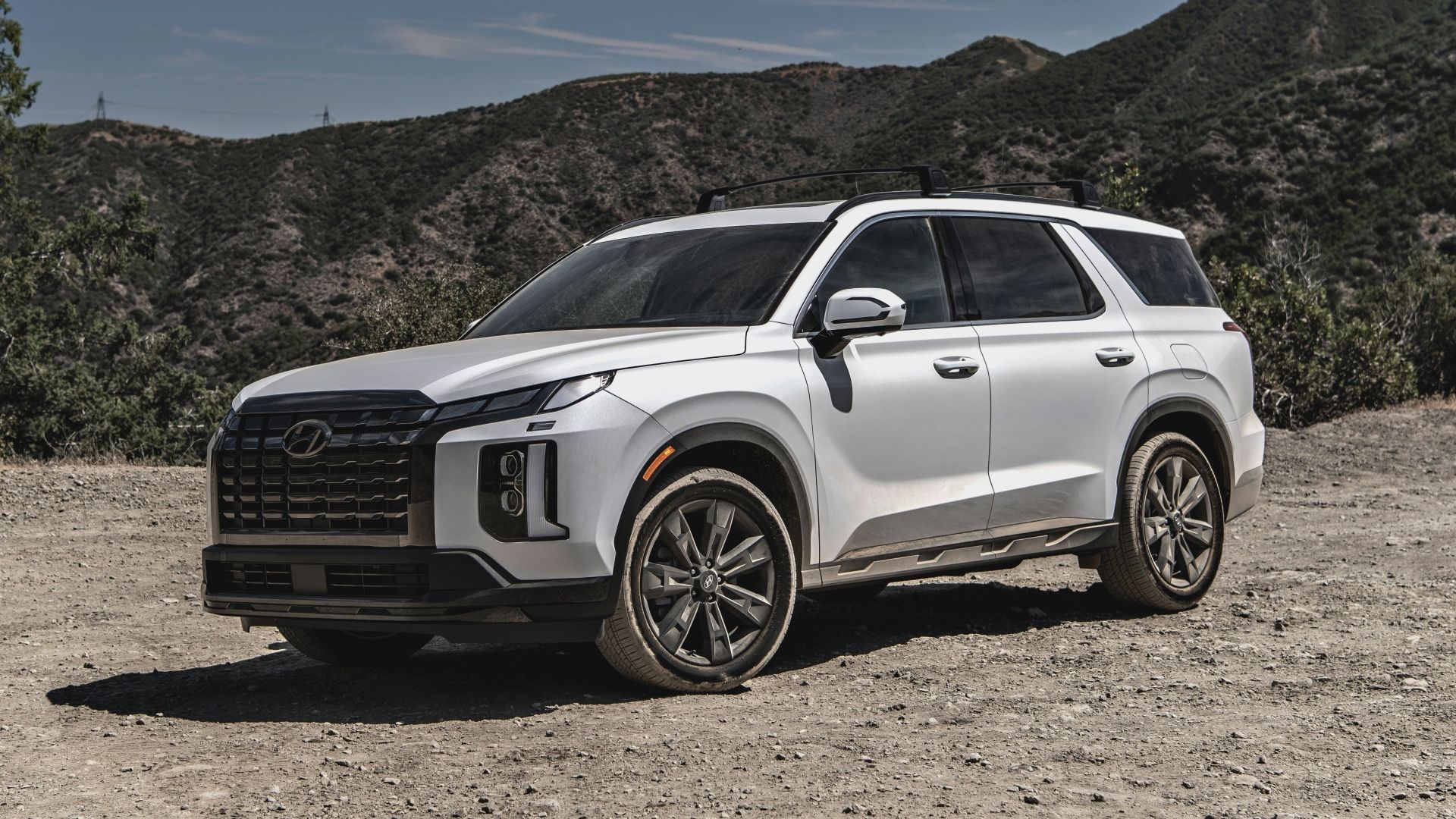
The decision between buying new or used is one of the most significant financial choices. A new midsize SUV offers the latest technology, full warranty coverage, and the satisfaction of being the first owner. However, new vehicles experience their steepest depreciation in the first few years. Buying a lightly used model (1-3 years old) can allow you to avoid this initial depreciation hit, often getting a vehicle that’s nearly new for a significantly lower price. Certified Pre-Owned (CPO) programs offer a middle ground, combining the lower cost of a used vehicle with the peace of mind of an extended warranty and rigorous inspection. Evaluate your budget, desired features, and comfort with potential minor wear and tear to determine which option offers the best financial value for you.
Lease vs. Buy: Which Makes Cents for You?
Leasing an SUV means you’re essentially paying for the vehicle’s depreciation during your lease term, rather than owning it. This typically results in lower monthly payments compared to buying. Leasing can be financially appealing for those who prefer to drive a new car every few years, have predictable mileage needs, and don’t want the hassle of selling. However, lease agreements come with mileage limits, potential penalties for excessive wear, and no equity build-up. Buying, on the other hand, allows you to build equity, customize your vehicle, and eventually own it outright, eliminating monthly payments. The best option depends on your financial goals, driving habits, and how long you typically keep a vehicle. Analyze the total cost over a given period for both options, factoring in potential resale value if buying.
Leveraging Incentives and Discounts
Car manufacturers and dealerships frequently offer incentives to boost sales. These can include cash rebates, low APR (Annual Percentage Rate) financing, or special lease deals. Timing your purchase to coincide with these promotions, particularly at the end of the month, quarter, or year when sales targets are critical, can result in substantial savings. Be sure to understand whether you qualify for specific incentives (e.g., loyalty programs, military discounts, recent graduate offers). Don’t just accept the first offer; research available incentives for the models you’re considering and use this information as leverage in negotiations. Smart buyers never pay sticker price without first exploring every possible discount.
Features That Pay Off: Prioritizing Value-Driven Choices
While heated seats and a panoramic sunroof are nice, some features provide tangible financial benefits beyond creature comforts. Prioritizing these value-driven choices can enhance safety, reduce future costs, and ultimately make your midsize SUV a better financial asset.
Safety Features: Protecting Your Wallet (and Life)
Modern midsize SUVs are packed with advanced safety technologies, from automatic emergency braking and lane-keeping assist to blind-spot monitoring and adaptive cruise control. Beyond the invaluable protection they offer your life and the lives of your passengers, these features can also lead to lower insurance premiums and prevent costly accidents. A minor fender-bender avoided by automatic braking can save thousands in deductibles and repair costs. Look for models that have earned top safety ratings from organizations like the IIHS (Insurance Institute for Highway Safety) and NHTSA (National Highway Traffic Traffic Safety Administration), as these often correlate with both increased safety and long-term financial benefits.
Reliability Ratings: Minimizing Future Costs
A reliable vehicle is a financially sound vehicle. Models with strong reliability ratings from independent sources typically incur fewer unexpected repair costs, require less frequent maintenance, and spend less time in the shop. This translates directly to lower TCO and less financial stress. While initial purchase price might be slightly higher for some ultra-reliable brands, the long-term savings on maintenance and repairs often justify the investment. Conversely, choosing a less reliable model, even if cheaper upfront, can become a financial black hole. Prioritize brands and models consistently lauded for their dependable performance.
Practicality and Versatility: Getting More for Your Money
The “best” midsize SUV financially is one that genuinely meets your needs, preventing the need for an additional vehicle or costly compromises. Consider factors like cargo space, passenger capacity, towing capability, and all-wheel drive if relevant to your lifestyle. An SUV that can comfortably accommodate your family, haul your gear for weekend trips, or handle varied weather conditions without needing a separate vehicle offers superior financial utility. Overpaying for features you won’t use or, conversely, underbuying and needing to upgrade sooner, are both financial missteps. Match the SUV’s capabilities to your realistic requirements for maximum value.
Making Your Final Financial Decision
Choosing the best midsize SUV from a financial perspective is a process of careful research, comparison, and negotiation. It requires patience and a willingness to look beyond the superficial.
Research and Comparison Tools
Leverage the wealth of online resources available. Websites like Edmunds, KBB, Consumer Reports, and J.D. Power offer detailed reviews, TCO calculators, reliability ratings, resale value projections, and user feedback. Utilize comparison tools to put your top choices side-by-side on key financial metrics. Don’t rely solely on one source; cross-reference information to build a comprehensive picture. Understand current market conditions, including inventory levels and demand, as these influence pricing.
Test Drives and Expert Reviews (from a Financial Lens)
While test drives primarily assess driving dynamics and comfort, they also offer a chance to evaluate practical elements that affect long-term costs. Does the interior feel durable? Are controls intuitive, potentially reducing distraction and accident risk? Do you foresee any features becoming obsolete quickly, impacting resale? Read expert reviews not just for performance, but also for insights into common issues, fuel economy in real-world driving, and parts availability. Look for reviewers who explicitly discuss value, maintenance costs, and durability.
Conclusion
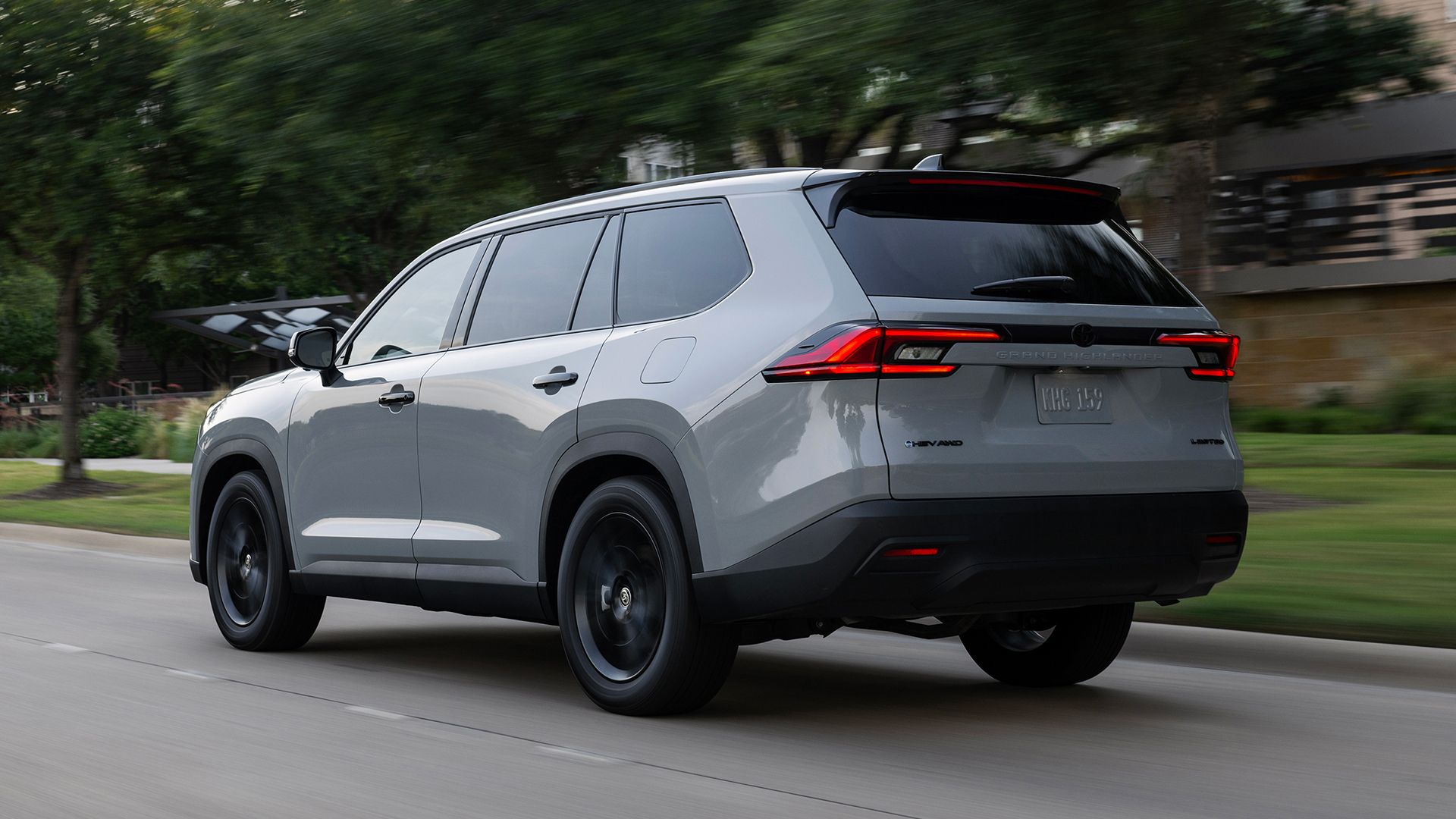
Determining “what’s the best midsize SUV” is a deeply personal decision, but for the financially astute buyer, the answer hinges on a comprehensive evaluation of its economic footprint. It’s about looking beyond the showroom shine and understanding the full spectrum of costs from the moment you consider it, through purchase, and across years of ownership. By meticulously assessing initial costs, total cost of ownership, embracing smart buying strategies, and prioritizing value-driven features, you can select a midsize SUV that not only fulfills your practical needs and driving desires but also stands as a solid, financially prudent investment that serves you well for years to come. Your “best” midsize SUV is the one that brings you peace of mind, both on the road and in your bank account.
aViewFromTheCave is a participant in the Amazon Services LLC Associates Program, an affiliate advertising program designed to provide a means for sites to earn advertising fees by advertising and linking to Amazon.com. Amazon, the Amazon logo, AmazonSupply, and the AmazonSupply logo are trademarks of Amazon.com, Inc. or its affiliates. As an Amazon Associate we earn affiliate commissions from qualifying purchases.