
The morning meal is often touted as the most important of the day, not just for our physical and mental well-being, but also, perhaps surprisingly, for our financial health. In a world brimming with pre-packaged, sugary cereals and expensive café concoctions, understanding what constitutes the “best” breakfast from a financial perspective is crucial for maximizing your budget and investing in your long-term prosperity. This isn’t about deprivation; it’s about making informed choices that provide maximum nutritional value and sustained energy, thereby reducing reliance on costly, less healthy alternatives and potentially mitigating future healthcare expenses.
The True Cost of a “Quick” Breakfast: Unpacking Hidden Expenses
The allure of convenience often masks a significant financial drain. When we opt for grab-and-go breakfasts or impulse purchases from coffee shops, we’re not just paying for the food; we’re paying for perceived time savings, marketing, and often, a premium for convenience that doesn’t translate into superior nutritional value or long-term financial benefit.
The Daily Drain of Convenience Foods
Let’s consider the seemingly innocuous daily purchase of a latte and a pastry. A single latte can easily cost $5-$7, and a pastry might add another $3-$5. Over a week, this amounts to $40-$70. Annually, this simple morning ritual can siphon away $2,000-$3,600 – a substantial sum that could be invested, saved for a down payment, or used to pay down debt. This is money spent on items often high in sugar and refined carbohydrates, offering a brief energy spike followed by a crash, necessitating further purchases of caffeine and sugary snacks throughout the day.
The Hidden Health Costs: A Long-Term Financial Burden
Beyond the immediate expenditure, the long-term financial implications of a consistently poor breakfast choice are even more significant. Diets high in processed sugars and unhealthy fats are linked to a host of chronic health conditions, including obesity, type 2 diabetes, heart disease, and certain cancers. Treating these conditions incurs substantial medical bills, insurance premiums, and lost productivity due to illness. Investing in a nutritious breakfast is, in essence, an investment in your present and future health, potentially saving you thousands, if not tens of thousands, in healthcare costs over your lifetime. The preventative power of a well-balanced meal is a financial asset that cannot be overlooked.
The Opportunity Cost of Poor Planning
Another critical financial aspect is the opportunity cost. When you’re rushing out the door with no breakfast planned, you’re more likely to make impulsive, expensive food choices throughout the day. You might be tempted by fast food lunches, vending machine snacks, or ordering takeout due to hunger pangs that could have been effectively managed with a solid morning meal. This reactive spending pattern perpetuates a cycle of financial inefficiency. A planned breakfast not only fuels your body but also sets a proactive tone for your day, enabling better decision-making across all aspects of your life, including your finances.
Building a Budget-Friendly Breakfast Blueprint: Maximizing Nutritional Value per Dollar
The good news is that achieving a nutritious, energy-sustaining breakfast doesn’t require a significant financial outlay. By focusing on cost-effective, nutrient-dense ingredients, you can create meals that are both kind to your wallet and your body. The key lies in understanding which staples offer the best bang for your buck in terms of both nutrition and satiety.
The Powerhouse of Plant-Based Proteins and Fiber

When considering budget-friendly staples, legumes, whole grains, and certain seeds stand out.
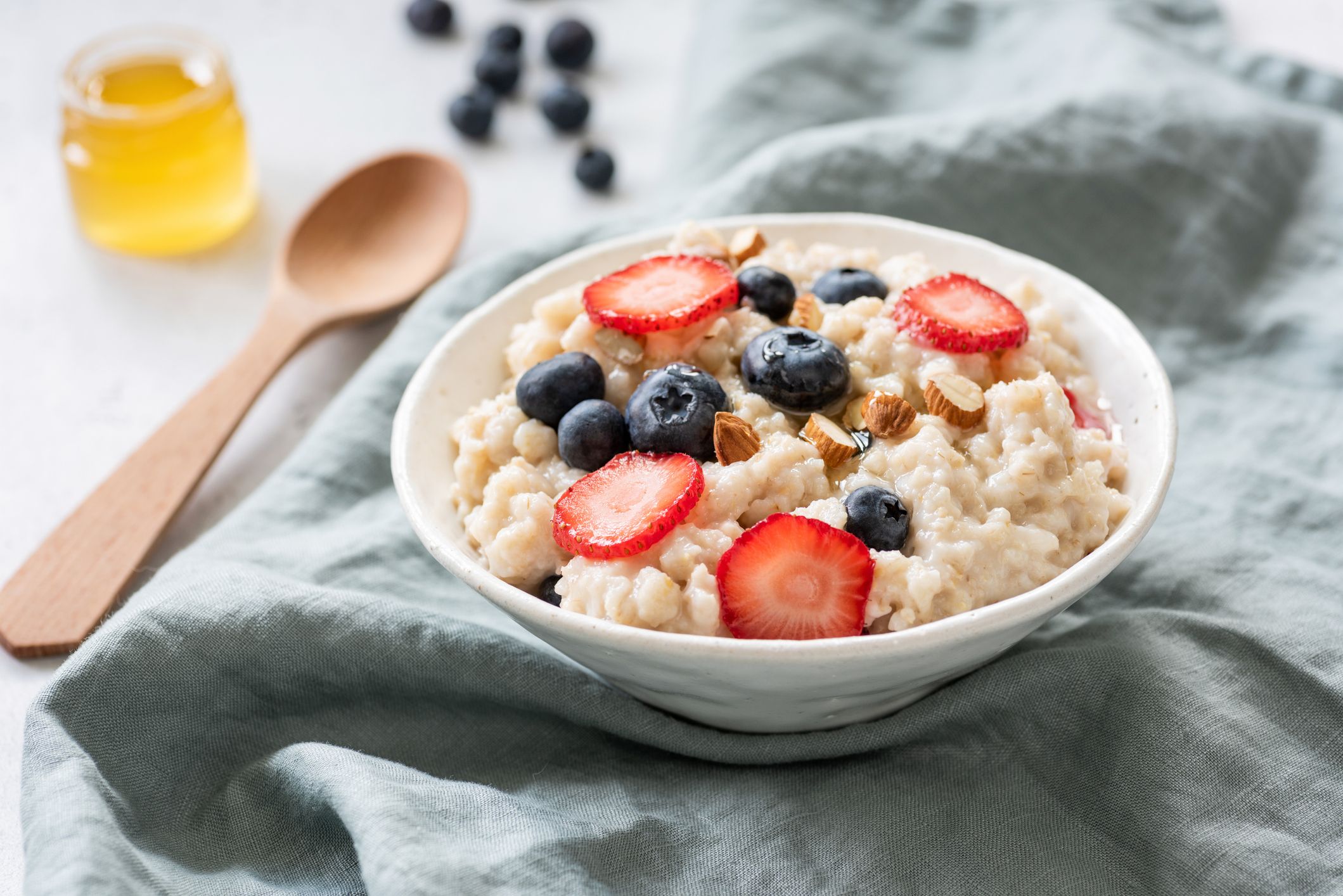
- Oats: Rolled oats or steel-cut oats are incredibly versatile and inexpensive. A large container of plain rolled oats can last for weeks and cost just a few dollars. They are packed with soluble fiber, which helps lower cholesterol, regulate blood sugar, and keep you feeling full for hours. This sustained satiety reduces the urge to snack on more expensive, less healthy options later in the morning.
- Legumes (Beans and Lentils): While often associated with lunch or dinner, beans can be a surprisingly effective and affordable breakfast component. Black beans or refried beans, seasoned with spices, can be a savory breakfast base, rich in protein and fiber. Lentils, too, can be incorporated into savory breakfast bowls or patties. Their protein content is crucial for satiety, and their affordability is unmatched by most other protein sources.
- Eggs: Despite fluctuations in price, eggs remain a highly cost-effective source of complete protein and essential nutrients. A dozen eggs can provide multiple breakfasts, offering sustained energy and aiding in muscle repair. Their versatility allows for quick and easy preparation, fitting into even the busiest morning routines.
- Seeds (Chia, Flax, Sunflower): These small powerhouses are nutritional goldmines and can be purchased in bulk for significant savings. Chia and flax seeds are excellent sources of fiber, omega-3 fatty acids, and protein. A tablespoon or two added to oatmeal, yogurt, or smoothies can significantly boost their nutritional profile and satiety. Sunflower seeds offer healthy fats and protein at a lower cost.
Smart Shopping Strategies for Breakfast Bargains
To maximize savings, strategic shopping is paramount. Understanding bulk buying, seasonal produce, and the art of comparison shopping can dramatically reduce your breakfast budget.
- Bulk Buying Staples: Investing in larger quantities of non-perishable breakfast staples like oats, rice, dried beans, and nuts can lead to substantial savings over time. Look for these items in bulk bins or larger packaging at your local grocery store or warehouse club. Ensure you have adequate storage to maintain freshness.
- Embrace Frozen Fruits and Vegetables: While fresh produce is ideal, frozen fruits and vegetables are often picked at peak ripeness and flash-frozen, preserving most of their nutrients. They are typically more affordable than fresh, especially out of season, and have a much longer shelf life, reducing food waste. Frozen berries, for instance, are a fantastic and economical addition to oatmeal or smoothies.
- Compare Prices and Utilize Store Brands: Don’t be afraid to compare prices across different brands and even different grocery stores. Store brands often offer comparable quality to name brands at a significantly lower price point, especially for pantry staples like oats, eggs, and canned goods.
- Shop the Perimeter: The outer aisles of the grocery store typically house fresh produce, dairy, and proteins, which tend to be more nutrient-dense and less processed than the items found in the inner aisles. While some inner-aisle items like oats and dried beans are excellent budget-friendly choices, focusing your shopping on the perimeter generally leads to healthier and often more cost-effective selections.
Preparing for Success: Meal Prep and Smart Swaps for Maximum Financial Efficiency
The most budget-friendly and nutritious breakfast is the one you actually eat. This often requires a degree of planning and preparation, turning your kitchen into a cost-saving hub rather than a place of morning chaos.
The Financial Power of Meal Prepping
Meal prepping your breakfast is one of the most effective ways to control costs and ensure you’re starting your day with a nutritious, budget-friendly meal. It eliminates the temptation for expensive impulse buys and ensures you have healthy options readily available.
- Overnight Oats: This is a perfect example of a cost-effective and time-saving meal prep. Combine oats, liquid (water, milk, or plant-based alternative), and any desired flavorings (cinnamon, a touch of sweetener) in a jar or container. Refrigerate overnight, and you have a ready-to-eat, filling breakfast. You can add fruits, nuts, or seeds in the morning.
- Egg Muffins or Frittatas: Prepare a batch of egg muffins or a frittata on the weekend, packed with vegetables and lean protein. These can be portioned and reheated quickly during the week, offering a high-protein start that keeps you satiated and focused.
- Smoothie Packs: Portion fruits, vegetables, and even protein powder into individual bags or containers and store them in the freezer. In the morning, simply dump the contents into a blender, add liquid, and blend. This is an incredibly efficient way to consume a nutrient-dense breakfast with minimal effort.

Smart Swaps to Optimize Your Budget and Nutrition
Making conscious substitutions can significantly enhance the financial and nutritional value of your breakfast without compromising taste or satisfaction.
- Replace Sugary Cereals with Whole Grains: As discussed, opting for plain rolled oats or whole-wheat toast over sugary, processed cereals is a fundamental financial and health-conscious swap. The former provides sustained energy and fiber, while the latter leads to sugar crashes and costly cravings.
- Substitute Expensive Yogurts with Plain Varieties: Flavored yogurts are often loaded with added sugar and cost more than their plain counterparts. Buy large tubs of plain Greek yogurt or regular yogurt and add your own fruit, honey, or spices. Greek yogurt, in particular, is an excellent source of protein.
- Choose Water or Unsweetened Tea/Coffee over Sugary Drinks: The cost of sodas, juices with added sugar, and specialty coffee drinks can add up rapidly. Opting for water, unsweetened tea, or black coffee is a simple yet impactful way to save money and reduce your sugar intake.
- DIY Granola Bars: Store-bought granola bars are notoriously expensive and often contain unhealthy additives. Making your own allows you to control the ingredients and cost, using oats, nuts, seeds, and a natural sweetener like honey or maple syrup.
Ultimately, the “best” breakfast is one that aligns with your financial goals and nutritional needs. By embracing cost-effective ingredients, smart shopping strategies, and a commitment to meal preparation, you can transform your morning meal into a powerful tool for both your health and your wealth. Investing a little time and thought into your breakfast routine can yield significant returns, not just in the form of sustained energy and improved well-being, but also in tangible financial savings that empower your long-term financial security.
aViewFromTheCave is a participant in the Amazon Services LLC Associates Program, an affiliate advertising program designed to provide a means for sites to earn advertising fees by advertising and linking to Amazon.com. Amazon, the Amazon logo, AmazonSupply, and the AmazonSupply logo are trademarks of Amazon.com, Inc. or its affiliates. As an Amazon Associate we earn affiliate commissions from qualifying purchases.