
The quest for the “best” credit card is a common one, driven by aspirations for financial optimization, travel perks, cash back rewards, or simply the desire for a robust financial tool. However, the definitive answer is far more nuanced than a single recommendation. There isn’t a universally superior credit card; rather, the “best” card is one that perfectly aligns with your individual financial habits, goals, and credit profile. This article will guide you through the process of identifying what makes a credit card ideal for you, navigating the diverse landscape of options, and mastering responsible credit card management to unlock its full potential.
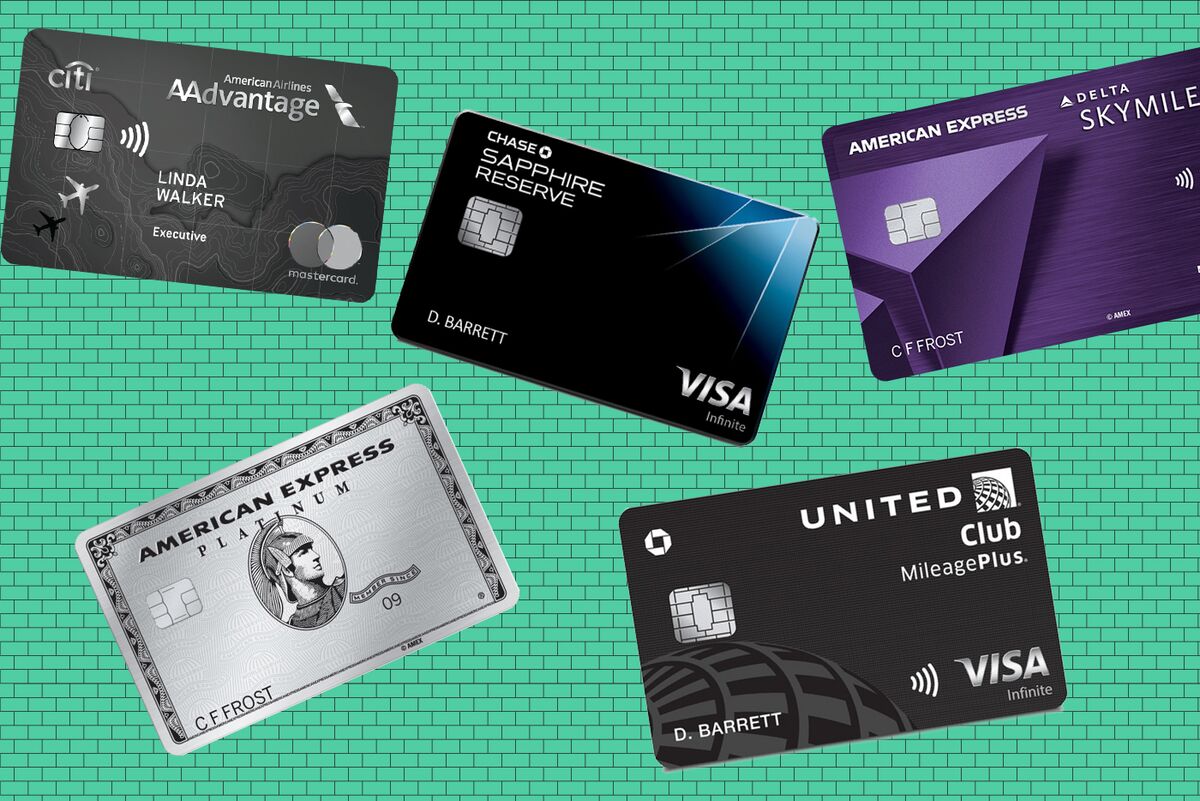
The Elusive “Best”: Why One Size Doesn’t Fit All
The credit card market is a vibrant ecosystem teeming with thousands of products, each designed with specific features, reward structures, and target demographics. From luxurious travel cards promising airport lounge access and concierge services to no-frills cards focused solely on low-interest rates, the sheer variety underscores why a singular “best” cannot exist. What serves a frequent international traveler might be entirely impractical for someone focused on eliminating debt, just as a card optimized for grocery spending might not benefit an individual who primarily dines out.
The “best” credit card is a dynamic choice, evolving as your life stages and financial priorities shift. A card that was perfect for a student building credit might be inadequate for a seasoned professional looking to maximize investment returns through rewards. Therefore, rather than chasing a mythical perfect card, the intelligent approach is to define what “best” means to you at this current juncture in your financial journey. This involves a comprehensive self-assessment, understanding your spending patterns, evaluating your creditworthiness, and clearly outlining your financial objectives. Only then can you effectively filter through the myriad of options and identify the financial instrument that truly enhances your monetary well-being.
Understanding Your Financial Profile and Goals
Before diving into the features of specific credit cards, the most critical step is to look inward. A clear understanding of your current financial situation, historical spending, and future aspirations will serve as your compass in the vast credit card market.
Assessing Your Spending Habits
Your everyday spending is the most significant indicator of which credit card will provide the most value. Are you a frequent traveler, or do you rarely leave your home city? Do you cook at home often, making grocery rewards valuable, or do you prefer dining out? Do you spend a significant amount on gas, or do you mostly use public transport?
- Categorize Your Expenses: Take a few months to track and categorize your spending. Use budgeting apps or simply review your bank statements. Identify your top 2-3 spending categories (e.g., groceries, dining, gas, online shopping, travel).
- Identify Your Payment Tendencies: Do you pay off your balance in full every month, or do you carry a balance? This is crucial, as carrying a balance makes interest rates a primary concern, potentially negating any reward benefits. If you pay in full, rewards and perks become more important than APR.
Evaluating Your Credit Score
Your credit score is a numerical representation of your creditworthiness, directly impacting the types of credit cards you qualify for. Lenders use this score to assess the risk of lending to you.
- Excellent Credit (740-850): Opens the door to premium rewards cards, low APR offers, and exclusive benefits.
- Good Credit (670-739): Qualifies you for a wide range of competitive cards, including many rewards programs.
- Fair Credit (580-669): Options might be more limited, focusing on cards designed for rebuilding credit or with higher APRs.
- Poor Credit (300-579): Secured credit cards or credit builder cards are usually the primary options, designed to help improve your score.
Knowing your score before applying prevents unnecessary hard inquiries that could temporarily lower it. You can typically check your credit score for free through various financial services or credit card issuers.
Defining Your Financial Objectives
What do you want your credit card to help you achieve? Your goals will dictate the type of card that is “best.”
- Maximizing Rewards (Cash Back, Travel Points, Miles): If you pay your balance in full each month, earning rewards is a smart way to get more value from your spending.
- Building or Rebuilding Credit: If you’re new to credit or have faced past financial challenges, a secured card or a card specifically designed for credit building will be your priority.
- Paying Down High-Interest Debt (Balance Transfer): A balance transfer card with a 0% introductory APR can offer a much-needed reprieve from high-interest payments, allowing you to pay down debt faster.
- Financing a Large Purchase (0% APR Introductory Offer): If you plan a significant purchase and can pay it off within a specific promotional period, a card with a 0% introductory APR can save you interest costs.
- Simplifying Finances (Low-Interest/No Annual Fee): For those who prefer simplicity and predictability, a card with a consistently low APR or no annual fee might be most appealing.
Navigating the Landscape of Credit Card Types
Once you understand your financial profile and goals, you can effectively explore the main categories of credit cards available. Each type is tailored to different needs and offers distinct advantages.
Cash Back Cards: Everyday Rewards
Cash back cards are straightforward: you earn a percentage of your spending back as cash. This can come in various forms:
- Flat-Rate Cash Back: Offers a consistent percentage back on all purchases (e.g., 1.5% or 2% on everything). These are excellent for simplicity and for those whose spending doesn’t heavily align with specific bonus categories.
- Tiered or Category-Specific Cash Back: Offers higher percentages in specific categories that often rotate quarterly (e.g., 5% on groceries one quarter, 5% on gas the next) or fixed bonus categories (e.g., 3% on dining, 2% on groceries, 1% on everything else). These cards are best for strategic spenders willing to track categories or whose spending consistently falls into fixed bonus categories.
Travel Rewards Cards: For the Wanderlust
Ideal for frequent travelers, these cards allow you to earn points or miles that can be redeemed for flights, hotel stays, car rentals, and other travel-related expenses.
- Airline-Specific Cards: Co-branded with airlines, offering benefits like free checked bags, priority boarding, and loyalty status boosts.
- Hotel-Specific Cards: Co-branded with hotel chains, providing free night certificates, room upgrades, and loyalty status.
- General Travel Rewards Cards: Offer flexible points that can be transferred to various airline and hotel partners or redeemed directly for travel through the card issuer’s portal. These often come with premium perks like airport lounge access, travel insurance, and statement credits for travel expenses. High annual fees are common, but the value of the benefits often outweighs the cost for avid travelers.
Balance Transfer Cards: Conquering High-Interest Debt
These cards are designed to help you consolidate and pay down existing high-interest credit card debt. They typically offer a 0% introductory APR for a fixed period (e.g., 12-21 months) on transferred balances.
- Strategic Debt Management: By transferring a balance, you can make significant progress on the principal without accruing interest charges during the introductory period.
- Fees: Be aware of balance transfer fees, which are usually a percentage of the transferred amount (e.g., 3-5%). Factor this into your decision. It’s crucial to have a concrete plan to pay off the transferred balance before the promotional period ends, as the standard APR will apply afterward.
0% APR Introductory Offers: Strategic Spending
Similar to balance transfer cards, many cards offer a 0% introductory APR on new purchases for a set period.
- Planned Purchases: This can be beneficial if you plan a large purchase and intend to pay it off within the promotional window, effectively getting an interest-free loan.
- Disciplined Use: This strategy requires discipline. If you don’t pay off the balance before the 0% APR period expires, you’ll start accruing interest at the standard (often high) variable rate.
Secured Credit Cards: Building Your Foundation
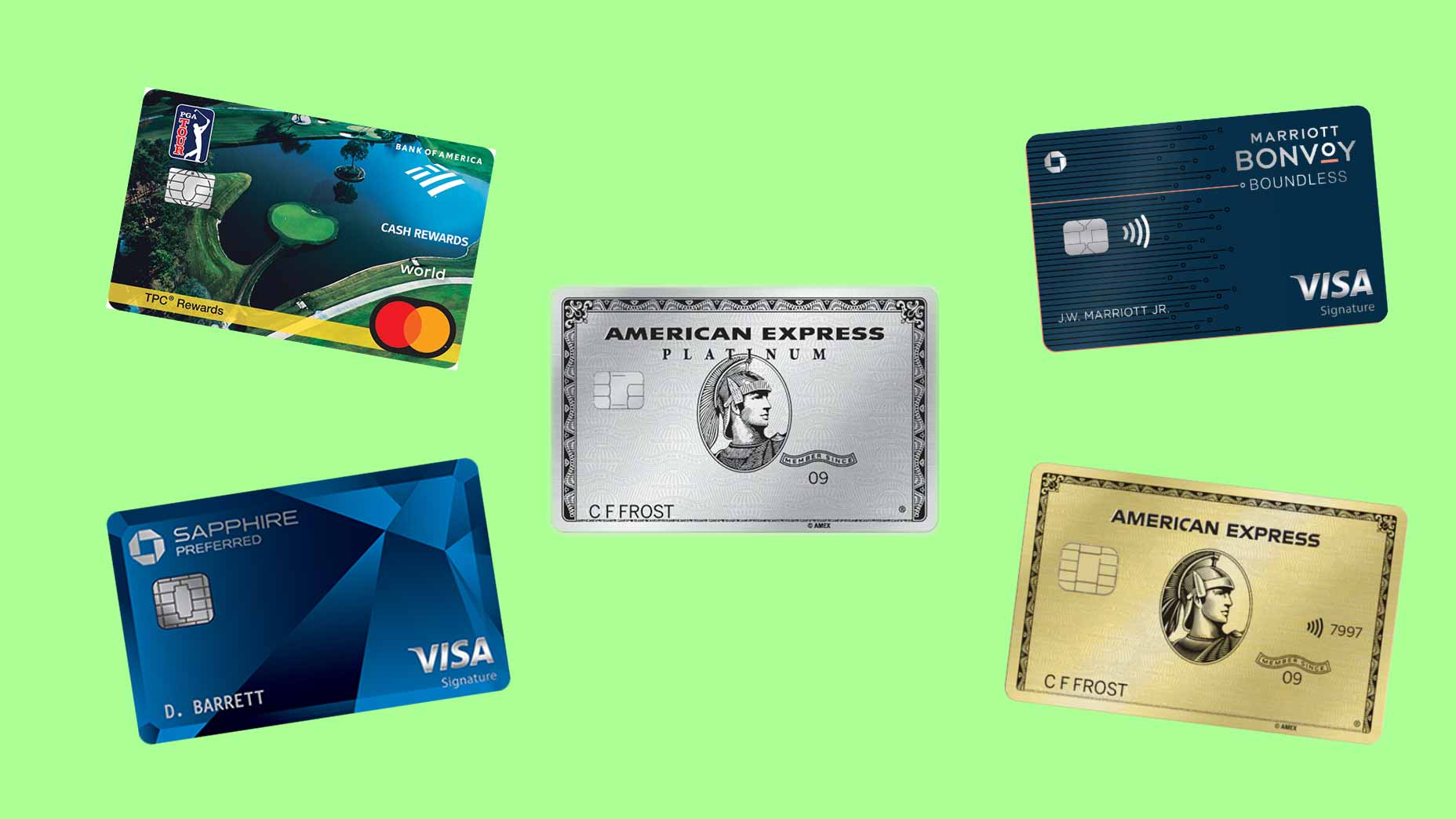
For individuals with no credit history or poor credit, a secured credit card is an excellent starting point.
- Deposit as Collateral: You provide a security deposit (e.g., $200-$500), which typically becomes your credit limit. This deposit minimizes risk for the issuer.
- Credit Reporting: The card functions like a regular credit card, and your payment history is reported to the major credit bureaus. Responsible use (paying on time, keeping utilization low) helps build or rebuild your credit score, eventually allowing you to qualify for unsecured cards.
Student & Business Credit Cards: Niche Solutions
- Student Credit Cards: Designed for college students, often with lower credit limits and specific rewards that cater to student spending. They help students establish a credit history responsibly.
- Business Credit Cards: Tailored for entrepreneurs and small business owners, offering higher credit limits, business-specific rewards (e.g., on office supplies, internet services), and detailed expense tracking. They help separate personal and business finances.
Maximizing Your Credit Card’s Value
Once you’ve selected a credit card that aligns with your goals, the next step is to ensure you’re getting the most out of it. It’s not just about having the card, but how intelligently you use it.
Strategic Spending to Earn Rewards
Don’t just spend randomly; align your purchases with your card’s reward structure.
- Category Optimization: If you have a cash back card with rotating categories, use it for those specific purchases (e.g., groceries in Q1, gas in Q2).
- Primary Card for Top Categories: Designate your best rewards card for your highest spending categories. For example, if your card offers 3x points on dining, always use it for restaurant bills.
- Complementary Cards (If Applicable): For advanced users, having 2-3 cards that complement each other’s reward categories can maximize overall earnings without increasing your spending.
Leveraging Sign-Up Bonuses
Many credit cards offer substantial sign-up bonuses for new cardholders who meet a specific spending threshold within an introductory period (e.g., spend $3,000 in the first 3 months to get 60,000 points).
- Consider Timing: Apply for a card with a sign-up bonus when you know you have upcoming large expenses that will naturally meet the spending requirement.
- Avoid Overspending: Never spend more than you normally would just to chase a sign-up bonus. The interest charges from unnecessary debt will quickly negate any bonus value.
Understanding Annual Fees vs. Benefits
Many premium rewards cards come with an annual fee, which can range from under $100 to several hundred dollars.
- Value Proposition: Evaluate whether the benefits and rewards you receive genuinely outweigh the annual fee. For travel cards, this might include airport lounge access, statement credits for travel, free checked bags, or elite status. For cash back cards, ensure the cash back earned significantly surpasses the fee.
- Waivers/Credits: Some cards offer statement credits for specific purchases (e.g., airline fees, streaming services) that can effectively reduce or offset the annual fee.
Taking Advantage of Cardholder Perks
Beyond rewards, many credit cards offer a suite of additional benefits that often go overlooked.
- Travel Insurance: Trip cancellation/interruption insurance, lost luggage reimbursement, rental car insurance.
- Purchase Protections: Extended warranty, purchase protection (against damage or theft), price protection (reimburses if an item’s price drops).
- Concierge Services: Assistance with booking travel, reservations, or finding tickets.
- Access to Experiences: Exclusive event access or priority booking.
Regularly review your card’s guide to benefits to ensure you’re fully utilizing all the perks available to you.
Responsible Credit Card Management: A Foundation for Success
Regardless of the “best” credit card you choose, its value is profoundly tied to how responsibly you manage it. Poor credit card habits can quickly turn a powerful financial tool into a source of stress and debt.
Paying Your Bill on Time, Every Time
This is the golden rule of credit card use.
- Avoid Late Fees: Late payment fees can be substantial, often $30-$40 per instance.
- Protect Your Credit Score: Payment history is the most significant factor (35%) in your credit score. A single late payment can significantly drop your score and remain on your report for up to seven years.
- Prevent Penalty APRs: Many cards have a penalty APR that can kick in after a late payment, dramatically increasing your interest rate.
Set up automatic payments or calendar reminders to ensure you never miss a due date.
Keeping Your Credit Utilization Low
Credit utilization refers to the amount of credit you’re using compared to your total available credit (e.g., if you have a $10,000 limit and a $1,000 balance, your utilization is 10%).
- Impact on Score: This is the second most important factor (30%) in your credit score. Lenders view high utilization as a sign of financial distress.
- General Rule: Aim to keep your utilization below 30% across all your credit cards, and ideally below 10% for the best possible scores. Even if you pay off your balance in full each month, a high balance reported to the credit bureaus before your statement closes can temporarily ding your score.
Monitoring Your Credit Report
Regularly checking your credit report is essential for financial health.
- Identify Errors: Mistakes on your report can negatively impact your score. You’re entitled to a free report from each of the three major credit bureaus (Equifax, Experian, TransUnion) annually via AnnualCreditReport.com.
- Detect Fraud: Monitoring helps you spot unauthorized accounts or suspicious activity quickly, allowing you to report and mitigate potential identity theft.
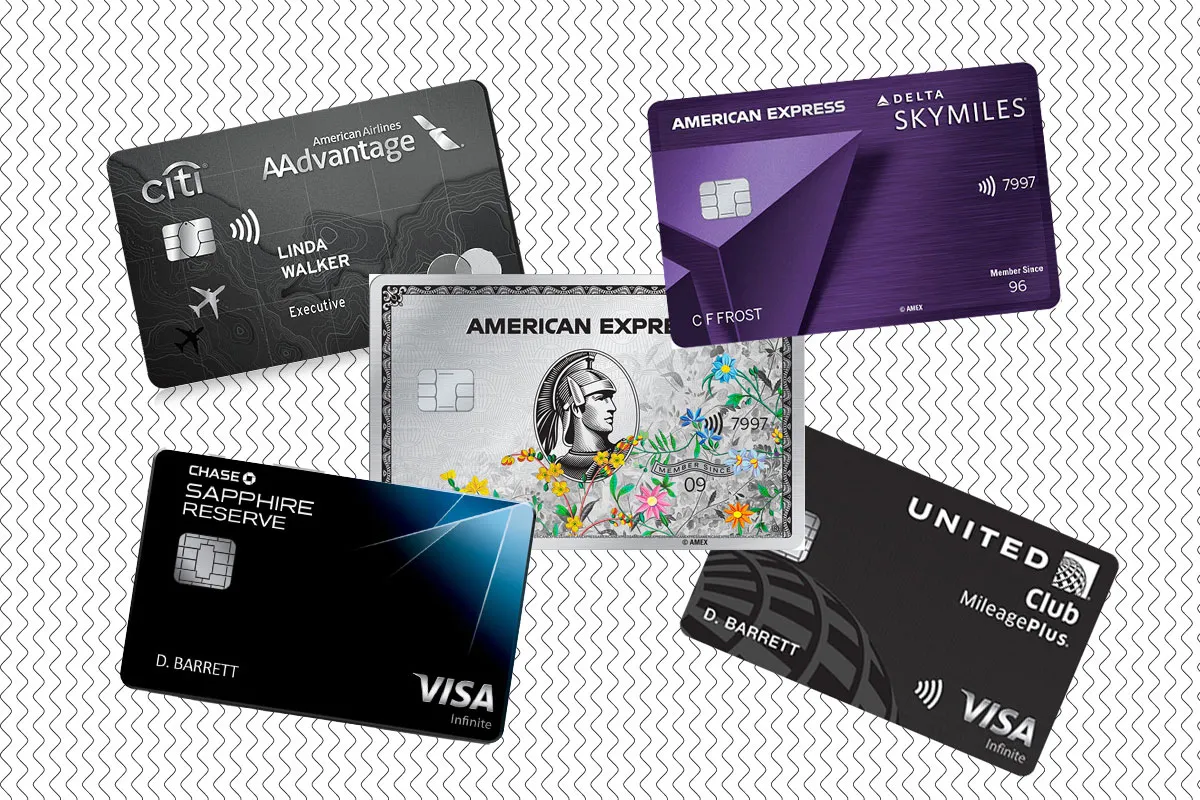
Avoiding Unnecessary Debt
While credit cards offer convenience and rewards, they are not an extension of your income.
- Live Within Your Means: Only charge what you can comfortably afford to pay off in full each month.
- Emergency Fund: Rely on an emergency savings fund for unexpected expenses, not high-interest credit card debt.
- Budgeting: Maintain a consistent budget to track your spending and ensure you’re not accumulating debt.
In conclusion, the “best” credit card isn’t found through a simple search result but through a thoughtful exploration of your own financial landscape. By understanding your spending, credit score, and goals, you can pinpoint the card type that truly serves your needs. And remember, the power of any credit card is fully realized only when wielded with discipline and responsibility.
aViewFromTheCave is a participant in the Amazon Services LLC Associates Program, an affiliate advertising program designed to provide a means for sites to earn advertising fees by advertising and linking to Amazon.com. Amazon, the Amazon logo, AmazonSupply, and the AmazonSupply logo are trademarks of Amazon.com, Inc. or its affiliates. As an Amazon Associate we earn affiliate commissions from qualifying purchases.