
The entrepreneurial dream, often painted with strokes of freedom and innovation, frequently converges on a singular, pivotal question: “What’s the best business to start?” This isn’t just a query about personal passion; it’s a profound dive into financial viability, market opportunity, and long-term wealth creation. In an era where traditional employment paths offer diminishing guarantees, understanding how to identify, launch, and scale a profitable venture has become paramount for achieving true financial independence. This article will guide you through the monetary lens of entrepreneurship, exploring high-potential business models, critical financial considerations, and strategic approaches to ensure your chosen venture not only thrives but also aligns with your financial aspirations. Forget the romanticized notions of overnight success; our focus is on building a robust, financially sound business designed for sustainable income and wealth accumulation.
The Entrepreneurial Landscape: Beyond Passion to Profit
While passion can be a powerful motivator, a truly “best” business is one that marries your interests with significant market demand and a clear path to profitability. The entrepreneurial landscape is vast, but understanding its financial contours is crucial before taking the leap. It’s about discerning where money flows, what problems people are willing to pay to solve, and how your skills can be monetized effectively.
Understanding Market Demand and Profitability
Identifying a market gap or an underserved need is the cornerstone of any successful business. This isn’t merely about creating something new; it’s often about doing something existing better, cheaper, faster, or more conveniently. Begin by researching current trends in consumer spending, emerging industries, and persistent pain points that existing solutions fail to adequately address. Tools like Google Trends, industry reports, and even social media listening can reveal significant insights into what people are actively searching for and willing to pay for.
Profitability, however, extends beyond demand. It requires a clear understanding of your potential revenue streams, cost structures, and pricing strategy. A business with high demand but razor-thin margins, or one that requires excessive capital to start, might not be the “best” financially. Look for models with healthy profit margins, recurring revenue potential, and a scalable cost structure. Consider the lifetime value of a customer versus the cost of acquiring them – a fundamental metric in assessing long-term financial health. Businesses that offer unique value propositions often command higher prices and thus better margins, making them inherently more attractive from a financial perspective.
Assessing Your Financial Readiness and Risk Tolerance
Starting a business invariably involves risk, but intelligent entrepreneurs manage and mitigate it. Before committing to a venture, conduct a thorough self-assessment of your personal financial situation. Do you have an emergency fund? How long can you sustain yourself without a steady income? What capital do you have available for investment, and how much are you willing to lose if the business doesn’t succeed?
Your risk tolerance plays a significant role in determining the “best” business for you. Low-overhead, service-based businesses or online ventures often require less initial capital and thus present lower financial risk. Conversely, businesses requiring significant inventory, physical infrastructure, or extensive R&D demand a higher initial investment and thus higher risk tolerance. Understanding your financial bandwidth helps you choose a business model that won’t jeopardize your personal financial stability. This assessment isn’t a deterrent but a strategic foundation, ensuring you embark on a path that is both exciting and financially sustainable.
High-Potential Business Models for Online Income & Side Hustles
The digital age has democratized entrepreneurship, offering an unprecedented array of opportunities for generating online income and launching profitable side hustles. These models often boast lower startup costs, greater flexibility, and wider market reach than traditional brick-and-mortar businesses, making them attractive pathways to financial independence.
E-commerce and Dropshipping: Low Barrier, High Scalability
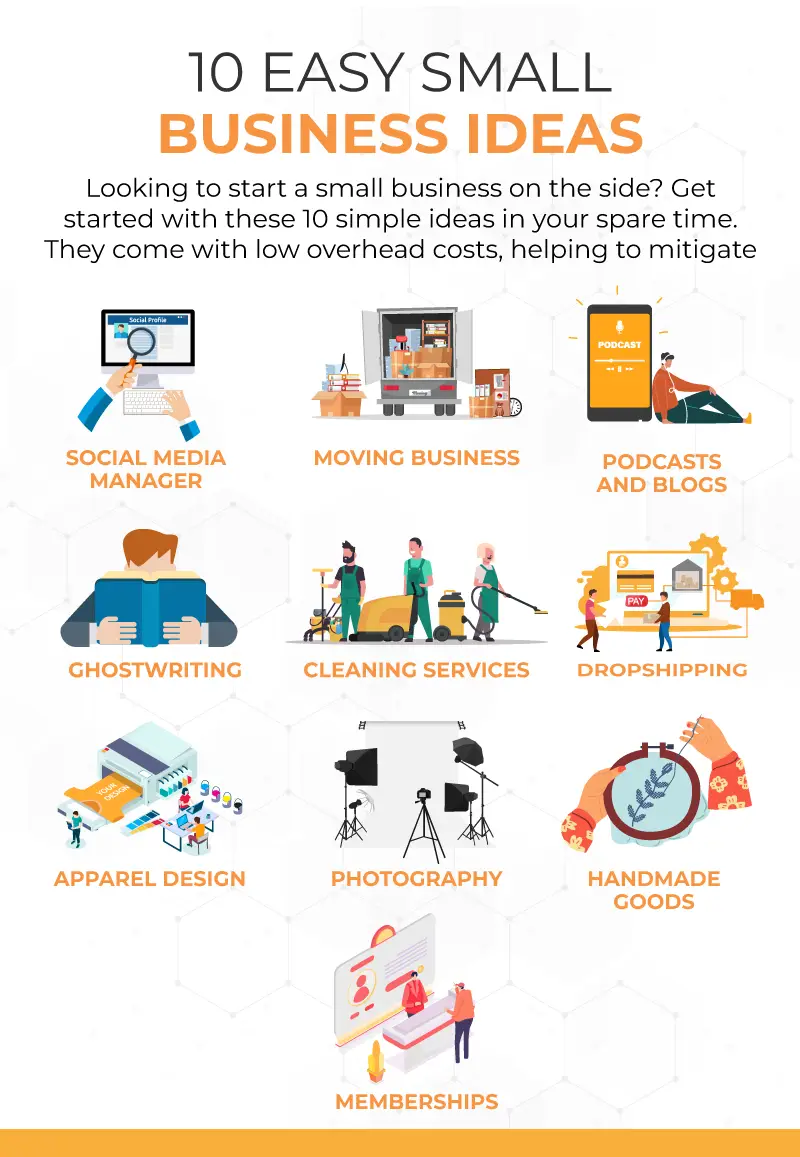
The e-commerce landscape continues its meteoric rise, offering a fertile ground for new entrepreneurs. Starting an online store can be remarkably straightforward with platforms like Shopify, WooCommerce, or Etsy. The key is to identify a niche product or market that is underserved or can be approached with a unique value proposition. Whether it’s sustainable home goods, custom apparel, or specialized electronics, finding your niche is paramount.
Dropshipping, a subset of e-commerce, further reduces the financial barrier to entry by eliminating the need to hold inventory. When a customer places an order, you simply purchase the item from a third-party supplier, who then ships it directly to the customer. This model minimizes upfront capital expenditure and storage costs, allowing you to test various product lines with minimal financial risk. While margins might be thinner due to the supplier’s cut, the scalability and reduced operational complexity make it an attractive option for those looking to dip their toes into online sales without significant financial outlay. Success in e-commerce, particularly dropshipping, hinges on effective marketing, reliable suppliers, and excellent customer service to build trust and repeat business.
Digital Services and Consulting: Leveraging Expertise for Revenue
For those with specialized skills or expertise, offering digital services or consulting can be an incredibly lucrative path. This model involves selling your knowledge, time, and abilities directly to clients. Areas like digital marketing (SEO, social media management, content strategy), web design and development, graphic design, virtual assistance, copywriting, financial consulting, and even specialized coaching (e.g., career, fitness, business) are in constant demand.
The primary “investment” here is your skill set and time. Startup costs are typically minimal, often limited to a professional website, necessary software subscriptions, and perhaps some initial marketing efforts. The profitability is often high because you’re selling a premium service based on your unique value. To maximize income, focus on niche specializations, build a strong portfolio, and develop effective strategies for client acquisition and retention. This model offers significant flexibility and the potential for high hourly rates, making it an excellent option for a financially rewarding side hustle that can scale into a full-time venture.
Content Creation and Monetization: Building Long-Term Assets
The creator economy has exploded, offering numerous avenues for individuals to monetize their passions through content. This includes blogging, podcasting, YouTube channels, social media influencing, and even creating online courses. While it often requires consistent effort over time to build an audience, the long-term financial rewards can be substantial and diverse.
Monetization strategies for content creators include advertising revenue (e.g., Google AdSense, podcast sponsorships), affiliate marketing (promoting products and earning a commission), selling your own digital products (e-books, templates, presets), memberships/subscriptions (Patreon), and direct sponsorships. The beauty of content creation as a business is that your content becomes an evergreen asset, continuing to attract and engage audiences and generate income long after its initial creation. This model builds a personal brand and audience, which can then be leveraged into various other income streams, offering a robust foundation for long-term financial independence. The initial investment is primarily time and consistency, making it accessible even for those with limited capital.
Business Finance Fundamentals: Fueling Your Venture’s Growth

Regardless of the business model you choose, a solid understanding of business finance is non-negotiable for success. This isn’t just about managing money; it’s about making informed decisions that drive profitability, ensure stability, and facilitate growth.
Startup Costs, Funding, and Cash Flow Management
Before launching, meticulously map out all potential startup costs. This includes everything from legal fees and permits to website development, initial marketing, equipment, and any necessary inventory. Underestimating these costs is a common pitfall. Once you have a clear picture, determine how you will fund your venture. Options range from self-funding (bootstrapping), personal loans, small business loans, crowdfunding, or seeking angel investors. Each comes with its own financial implications regarding interest rates, equity dilution, and repayment terms.
Crucially, cash flow management is the lifeblood of any business. It’s not just about profit; it’s about having enough liquid funds to cover your operating expenses at all times. Develop a detailed cash flow forecast, projecting your expected income and expenses over several months. Regularly monitor your incomings and outgoings, ensuring you have a buffer for unexpected costs. Positive cash flow prevents liquidity crises and allows you to reinvest in growth opportunities. Implement efficient invoicing and collection processes, and manage your payables strategically to optimize your working capital.
Pricing Strategies and Revenue Optimization
Your pricing strategy directly impacts your profitability and market positioning. It’s a delicate balance: price too high, and you might deter customers; price too low, and you undervalue your offerings and erode your margins. Consider various strategies: cost-plus pricing, value-based pricing (charging what the market will bear for the perceived value), competitive pricing, or tiered pricing models. Research your competitors and understand your target customer’s willingness to pay.
Beyond the initial price, continuously look for ways to optimize your revenue. This could involve offering upsells or cross-sells, creating product bundles, implementing subscription models for recurring income, or exploring different distribution channels. Analyze your sales data regularly to identify your most profitable products or services and focus your efforts there. Experiment with promotional offers and discounts strategically, ensuring they attract new customers without devaluing your core offerings. Revenue optimization is an ongoing process that directly fuels your business’s financial health.
The Importance of Financial Planning and Exit Strategies
Effective financial planning extends beyond immediate operational needs. It involves setting long-term financial goals for your business, such as desired revenue targets, profit margins, and valuation. Create a comprehensive business plan that includes detailed financial projections for the next 1-3-5 years. This plan serves as a roadmap, guiding your investment decisions, budgeting, and growth initiatives. Regularly review and adjust your financial plan based on actual performance and market changes.
Equally important, even from the outset, is considering an exit strategy. While it might seem premature, thinking about how you might eventually leave your business (e.g., selling it, passing it on, or liquidating it) influences your financial decisions today. Building a business that is structured, scalable, and not overly dependent on your personal involvement increases its attractiveness and financial value to potential buyers. An early consideration of an exit strategy helps ensure you are building a valuable asset that can provide a substantial financial return when the time comes to move on.
Strategic Considerations for Long-Term Financial Success
Identifying the “best” business to start is not just about initial launch; it’s about building a venture that can withstand market fluctuations, scale effectively, and continue to generate wealth over the long haul. This requires a strategic mindset focused on efficiency, diversification, and holistic success metrics.
Scalability and Automation: Maximizing Efficiency
A business that cannot scale is limited in its financial potential. Scalability refers to a business’s ability to handle an increasing workload or customer base without a proportional increase in costs. For instance, a digital product (like an online course) is highly scalable because once created, it can be sold an infinite number of times with minimal additional cost. Service-based businesses can scale by hiring more staff or developing standardized processes that can be replicated.
Automation is a powerful lever for achieving scalability and maximizing efficiency. Invest in tools and systems that can automate repetitive tasks, such as email marketing, social media scheduling, customer relationship management (CRM), invoicing, and inventory management. By reducing manual effort, you free up your time and resources to focus on high-value activities, customer acquisition, and strategic growth initiatives. This not only cuts down operational costs but also improves consistency and allows your business to grow without requiring a linear increase in personnel, directly boosting your profit margins.
Diversification of Income Streams: Mitigating Risk
Relying on a single source of income, whether personal or business, is inherently risky. The “best” businesses often cultivate multiple, complementary income streams. If you operate an e-commerce store, consider adding affiliate marketing to your blog or launching an exclusive line of digital products. If you’re a consultant, think about creating an online course or offering workshops.
Diversifying your income streams provides a crucial financial safety net. If one revenue channel experiences a downturn due to market shifts, economic changes, or increased competition, your business can still remain robust thanks to other sources. This strategy also opens up new customer segments and expands your overall market reach, reducing dependence on any single product, service, or customer type. It’s a proactive approach to financial resilience, ensuring long-term stability and growth.
Measuring Success: Beyond the Bottom Line
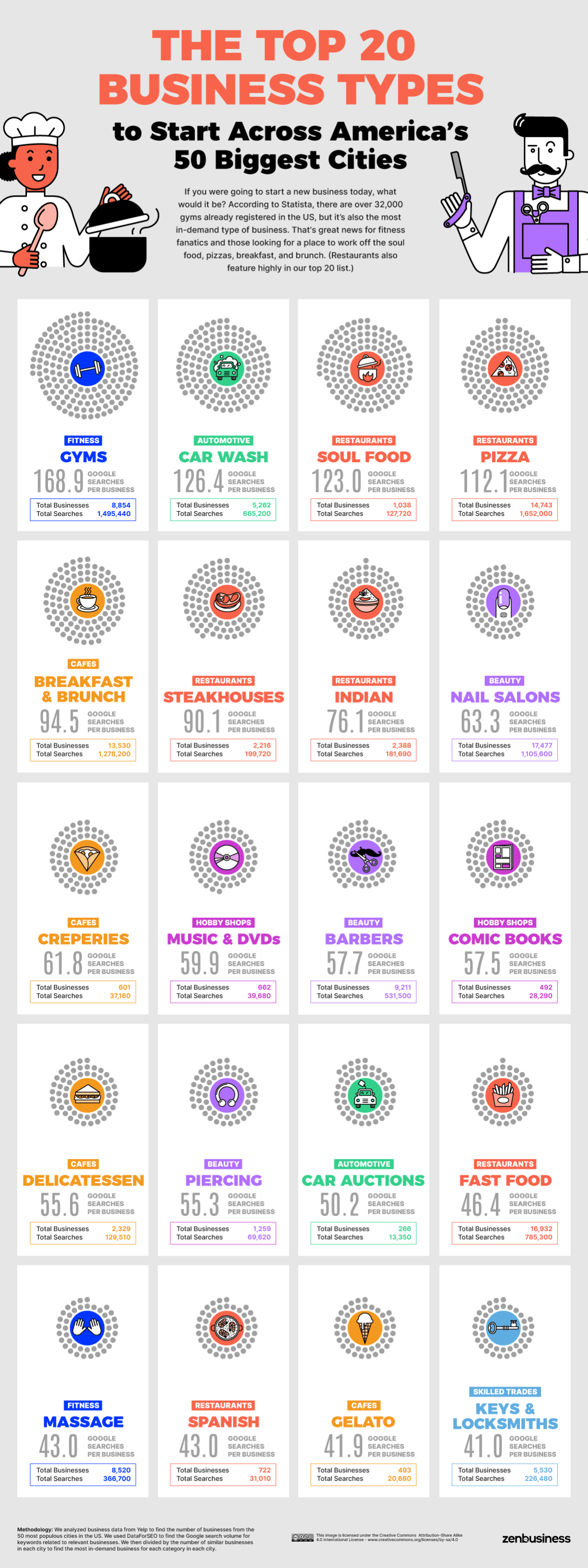
While profit and revenue are critical financial indicators, true success encompasses a broader set of metrics. Consider your business’s impact on your personal financial goals: Is it providing the income you desire? Is it building equity or assets? Is it affording you the financial freedom and lifestyle you envisioned?
Beyond the purely financial, also measure aspects like customer satisfaction, brand reputation, employee engagement (if applicable), and your own work-life balance. A business that generates high profits but leads to burnout or ethical compromises might not be truly “best” in the holistic sense. Utilize financial tools and analytics dashboards to track key performance indicators (KPIs) regularly, not just for revenue and expenses, but also for operational efficiency and customer lifetime value. By adopting a comprehensive view of success, you can build a business that is not only financially robust but also personally fulfilling and sustainable in the long run.
In conclusion, the quest for “what’s the best business to start” is deeply rooted in financial principles. It’s about making informed choices that align market opportunity with profitability, managing finances meticulously, and strategically building for long-term wealth. By focusing on high-potential models, understanding business finance fundamentals, and embracing scalability and diversification, you can chart a course towards a financially independent and rewarding entrepreneurial journey.
aViewFromTheCave is a participant in the Amazon Services LLC Associates Program, an affiliate advertising program designed to provide a means for sites to earn advertising fees by advertising and linking to Amazon.com. Amazon, the Amazon logo, AmazonSupply, and the AmazonSupply logo are trademarks of Amazon.com, Inc. or its affiliates. As an Amazon Associate we earn affiliate commissions from qualifying purchases.