
The question “what is finasteride for” often arises in discussions surrounding health, wellness, and even personal appearance. While the name itself might sound complex, its primary applications are surprisingly straightforward, though the implications and considerations surrounding its use are multifaceted. Understanding finasteride requires delving into its medical purpose, exploring its effectiveness, and acknowledging the potential side effects and alternatives. In a world increasingly driven by technological solutions and personal empowerment, understanding how pharmaceutical interventions like finasteride fit into our pursuit of well-being is crucial. This article will break down the core functions of finasteride, its impact, and what individuals considering this treatment should be aware of, aligning with the principles of informed decision-making that resonate across the tech, brand, and money sectors.
The Medical Foundations: How Finasteride Works
Finasteride is a medication primarily known for its role in treating two distinct conditions: androgenetic alopecia (male pattern baldness) and benign prostatic hyperplasia (BPH), an enlarged prostate. Its mechanism of action is rooted in its ability to inhibit an enzyme called 5-alpha-reductase. This enzyme is responsible for converting testosterone into dihydrotestosterone (DHT), a more potent androgen. DHT plays a significant role in both hair loss and prostate enlargement. By reducing DHT levels, finasteride directly addresses the underlying causes of these conditions.
Androgenetic Alopecia: Combating Hair Loss
In the context of male pattern baldness, DHT is a key culprit. It binds to hair follicles on the scalp, causing them to shrink over time. This miniaturization process leads to thinner, shorter hairs, and eventually, the complete cessation of hair growth. Finasteride, by lowering DHT levels in the scalp, helps to slow down this process.
The Science of Hair Follicle Restoration
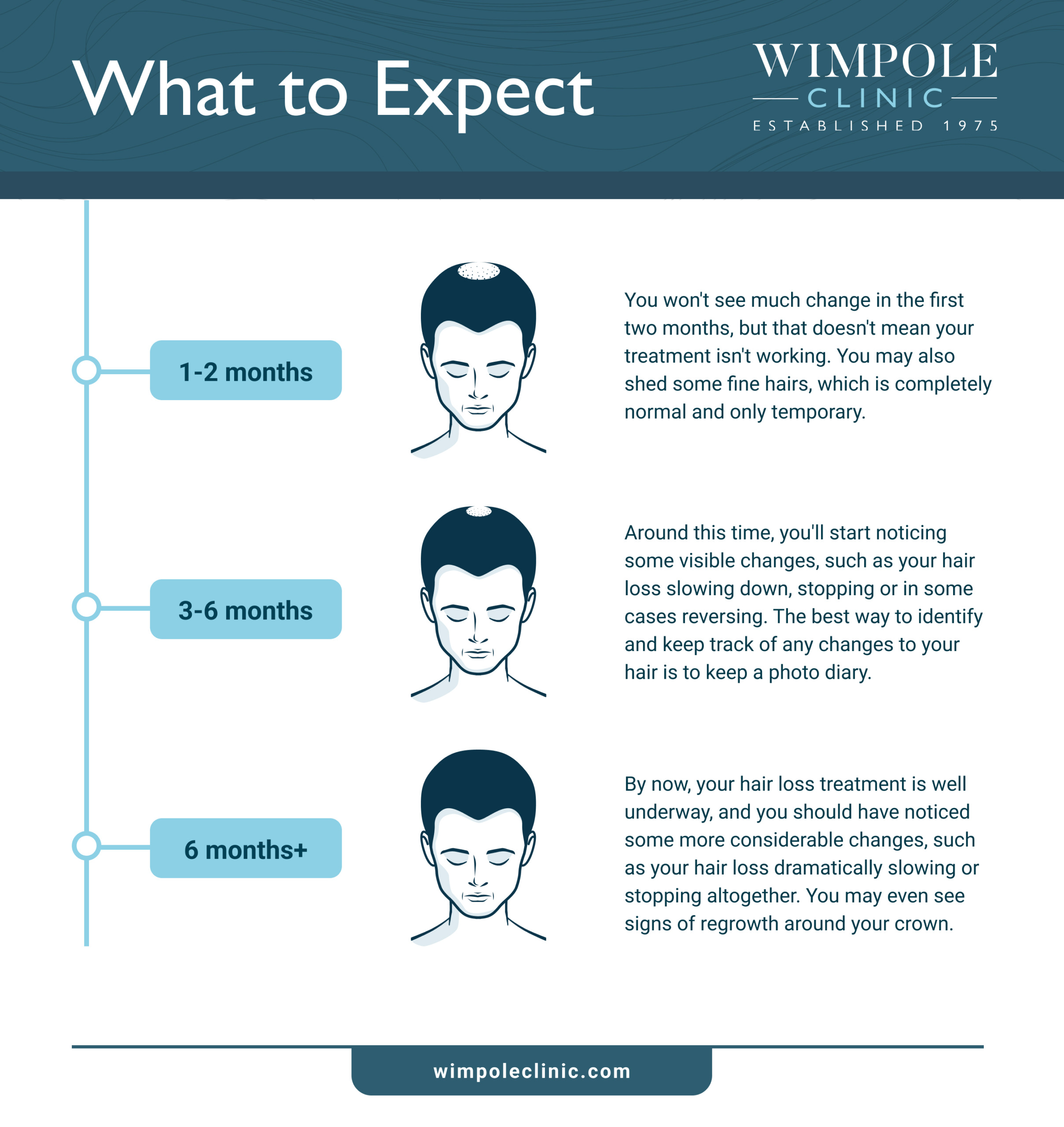
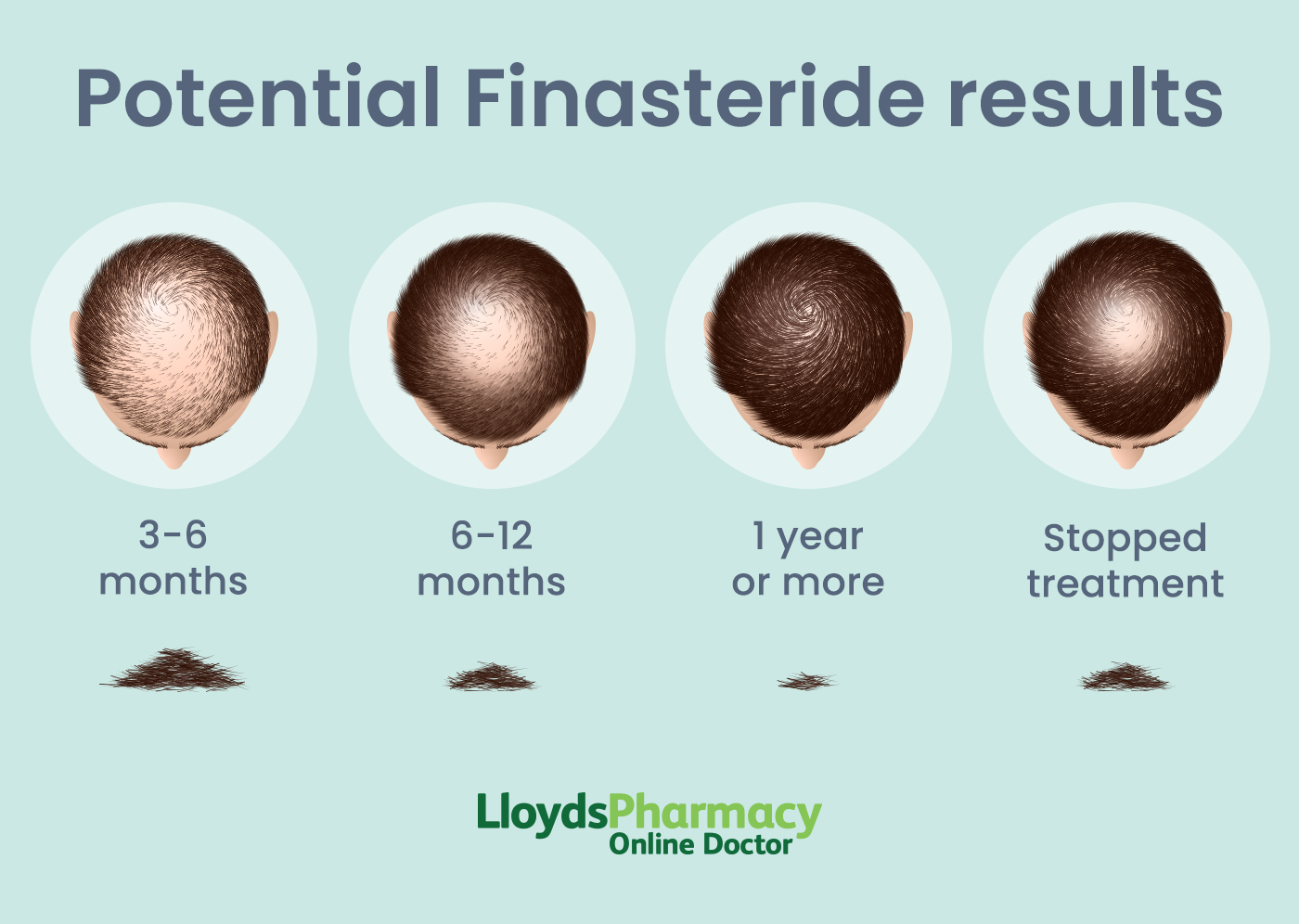
When finasteride is used for hair loss, it doesn’t miraculously regrow hair that has already been lost permanently. Instead, its primary benefit is to halt or significantly slow down further hair loss. For many individuals, this stabilization is a critical step in managing their condition. In some cases, particularly when treatment is initiated early, finasteride can also lead to some degree of hair regrowth. This regrowth typically manifests as finer, shorter hairs becoming thicker and longer, contributing to a fuller appearance. The effectiveness can vary from person to person, with some experiencing dramatic results and others seeing more subtle improvements.
The process is not instantaneous. It typically takes several months of consistent daily use for noticeable effects to become apparent. Many studies suggest that at least 3-6 months of treatment are needed to see a slowdown in hair loss, and up to a year or more for potential regrowth to become significant. This sustained commitment underscores the need for realistic expectations and a long-term perspective when considering finasteride for hair loss. It’s a marathon, not a sprint, and understanding this timeline is crucial for maintaining motivation and assessing the efficacy of the treatment.
Benign Prostatic Hyperplasia (BPH): Relieving Prostate Symptoms
For men experiencing an enlarged prostate, finasteride offers a different but equally important therapeutic benefit. An enlarged prostate can press on the urethra, the tube that carries urine from the bladder out of the body, leading to a range of urinary symptoms. These can include difficulty starting urination, a weak urine stream, frequent urination, and a feeling of incomplete bladder emptying.
Managing Urinary Flow and Prostate Health
Finasteride works by reducing the size of the prostate gland. By inhibiting 5-alpha-reductase, it lowers DHT levels within the prostate, which is a primary driver of its growth. Over time, this reduction in DHT causes the prostate tissue to shrink. This shrinkage can alleviate the pressure on the urethra, leading to improved urine flow and a reduction in the bothersome urinary symptoms associated with BPH.
The impact on prostate size is typically gradual, with improvements often observed after several months of treatment. Finasteride is generally considered an effective treatment for moderate to severe BPH symptoms. It is often prescribed for men who are not suitable candidates for surgery or prefer a non-surgical approach. As with hair loss, consistent daily dosage is key to achieving and maintaining the therapeutic benefits.

Beyond the Primary Uses: Exploring Other Applications and Considerations
While hair loss and BPH are the most common reasons for finasteride prescriptions, its pharmacological action has led to its investigation and occasional use in other contexts. Furthermore, any discussion about a medication must include a comprehensive look at its potential side effects and the importance of medical supervision.
Investigational Uses and Off-Label Prescribing
The hormonal pathways influenced by finasteride have led to its exploration in other areas. For instance, it has been studied for its potential in treating acne in women, particularly severe forms that are resistant to other treatments, as it can help reduce androgen-related skin issues. However, its use in women of childbearing potential is strictly contraindicated due to the risk of birth defects in male fetuses.
There’s also ongoing research and anecdotal evidence suggesting its use in managing hirsutism (excessive hair growth) in women and in certain hormone therapies. However, these uses are often considered “off-label,” meaning they are not the primary FDA-approved indications for the drug. Off-label prescribing requires careful consideration by a healthcare professional, weighing the potential benefits against the known risks. The decision to prescribe finasteride for any condition beyond its approved uses should always be made in consultation with a qualified doctor.
Understanding Potential Side Effects and Risks
Like all medications, finasteride is not without its potential side effects. While many individuals tolerate it well, a subset of users may experience adverse reactions. It is crucial for patients and healthcare providers to be aware of these possibilities to make informed decisions about treatment.
Common and Less Common Adverse Reactions
The most frequently reported side effects of finasteride, particularly when used for hair loss, are sexual in nature. These can include decreased libido (sex drive), erectile dysfunction, and problems with ejaculation. It’s important to note that these side effects are often reversible upon discontinuation of the medication. However, in a small percentage of individuals, some sexual side effects may persist even after stopping the drug, a phenomenon sometimes referred to as Post-Finasteride Syndrome (PFS). The exact prevalence and underlying mechanisms of PFS are still areas of ongoing research and debate within the medical community.
Other less common side effects can include breast tenderness or enlargement (gynecomastia), depression, anxiety, and allergic reactions. There have also been concerns raised regarding a potential link between finasteride use and an increased risk of high-grade prostate cancer. However, large-scale studies have yielded mixed results, and regulatory bodies generally conclude that while there might be a slightly increased detection of high-grade tumors, there isn’t a clear consensus on a direct causal link to the development of aggressive prostate cancer. The benefits of finasteride in managing BPH symptoms and its role in preventing significant prostate enlargement are generally considered to outweigh these risks for many individuals under medical supervision.
The Importance of Medical Consultation and Monitoring
Given the potential side effects and the sensitive nature of the conditions it treats, it is paramount that finasteride is only used under the guidance of a healthcare professional. A thorough medical history, including a discussion of existing health conditions and any other medications being taken, is essential before initiating treatment. A doctor can assess whether finasteride is an appropriate and safe option for an individual’s specific needs.
Regular follow-up appointments are also crucial to monitor for efficacy and to detect any emerging side effects. Healthcare providers can offer guidance on managing side effects, adjusting dosages if necessary, or exploring alternative treatment options if finasteride is not well-tolerated. Self-medication or obtaining finasteride through unregulated channels is strongly discouraged due to the inherent risks associated with improper use and the lack of professional oversight.
In essence, finasteride is a potent medication with well-defined therapeutic uses in addressing hair loss and prostate enlargement. Its effectiveness stems from its ability to modulate hormone levels, specifically by inhibiting the conversion of testosterone to DHT. While it offers significant benefits for many, a comprehensive understanding of its potential side effects, the importance of medical supervision, and realistic expectations regarding treatment outcomes are vital for anyone considering this medication. This informed approach aligns with the principles of making wise decisions about one’s health, mirroring the careful consideration required in navigating technological advancements, building strong brands, and managing personal finances.
aViewFromTheCave is a participant in the Amazon Services LLC Associates Program, an affiliate advertising program designed to provide a means for sites to earn advertising fees by advertising and linking to Amazon.com. Amazon, the Amazon logo, AmazonSupply, and the AmazonSupply logo are trademarks of Amazon.com, Inc. or its affiliates. As an Amazon Associate we earn affiliate commissions from qualifying purchases.