
For decades, the question “What is the average shoe size for a woman?” was answered by a simple physical measurement—a static number recorded by a Brannock Device in a brick-and-mortar store. However, in the contemporary digital landscape, this “average” has evolved from a mere physical statistic into a complex data point that fuels multi-billion dollar tech ecosystems. Today, the average women’s shoe size (widely cited as between 8.5 and 9 in the United States) is no longer just a manufacturing guideline; it is a vital input for AI-driven recommendation engines, 3D biometric scanning, and predictive retail analytics.
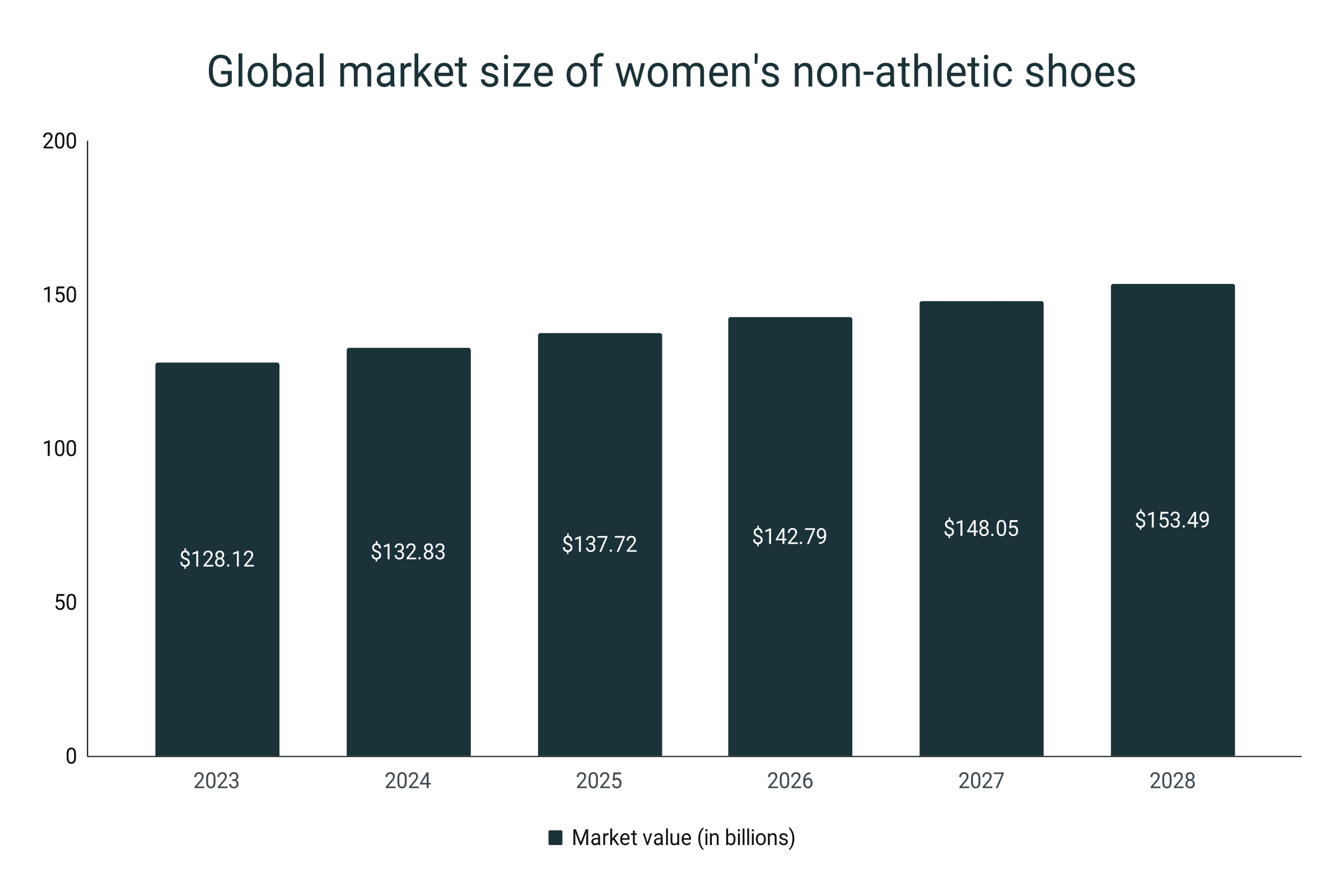
As technology continues to permeate the fashion and footwear industries, the way we calculate, interpret, and utilize sizing data is undergoing a radical transformation. This shift is moving us away from “mass-market averages” toward hyper-personalized digital profiles, fundamentally changing the user experience for millions of consumers worldwide.
The Algorithm of Comfort: How Big Data Replaced the Physical Ruler
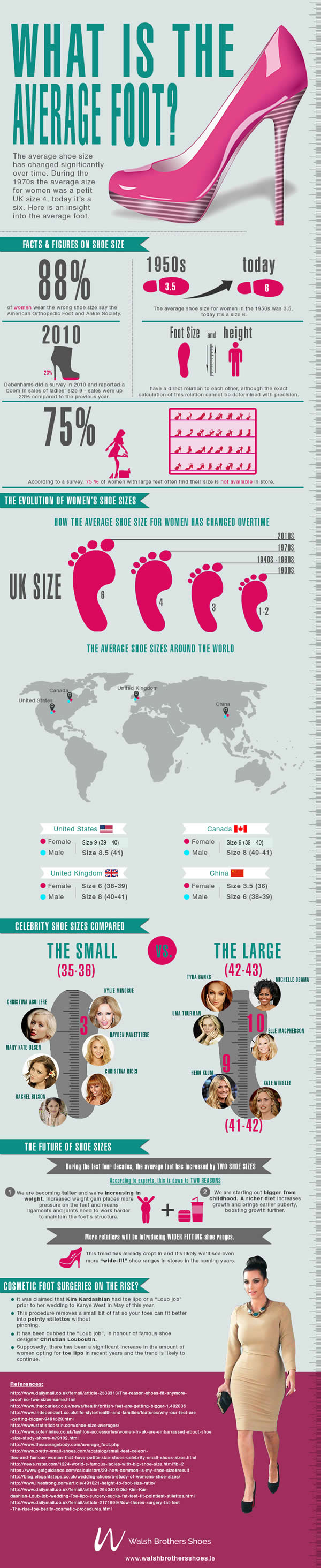
The transition from manual measurement to digital data collection has provided a much clearer picture of what the “average” woman’s foot actually looks like. Historically, footwear brands relied on outdated surveys or limited sample sets. Today, technology companies leverage “Big Data” to aggregate millions of foot scans, revealing that the average size is not a fixed point, but a shifting variable influenced by geography, demographics, and even lifestyle changes.
From Manual Measurement to Digital Precision
In the traditional retail model, the average was a “best guess” based on sales volume. If size 8 sold the most, it was the average. However, this failed to account for “lost sales”—women who didn’t buy because their size wasn’t in stock. Modern tech solutions like Volumental and True Fit have revolutionized this by capturing the actual dimensions of the foot regardless of the purchase.
Using 3D scanning pedestals in stores, these platforms have compiled the world’s largest databases of foot shapes. This technology doesn’t just measure length; it captures arch height, ball width, and instep girth. This high-fidelity data has revealed that the “average” woman’s foot has actually increased in size over the last century due to improved nutrition and health, a trend that was only quantifiable once tech-driven measurement became the industry standard.
Aggregating Global Biometric Data
The power of these technologies lies in their ability to aggregate data across borders. Tech-centric footwear brands now use cloud-based analytics to see how the average size fluctuates by region. For instance, data might show that the average size in the North American market trends toward a 9B, while European data suggests a different volumetric average. By applying machine learning to these datasets, software can predict future sizing trends, allowing tech-enabled supply chains to adjust production before a shift in the “average” even becomes apparent to the human eye.
AI-Driven Personalization: Moving Beyond the Standard Size
If the “average” shoe size is a 9, why do so many women struggle to find a fit? The answer lies in the limitations of 2D sizing. Technology is solving this through Artificial Intelligence (AI) and Computer Vision, moving the industry from a “one-size-fits-most” average to a “size-of-one” philosophy.
Computer Vision and Smartphone 3D Scanning
Perhaps the most significant tech trend in footwear is the democratization of 3D scanning via the smartphone. Apps now utilize the same LiDAR (Light Detection and Ranging) technology found in autonomous vehicles to create a 3D model of a user’s foot. By simply taking a few photos, a consumer can generate a “Digital Twin” of their feet.
AI algorithms then compare this digital twin against the “average” model and, more importantly, against the internal volume of thousands of different shoe styles. This eliminates the ambiguity of the average. If a woman is an 8.5 but the shoe she wants runs small, the AI recognizes the discrepancy and recommends a 9. This level of precision is only possible through deep learning models that have been trained on millions of successful (and unsuccessful) fit outcomes.
Predictive Analytics in E-commerce Sizing
E-commerce giants are now using predictive analytics to solve the “bracketing” problem—where a customer buys three different sizes and returns two. By analyzing the “average” return rate for specific sizes, AI tools can nudge users toward the correct fit. These tools look at a user’s past purchase history, brand-specific size variations, and even real-time feedback from other users with similar foot dimensions. This creates a feedback loop where the “average” is constantly refined by the software, leading to higher customer satisfaction and a significant reduction in digital friction.
The Internet of Footwear: Smart Shoes and the Future of Customization
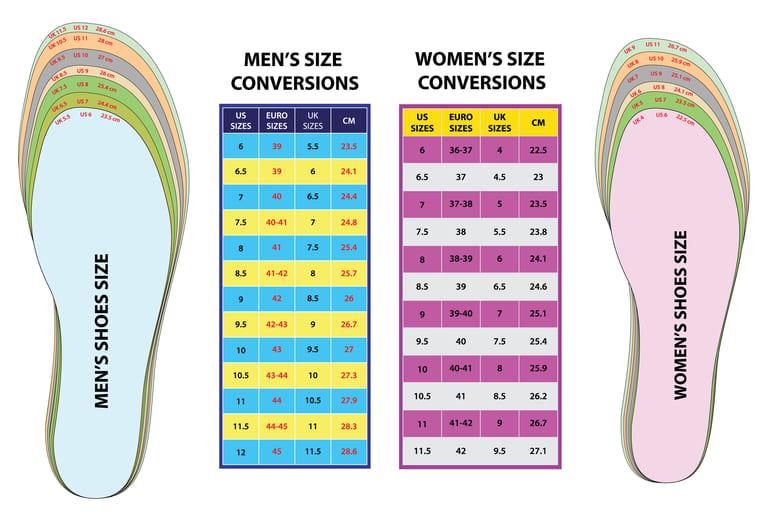
The concept of an “average” becomes even more nuanced when we look at the rise of smart footwear and the Internet of Things (IoT). In this niche, technology is embedded directly into the product to monitor how a “size 8.5” actually performs in the real world.
Sensors and Real-Time Fit Adjustments
Smart shoes, equipped with pressure sensors and accelerometers, are now capable of collecting data on how a foot expands and moves during a run or a workday. Companies like Nike have experimented with “Adapt” technology—electronic lacing systems that adjust the fit of the shoe in real-time based on the foot’s swelling or movement patterns.
This tech recognizes that a woman’s “average” size might change throughout the day. By using micro-processors to tighten or loosen the fit, the shoe becomes a dynamic piece of hardware. The data harvested from these smart shoes is then sent back to designers, who use it to refine the “average” last (the mechanical form used to shape a shoe), ensuring that future iterations are based on how feet actually behave, rather than how they look at rest.
Digital Twins and the Future of Custom Manufacturing
We are approaching an era where the “average” shoe size will be irrelevant for high-end consumers. Through 3D printing and “On-Demand” manufacturing software, shoes can be printed based on the specific digital twin of a customer.
This tech-driven shift relies on “additive manufacturing” (3D printing). Instead of a brand making 10,000 pairs of the average size 8, they can hold “digital inventory” and print a size 8.27 on demand. This convergence of biometric data and robotic manufacturing represents the pinnacle of tech integration in the footwear space, where the software is the architect and the hardware (the 3D printer) is the builder.
The Tech-Driven Sustainability of Perfect Sizing
Understanding the average shoe size through a technological lens isn’t just about comfort—it’s about the bottom line and environmental impact. The tech industry is currently focusing on “Precision Fit” as a primary driver of corporate sustainability.
Reducing the Carbon Footprint of Returns
In the footwear industry, returns are a logistical and environmental nightmare. Approximately 30-40% of online shoe purchases are returned, mostly due to fit issues related to the “average” sizing system. Tech platforms are tackling this by using AI to predict “fit risk.”
By providing highly accurate, tech-validated sizing recommendations, brands can significantly reduce the number of shoes being shipped back and forth. This reduces the carbon emissions associated with reverse logistics. Software that helps a woman find her “true” size rather than her “average” size is effectively a green technology, optimizing the global supply chain through data accuracy.
Optimized Inventory through Machine Learning
Finally, technology allows for the “smart” distribution of sizes. Machine learning algorithms analyze regional data to determine where specific sizes are most in demand. If data shows that the “average” size in a specific urban tech hub is trending larger, the inventory management software automatically reroutes stock to that location.
This prevents “deadstock”—unsold shoes that eventually end up in landfills. By using predictive modeling to align production with the actual “average” of a specific micro-market, technology ensures that every shoe manufactured has a high probability of being worn.
Conclusion: The Data-Driven Evolution of the Average
In conclusion, while the “average shoe size for a woman” may seem like a simple statistic, it is actually a cornerstone of modern retail technology. From the AI that recommends a purchase to the 3D printers that may one day create it, technology has transformed the way we perceive and interact with our own measurements.
We are moving into an era where “average” is merely a starting point—a baseline from which sophisticated software and hardware build a personalized, efficient, and sustainable world of footwear. As 3D scanning becomes more ubiquitous and AI models become more refined, the gap between the “average” and the “individual” will continue to close, ensuring that every woman, regardless of her size, can find the perfect fit through the power of technology.
aViewFromTheCave is a participant in the Amazon Services LLC Associates Program, an affiliate advertising program designed to provide a means for sites to earn advertising fees by advertising and linking to Amazon.com. Amazon, the Amazon logo, AmazonSupply, and the AmazonSupply logo are trademarks of Amazon.com, Inc. or its affiliates. As an Amazon Associate we earn affiliate commissions from qualifying purchases.