
Navigating the landscape of homeownership often begins with a fundamental question: “What’s the average mortgage rate right now?” This seemingly simple query unlocks a complex web of economic indicators, personal financial circumstances, and market dynamics that dictate the cost of borrowing for one of life’s most significant investments. Understanding the current average, and more importantly, the myriad factors influencing it, is crucial for anyone looking to buy a home, refinance an existing mortgage, or simply stay informed about their financial health. While pinpointing an exact, universally applicable real-time average is challenging due to constant fluctuations and individual borrower specifics, this article will provide a comprehensive framework for understanding prevailing rates, their drivers, and how to position yourself to secure the most favorable terms.
Understanding Current Mortgage Rate Dynamics
The concept of an “average mortgage rate” is a valuable benchmark, but it’s essential to understand its fluidity and the forces that shape it. Unlike a fixed price tag, mortgage rates are dynamic, influenced by a confluence of global and domestic economic conditions.
The Snapshot: A General Overview
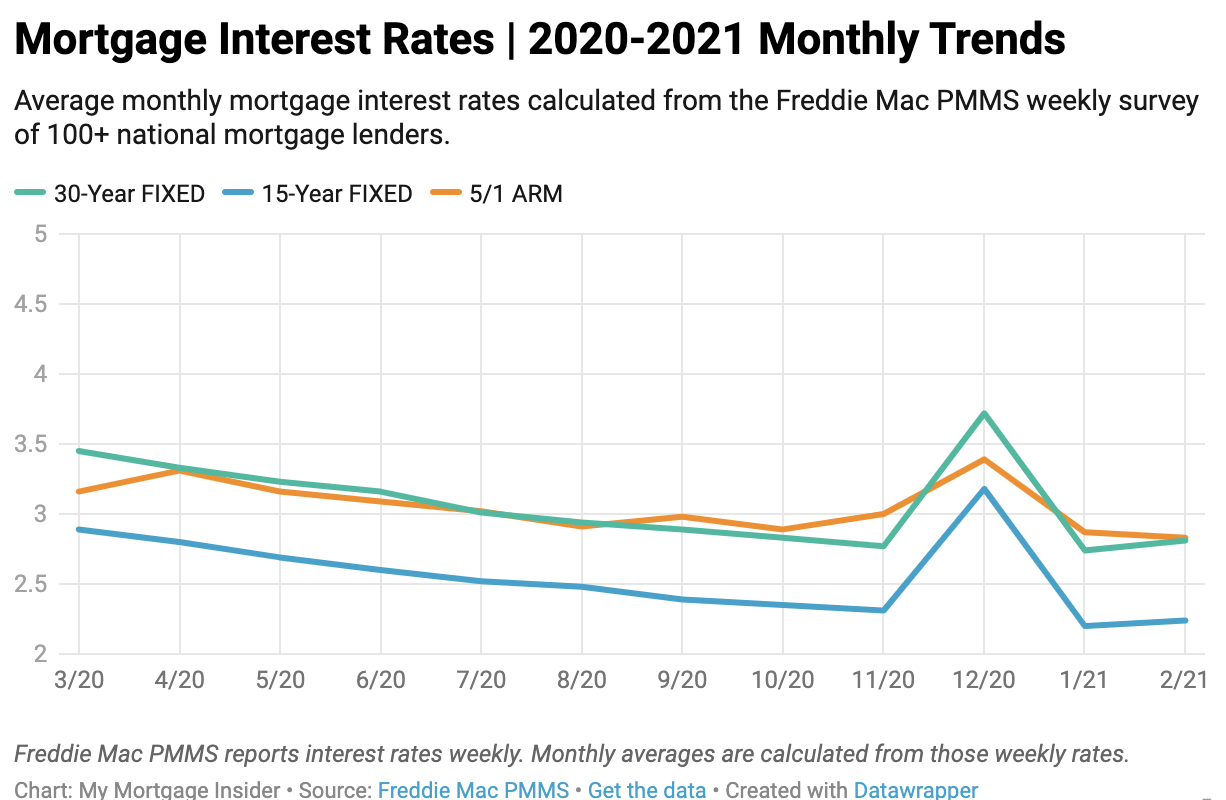
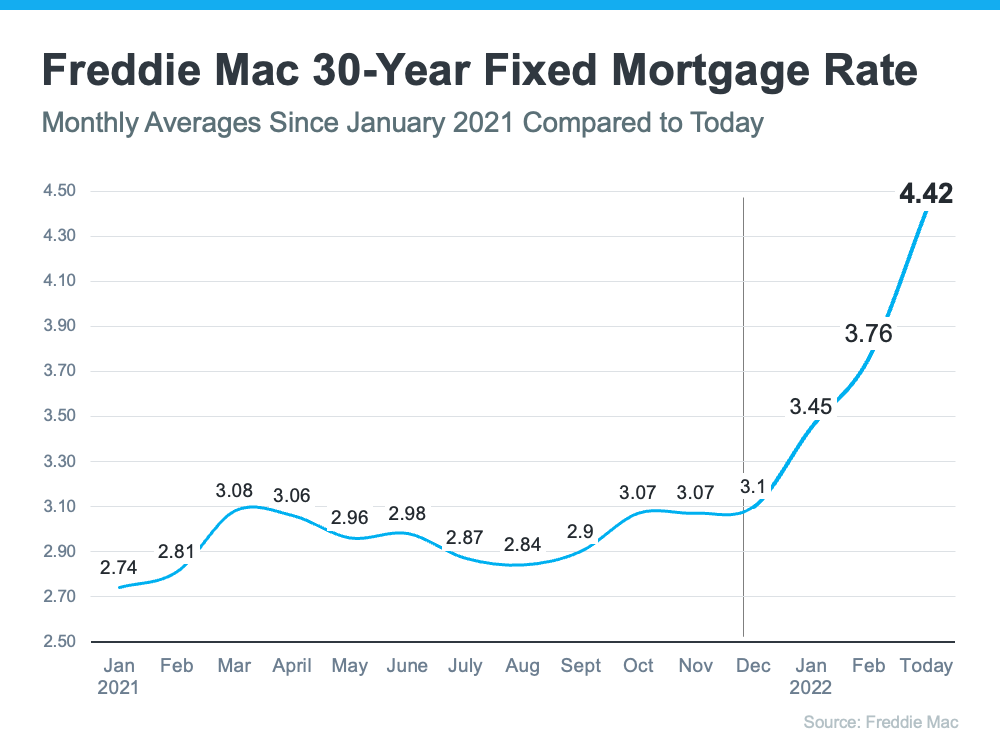
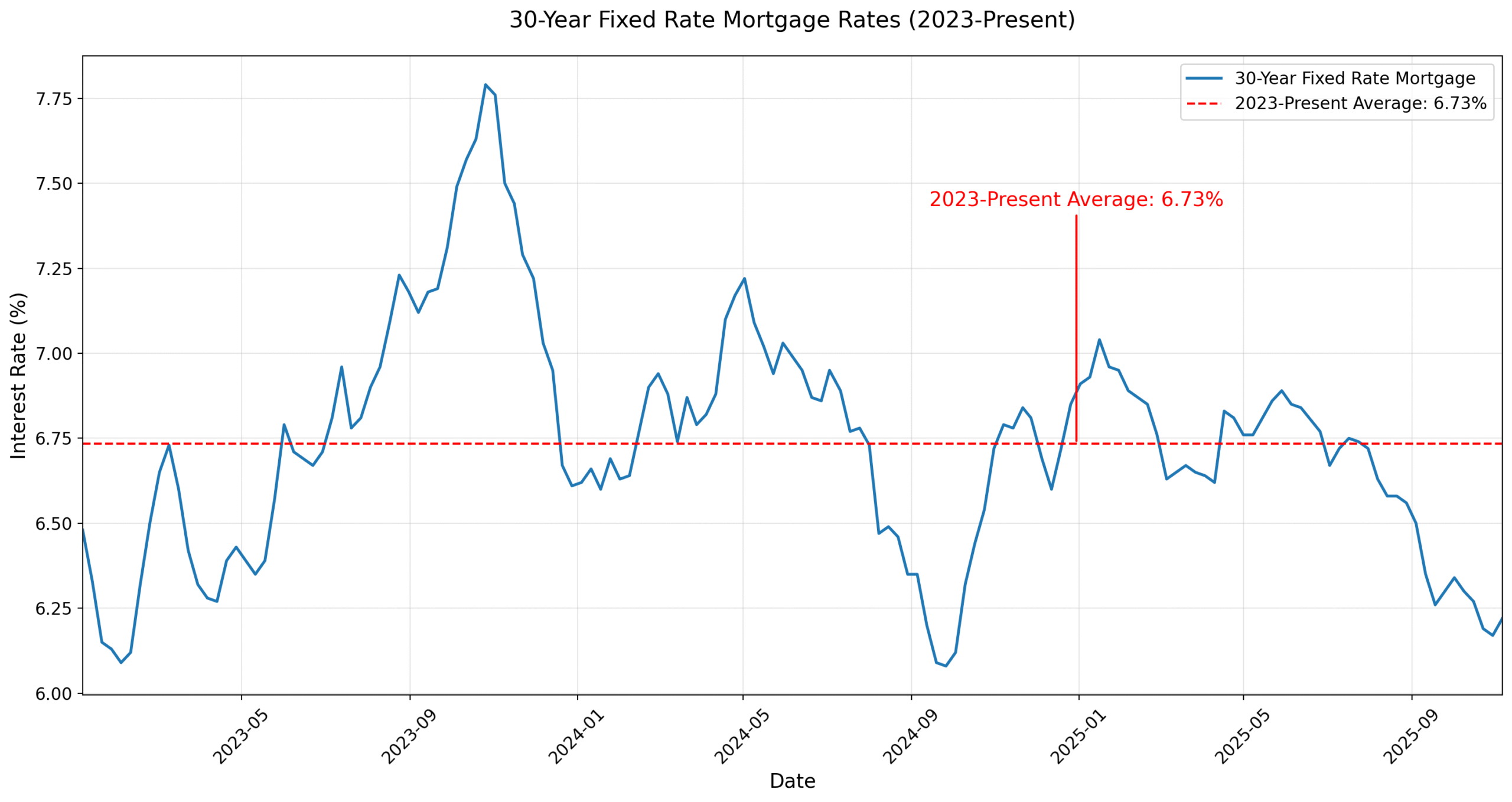
Typically, when people refer to the average mortgage rate, they are most often talking about the 30-year fixed-rate mortgage (FRM), as it is the most popular choice for homebuyers due to its predictable monthly payments and longer amortization period. While exact real-time figures fluctuate daily, and even hourly, reputable financial news outlets and mortgage lenders regularly publish national averages. These averages are usually compiled from surveys of major lenders, providing a general indication of where rates stand. For instance, a common report might show the average 30-year fixed rate hovering within a certain percentage range, say, 6.5% to 7.5%, depending on the current economic climate. It’s important to note that these averages are for prime borrowers with excellent credit scores and substantial down payments.
Why ‘Average’ is a Moving Target
The “average” is merely a midpoint, and individual rates can vary significantly above or below it. This variance stems from several factors:
-
Daily Fluctuations: Mortgage rates are highly sensitive to bond market performance, particularly the 10-year Treasury yield, which changes throughout the trading day.
-
Lender Variations: Different lenders have different cost structures, risk appetites, and pricing strategies, leading to variations in the rates they offer.
-
Loan Product Diversity: Rates differ between 30-year fixed, 15-year fixed, and various adjustable-rate mortgage (ARM) products.
-
Borrower-Specific Factors: As we’ll discuss later, your credit score, down payment, and debt-to-income ratio all play a critical role in determining your personalized rate.
Key Influencers: A Macro Perspective
At a macro level, several powerful economic forces constantly tug at mortgage rates:
-
The Federal Reserve: While the Fed doesn’t directly set mortgage rates, its monetary policy decisions (like setting the federal funds rate) influence the broader interest rate environment, impacting short-term lending rates and indirectly influencing longer-term mortgage rates.
-
Inflation: Expectations about future inflation are a significant driver. Lenders charge higher rates when they anticipate inflation to ensure the purchasing power of their returns isn’t eroded.
-
The Bond Market: Mortgage rates are closely tied to the yields on mortgage-backed securities (MBS) and the U.S. Treasury bonds. When bond yields rise, mortgage rates typically follow suit.
-
Economic Strength: A strong economy often signals higher inflation and prompts the Fed to tighten monetary policy, which can push rates up. Conversely, signs of an economic slowdown or recession can sometimes lead to lower rates as investors seek the safety of bonds.
The Core Factors Driving Mortgage Rates
Understanding the broader economic landscape is paramount to grasping why mortgage rates are where they are. Several interconnected factors exert a powerful influence.
The Federal Reserve and Monetary Policy
The Federal Reserve, the central bank of the United States, plays a pivotal role in shaping the interest rate environment. Through its Federal Open Market Committee (FOMC), the Fed sets the federal funds rate, which is the target rate for overnight borrowing between banks. While this is a short-term rate, changes here ripple through the financial system, influencing everything from credit card interest rates to auto loans, and by extension, influencing longer-term rates like mortgages. When the Fed raises rates to combat inflation, the cost of borrowing for banks increases, which they then pass on to consumers in the form of higher loan rates. Conversely, when the Fed cuts rates to stimulate economic growth, borrowing becomes cheaper.
Inflation Expectations
Perhaps no single factor impacts mortgage rates more directly than inflation expectations. Lenders need to ensure that the return they receive on a long-term loan (like a mortgage) outpaces inflation, preserving the real value of their money. If lenders anticipate higher inflation in the future, they will demand a higher interest rate today to compensate for the anticipated loss of purchasing power. Conversely, if inflation is expected to remain low or even fall, rates might stabilize or decline. Economic data points like the Consumer Price Index (CPI) and Producer Price Index (PPI) are closely watched for clues about inflationary pressures.
The 10-Year Treasury Yield
The yield on the 10-year U.S. Treasury bond is often considered the most important benchmark for long-term fixed mortgage rates. This is because mortgage-backed securities (MBS), which are bundles of home loans sold to investors, compete with Treasury bonds for investor dollars. As the yield on the 10-year Treasury rises or falls, MBS yields tend to move in the same direction, directly impacting the rates lenders offer for fixed-rate mortgages. When investors view Treasury bonds as less attractive (e.g., due to rising inflation or a strong stock market), their yields rise, typically pulling mortgage rates higher.
Economic Growth and Stability
A robust economy with strong job growth and rising wages generally correlates with higher mortgage rates. This is because a strong economy can lead to higher demand for credit, increased inflation, and potentially, a more aggressive Fed policy. Conversely, during periods of economic uncertainty, recession fears, or global crises, investors often flock to the relative safety of U.S. Treasury bonds, which drives down Treasury yields and can, in turn, lead to lower mortgage rates. However, this is a nuanced relationship; a very weak economy might also lead to tighter lending standards, making it harder to qualify for even lower rates.
Navigating Different Mortgage Products and Their Rates
The “average” mortgage rate typically refers to the 30-year fixed, but it’s crucial to understand that various mortgage products exist, each with its own rate structure and implications for your financial planning.
Fixed-Rate Mortgages: Predictability and Peace of Mind
Fixed-rate mortgages (FRMs) are the most popular choice, offering a consistent interest rate and monthly payment for the entire life of the loan. This predictability makes budgeting easier and protects borrowers from potential rate increases.
-
30-Year Fixed: The most common option, offering lower monthly payments due to the extended repayment period, though typically accruing more interest over the loan’s life.
-
15-Year Fixed: Features higher monthly payments but a significantly lower total interest cost over the life of the loan. Rates for 15-year fixed mortgages are generally lower than 30-year fixed rates because lenders face less interest rate risk over a shorter term.
Adjustable-Rate Mortgages (ARMs): Initial Savings, Potential Risks
Adjustable-rate mortgages (ARMs) offer an initial fixed interest rate for a set period (e.g., 5, 7, or 10 years), after which the rate adjusts periodically based on a predetermined index (like SOFR – Secured Overnight Financing Rate) plus a margin.
-
5/1, 7/1 ARMs: The first number indicates the initial fixed-rate period in years, and the second number indicates how frequently the rate adjusts thereafter (e.g., annually).
-
Benefits: ARMs often start with a lower interest rate than fixed-rate mortgages, making them attractive for borrowers who plan to sell or refinance before the fixed period ends, or those who anticipate their income increasing significantly.
-
Risks: The primary risk is that rates could rise substantially after the fixed period, leading to significantly higher monthly payments. Most ARMs have caps on how much the rate can adjust per period and over the life of the loan.
Government-Backed Loans: FHA, VA, USDA
These loans are insured or guaranteed by government agencies, making them accessible to a broader range of borrowers, often with more flexible qualification criteria.
-
FHA Loans: Insured by the Federal Housing Administration, these loans require a lower down payment (as little as 3.5%) and are more forgiving for borrowers with lower credit scores. Rates are competitive but typically come with mortgage insurance premiums (MIP).
-
VA Loans: Guaranteed by the Department of Veterans Affairs, these loans are available to eligible veterans, active-duty service members, and surviving spouses. They offer significant benefits, including no down payment requirements and no private mortgage insurance (PMI), often with very competitive rates.
-
USDA Loans: Backed by the U.S. Department of Agriculture, these loans are designed for low-to-moderate-income buyers in eligible rural areas. They also offer no down payment options for qualified borrowers. Rates are typically competitive, similar to FHA and VA loans.
Jumbo Loans: For High-Value Properties
Jumbo loans are non-conforming mortgages that exceed the conforming loan limits set by Fannie Mae and Freddie Mac. These are used for purchasing high-value properties and are considered riskier by lenders.
-
Characteristics: Jumbo loans typically require higher credit scores, larger down payments, and more substantial financial reserves from borrowers.
-
Rate Implications: Rates on jumbo loans can sometimes be slightly higher or comparable to conforming loan rates, depending on the market and the borrower’s profile.
Beyond the Average: Factors Affecting Your Personal Rate
While economic forces set the general “average,” your individual financial profile is the ultimate determinant of the interest rate you’ll be offered. Lenders assess your risk as a borrower, and the better your financial standing, the lower the rate you’re likely to receive.
Your Credit Score: The Gateway to Better Rates
Your FICO credit score is arguably the single most important factor. It’s a numerical representation of your creditworthiness, reflecting your payment history, amounts owed, length of credit history, new credit, and credit mix.
- Impact: Borrowers with excellent credit scores (generally 740+) are perceived as lower risk and qualify for the lowest available rates. Scores below this benchmark will typically result in higher rates, as lenders price in the increased risk of default. It’s not uncommon for a difference of 50-100 points in your credit score to translate into a difference of a quarter-point or more on your interest rate.
Down Payment Size: Lower LTV, Lower Risk
The amount of money you put down upfront, relative to the home’s purchase price, significantly impacts your loan-to-value (LTV) ratio.
- Impact: A larger down payment (e.g., 20% or more) means a lower LTV ratio, reducing the lender’s risk. This often translates to a lower interest rate and also helps you avoid private mortgage insurance (PMI) on conventional loans. Conversely, a smaller down payment increases the lender’s risk and will likely result in a higher interest rate and mandatory PMI.
Loan-to-Value (LTV) Ratio
The LTV ratio is simply the loan amount divided by the home’s appraised value. Lenders use this to assess the risk of your mortgage.
- Effect: A lower LTV (meaning you have more equity) generally means a lower risk for the lender, which can lead to a more favorable interest rate.
Debt-to-Income (DTI) Ratio
Your debt-to-income (DTI) ratio is a measure of your monthly debt payments divided by your gross monthly income. Lenders use it to gauge your ability to manage monthly payments.
- Implications: A lower DTI (typically below 43-45%) indicates that you have ample income to cover your debts, including the new mortgage payment. A higher DTI ratio signals a greater risk of financial strain, potentially leading to a higher interest rate or even loan denial.
Loan Term and Type
As discussed, 15-year fixed mortgages usually have lower rates than 30-year fixed mortgages. Similarly, ARMs often start with lower rates than fixed-rate products. Your choice here directly influences the rate offered.
Lender and Loan Officer
Believe it or not, the specific lender and even the loan officer you work with can influence the rate you receive. Different lenders have different pricing models, overheads, and appetites for risk. Some may be more competitive in certain market segments or for specific loan products.
Strategies for Securing the Best Mortgage Rate
Given the significant impact a mortgage rate has on your monthly payments and total interest paid over decades, taking proactive steps to secure the best possible rate is a smart financial move.
Shop Around Extensively
This is perhaps the most crucial strategy. Do not settle for the first quote you receive.
-
Get Multiple Quotes: Contact at least three to five different lenders – including large banks, credit unions, and independent mortgage brokers. Each lender has different pricing and underwriting guidelines.
-
Compare Apples to Apples: Obtain a Loan Estimate document from each lender. This standardized form allows you to easily compare interest rates, points, fees, and other closing costs. Pay close attention to the Annual Percentage Rate (APR), which reflects the true cost of the loan, including fees.
Optimize Your Financial Profile
Before you even apply for a mortgage, take steps to improve your financial standing.
-
Improve Your Credit Score: Pay bills on time, reduce credit card balances, avoid opening new credit accounts, and check your credit report for errors. A higher score directly translates to a lower rate.
-
Reduce Your Debt-to-Income Ratio: Pay down existing debts, especially high-interest credit card balances. This frees up more of your income for mortgage payments and signals to lenders that you’re a responsible borrower.
-
Increase Your Down Payment: The more you can put down, the lower your LTV, which can result in a better rate and potentially eliminate PMI.
Consider Mortgage Points
Mortgage points, or discount points, are fees paid to the lender at closing in exchange for a lower interest rate over the life of the loan. One point typically equals 1% of the loan amount.
- Analysis: Calculate the breakeven point to determine if paying points is worthwhile. Divide the cost of the points by the monthly savings to see how long it takes to recoup the initial expense. If you plan to stay in the home for a long time, paying points can often save you money in the long run.
Timing the Market
While predicting market movements is notoriously difficult, staying informed about economic forecasts and Fed policy expectations can help you understand potential rate trends.
-
Economic News: Keep an eye on inflation reports, job numbers, and statements from the Federal Reserve. These indicators often precede shifts in mortgage rates.
-
Rate Lock: Once you have a pre-approval, you can often “lock in” an interest rate for a specific period (e.g., 30-60 days) to protect yourself from rising rates while your loan processes. Understand the terms of the rate lock, including any fees or conditions for extensions.
Professional Guidance: Mortgage Brokers vs. Direct Lenders
-
Mortgage Brokers: They work with multiple lenders and can shop around on your behalf to find the best rates and loan products that fit your needs. They can be particularly helpful for complex financial situations.
-
Direct Lenders: These include banks, credit unions, and online lenders. While you might not get the comparative shopping benefit directly, some direct lenders offer competitive rates and streamlined processes, especially if you have an existing relationship with them.
The Future Outlook: What to Expect
Predicting the precise movement of mortgage rates is akin to predicting the weather months in advance—it’s an inexact science. However, we can analyze prevailing economic conditions and expert consensus to form a reasonable expectation of future trends.
Economic Forecasts and Expert Predictions
Economists and financial analysts constantly issue forecasts for mortgage rates based on their outlook for inflation, economic growth, and Federal Reserve policy. The general sentiment often points towards rates remaining sensitive to inflation data and the Fed’s stance. If inflation proves persistent, the Fed may continue to keep rates higher for longer, which would likely mean elevated mortgage rates. Conversely, if inflation cools significantly and the economy shows signs of slowing, the Fed might consider rate cuts, potentially leading to a decrease in mortgage rates. Geopolitical events also frequently introduce unforeseen volatility into financial markets.
Potential Shifts in Monetary Policy
The Federal Reserve’s actions remain a cornerstone of mortgage rate forecasting. Any signal from the Fed regarding future interest rate hikes, pauses, or cuts will have an immediate impact on bond markets and, subsequently, mortgage rates. Market participants often try to “price in” anticipated Fed actions, meaning rates can move even before an official announcement. Understanding the Fed’s dual mandate (maximum employment and price stability) is key to interpreting their potential next moves.
Preparing for Rate Volatility
Given the inherent unpredictability of the market, the best approach for potential homebuyers and refinancers is to prepare for volatility.
-
Stay Flexible: Don’t get fixated on a specific rate. Focus on what you can comfortably afford and be prepared for rates to fluctuate during your home search or refinancing process.
-
Financial Health: Continuously work on improving your credit score and reducing your DTI. A strong financial profile gives you more leverage regardless of market conditions.
-
Pre-Approval: Obtain a mortgage pre-approval to understand your borrowing capacity and lock in a rate if you find one that’s acceptable and you plan to close within the lock period. This provides certainty in a volatile market.
-
Long-Term View: For most homeowners, a mortgage is a 15-to-30-year commitment. While the current rate is important, consider your long-term financial goals and risk tolerance when choosing a loan product. If rates drop significantly in the future, refinancing remains an option.
In conclusion, “what’s the average mortgage rate right now” is a crucial question, but its answer is multifaceted. It’s a number that reflects global economic forces, national monetary policy, and your personal financial standing. By understanding these dynamics and implementing smart financial strategies, you can navigate the mortgage market with confidence and secure a rate that aligns with your financial goals and helps you achieve your homeownership dreams.
aViewFromTheCave is a participant in the Amazon Services LLC Associates Program, an affiliate advertising program designed to provide a means for sites to earn advertising fees by advertising and linking to Amazon.com. Amazon, the Amazon logo, AmazonSupply, and the AmazonSupply logo are trademarks of Amazon.com, Inc. or its affiliates. As an Amazon Associate we earn affiliate commissions from qualifying purchases.