
The traditional understanding of the menstrual cycle has long been summarized by a single, static number: 28 days. For decades, medical textbooks and rudimentary health education have treated this figure as the universal gold standard. However, as we move deeper into the era of digital health, technology is dismantling these generalizations. By leveraging big data, sophisticated algorithms, and advanced wearable sensors, the field of “FemTech” (Female Technology) is providing a much more nuanced answer to the question: what is the average length of a woman’s cycle?
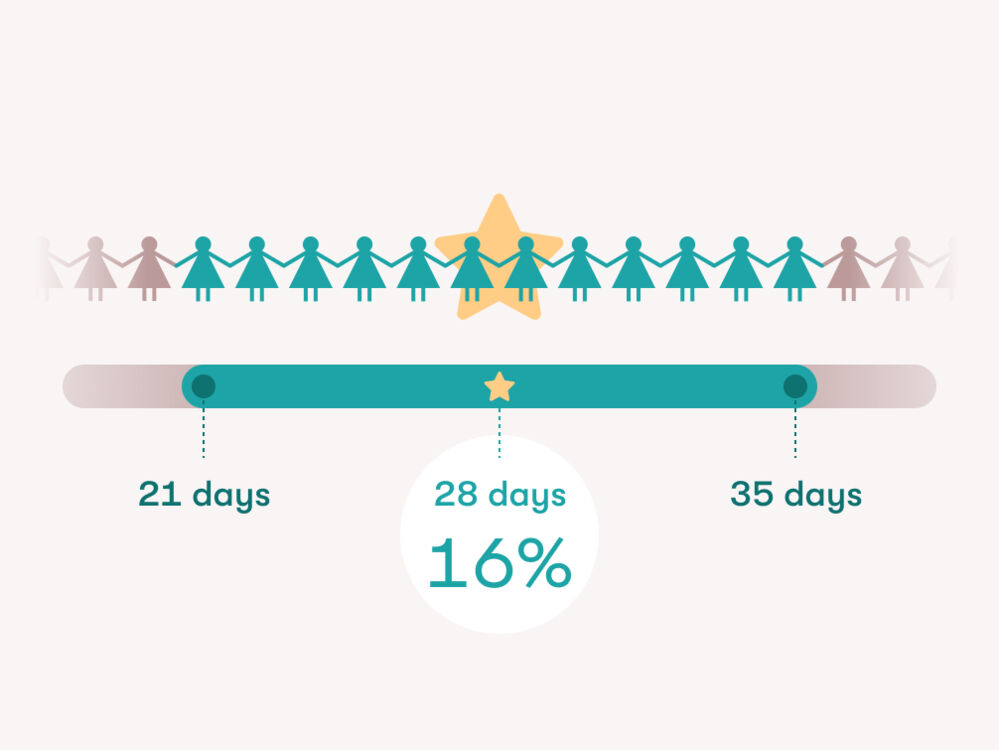
Through the lens of modern technology, we are discovering that the “average” is less of a fixed point and more of a fluid spectrum. This shift from manual tracking to data-driven insights is not just a matter of convenience; it represents a fundamental change in how reproductive health is monitored, understood, and managed.
The Data Revolution in Menstrual Health
Before the advent of smartphones, tracking a menstrual cycle was a manual, often inconsistent process involving paper calendars and memory. This lack of precise data contributed to the persistence of the 28-day myth. Today, with millions of users logging their biological data into apps, we have access to the largest datasets on reproductive health in human history.
From Paper Logs to Predictive Algorithms
The transition from analog to digital tracking has allowed for the collection of longitudinal data—information gathered from the same subjects over a long period. Tech platforms like Clue, Natural Cycles, and Flo have aggregated billions of data points. These platforms use predictive algorithms that do not just look at the last month’s data but analyze years of cycles to project future dates.
Unlike a paper calendar, these algorithms account for “noise” in the data, such as a one-off late period caused by stress or illness, and adjust their predictions accordingly. This technological shift has moved us from “guessing” to “forecasting,” treating the menstrual cycle much like a complex weather system that requires constant data input for accuracy.
Big Data vs. The “28-Day Myth”
Large-scale tech-driven studies have finally provided the empirical evidence needed to challenge historical assumptions. For example, a landmark study analyzing data from over 600,000 cycles via a tracking app revealed that only about 13% of women actually have a 28-day cycle. The actual average length across the population is approximately 29.3 days, with significant variations based on age, ethnicity, and lifestyle.
By using technology to aggregate this data, researchers can see that cycle length often fluctuates by several days even for the same individual. This “digital truth” is empowering users to understand that variation is often normal, reducing unnecessary anxiety and providing a more accurate baseline for personal health.
The Role of AI and Machine Learning in Cycle Tracking
At the heart of modern FemTech is Artificial Intelligence (AI) and Machine Learning (ML). These are not just buzzwords; they are the engines that allow software to provide personalized health insights that were previously only available through frequent visits to a specialist.
Neural Networks and Personalized Predictions
Every woman’s body is a unique biological system. Machine learning models, specifically neural networks, are adept at identifying non-linear patterns within these systems. While a standard calculator might just add 28 days to the start of the last period, an AI-driven app looks at multiple variables: basal body temperature, cervical mucus consistency, sleep patterns, and even exercise intensity.
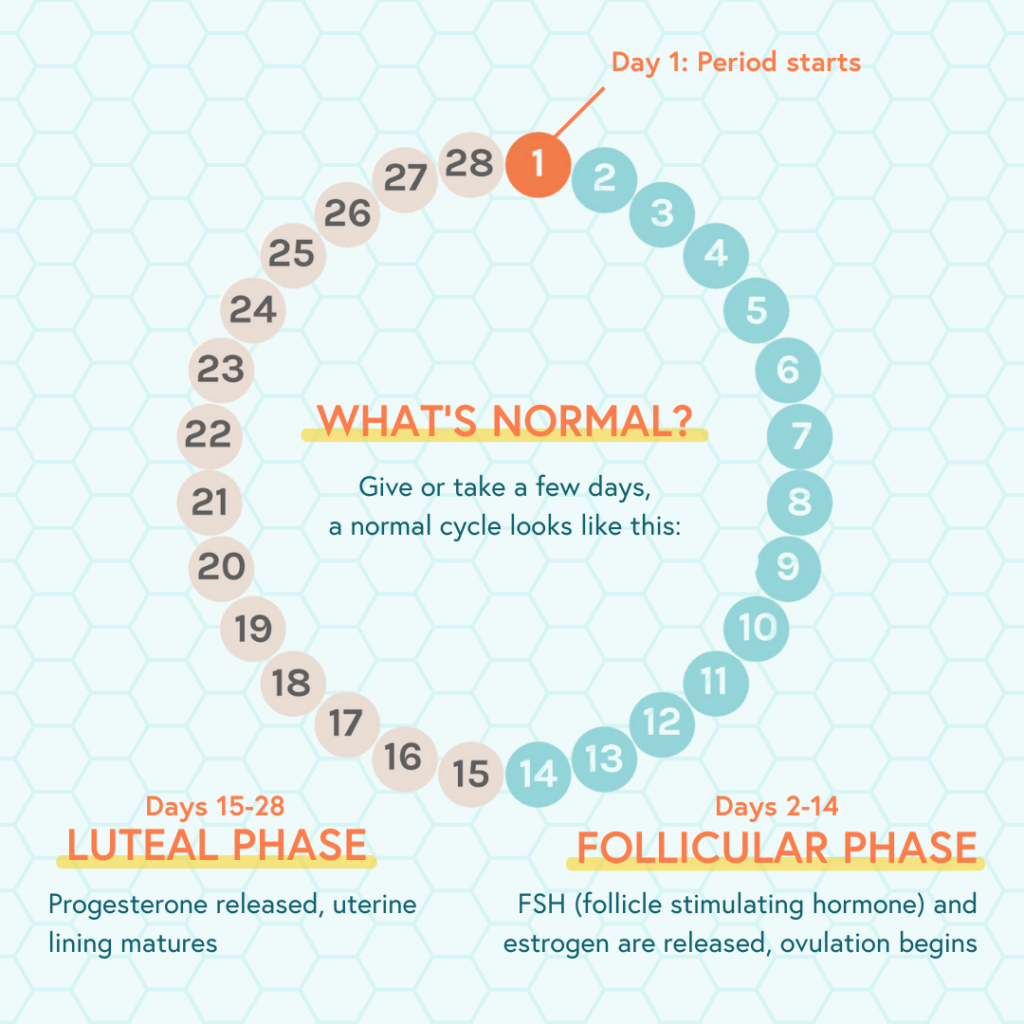
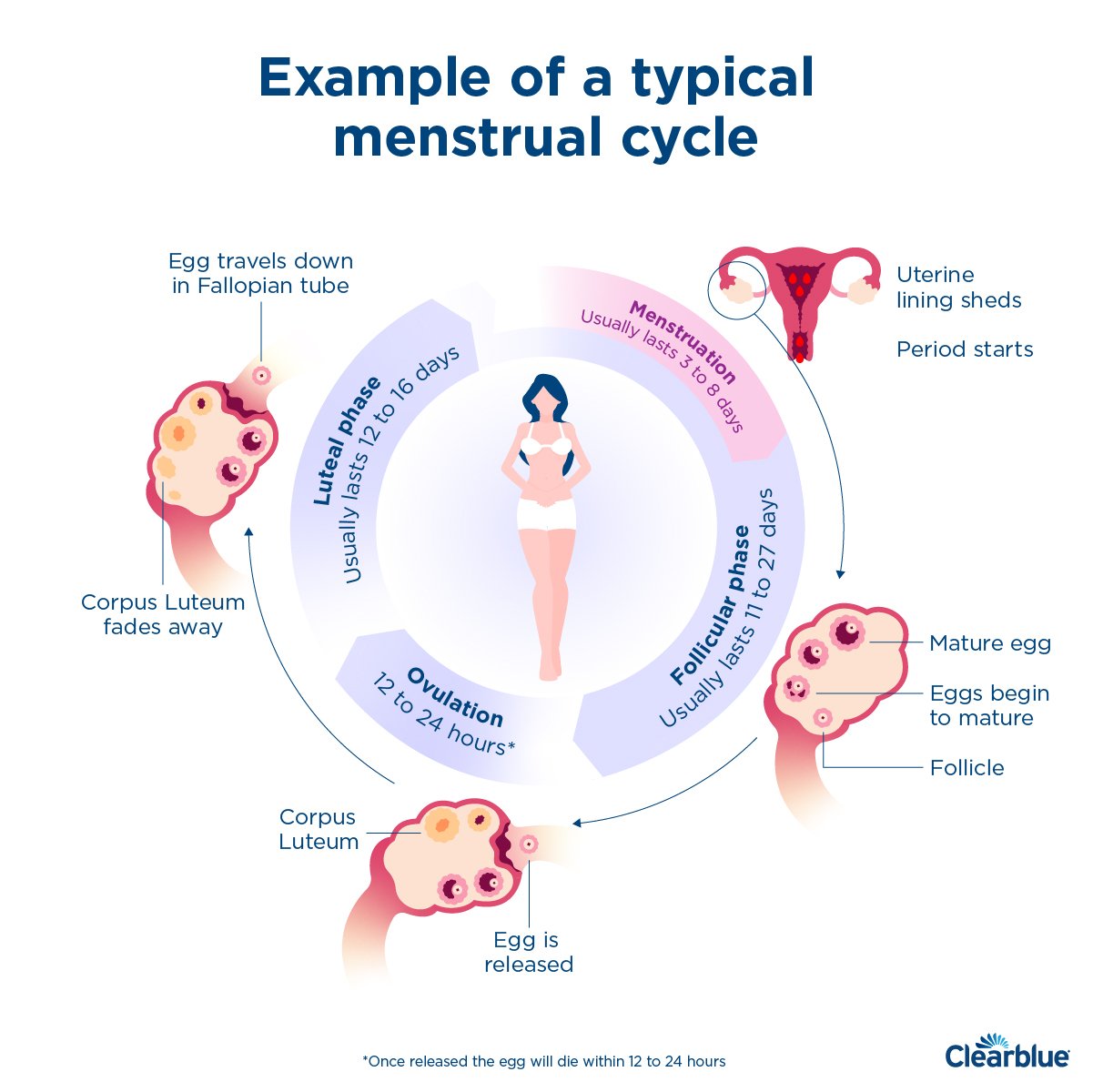
As the user inputs more data, the machine “learns” the user’s specific hormonal profile. If a user’s follicular phase (the first half of the cycle) is consistently longer than the population average, the AI adjusts the predicted ovulation window. This level of personalization is a direct result of software engineering being applied to endocrinology.
Identifying Anomalies Through Pattern Recognition
One of the most significant contributions of AI in this space is the ability to flag potential health issues before they become symptomatic. By establishing a “digital twin” of a user’s normal cycle, the software can detect subtle deviations that a human might miss.
For instance, a gradual lengthening of the cycle over six months could be an early digital biomarker for Polycystic Ovary Syndrome (PCOS) or thyroid dysfunction. Advanced pattern recognition can alert the user to consult a professional, backed by a comprehensive digital export of their data, transforming the smartphone into a powerful diagnostic support tool.
Wearable Technology and Biometric Integration
The next frontier in determining cycle length and health is the integration of hardware. Wearable devices have moved beyond counting steps to monitoring complex physiological signals that fluctuate in sync with the menstrual cycle.
Basal Body Temperature (BBT) and Optical Sensors
Traditionally, measuring basal body temperature required waking up at the same time every morning and using a manual thermometer before even getting out of bed. Tech companies have automated this process by embedding high-precision thermal sensors into rings, watches, and patches.
Devices like the Oura Ring or the Apple Watch Series 8 and Ultra use skin temperature sensors to track the microscopic rise in temperature that occurs after ovulation. Because these devices take hundreds of readings throughout the night, they provide a much smoother and more accurate data set than a single manual reading. This “passive tracking” eliminates human error and provides a high-fidelity view of the cycle’s phases, allowing for an exact determination of cycle length based on internal thermal shifts.
The Future of Passive Monitoring
Beyond temperature, wearables are beginning to monitor Heart Rate Variability (HRV) and Resting Heart Rate (RHR), both of which have been shown to fluctuate according to the phase of the menstrual cycle. In the follicular phase, HRV tends to be higher, while it often drops during the luteal phase (the period after ovulation).
By synthesizing these different streams of biometric data—temperature, heart rate, and sleep quality—technology is creating a holistic “biometric signature” for the menstrual cycle. This means the user no longer has to manually “log” their period for the tech to know where they are in their cycle; the hardware can infer it from their physiology.
Data Privacy and the Ethics of Health Tech
As we rely more on technology to define and track the average cycle, we encounter a critical technological challenge: data security. Menstrual data is among the most sensitive information a person can share with a digital platform.
Securing Sensitive Reproductive Data
The “Tech” in FemTech must prioritize robust encryption and cybersecurity frameworks. In the current global political and legal landscape, the privacy of reproductive data has moved from a technical requirement to a human rights necessity. Developers are increasingly implementing “Zero-Knowledge Architecture,” where the service provider does not have the keys to decrypt the user’s health data on their servers.
Furthermore, the rise of decentralized identifiers (DIDs) and blockchain technology offers potential pathways for users to own and control their health data, granting access to doctors or researchers only when explicitly authorized. Ensuring that an app’s backend is as secure as a banking app is now the industry standard for reputable health tech firms.
The Responsibility of FemTech Developers
With great data comes great responsibility. The developers of these tools must ensure that their algorithms are free from bias. If an algorithm is trained only on data from a specific demographic, its “average” will be inaccurate for users outside that group.
Inclusion in the development phase—ensuring diverse datasets that include different ages, body types, and medical histories—is a technical imperative. The goal of technology in this space is not to enforce a new “digital average,” but to provide the tools for every individual to discover their own personal norm.
Conclusion: The New Digital Standard
The question “what is the average length of a woman’s cycle” no longer has a simple, one-size-fits-all answer, and that is a triumph of modern technology. Through the integration of big data, artificial intelligence, and sophisticated wearables, we have moved past the era of the 28-day generalization.
Today, the “average” is personalized. It is calculated in real-time by algorithms that understand the nuances of human biology better than any static calendar ever could. As FemTech continues to evolve, the focus will remain on refining these tools to be more predictive, more passive, and more secure. By bridging the gap between biological science and digital innovation, technology is not just tracking cycles; it is empowering individuals with the data they need to take full command of their reproductive health.
aViewFromTheCave is a participant in the Amazon Services LLC Associates Program, an affiliate advertising program designed to provide a means for sites to earn advertising fees by advertising and linking to Amazon.com. Amazon, the Amazon logo, AmazonSupply, and the AmazonSupply logo are trademarks of Amazon.com, Inc. or its affiliates. As an Amazon Associate we earn affiliate commissions from qualifying purchases.