
In the increasingly crowded digital entertainment landscape, Paramount Plus stands as a significant contender, offering a diverse array of content anchored by a robust technological infrastructure. More than just a repository of films and series, it represents a sophisticated streaming ecosystem engineered to deliver high-quality media across a myriad of devices. Understanding “what’s streaming on Paramount Plus” extends beyond a simple list of titles; it delves into the technical capabilities that bring this content to life, from its content delivery mechanisms to its user interface design and device compatibility. This deep dive explores the platform’s content offerings through a tech-centric lens, examining the underlying technologies that shape the viewing experience and position Paramount Plus within the competitive streaming sphere.
The Paramount Plus Ecosystem: Content Beyond the Originals
Paramount Plus leverages a vast and continuously expanding content library, which is the direct output of complex content licensing, production, and digital asset management systems. The seamless integration of this content, from original productions to syndicated shows and live broadcasts, relies heavily on sophisticated backend databases and content management systems (CMS) that categorize, index, and make these assets searchable and streamable.
Blockbuster Films and New Releases
The platform’s film strategy is deeply integrated with its parent company, Paramount Pictures. This means subscribers often gain access to new cinematic releases shortly after their theatrical runs, sometimes exclusively. The rapid transition from cinema to streaming demands efficient digital encoding pipelines capable of preparing high-resolution film masters (often 4K HDR with multi-channel audio like Dolby Atmos) for digital distribution. These processes involve advanced video compression algorithms (e.g., H.265/HEVC) and DRM (Digital Rights Management) technologies to protect intellectual property as content moves through secure content delivery networks (CDNs). The rapid deployment of these assets ensures a timely and high-fidelity viewing experience, reflecting a significant investment in both content acquisition and the technical infrastructure to deliver it.
Deep Dive into Series and Franchises
Paramount Plus is particularly rich in its episodic content, serving as the digital home for iconic franchises like Star Trek, Yellowstone (outside of the U.S. and Canada), and NCIS, alongside a growing slate of original series. Managing hundreds of thousands of episodes, each with multiple audio tracks, subtitle options, and varying resolutions, requires a highly scalable and intelligent indexing system. Users benefit from sophisticated search functions, curated collections, and personalized recommendations powered by machine learning algorithms that analyze viewing habits and preferences. This intricate digital cataloging allows for efficient content discovery, transforming a massive library into an accessible, tailored experience for each subscriber. Furthermore, the global distribution of these series necessitates advanced geo-fencing and content localization technologies, ensuring that the correct versions of content, with appropriate licensing and language options, are served to users in different regions.
Live Sports and News Integration
A distinguishing feature of Paramount Plus is its robust offering of live sports, including UEFA Champions League, NFL, and various other leagues, alongside 24/7 news streaming from CBSN. Delivering live content presents a unique set of technological challenges distinct from on-demand video. Low latency streaming is paramount for live sports to ensure viewers experience events in near real-time. This often involves specialized live encoders, faster CDNs optimized for real-time delivery, and adaptive bitrate streaming protocols that can adjust quality on-the-fly to match the user’s internet connection. The integration of live streams into the platform’s VOD (Video On Demand) architecture requires seamless transitions and robust error handling to maintain a consistent viewer experience, even during peak traffic events like major sporting finals.
Unpacking the User Experience: Features and Accessibility
The user experience (UX) design of Paramount Plus is critical to its success, encompassing everything from interface navigation to playback capabilities and device compatibility. These elements are not merely aesthetic choices but are deeply rooted in front-end and back-end development, ensuring seamless interaction and performance.
Navigating the Interface and Personalization
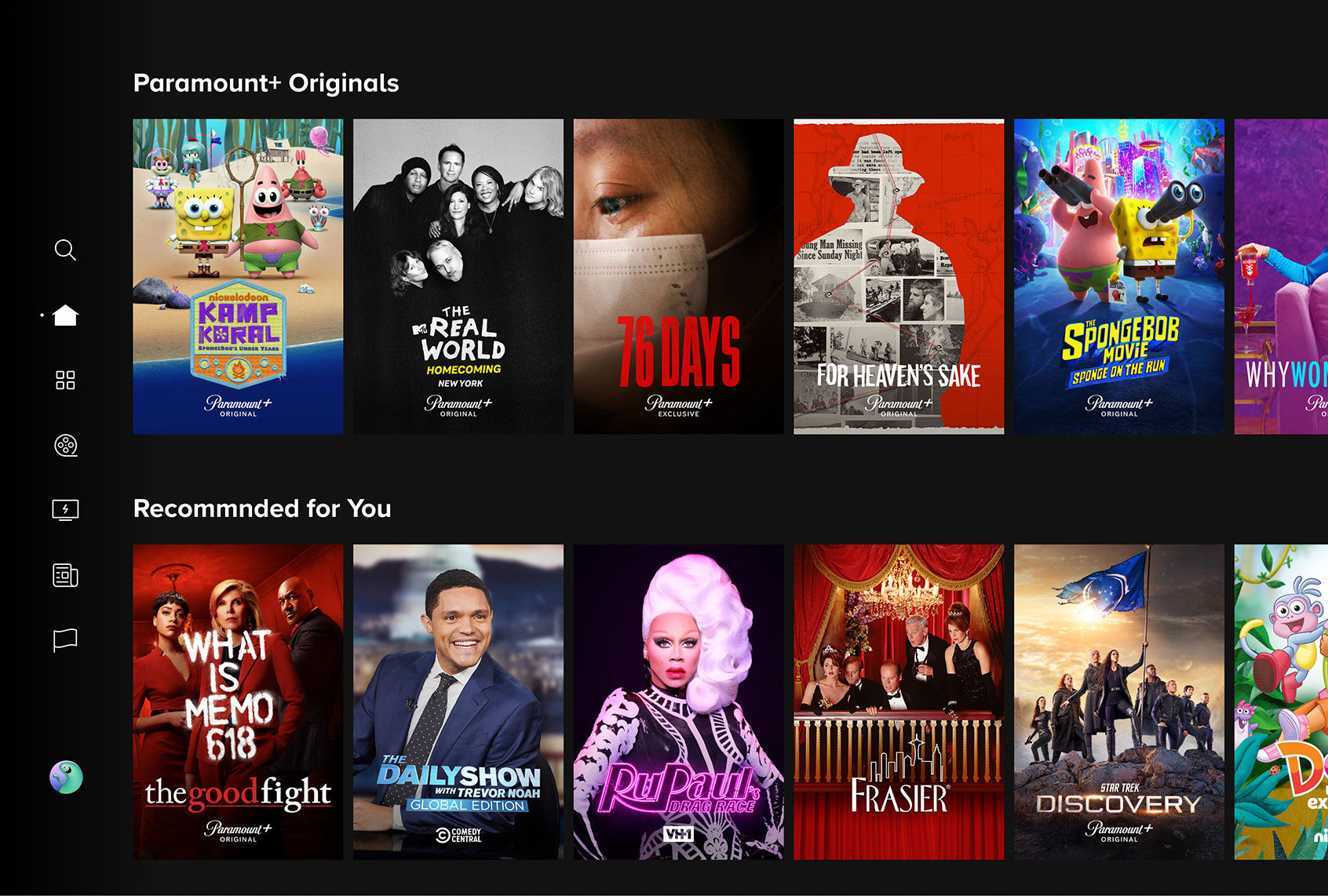
The Paramount Plus application interface is designed for intuitive content discovery. Users interact with a sophisticated front-end application built using modern web frameworks or native mobile/TV development kits. This interface typically features dynamic carousels, category rows, and dedicated hubs for major franchises. Personalization is driven by recommendation engines that leverage AI and machine learning. These engines process vast amounts of data—user viewing history, search queries, ratings, and even time spent on certain content—to generate a tailored home screen. User profiles allow multiple individuals within a household to maintain their distinct viewing preferences and watch histories, effectively creating individualized algorithmic experiences within a single subscription. Parental controls, an essential security feature, are implemented through age ratings and PIN protection, relying on robust user authentication and content metadata tagging.
Device Compatibility and Offline Viewing
Paramount Plus boasts broad device compatibility, crucial for a ubiquitous streaming experience. The service is available on smart TVs (e.g., Samsung, LG, Vizio), streaming sticks (Roku, Amazon Fire TV, Apple TV, Chromecast), gaming consoles (PlayStation, Xbox), web browsers, and mobile devices (iOS, Android). Achieving this widespread presence requires dedicated development teams creating native applications optimized for each operating system and hardware specification. The underlying codebase often uses cross-platform frameworks where possible, but significant platform-specific tuning is necessary to ensure optimal performance, resource utilization, and adherence to platform UI/UX guidelines.

The offline viewing feature, available on mobile devices, relies on secure download technologies. When a user downloads an episode or film, the content is encrypted and stored locally on the device, typically with a time-limited license managed by the DRM system. This ensures content protection while providing flexibility for users in areas with limited or no internet access.
Picture Quality and Audio Standards
Paramount Plus supports a range of picture quality options, from standard definition (SD) to high definition (HD), and increasingly, 4K Ultra HD (UHD) with HDR (High Dynamic Range) formats like Dolby Vision and HDR10. Delivering these high-fidelity visual experiences demands significant bandwidth and advanced video codecs. Adaptive bitrate (ABR) streaming is a core technology here, dynamically adjusting the video quality in real-time based on the user’s internet speed and device capabilities. This prevents buffering while delivering the best possible image. For audio, the platform often supports multi-channel surround sound, including Dolby Digital 5.1 and, for select titles, Dolby Atmos. The integration of these advanced audio technologies provides an immersive soundscape, recreating a cinematic experience at home, requiring specific audio encoding and decoding capabilities within the streaming client and playback device.
Under the Hood: Streaming Technology and Performance
The perceived quality and reliability of a streaming service like Paramount Plus are direct reflections of its underlying technological infrastructure. This includes how content is stored, delivered, and presented to the end-user.
Adaptive Streaming and Bandwidth Management
Adaptive Bitrate (ABR) streaming is a cornerstone of modern video delivery. Instead of serving a single video file, ABR systems encode the same content at multiple bitrates and resolutions. When a user begins streaming, the player continuously monitors the network conditions and device performance, switching seamlessly between these different quality versions. This dynamic adjustment ensures uninterrupted playback, minimizing buffering even when internet speeds fluctuate. Paramount Plus, like other major streamers, heavily relies on ABR to optimize bandwidth usage for both the user and the service provider, ensuring a smooth experience from a low-bandwidth mobile connection to a high-speed fiber connection.
Content Delivery Networks (CDNs) and Latency
To deliver content efficiently and with low latency to a global audience, Paramount Plus utilizes a vast network of Content Delivery Networks (CDNs). CDNs consist of geographically distributed servers that cache copies of content closer to end-users. When a user requests a video, it is served from the nearest CDN node, significantly reducing the distance data has to travel. This minimizes latency, speeds up load times, and reduces the strain on central servers. The intelligent routing of content requests to the optimal CDN server, along with robust server architecture, is critical for maintaining high availability and performance, especially during peak viewing hours or for live events with sudden spikes in demand.
Future-Proofing with New Technologies
The streaming industry is in constant evolution, and Paramount Plus invests in future-proofing its technology stack. This includes exploring more efficient video codecs beyond HEVC, such as AV1 or VVC, which promise even greater compression ratios without sacrificing quality. Research into immersive technologies like virtual reality (VR) and augmented reality (AR) for interactive content or enhanced sports viewing could shape future offerings. Furthermore, the integration with smart home ecosystems, voice commands, and advanced AI-driven content generation or recommendation could redefine the user experience, making the service more deeply embedded into users’ digital lives.
Comparative Edge: How Paramount Plus Stacks Up in the Streaming Tech Landscape
Evaluating Paramount Plus within the broader streaming market inevitably involves comparing its technological offerings with competitors. While the core technologies of streaming are similar across platforms, differences emerge in implementation, feature sets, and strategic focus.
Feature Parity with Competitors
Paramount Plus generally offers feature parity with leading competitors like Netflix, Disney+, and Max. This includes essential functionalities such as multiple user profiles, parental controls, offline downloads, 4K HDR support, and multi-channel audio. The robust search functionality and personalized recommendation engines are also on par with industry standards, powered by sophisticated data analytics and machine learning. The underlying ABR streaming and CDN infrastructure also mirrors the best practices in the industry, ensuring reliable content delivery. Where differences exist, they are often in the nuances of interface design, the depth of specific personalization features, or the breadth of device support for certain premium audio/visual formats.

Unique Selling Points in Tech Offerings
While many core features are standardized, Paramount Plus carves out unique selling points, particularly in its live content integration. The seamless incorporation of live sports (like the UEFA Champions League) and 24/7 news channels directly into the streaming app, often with dedicated hubs, provides a distinct technological advantage for users seeking a hybrid linear and on-demand experience. The technical prowess required to manage and deliver diverse content types—from pre-recorded movies to real-time broadcasts—within a unified interface is a testament to its comprehensive streaming infrastructure. Furthermore, its deep integration with the Paramount Global ecosystem allows for exclusive content windows and synchronized cross-platform promotions, leveraging technical capabilities to enhance content visibility and subscriber value. The ongoing development of its proprietary streaming platform allows for agile implementation of new features and optimization, ensuring it remains competitive in a rapidly evolving technological landscape.
aViewFromTheCave is a participant in the Amazon Services LLC Associates Program, an affiliate advertising program designed to provide a means for sites to earn advertising fees by advertising and linking to Amazon.com. Amazon, the Amazon logo, AmazonSupply, and the AmazonSupply logo are trademarks of Amazon.com, Inc. or its affiliates. As an Amazon Associate we earn affiliate commissions from qualifying purchases.