
In the dynamic and often tumultuous world of commerce, companies tirelessly seek an edge, a unique selling proposition that transcends product features or pricing strategies. They invest heavily in market research, innovative design, and aggressive marketing campaigns, yet often overlook the most profound and enduring element of their identity: their spirit. “Spirit” in this context is not a mystical concept, but rather the intangible, animating force that gives a brand its true character, its soul, and its purpose. It’s the collective ethos, the deeply held values, and the authentic personality that permeates every facet of an organization, from its internal culture to its customer interactions. More than a logo or a catchy slogan, a brand’s spirit is what resonates emotionally with its audience, fostering loyalty, driving engagement, and ultimately defining its legacy. Understanding, articulating, and diligently nurturing this spirit is paramount for any brand aiming for longevity and meaningful impact in today’s crowded marketplace.
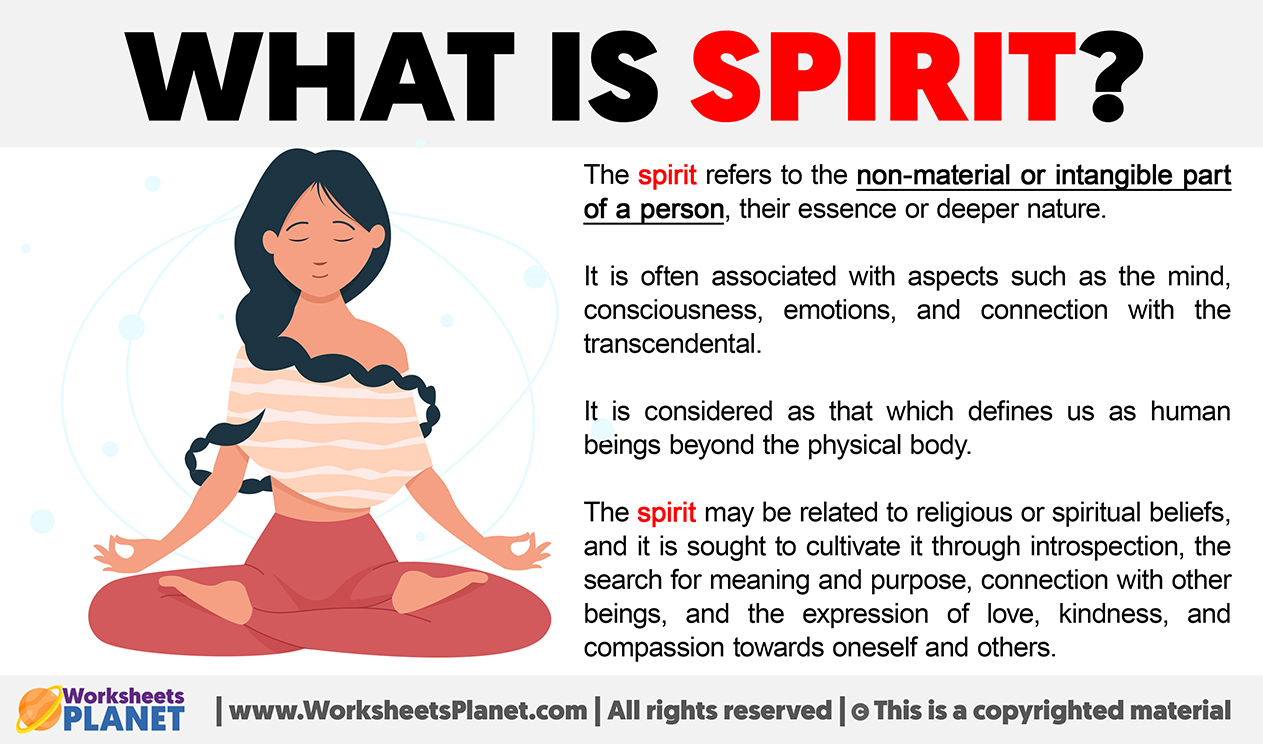
The Intangible Core: Defining Brand Spirit
At its heart, brand spirit is the essence that remains when all superficial layers are stripped away. It’s the enduring quality that defines a brand’s unique identity, making it more than just a collection of products or services. This core identity is often challenging to articulate, yet it is profoundly felt by customers, employees, and stakeholders alike. It’s the answer to the unspoken question: “What does this brand truly stand for?”
Beyond Tangibles: The Soul of a Brand
While logos, color palettes, and advertising campaigns are the visible manifestations of a brand, they are merely expressions of its underlying spirit. The soul of a brand resides in its foundational beliefs, its guiding principles, and its deeply ingrained purpose. Consider brands like Patagonia, whose spirit of environmental activism and outdoor adventure informs every product decision, marketing message, and corporate policy. Or think of LEGO, whose spirit of creativity, imagination, and learning through play has remained constant for decades, transcending evolving toy trends. These brands don’t just sell goods; they embody a philosophy, a way of being, which is their true spirit. This makes them resonant and relatable, fostering a connection far deeper than transactional exchanges.
Spirit as a Strategic Differentiator
In an era of intense competition and rapidly commoditized products, brand spirit emerges as the ultimate strategic differentiator. Features can be copied, prices can beetopped, but an authentic and deeply ingrained brand spirit is nearly impossible to replicate. It provides a unique competitive advantage, creating a powerful barrier to entry for competitors. When customers connect with a brand’s spirit, they aren’t just buying a product; they’re aligning with a set of values, a lifestyle, or a cause. This emotional bond translates into unwavering loyalty, even in the face of perceived superior alternatives. A strong spirit ensures that a brand doesn’t just stand out, but stands for something, distinguishing itself in a meaningful and enduring way.
Cultivating Authentic Brand Spirit
Developing a compelling brand spirit is not an accident; it’s the result of intentional, strategic work that permeates every level of an organization. It begins with deep introspection and a clear understanding of purpose, evolving into a living entity through consistent actions and shared experiences. Cultivating authenticity is key, as any dissonance between perceived spirit and actual practice will quickly erode trust.
Discovering Your Foundational Ethos
The journey to cultivate brand spirit starts with a thorough exploration of the brand’s foundational ethos. This involves defining the core mission, vision, and values that will guide every decision. What problem does the brand truly aim to solve? What future does it envision? What non-negotiable principles underpin its operations? This is where leadership plays a crucial role, not just in dictating these elements, but in fostering a collective understanding and buy-in across the organization. Workshops, surveys, and deep discussions can help unearth the shared beliefs and aspirations that form the true essence of the brand. This isn’t just a marketing exercise; it’s an organizational soul-searching that must resonate with the founders’ original intent or the current leadership’s authentic commitment.
Embodying Spirit Through Culture and Action

A brand’s spirit cannot simply be declared; it must be lived. This means integrating the foundational ethos into the very fabric of the company’s culture and ensuring it’s reflected in every action. From hiring practices and employee training to customer service protocols and product development, every touchpoint must be an authentic expression of the brand’s spirit. Employees, as the primary ambassadors of the brand, must understand, believe in, and embody this spirit. When a brand’s internal culture is a true reflection of its stated values, it creates a powerful sense of unity and purpose. This authenticity then naturally extends to external interactions, creating a seamless and genuine experience for customers, which reinforces the brand’s unique identity and trustworthiness.
The Resonant Impact of Brand Spirit
A well-defined and genuinely cultivated brand spirit has a profound and far-reaching impact, extending beyond mere commercial transactions to foster deep emotional connections and establish a clear position in the market. It’s the invisible hand that guides perception, builds reputation, and transforms customers into advocates.
Forging Emotional Connections and Trust
The most powerful brands are those that transcend their functional benefits to forge emotional connections with their audience. This is precisely where brand spirit shines. When consumers feel a genuine alignment with a brand’s values, purpose, or personality, it evokes feelings of trust, loyalty, and even affection. Brands with a strong spirit don’t just meet needs; they speak to aspirations, reflect identities, or champion causes that matter to their customers. Consider the devotion inspired by brands like Disney, whose spirit of magic and storytelling has captivated generations, creating a bond that goes far beyond its theme parks or movies. This emotional resonance is invaluable, making customers more forgiving during missteps and more vocal in their advocacy, transforming them into enthusiastic members of a brand community rather than mere consumers.
Navigating Market Noise with Clarity
In today’s hyper-connected, information-saturated world, consumers are bombarded with messages. Cutting through this incessant noise requires more than just volume; it demands clarity and distinctiveness. A well-articulated brand spirit provides this clarity, acting as a compass that guides all communication and creative output. It ensures consistency across all channels, making the brand instantly recognizable and memorable. When a brand’s spirit is strong, its messages are not just heard, but understood and remembered because they carry an inherent authenticity and purpose. This allows the brand to speak with a clear, resonant voice that stands out amidst the cacophony, enabling it to effectively communicate its unique value proposition and connect with its target audience in a meaningful way, solidifying its identity and reputation in a crowded marketplace.
Sustaining and Evolving Your Brand’s Spirit
While brand spirit represents an enduring core, it is not static. In a world characterized by rapid change, economic shifts, and evolving consumer expectations, a brand’s spirit must be both steadfast and adaptable. The challenge lies in maintaining the authenticity of its essence while allowing for necessary growth and evolution.
Balancing Consistency with Adaptability
The true test of a brand’s spirit is its ability to remain consistent in its core identity while adapting to external changes. Brands that cling rigidly to outdated expressions of their spirit risk becoming irrelevant, while those that abandon their core values for fleeting trends lose their authenticity. The key is to distinguish between the immutable spirit and its adaptable manifestations. For instance, a brand whose spirit is “innovation” will consistently seek new solutions, but the form of that innovation (e.g., from hardware to software, or physical to digital) will evolve. Leaders must continually assess market dynamics and consumer sentiment, ensuring that while the heart of the brand remains true, its expression and relevance continue to resonate with contemporary audiences. This requires courage to pivot while staying anchored to the fundamental purpose that defines the brand.

Measuring the Echoes of Spirit
Measuring an intangible like “spirit” presents a unique challenge, as it cannot be quantified in traditional financial metrics alone. Instead, companies must look for its echoes in various indicators of brand health and stakeholder sentiment. Employee engagement and retention rates can signal how well the internal culture embodies the brand’s spirit. Customer loyalty, advocacy (measured through Net Promoter Score, for example), and qualitative feedback on brand perception provide insights into how effectively the spirit is resonating externally. Social media sentiment analysis, brand mentions, and media coverage can also reveal how the brand’s values and personality are being perceived in the broader public discourse. By regularly monitoring these diverse qualitative and quantitative data points, brands can assess the vitality of their spirit, identifying areas where it may be weakening or where it needs to be reinforced and revitalized.
The question “What’s spirit?” ultimately leads to an exploration of identity, purpose, and connection in the realm of branding. It underscores that truly successful brands are more than just commercial entities; they are living, breathing organisms animated by a distinct and authentic spirit. This spirit is the bedrock upon which trust is built, loyalty is earned, and lasting relationships are forged. By understanding its profound importance, dedicating efforts to its cultivation, and committing to its sustained evolution, brands can transcend the transactional and achieve a level of resonance that not only drives commercial success but also leaves a meaningful, enduring imprint on the world. The spirit of a brand is its legacy, and investing in it is investing in the future.
aViewFromTheCave is a participant in the Amazon Services LLC Associates Program, an affiliate advertising program designed to provide a means for sites to earn advertising fees by advertising and linking to Amazon.com. Amazon, the Amazon logo, AmazonSupply, and the AmazonSupply logo are trademarks of Amazon.com, Inc. or its affiliates. As an Amazon Associate we earn affiliate commissions from qualifying purchases.