
Spaying a dog is far more than just a routine veterinary procedure; it’s a cornerstone of responsible pet ownership, a decision that profoundly impacts a dog’s health, behavior, and longevity, while also carrying significant implications for community welfare and personal finance. For new pet parents, or even experienced ones looking to deepen their understanding, grasping the full scope of what spaying entails – from the surgical specifics to its wide-ranging benefits and the modern tools that support it – is essential. In an age where information, technology, and financial planning converge, understanding this critical decision through the lens of modern pet care offers invaluable insights. This article delves into the procedure itself, its myriad advantages, and how contemporary approaches, including technological advancements and shrewd financial planning, shape the spaying experience.
The Procedure Explained: A Blend of Science and Care
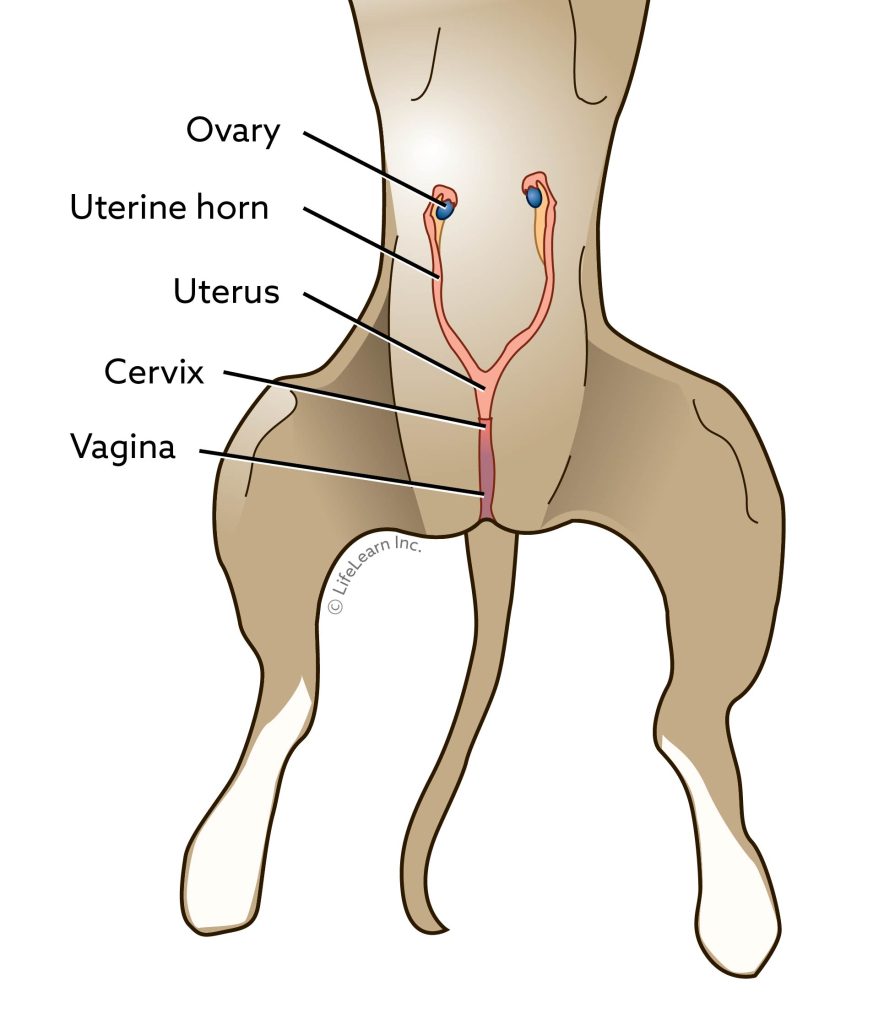
At its core, spaying is a surgical sterilization procedure performed on female dogs. Scientifically known as an ovariohysterectomy, it involves the complete removal of the dog’s ovaries and uterus. While the fundamental technique has been around for decades, modern veterinary medicine has integrated advanced technology and refined protocols to make the procedure safer, more efficient, and less invasive than ever before. This blend of established surgical science with cutting-edge tools underscores the evolution of pet healthcare.
Understanding the “Ovariohysterectomy”
An ovariohysterectomy is a major surgical procedure performed under general anesthesia. The goal is to prevent pregnancy and eliminate heat cycles. The surgeon makes an incision in the dog’s abdomen, carefully ligates (ties off) the blood vessels and uterine body, and then removes both ovaries and the entire uterus. The abdomen is then closed in multiple layers. While the term might sound intimidating, veterinary professionals undergo extensive training to perform this procedure with precision and care. They utilize sterile environments, specialized surgical instruments, and techniques honed over years of practice to minimize risks and ensure a successful outcome. The science behind this is simple yet profound: by removing the reproductive organs, the hormonal cycles that drive mating behavior and can lead to certain diseases are permanently halted.
Pre-Operative Preparation: Leveraging Modern Diagnostics
Before a dog ever reaches the operating table, a thorough pre-operative assessment is crucial. This is where modern veterinary technology truly shines. Veterinarians typically recommend blood work to evaluate organ function and clotting ability, ensuring the dog is healthy enough for anesthesia and surgery. Digital radiography (X-rays) or even ultrasound may be used to identify any hidden conditions, especially in older dogs or those with suspected underlying issues. These diagnostic tools, often powered by sophisticated software and AI-assisted analysis, provide veterinarians with a comprehensive picture of the dog’s internal health, allowing them to tailor anesthesia protocols and anticipate potential complications. Furthermore, pre-operative consultations often leverage digital communication tools, with clinics using apps or online portals to send reminders, share information about fasting instructions, and prepare owners for the day of surgery, streamlining the entire process.
The Surgical Process: Precision and Technology
During the surgery itself, technological advancements play a vital role in enhancing safety and efficacy. Anesthesia is precisely controlled using advanced gas machines and vital sign monitors that continuously track heart rate, respiratory rate, blood pressure, oxygen saturation, and body temperature. These sophisticated gadgets provide real-time data, allowing the veterinary team to adjust anesthesia levels minute by minute and respond immediately to any changes. Some clinics even employ laser scalpels, which can reduce bleeding and pain, or utilize minimally invasive laparoscopic techniques that involve smaller incisions and a faster recovery time, akin to human endoscopic surgeries. These technological integrations transform what was once a more rudimentary procedure into a finely tuned, low-risk operation, reflecting the rapid progress in veterinary surgical innovation. The aim is always to provide the safest possible environment, utilizing every available tool to ensure the pet’s well-being.
Post-Operative Care: Smart Recovery and Monitoring
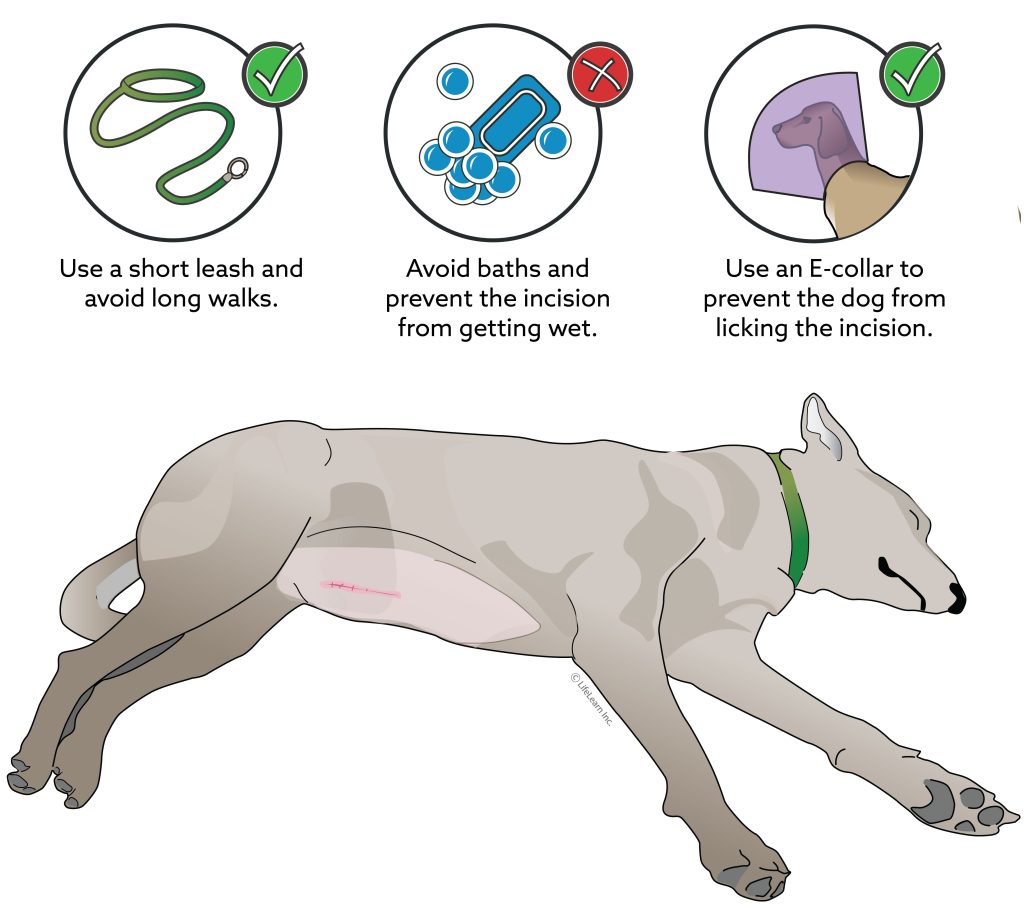
Recovery is just as critical as the surgery itself. In the immediate post-operative period, warmth, pain management, and careful monitoring are paramount. Clinics use warming blankets and regulated environments to prevent hypothermia, and state-of-the-art pain medications are administered to ensure the dog’s comfort. For owners, smart recovery often involves utilizing apps or digital reminders for medication schedules and activity restrictions. Wearable tech for pets, while not universally adopted, is also emerging as a tool for monitoring activity levels and sleep patterns post-surgery, offering a glimpse into their recovery trajectory. Clear, concise post-operative instructions, often delivered through online portals or printable digital guides, empower owners to provide optimal care at home, reducing the likelihood of complications and promoting a speedy return to full health.
Beyond the Scalpel: Health, Behavior, and Financial Prudence
The decision to spay extends far beyond the operating room, impacting various facets of a dog’s life, from their physical well-being to their temperament, and critically, the financial landscape of pet ownership. Understanding these wider implications is key to appreciating the true value of the procedure.
Health Benefits: A Long-Term Investment
The health advantages of spaying are profound and well-documented, making it a powerful long-term investment in a dog’s well-being. Foremost among these is the significant reduction in the risk of certain cancers. Spaying eliminates the risk of ovarian and uterine tumors entirely. More importantly, it drastically lowers the risk of mammary (breast) cancer, especially if performed before the first heat cycle. Mammary tumors in dogs can be aggressive and life-threatening, often requiring extensive and costly treatments.
Beyond cancer prevention, spaying also eliminates the risk of pyometra, a life-threatening uterine infection that affects unspayed females. Pyometra is a common and serious condition, often requiring emergency surgery that is significantly more complex and expensive than a routine spay. Left untreated, it is fatal. By removing the uterus, owners are proactively safeguarding their pet against this dire illness. Additionally, spaying can prevent false pregnancies, which, while not life-threatening, can be distressing for both the dog and owner, causing behavioral changes and sometimes requiring veterinary intervention. From a health perspective, spaying is preventative medicine at its finest, offering protection against diseases that would otherwise incur substantial veterinary bills and emotional distress.
Behavioral Advantages: A Happier, More Predictable Companion
Spaying can lead to noticeable improvements in a dog’s behavior, making them more predictable and often easier to live with. The most immediate behavioral change is the elimination of heat cycles. During heat, female dogs can exhibit restless behavior, vocalize excessively, urinate more frequently, and become highly attractive to intact male dogs, leading to potential escapes, unwanted pregnancies, and neighborhood disturbances. By removing the hormonal fluctuations associated with these cycles, spaying helps to create a calmer home environment.
Furthermore, spaying can reduce certain undesirable behaviors linked to hormonal drives. While not a guaranteed fix for all behavioral issues, it often lessens roaming instincts driven by the urge to find a mate. It can also decrease marking behavior and aggression linked to reproductive hormones. A spayed dog is often more focused on their family, less distracted by hormonal urges, and generally a more stable companion. This can lead to a stronger bond between pet and owner, and fewer behavioral challenges that might otherwise require costly training interventions or even lead to rehoming.
Financial Implications: Calculating the Cost and Savings
For many pet owners, the upfront cost of spaying can be a significant consideration. The price varies widely based on geographic location, the dog’s size, age, any pre-existing health conditions, and the specific veterinary clinic’s services (e.g., pain medication, blood work, type of anesthesia). However, it’s crucial to view this initial expense as an investment that yields substantial long-term financial savings.
Consider the alternatives: caring for an unspayed female dog incurs potential costs for managing heat cycles (diapers, extra cleaning), dealing with unwanted pregnancies (prenatal care, delivery complications, caring for a litter of puppies), and most significantly, treating the aforementioned health issues like pyometra or mammary cancer. A single emergency surgery for pyometra can easily cost several times more than a routine spay. Treatment for advanced cancer can run into thousands of dollars, involving surgery, chemotherapy, and ongoing palliative care.
From a financial planning perspective, the initial investment in spaying is a prudent decision. It mitigates the risk of unpredictable and often exorbitant future veterinary bills. Many pet insurance policies, falling under the “Money” category of personal finance, also cover a portion of spaying costs as a wellness benefit, further highlighting its recognition as a valuable preventative measure. Websites and apps dedicated to financial tools for pet owners can help compare costs, find low-cost clinics, and even set up savings plans for pet care, integrating financial literacy directly into pet ownership decisions.
The Broader Impact: Community, Ethics, and the Digital Age
The act of spaying a dog extends beyond the individual pet and owner; it plays a critical role in addressing broader societal issues related to animal welfare, population control, and public health. In today’s interconnected world, technology and the art of branding are pivotal in amplifying these messages and fostering responsible pet ownership.
Addressing Pet Overpopulation: A Societal Imperative
Perhaps one of the most significant impacts of spaying and neutering programs is their role in combating pet overpopulation. Millions of animals enter shelters every year, and tragically, many do not find forever homes. Uncontrolled breeding leads to a surplus of animals, overwhelming shelters and rescue organizations, and placing a massive burden on community resources. Every litter born contributes to this cycle, making the simple act of spaying an individual dog a powerful step towards a more humane society.
From an ethical standpoint, preventing unwanted litters aligns with the principle of responsible animal stewardship. It ensures that fewer animals suffer from homelessness, neglect, or euthanasia due to a lack of available homes. Municipalities and animal welfare groups invest heavily in public awareness campaigns and low-cost spay/neuter initiatives, understanding that this is a cost-effective long-term solution to a pervasive societal problem. This collective effort, often funded by grants and public donations, directly impacts the financial stability of animal shelters and community animal control services, demonstrating a direct link to the “Money” aspect of broader societal finance.
The Role of Technology in Pet Welfare Advocacy
In the digital age, technology has become an indispensable tool for pet welfare advocacy and education. Websites, social media platforms, and specialized apps (fitting squarely into “Tech”) are used to disseminate information about the benefits of spaying, raise awareness about pet overpopulation, and connect pet owners with resources. Online campaigns utilize compelling visuals and data to illustrate the plight of homeless animals and the positive impact of sterilization. Pet adoption platforms often integrate spay/neuter policies, ensuring that animals adopted through their services are already sterilized or will be once old enough.
Telemedicine, an emerging technological trend, also plays a role. While not for surgical procedures, it allows veterinarians and animal behaviorists to offer advice and support to pet owners, discuss pre- and post-operative concerns, and even help identify signs of heat or pregnancy, making informed decisions about spaying more accessible. Furthermore, data analytics and AI tools can help identify regions with high rates of pet overpopulation, allowing animal welfare organizations to strategically target their spay/neuter initiatives for maximum impact, demonstrating how “Tech” can drive efficiency in social good.
Building Trust: Branding in Veterinary Care
For veterinary clinics and animal welfare organizations, effective branding is crucial in communicating the importance of spaying and establishing trust with the public. A strong “Brand” conveys reliability, compassion, and expertise. Clinics that clearly articulate their commitment to patient care, use transparent pricing, and provide excellent customer service build a reputation that encourages pet owners to make responsible choices.
Branding extends to how organizations promote spay/neuter campaigns. Using consistent messaging, appealing visuals, and relatable stories can effectively educate the public and counter misconceptions. A well-branded campaign, for instance, might highlight the joy of a healthy, long-lived pet, or the success stories of animals adopted from shelters after being spayed. This strategic communication fosters a positive perception of veterinary care and encourages proactive health decisions, aligning with the principles of effective marketing and brand strategy.
Making the Decision: Resources and Support
Deciding to spay your dog is a personal yet highly recommended choice rooted in comprehensive understanding. Thankfully, a wealth of resources and support systems are available to help pet owners navigate this process, leveraging modern information channels and financial planning tools.
Navigating Information in the Digital Landscape
The internet offers an unparalleled amount of information on pet care, including detailed explanations of spaying. However, the sheer volume can be overwhelming, and not all sources are equally reliable. Pet owners can utilize reputable online platforms (often falling under “Tech”) such as veterinary association websites, established animal welfare organizations, and trusted veterinary clinic portals. These resources often provide comprehensive guides, FAQs, and even interactive tools to help owners understand the procedure, potential risks, and benefits specific to their dog’s breed or age. Forums and online communities dedicated to pet ownership can also offer peer support and shared experiences, though professional veterinary advice should always be sought for medical decisions. Learning to critically evaluate online information is a vital digital literacy skill for modern pet owners.
Financial Assistance and Pet Insurance: Planning for Peace of Mind
For those concerned about the “Money” aspect, specifically the cost of spaying, various options exist to alleviate the financial burden. Many animal shelters and humane societies offer low-cost spay/neuter clinics, sometimes subsidized by grants or community donations. Government programs or local non-profits may also provide financial assistance to eligible pet owners. Websites and apps specializing in financial tools for pet owners can help identify these programs in a specific geographic area, offering a curated list of affordable options.
Pet insurance is another critical tool for financial planning in pet ownership. While spaying is often considered a “wellness” or “preventative” procedure rather than an emergency, many comprehensive pet insurance plans offer wellness riders that cover a portion of spaying costs, alongside vaccinations and routine check-ups. Investing in pet insurance early can provide peace of mind, knowing that unexpected health issues, as well as crucial preventative care like spaying, are financially manageable. Researching different pet insurance providers and understanding their coverage options is a smart financial move that safeguards both the pet’s health and the owner’s budget.
Conclusion
Spaying a dog is a decision that resonates across multiple dimensions: it’s a vital medical procedure that leverages cutting-edge technology for enhanced safety and efficacy; it’s a responsible choice that significantly benefits a dog’s long-term health and behavior; it’s a shrewd financial move that prevents potentially exorbitant future veterinary costs; and it’s a powerful contribution to broader animal welfare efforts and community well-being. By understanding “what’s spaying a dog” in this comprehensive light – embracing the scientific underpinnings, leveraging modern technology, making informed financial choices, and recognizing its profound societal impact – pet owners can confidently make a decision that fosters a healthier, happier life for their beloved companion and contributes positively to the world around them.
aViewFromTheCave is a participant in the Amazon Services LLC Associates Program, an affiliate advertising program designed to provide a means for sites to earn advertising fees by advertising and linking to Amazon.com. Amazon, the Amazon logo, AmazonSupply, and the AmazonSupply logo are trademarks of Amazon.com, Inc. or its affiliates. As an Amazon Associate we earn affiliate commissions from qualifying purchases.