
In the modern professional landscape, the term “smart casual” is perhaps the most misunderstood and frequently debated dress code. It sits in a delicate equilibrium between the rigidity of corporate formal wear and the relaxed comfort of weekend attire. For professionals, mastering this look is not just about aesthetics; it is a vital component of personal branding. How you present yourself serves as a non-verbal pitch to clients, colleagues, and leadership. Whether you are navigating a hybrid office environment, attending a high-stakes networking dinner, or appearing on a virtual board meeting, your ability to curate a smart casual wardrobe reflects your professional adaptability and your brand’s attention to detail.

The Psychology of the Smart Casual Brand
Personal branding is the intentional effort to create and influence public perception of an individual by positioning them as an authority in their industry. Your clothing acts as the “packaging” for your professional identity. When a company or individual adopts a smart casual dress code, they are signaling a culture that values innovation, agility, and a modern approach to business.
Consistency as a Branding Pillar
The goal of smart casual is to look intentional. A successful personal brand thrives on consistency, and your wardrobe should mirror the values you project in your professional communication. If your brand is built on reliability and precision, your smart casual look should lean toward structured pieces—think tailored blazers or crisp, high-quality knitwear. Conversely, if your brand is centered on creativity and disruptive thinking, you have more latitude to integrate textured fabrics and slightly more modern silhouettes.
The Power of Visual Competence
Psychological studies on “enclothed cognition” suggest that the clothes we wear influence our psychological processes. When you dress in a way that feels both polished and appropriate, your self-perception shifts toward higher levels of confidence and executive presence. Smart casual is the ideal balance; it removes the “stiff” barrier of a traditional suit while avoiding the “disinterested” vibe of casual wear. By curating a smart casual wardrobe, you communicate that you are a high-performer who is accessible and ready to collaborate.
Decoding the Elements: Building the Capsule Wardrobe
A common pitfall in smart casual dressing is the tendency to drift too far into either the “casual” or the “smart” end of the spectrum. To build a versatile brand-aligned wardrobe, you must focus on the integration of elevated staples.
The Foundation: Structure and Fit
The “smart” in smart casual is non-negotiable. It refers to the structure of your garments. Even if you are wearing a pair of dark denim jeans, they must be free of distressing, holes, or frayed hems.
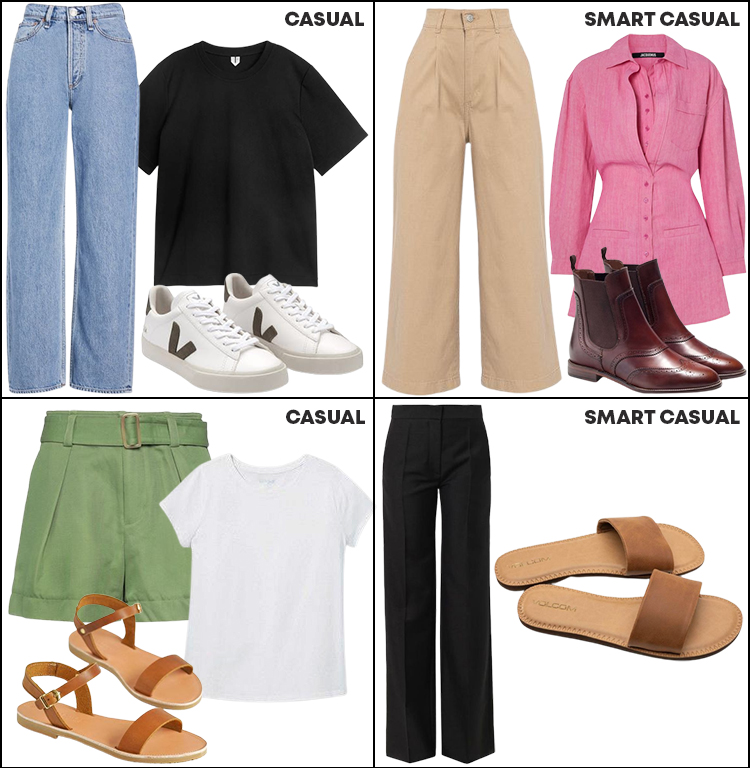
- Trousers: Swap baggy cargo pants or sweatpants for tailored chinos, wool-blend trousers, or refined dark-wash denim. The fit should be slim or tapered; an ill-fitting garment immediately degrades the professional aesthetic.
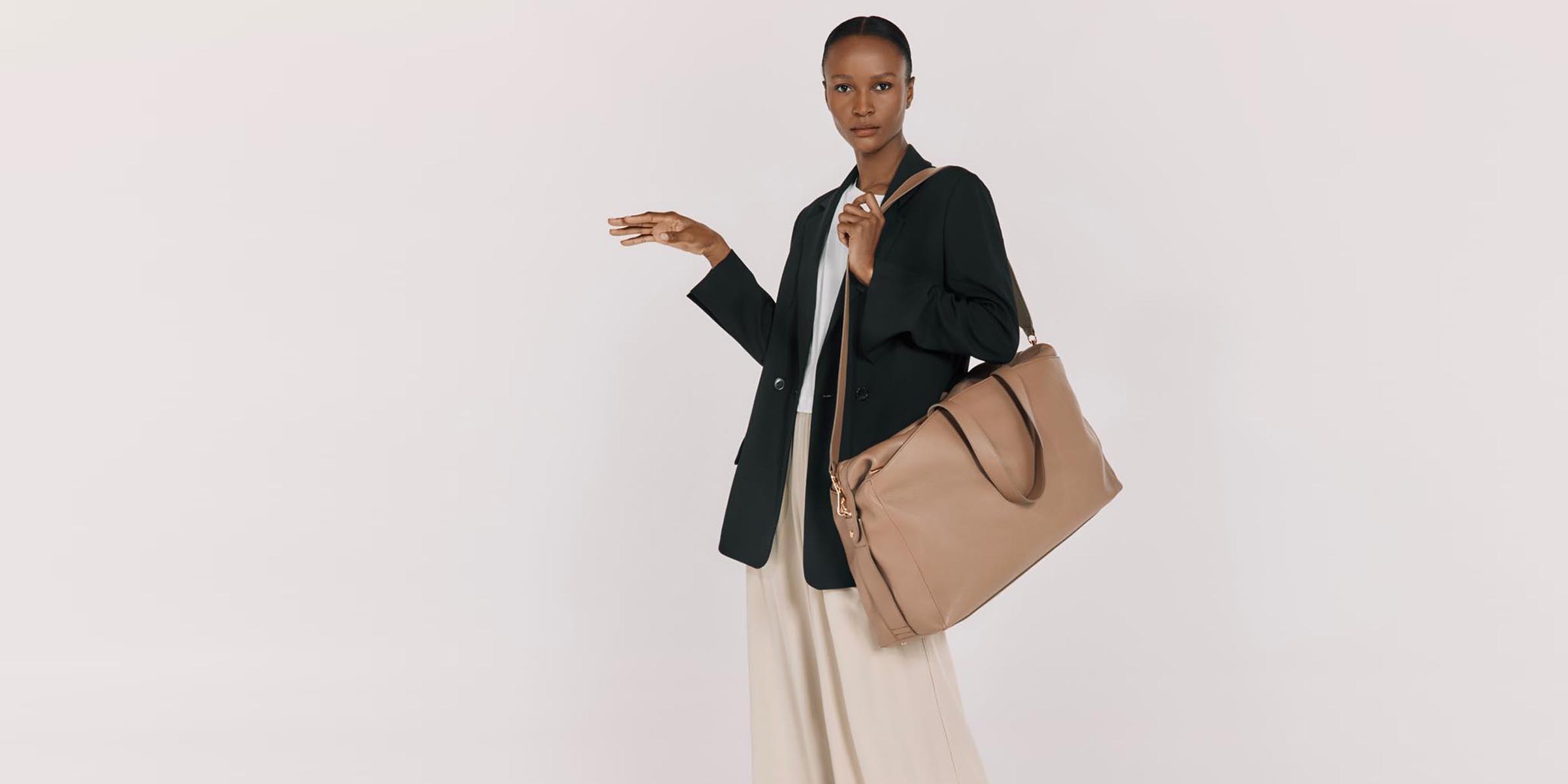
- Outerwear: A well-structured blazer is the cornerstone of smart casual. It instantly elevates a simple crew-neck t-shirt or a polo. When selecting blazers, focus on materials like linen for warmer climates or wool-cashmere blends for a sharper winter silhouette.
The Mid-Layer: Quality Over Quantity
Your mid-layer is where you express your personality while maintaining decorum. A high-quality knit sweater, a button-down shirt made of breathable cotton, or a refined merino wool turtleneck can bridge the gap perfectly. Avoid graphic tees or oversized branding. In the realm of personal branding, your clothing should work for you, not distract from you. A loud logo can unintentionally shift the focus away from your professional contributions.
Footwear: The Silent Communicator
Shoes are often the first thing people notice, and they are the ultimate indicator of whether your style is “smart” or merely “casual.” Sneakers have become acceptable in many smart casual environments, but they must be minimalist—clean leather or high-quality canvas without athletic features. For a more traditional approach, loafers, Chelsea boots, or derbies are the gold standard. They bridge the gap between formal and relaxed effortlessly, signaling that you understand the nuance of the dress code.
Strategy for Corporate and Networking Environments
The “smart” in smart casual is highly contextual. Your strategy should evolve based on the environment you are entering. Understanding these nuances is a marker of emotional intelligence—an essential trait for leadership and brand authority.
Navigating the Office and Hybrid Spaces
In the office, smart casual allows for comfort without compromising on authority. The key is to add “polish” to every outfit. If you are wearing a comfortable sweater, ensure it is layered over a collared shirt or paired with structured trousers. If you are working in a tech-forward or creative office, you have more room for color and texture, but always maintain a “clean” finish. Wrinkled fabrics or unkempt layers signal a lack of attention to detail, which can bleed into how colleagues perceive your work ethic.
The Networking and Event Strategy
Networking events are the primary arena for personal branding. Here, your outfit should be memorable for the right reasons. You want to look like you belong in the room, perhaps even like you are leading it.
- The “Plus One” Rule: Add one elevated element to your standard smart casual look. If you are wearing dark denim and a sweater, add a sharp, unstructured blazer or a high-end watch.
- Context Awareness: If the event is at a high-end venue, skew toward the “smart” side (blazers, leather shoes). If it is a casual meetup or a tech demo, you can lean into the “casual” side (chinos, premium minimalist sneakers).
Avoiding the “Casual Drift” Trap
The most frequent mistake professionals make is allowing their smart casual style to succumb to “casual drift.” This happens when comfort takes priority over the professional intent of the clothing.
Identifying the Red Flags
- Athleisure Integration: Athletic wear, no matter how expensive the brand, belongs in the gym, not the boardroom. Leggings, track pants, and tech-fleece hoodies are rarely appropriate for a professional setting, regardless of the office culture. They signal a lack of boundaries between your personal downtime and your professional performance.
- Fabric Neglect: Even a perfectly tailored piece can fail if the fabric is poor. Cheap synthetic blends that pill or hold onto odors will undermine your authority. Investing in natural fibers—cotton, silk, wool, and linen—ensures that your clothes look better for longer and maintain their structure throughout the day.
- The Grooming Connection: Smart casual is as much about grooming as it is about garments. A sharp outfit paired with unkempt hair or poor personal hygiene creates a cognitive dissonance that confuses the observer. Your personal brand is a holistic package; your grooming must match the sophistication of your clothes.
Conclusion: The Long-Term ROI of Your Wardrobe
Investing in a smart casual wardrobe is an investment in your career trajectory. By mastering this dress code, you remove the daily friction of “what to wear” and replace it with a strategic, intentional approach to your image. A well-curated smart casual look does the work of professional branding for you, allowing you to walk into any room—whether a startup pitch or a corporate strategy session—with the confidence that your appearance supports your message.
In an era where remote work and physical offices often blend, the ability to pivot between comfort and polish is a competitive advantage. Treat your wardrobe as you would any other asset in your professional life: maintain it with care, keep it aligned with your core identity, and let it serve as the visual evidence of your professional success. When you look the part of a polished professional, you prime yourself to perform like one, ensuring that your image is always as sharp as your strategy.
aViewFromTheCave is a participant in the Amazon Services LLC Associates Program, an affiliate advertising program designed to provide a means for sites to earn advertising fees by advertising and linking to Amazon.com. Amazon, the Amazon logo, AmazonSupply, and the AmazonSupply logo are trademarks of Amazon.com, Inc. or its affiliates. As an Amazon Associate we earn affiliate commissions from qualifying purchases.