
In the world of modern marketing, there is a common misconception that “new” is always better. Brands often feel a relentless pressure to reinvent themselves, to pivot their messaging every quarter, and to chase the latest viral trend in hopes of staying relevant. However, the most successful brands in history—from Coca-Cola and Apple to Nike and Mercedes-Benz—understand a fundamental truth that contradicts the “pivot” culture: the most powerful tool in a brand’s arsenal is repetition.
When we ask, “What’s repetition?” in the context of brand strategy, we aren’t talking about being boring or redundant. We are talking about the strategic reinforcement of a brand’s core identity, values, and visual assets. Repetition is the mechanism that transforms a simple business into a recognizable household name. It is the bridge between a consumer’s first fleeting glance and their lifelong loyalty.
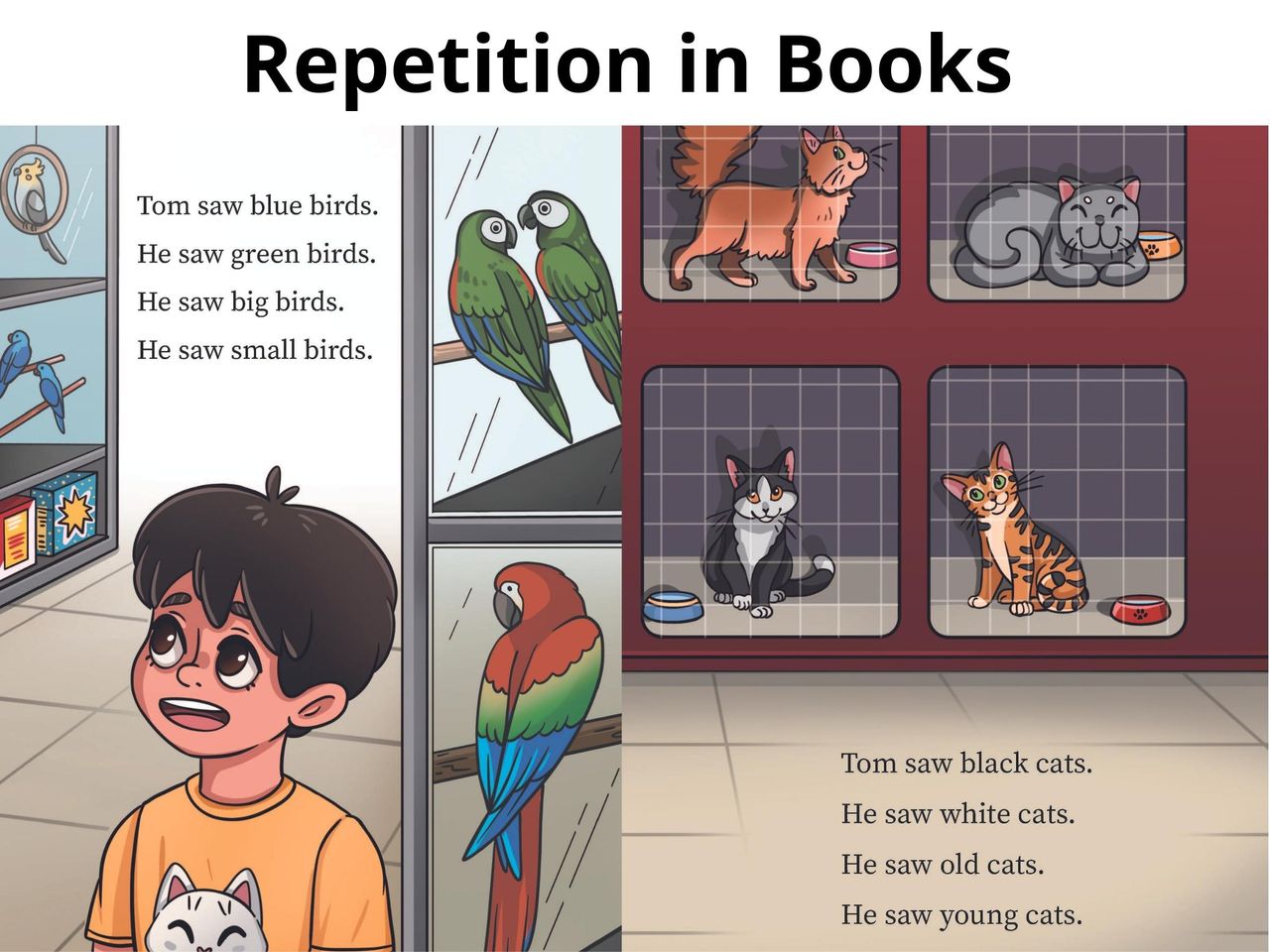
The Psychology of Familiarity: Why Repetition Works
To understand why repetition is vital for branding, we must first look at the psychological underpinnings of how humans process information. Our brains are hardwired to prefer the familiar over the unknown. This is not just a preference; it is a survival mechanism known as the “Mere Exposure Effect.”
The Mere Exposure Effect and Consumer Trust
The Mere Exposure Effect is a psychological phenomenon by which people tend to develop a preference for things merely because they are familiar with them. In branding, every time a consumer sees your logo, hears your slogan, or reads your brand’s unique voice, a small “deposit” of familiarity is made in their memory. Over time, these deposits build a foundation of trust.
Trust is the ultimate currency in marketing. A consumer is far more likely to purchase a product from a brand they recognize—even if they haven’t used it before—than from a completely unknown competitor. Repetition creates a sense of “safety” around a brand. If a brand is everywhere and remains consistent, the subconscious mind perceives it as stable, reliable, and successful.
Cognitive Ease and the Path of Least Resistance
The human brain is constantly looking for ways to save energy. This leads us to seek “Cognitive Ease,” a state where information is easy to process. When a brand uses repetitive elements—such as the same font, the same color palette, and the same tone of voice—the consumer doesn’t have to work hard to identify who is talking to them.
When a brand changes its identity too often, it creates “Cognitive Strain.” The consumer has to stop and think, “Wait, is this the same company?” This friction, however slight, can lead to a loss of interest or a sense of unease. By leaning into repetition, a brand ensures that its message slides into the consumer’s consciousness with minimal resistance.
Building a Visual Identity Through Repetition
Visual identity is perhaps the most obvious area where repetition takes center stage. A brand’s visual language is a shorthand for its entire philosophy. If that shorthand changes every time a consumer sees it, the language becomes unreadable.
The Power of Consistent Color Palettes
Color is often the first thing a consumer notices and the last thing they forget. Think of the specific shade of “Tiffany Blue” or the “UPS Brown.” These brands have used these colors so repetitively and so consistently that the color itself has become synonymous with the brand.
By repeating a specific color palette across every touchpoint—from social media graphics and website headers to packaging and physical store interiors—a brand creates a “visual anchor.” This repetition ensures that even before a customer reads a single word of copy, they already know whose message they are looking at. This level of instant recognition is only possible through years of disciplined repetition.
Logo Permanence and Recognition
In an era of “rebranding” for the sake of modernization, many companies make the mistake of altering their logos too frequently. While a brand must evolve, the core elements of a logo should remain a constant through-line.
Repetition of a logo in varied environments—on a tiny favicon in a browser tab, on a massive billboard, or embroidered on a shirt—trains the eye to recognize the brand’s silhouette. The “Swoosh” of Nike or the “Golden Arches” of McDonald’s do not need the company name attached to them to be understood. This is the pinnacle of brand repetition: when a shape alone carries the weight of the entire corporate identity.

Messaging and the Rule of Seven
Beyond visuals, repetition is the engine that drives a brand’s narrative. A brand’s message is not what the brand says once in a press release; it is what the brand says every day across every platform.
Developing a Core Brand Narrative
Every brand needs a “North Star” message—a singular idea or value proposition that defines its existence. Whether it’s Volvo’s focus on “Safety” or Disney’s focus on “Magic,” these brands repeat these themes relentlessly.
The goal of repeating a core narrative is to own a “piece of the consumer’s mind.” When someone thinks of a “safe car,” Volvo wants to be the first word that pops up. This isn’t achieved by talking about safety one month and performance the next. It is achieved by weaving the concept of safety into every advertisement, every social media post, and every customer service interaction for decades.
Multi-Channel Reinforcement and the “Rule of Seven”
There is an old marketing adage known as the “Rule of Seven.” It suggests that a prospective customer needs to see or hear a marketing message at least seven times before they take action. In the digital age, where we are bombarded by thousands of messages daily, that number is likely much higher.
Repetition across multiple channels—email, search ads, social media, and traditional print—ensures that the message “sticks.” However, this doesn’t mean posting the exact same image everywhere. It means repeating the core message while adapting the format to fit the medium. This creates a cohesive ecosystem where the consumer feels the brand’s presence everywhere they go, reinforcing the brand’s authority in its niche.
The Fine Line: Repetition vs. Fatigue
While repetition is a virtue, there is a point of diminishing returns known as “Brand Fatigue” or “Ad Wear-out.” If a brand repeats the exact same creative asset too many times without any variation, the consumer begins to tune it out or, worse, becomes annoyed. The secret to successful brand repetition lies in the balance between consistency and freshness.
Variations on a Theme
The most sophisticated brands use a strategy called “Variations on a Theme.” They keep the core elements (the logo, the colors, the brand voice) identical but change the specific content or the execution.
Think of a brand like Apple. Their aesthetic is always the same: minimalist, clean, and product-focused. However, the specific products they highlight and the stories they tell change. You always know you’re looking at an Apple ad, but you aren’t seeing the same Apple ad you saw five years ago. This is repetition of style rather than repetition of content. It allows a brand to stay fresh while remaining instantly recognizable.
Frequency Capping and Strategic Placement
In digital marketing, repetition must be managed with data. “Frequency capping” is a technique used to limit the number of times a specific user sees a particular ad within a given timeframe.
By strategically spacing out repetitions, a brand can stay “top of mind” without becoming a nuisance. The goal is to be a persistent presence, like a reliable friend, rather than an intrusive solicitor. Effective repetition is about being there when the consumer is ready to buy, providing a familiar hand to guide them through the final stages of the decision-making process.
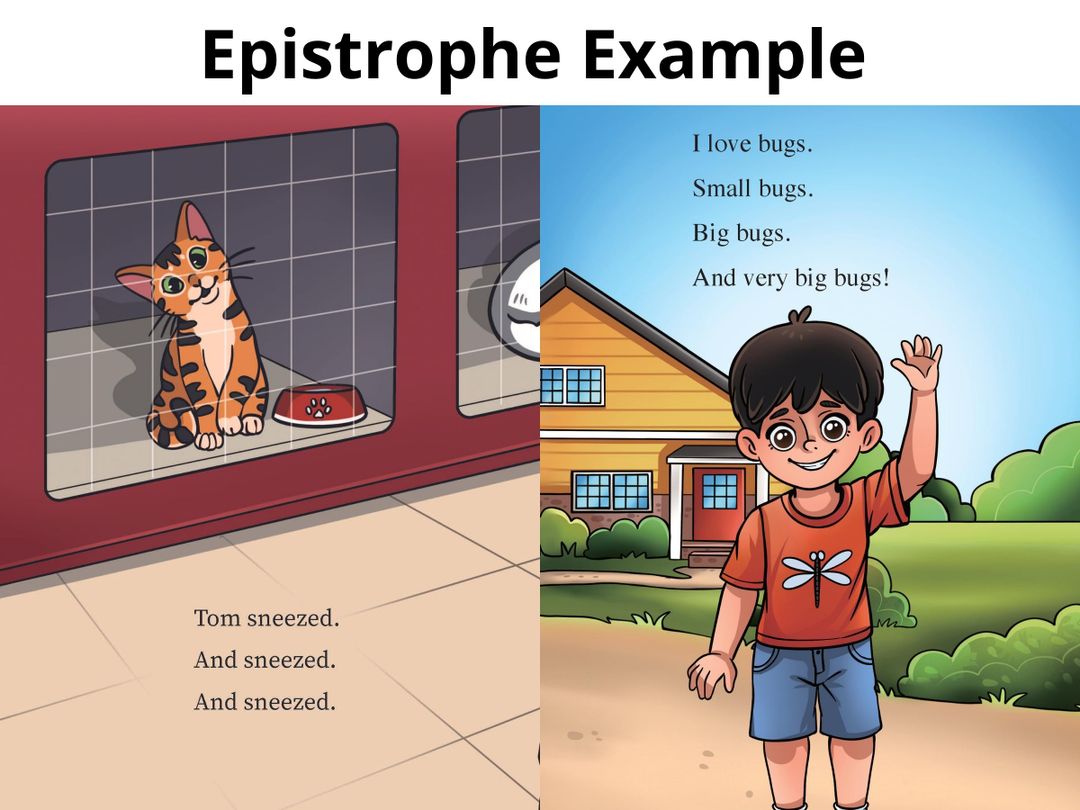
Conclusion: Repetition as a Competitive Advantage
In a marketplace defined by noise and chaos, repetition is a form of clarity. It is the discipline to stay the course when everyone else is jumping on the next shiny object. When a brand asks, “What’s repetition?” the answer should be: “It is our commitment to our identity.”
By leaning into the psychology of familiarity, maintaining a rigorous visual identity, and reinforcing a core narrative across multiple channels, a brand builds an intangible but impenetrable asset: Brand Equity. Repetition is what turns a transaction into a relationship and a product into a symbol. In the long run, the brands that win aren’t necessarily the ones with the loudest voices, but the ones with the most consistent ones. Consistency, fueled by strategic repetition, is the only way to ensure that your brand doesn’t just enter the market, but stays in the minds of consumers forever.
aViewFromTheCave is a participant in the Amazon Services LLC Associates Program, an affiliate advertising program designed to provide a means for sites to earn advertising fees by advertising and linking to Amazon.com. Amazon, the Amazon logo, AmazonSupply, and the AmazonSupply logo are trademarks of Amazon.com, Inc. or its affiliates. As an Amazon Associate we earn affiliate commissions from qualifying purchases.