
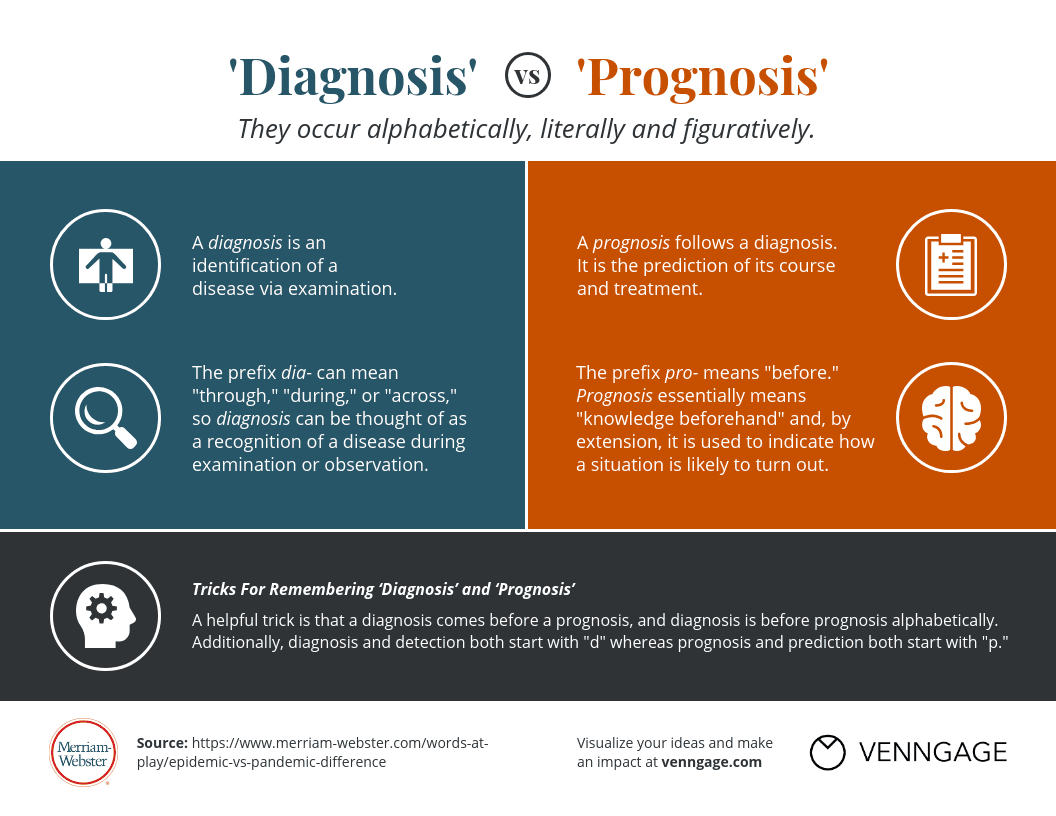
In the world of finance, the term “prognosis” carries a weight similar to its medical counterpart. It is not merely a guess about what might happen tomorrow; it is a data-driven prediction of the likely course and outcome of a financial situation. Whether you are managing a personal investment portfolio, overseeing a corporate budget, or navigating the complexities of the global market, understanding the prognosis is the difference between reactive panic and proactive strategy.
The modern financial landscape is increasingly volatile, influenced by rapid technological shifts, geopolitical fluctuations, and evolving monetary policies. To answer the question, “What’s the prognosis?”, one must look beyond current balances and delve into the metrics that signal long-term sustainability and growth. This article explores the essential components of a financial prognosis, the tools used to derive it, and how to apply these insights to secure a robust economic future.
1. Understanding the Financial Prognosis: Beyond Simple Budgeting
At its core, a financial prognosis is a forward-looking assessment. While a budget tells you what you can spend today based on what you earned yesterday, a prognosis evaluates the health of your financial trajectory over the next five, ten, or twenty years.
The Role of Macroeconomic Indicators
To understand your personal or business financial outlook, you must first recognize the environment in which you operate. Macroeconomic indicators—such as inflation rates, Gross Domestic Product (GDP) growth, and central bank interest rates—act as the “vital signs” of the economy. For instance, a prognosis in a high-inflation environment requires a different strategy than one in a period of stagnation.
High interest rates may signal a “poor prognosis” for those heavily burdened by variable-rate debt, but they offer a “favorable prognosis” for savers and fixed-income investors. Understanding how these external forces exert pressure on your capital is the first step in creating an accurate financial forecast.
Predictive Analytics in Personal Finance
The shift from traditional accounting to predictive analytics has revolutionized how individuals view their money. We are moving away from “lagging indicators” (what has already happened) toward “leading indicators” (what is likely to happen).
Predictive modeling considers variables such as career trajectory, anticipated tax changes, and life milestones. By analyzing your current savings rate against projected market returns and historical volatility, you can determine if your “financial vitals” are strong enough to support your long-term goals, such as early retirement or purchasing property. This shift in perspective transforms the way we interact with our bank accounts, turning them from static repositories into dynamic engines of future wealth.
2. Investment Forecasting: Calculating Your Portfolio’s Long-Term Health
When an investor asks “What’s the prognosis?”, they are usually referring to the expected performance of their asset allocation. Investment forecasting is a blend of historical context, mathematical probability, and behavioral psychology.
Risk Assessment and Mitigation Strategies
A healthy financial prognosis is not one that ignores risk, but one that accounts for it. The concept of “stress testing” a portfolio is essential here. Just as a doctor might test a heart under physical exertion, a financial advisor tests a portfolio against market crashes or sector-specific downturns.
Diversification remains the primary tool for improving an investment prognosis. By spreading assets across various classes—equities, fixed income, real estate, and alternative investments—an investor ensures that a “failure” in one area does not lead to a total systemic collapse of their wealth. The prognosis improves when the correlation between assets is low, allowing for smoother returns over time despite localized market turbulence.
The Impact of Compounding and Time Horizons
Perhaps the most critical factor in any financial prognosis is time. The “Time Value of Money” is a fundamental principle stating that a dollar today is worth more than a dollar tomorrow due to its potential earning capacity.
In the context of a prognosis, the length of your investment horizon drastically changes the outlook. For a young professional with a thirty-year horizon, a market dip is a minor fluctuation—a “common cold” in financial terms. However, for someone nearing retirement, that same dip could be a “critical condition.” Aligning your asset allocation with your specific time horizon ensures that your financial prognosis remains optimistic, even when the short-term news cycle is pessimistic.
3. Modern Tools for Financial Diagnosis and Future-Proofing
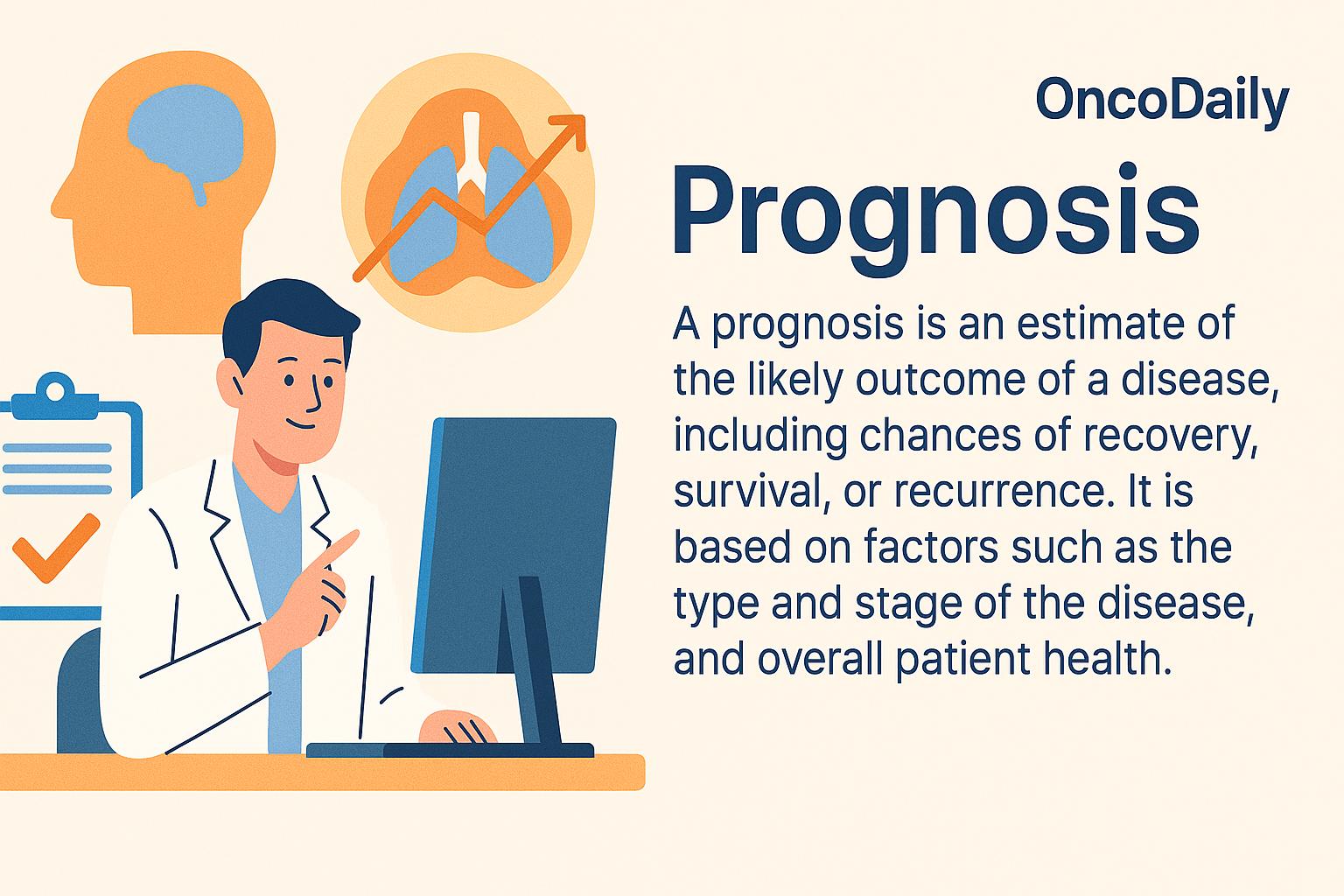
We live in an era where sophisticated financial analysis is no longer reserved for institutional hedge funds. Technology has democratized the ability to perform deep-dive “diagnostic tests” on our own finances.
AI-Driven Wealth Management Platforms
Artificial Intelligence (AI) and Machine Learning (ML) are now at the forefront of financial forecasting. Modern fintech platforms use algorithms to analyze thousands of data points—from spending patterns to global market trends—to provide a real-time prognosis.
These tools can identify “leakage” in a budget (unnecessary subscriptions or high-fee investments) that might be detrimental to long-term health. Moreover, robo-advisors can automatically rebalance portfolios to maintain a specific risk profile, ensuring that the investor’s prognosis stays on track without requiring constant manual intervention. These platforms act as a 24/7 financial monitoring system, alerting users to “symptoms” of financial decline before they become terminal problems.
The Shift Toward Automated Financial Planning
Automation is the ultimate tool for improving a financial prognosis because it removes the “human error” of emotion. Fear and greed are the two biggest threats to a positive financial outcome. By automating savings, debt payments, and investments (often referred to as “paying yourself first”), individuals ensure that their financial plan is executed with clinical precision.
When the process is automated, the prognosis becomes a matter of mathematics rather than willpower. If the data shows that contributing $1,000 a month to a diversified index fund will result in a million-dollar portfolio in thirty years, and that contribution is automated, the “patient” (the investor) has a nearly guaranteed path to recovery and growth.
4. Business Financial Prognosis: Scaling with Precision
For entrepreneurs and corporate leaders, the question of “What’s the prognosis?” is tied directly to the viability and scalability of the enterprise. Business finance requires a more rigorous set of diagnostic tools than personal finance.
Cash Flow Forecasting for Sustainable Growth
The “prognosis” for a business is often determined by its cash flow. A company can be profitable on paper but still “die” if it runs out of liquid cash. Cash flow forecasting involves predicting the timing and volume of money entering and leaving the business.
A positive prognosis in business is marked by a healthy “runway”—the amount of time the company can remain solvent before requiring additional capital. Leaders must look at sales pipelines, accounts receivable turnover, and burn rates to determine if the business is healthy enough to scale or if it needs to go into “triage” by cutting costs.
Preparing for Economic Volatility
In the corporate world, a financial prognosis must also account for black swan events—unpredictable occurrences that have massive impacts. This involves creating “what-if” scenarios:
-
What if our supply chain is disrupted?
-
What if our primary competitor slashes prices?
-
What if interest rates on our corporate debt double?
By answering these questions, businesses can build “financial immunity.” This might involve maintaining a larger cash reserve, diversifying supplier bases, or hedging against currency fluctuations. A business with a strong prognosis is one that is resilient; it doesn’t just survive in a stable economy but is built to endure the inevitable cycles of recession and expansion.

Conclusion: Taking Control of Your Financial Outlook
Ultimately, “What’s the prognosis?” is a question about empowerment. It is about moving away from the anxiety of the unknown and toward the clarity of data-driven decision-making. Whether you are looking at your personal savings or the balance sheet of a multinational corporation, the principles remain the same: assess the current state, analyze the external environment, use the best tools available, and plan for various contingencies.
A financial prognosis is not set in stone. Unlike some medical conditions, a poor financial outlook can almost always be improved with the right “treatment”—be it increasing your savings rate, diversifying your investments, or utilizing AI tools to optimize your tax strategy. By consistently monitoring your financial health and adjusting your strategy based on professional insights, you can ensure that your long-term prognosis is one of prosperity, security, and growth.
aViewFromTheCave is a participant in the Amazon Services LLC Associates Program, an affiliate advertising program designed to provide a means for sites to earn advertising fees by advertising and linking to Amazon.com. Amazon, the Amazon logo, AmazonSupply, and the AmazonSupply logo are trademarks of Amazon.com, Inc. or its affiliates. As an Amazon Associate we earn affiliate commissions from qualifying purchases.