
In the modern digital landscape, the concept of a “phone number” has undergone a profound transformation. What began as a simple sequence of digits used to route analog calls through physical switchboards has evolved into a cornerstone of global identity, authentication, and communication infrastructure. For businesses, developers, and tech-savvy consumers, understanding the architecture and utility of a phone number is essential to navigating the complexities of digital security and software integration.
The Technical Anatomy of a Global Identifier
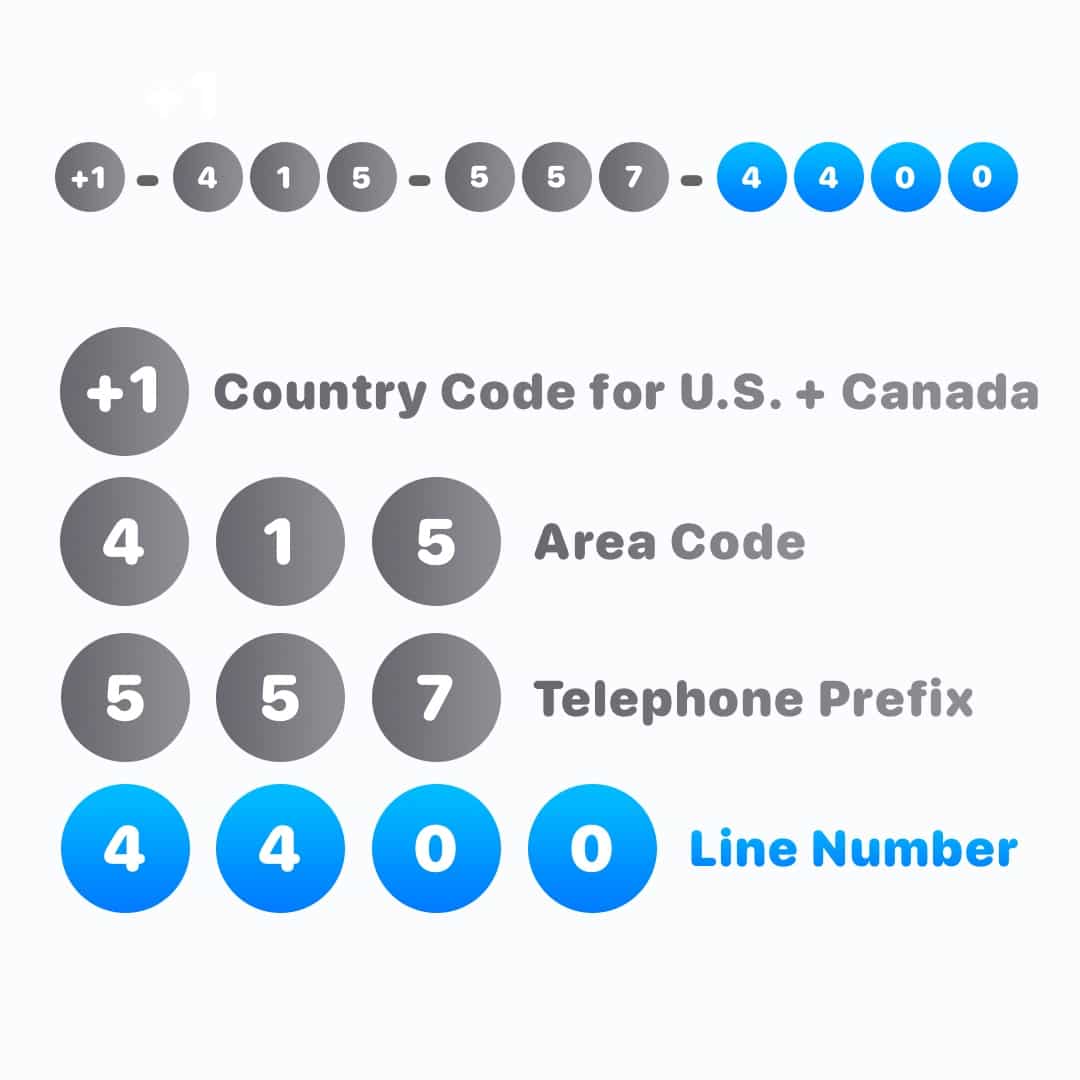
A phone number is far more than a set of digits; it is a standardized global addressing system. Governed primarily by the ITU-T E.164 recommendation, a phone number provides a unique international format that allows networks across the globe to interoperate seamlessly.
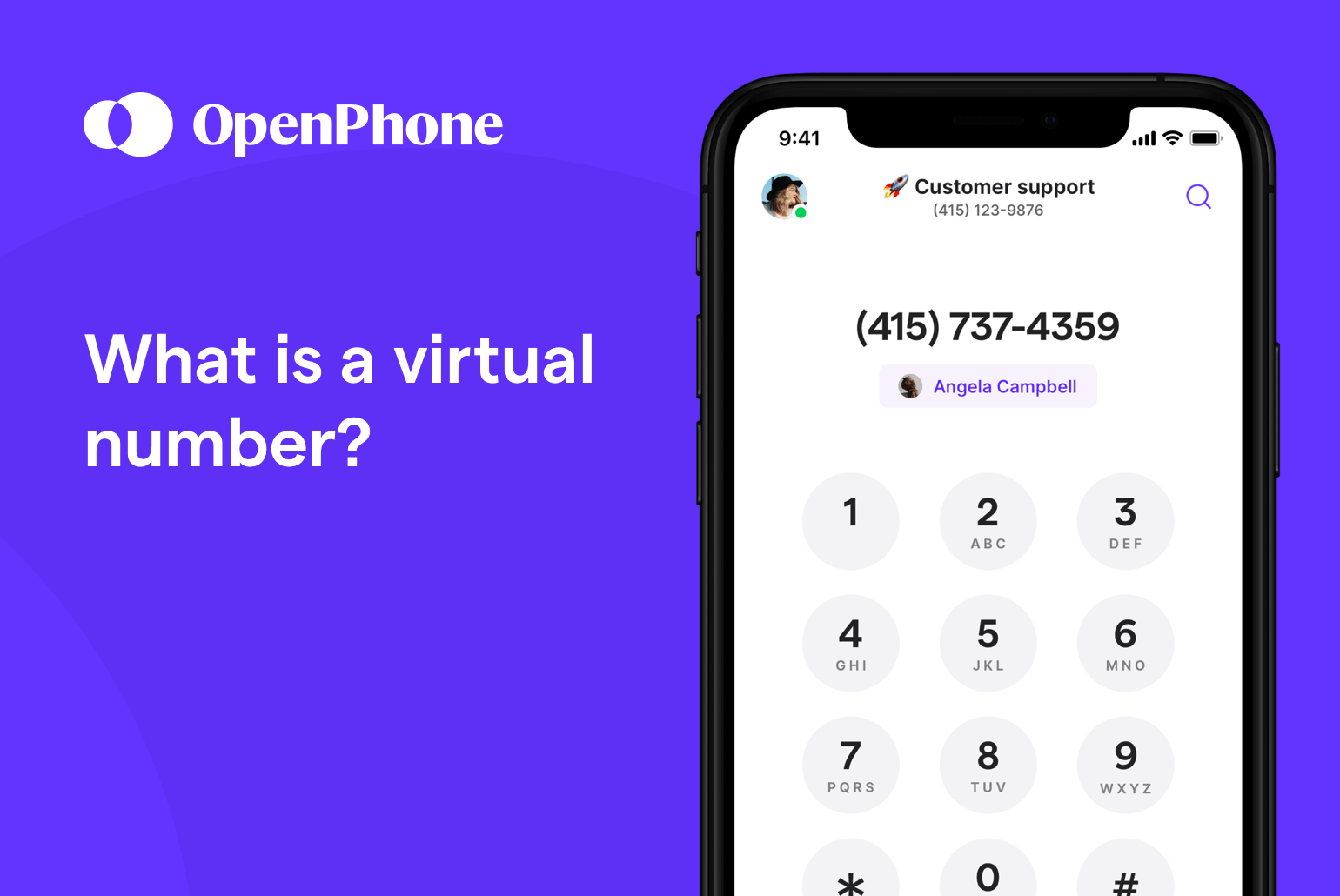
E.164 Formatting Explained
The E.164 standard dictates that a phone number can have a maximum of 15 digits. It includes the country code, the national destination code, and the subscriber number. This structure is what allows an application in Silicon Valley to initiate an SMS or voice call to a device in Tokyo without error. Without this rigorous standardization, the internet’s ability to bridge disparate telecommunication networks—such as PSTN (Public Switched Telephone Network) and VoIP (Voice over IP)—would collapse.
Why Phone Numbers Are the New “Social Security Number”
In the realm of digital technology, the phone number has become the most reliable primary key for user identity. Because phone numbers are tied to physical SIM cards, government-issued IDs, and verifiable carrier contracts, they offer a level of “identity assurance” that email addresses cannot match. This is why virtually every high-security application—from banking portals to encrypted messaging apps—uses the phone number as the primary identifier for account recovery and cross-device syncing.
The Role of Phone Numbers in Digital Security and Authentication
As cyber threats evolve, the reliance on static passwords has diminished, replaced by Multi-Factor Authentication (MFA). Here, the phone number plays the role of the “something you have” factor, cementing its importance in cybersecurity.
SMS-Based Two-Factor Authentication (2FA)
The most common implementation of phone-based security is the SMS One-Time Password (OTP). When a user attempts to log into a service, the server sends a unique, time-sensitive code to their registered mobile device. This ensures that even if a password is compromised, the attacker would still need physical access to the user’s mobile device to gain entry.
The Shift Toward Silent Authentication
While SMS 2FA is ubiquitous, it is increasingly vulnerable to “SIM swapping”—a process where an attacker convinces a carrier to port a victim’s number to a new device. Consequently, the tech industry is shifting toward “silent authentication” or “Mobile Identity.” This technology uses network-level signaling to verify that a user’s device is indeed in possession of the SIM card associated with the account, without the user ever needing to interact with a prompt or enter a code. This provides a frictionless user experience while simultaneously closing the security gaps inherent in traditional SMS messaging.
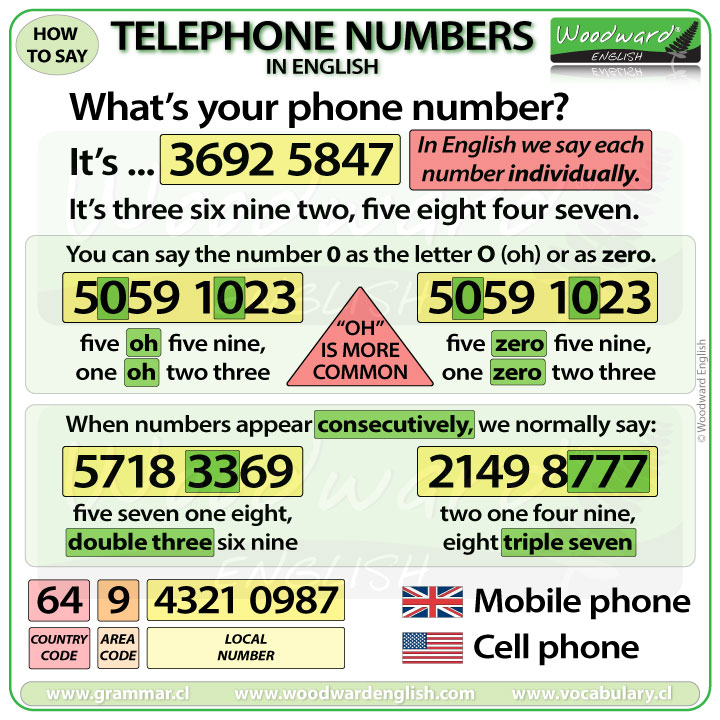
Integrating Communication APIs into Software Applications
For developers and product managers, the “phone number” is a data point managed through specialized APIs. Integrating these into software applications allows for the automation of high-scale communication, turning a static digit sequence into a programmable utility.
Programmable Voice and Messaging
Modern cloud communications platforms allow software to treat phone numbers as programmable objects. By utilizing webhooks and REST APIs, an application can trigger automated alerts, initiate masked voice calls, or facilitate two-way messaging between users without revealing their private numbers. This is critical for marketplace apps, where a buyer and seller need to coordinate a transaction without exposing personal contact information to one another.
Global Coverage and Local Presence
For businesses scaling globally, the ability to acquire local phone numbers in various jurisdictions is a strategic advantage. A user in London is statistically more likely to answer a call from a +44 (local) number than from an international one. Cloud-based telephony allows a startup to provision local numbers in 100+ countries instantly, providing the illusion of a local presence while centralizing the backend management in a single cloud dashboard.
The Future of Phone Numbers in the AI and IoT Era
As we move deeper into the era of Artificial Intelligence and the Internet of Things (IoT), the utility of the phone number is expanding into machine-to-machine communication.
IoT and Machine-to-Machine (M2M) Connectivity
Every connected smart device, from industrial sensors to high-end smart meters, requires a way to report data back to a central server. In many cases, these devices are equipped with eSIMs that utilize cellular networks. These devices require a “phone number”—or a MSISDN (Mobile Station International Subscriber Directory Number)—to be addressed on the network. As the IoT ecosystem grows to billions of devices, the phone number remains the most robust, battle-tested method for uniquely addressing hardware in the field.
Voice Assistants and AI Voice Interaction
We are currently witnessing the convergence of traditional telephony and AI voice agents. Soon, the concept of calling a “phone number” will evolve into calling an “AI endpoint.” Rather than navigating a tedious Interactive Voice Response (IVR) tree, users will be able to speak naturally to an AI agent capable of executing complex tasks. The phone number will serve as the entry point for this experience, acting as a gateway to sophisticated large language models (LLMs) that manage scheduling, customer support, and commerce via voice.
Conclusion: Safeguarding Your Digital Endpoint
A phone number is the fundamental bridge between the physical person and the digital machine. It is a critical piece of infrastructure that demands careful management, whether you are a developer integrating communication APIs or a consumer safeguarding your digital identity.
As we look toward the future, the phone number will continue to serve as the anchor for secure, authenticated, and programmable interaction. Its evolution from a simple dial-up address to a sophisticated digital identity token highlights the trajectory of modern technology: moving toward a world that is more connected, more automated, and more secure. By viewing the phone number through the lens of identity and infrastructure rather than just communication, businesses can leverage its full potential to build products that are both user-friendly and highly defensible in a competitive, threat-prone digital landscape. The “phone number” is, in essence, the key to the modern digital house—handle it with the architectural rigor it deserves.
aViewFromTheCave is a participant in the Amazon Services LLC Associates Program, an affiliate advertising program designed to provide a means for sites to earn advertising fees by advertising and linking to Amazon.com. Amazon, the Amazon logo, AmazonSupply, and the AmazonSupply logo are trademarks of Amazon.com, Inc. or its affiliates. As an Amazon Associate we earn affiliate commissions from qualifying purchases.