
Oracle, a name synonymous with enterprise technology for decades, stands as one of the world’s largest and most influential software and cloud computing companies. Far from being a niche player, Oracle’s reach extends across nearly every industry, powering the critical operations of businesses, governments, and educational institutions worldwide. To understand “what’s Oracle” is to delve into the very bedrock of modern information technology, exploring its foundational database technology, expansive suite of enterprise applications, ambitious foray into cloud computing, and its significant contributions to the broader tech ecosystem.
At its core, Oracle is a technology giant that provides a vast array of products and services, primarily aimed at enterprises. From the foundational software that manages vast datasets to sophisticated cloud infrastructure and artificial intelligence tools, Oracle’s offerings are designed to help organizations store, manage, analyze, and leverage their data to drive business value. It’s a company that has continually evolved, adapting to technological shifts from the mainframe era to client-server computing, the internet boom, and now the pervasive dominance of cloud and AI.
The Foundation: Oracle Database and Enterprise Software Dominance
Oracle’s story begins with its revolutionary database technology, a product that not only defined the company but also significantly shaped the landscape of corporate data management. Founded in 1977 as Software Development Laboratories (SDL) by Larry Ellison, Bob Miner, and Ed Oates, the company was inspired by a paper on relational database management systems. Their vision was to commercialize this concept, leading to the development of the Oracle Database, the world’s first commercially available relational database.
Pioneering Relational Database Management Systems
The Oracle Database was a groundbreaking innovation. Before its widespread adoption, data management was often fragmented, with organizations struggling to efficiently store, retrieve, and analyze large volumes of information. Oracle’s relational model provided a structured, standardized, and highly efficient way to organize data into tables, linked by common fields. This allowed for complex queries, ensured data integrity, and significantly improved the scalability and reliability of enterprise applications.
Its early success was driven by its ability to run on various operating systems and hardware platforms, making it highly flexible for businesses with diverse IT environments. This cross-platform compatibility, coupled with its robust performance and comprehensive feature set, quickly made the Oracle Database the gold standard for mission-critical applications across finance, manufacturing, government, and beyond. It became the backbone for countless business operations, from tracking inventory and processing transactions to managing customer relationships and financial records.
Expanding into Enterprise Application Software
Building on the immense success of its database technology, Oracle strategically expanded its product portfolio into enterprise application software. Recognizing that customers needed more than just a place to store data, but also tools to act upon it, Oracle began developing integrated suites of business applications.
Oracle E-Business Suite (EBS) emerged as a comprehensive collection of enterprise resource planning (ERP), customer relationship management (CRM), and supply chain management (SCM) applications. This suite allowed companies to manage all aspects of their operations—from finance and human resources to manufacturing and sales—within a unified system, powered by the underlying Oracle Database. This integration offered significant advantages, reducing data silos, improving operational efficiency, and providing a single source of truth for business intelligence.
Through a series of strategic acquisitions, most notably of PeopleSoft (ERP for HR and finance) and Siebel Systems (CRM), Oracle solidified its position as a dominant player in the enterprise application market. These acquisitions brought not only leading application technologies but also vast customer bases, further entrenching Oracle’s presence in large enterprises globally. The company’s strategy was clear: provide a complete, end-to-end technology stack, from the database up to the application layer, offering a “one-stop shop” for enterprise IT needs.
Expanding Horizons: Oracle Cloud Infrastructure and SaaS Dominance
As the technology landscape shifted towards the internet and the burgeoning concept of cloud computing, Oracle recognized the imperative to adapt and innovate. While initially slower to embrace the public cloud model compared to some competitors, Oracle made an aggressive pivot, investing heavily in developing its own robust cloud offerings. This strategic shift positioned Oracle not just as a traditional software vendor but as a significant force in the modern cloud era.
The Rise of Oracle Cloud Infrastructure (OCI)
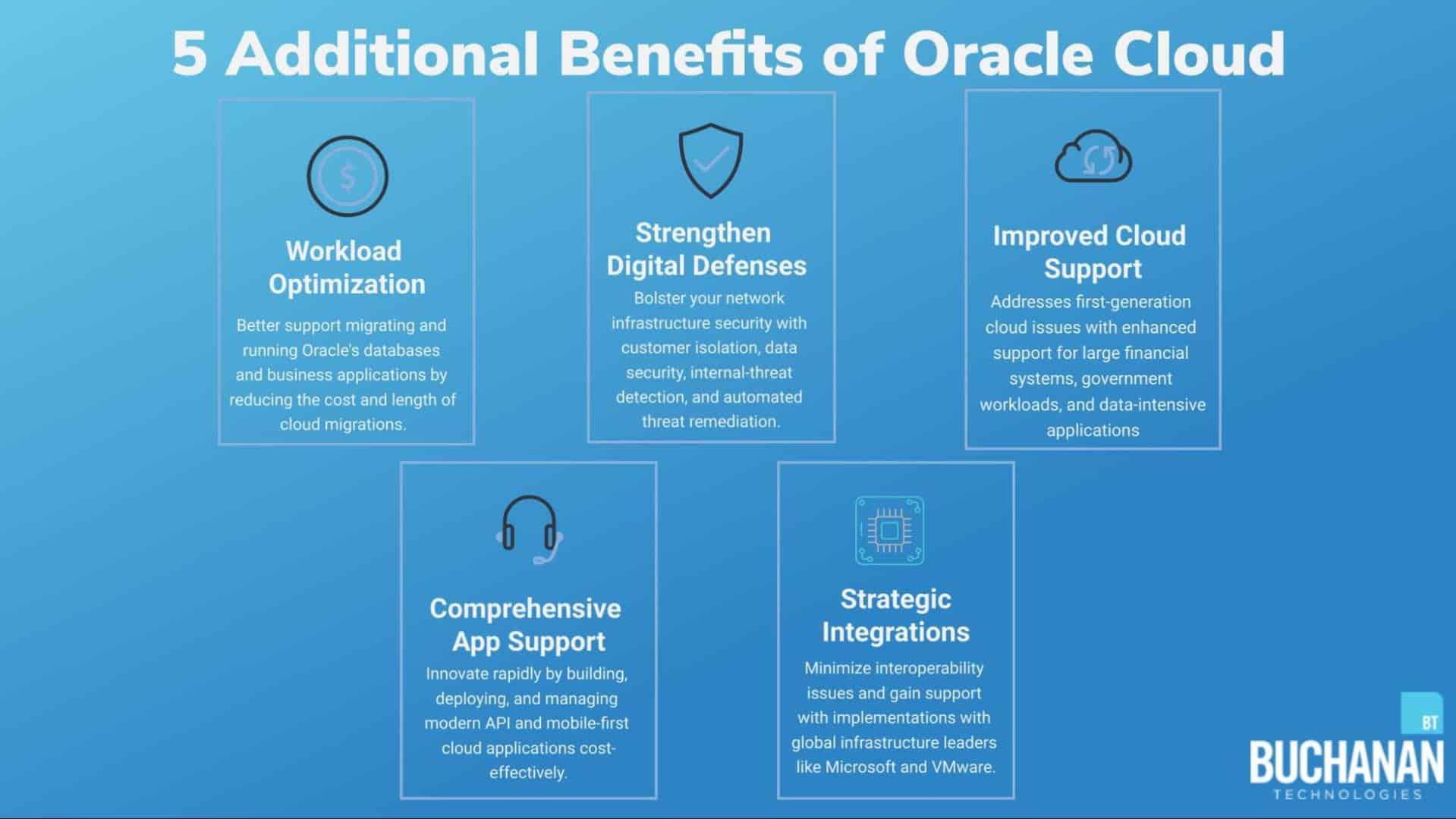
Oracle Cloud Infrastructure (OCI) is Oracle’s second-generation cloud platform designed to offer high-performance, secure, and cost-effective cloud services. Unlike some early cloud providers that optimized for general-purpose workloads, OCI was engineered from the ground up to support enterprise-grade applications and databases, particularly Oracle’s own core technologies. This focus translates into superior performance for demanding workloads, robust security features, and a commitment to competitive pricing.
OCI provides a comprehensive suite of cloud services, including:
- Compute: Virtual machines and bare metal servers for various workloads.
- Storage: Block, object, archive, and file storage solutions.
- Networking: Virtual private cloud (VPC) with high-speed connectivity.
- Databases: Managed database services, including Autonomous Database, which is self-driving, self-securing, and self-repairing.
- Analytics and AI/ML: Tools for data warehousing, business intelligence, and machine learning model development.
- Developer Services: Containerization, serverless functions, and CI/CD tools.
OCI’s architecture emphasizes a “customer-first” approach, offering predictable performance and simplified management for critical enterprise applications. Its global network of regions and availability domains ensures high availability and disaster recovery capabilities, making it a reliable choice for businesses seeking to migrate or build cloud-native applications.
SaaS Applications and Industry-Specific Solutions
Beyond infrastructure, Oracle has also become a powerhouse in the Software-as-a-Service (SaaS) market. Leveraging its extensive portfolio of enterprise applications, Oracle has transformed these into cloud-delivered services, providing businesses with modern, scalable, and continuously updated solutions.
Key Oracle SaaS offerings include:
- Oracle Fusion Cloud Applications: A comprehensive suite covering ERP, Human Capital Management (HCM), Supply Chain Management (SCM), and Customer Experience (CX). These are designed to be natively cloud-based, leveraging modern architectures and artificial intelligence for enhanced capabilities.
- NetSuite: Acquired by Oracle in 2016, NetSuite is a leading cloud-based business management software suite, offering ERP, CRM, professional services automation (PSA), and e-commerce functionalities to small and medium-sized businesses (SMBs) and mid-market companies. It was one of the original cloud-native business applications, and its acquisition significantly bolstered Oracle’s position in the SaaS market.
- Industry-Specific Clouds: Oracle has developed specialized cloud solutions tailored for various industries, such as healthcare, financial services, retail, and communications. These vertical-specific offerings combine industry best practices with Oracle’s technology stack to address unique business challenges and regulatory requirements.
Oracle’s SaaS strategy focuses on delivering deep functionality, seamless integration across applications, and continuous innovation, allowing customers to consume advanced business capabilities without the burden of managing underlying infrastructure.
Key Technologies and Solutions Beyond the Core
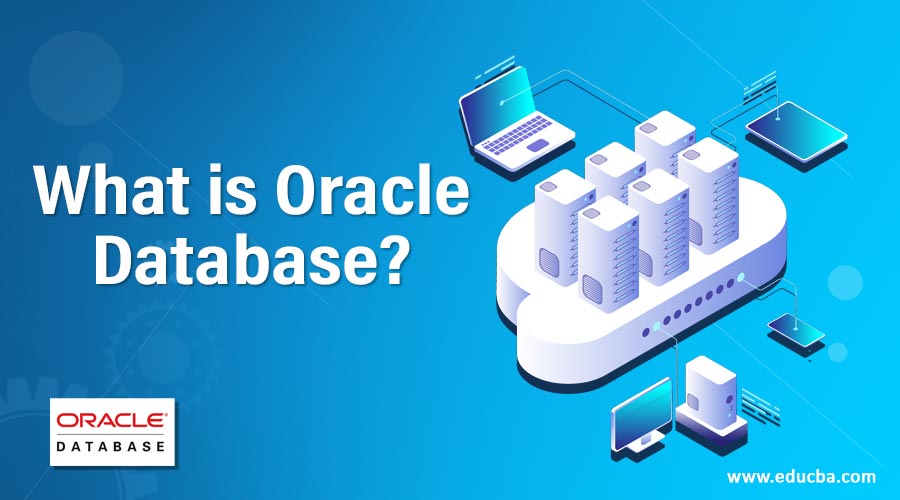
Oracle’s technological footprint extends far beyond its flagship database and cloud offerings. The company is a significant contributor and innovator across various critical technology domains, influencing everything from programming languages to specialized hardware. This broader portfolio underscores Oracle’s comprehensive approach to enterprise technology.
Java: A Universal Programming Language
One of Oracle’s most impactful contributions to the broader tech world comes through its stewardship of Java. Acquired as part of Sun Microsystems in 2010, Java is one of the most widely used programming languages globally, powering billions of devices, from enterprise servers and mobile applications to IoT devices and embedded systems.
Oracle continues to develop and maintain the Java platform, releasing new versions and contributing to its ongoing evolution through the OpenJDK project. Its ubiquitous presence makes Java a critical component in enterprise IT, cloud computing, and numerous other sectors. Oracle’s commitment to Java ensures its continued relevance and innovation, supporting a massive ecosystem of developers and applications.
AI, Machine Learning, and Data Analytics
In the era of big data and artificial intelligence, Oracle has made substantial investments in integrating AI and machine learning capabilities across its product stack. Its Autonomous Database, for instance, leverages machine learning to automate patching, tuning, and security, significantly reducing manual administrative tasks and enhancing performance.
Oracle’s cloud platform (OCI) offers robust services for data analytics and AI/ML development. These include:
- Oracle Analytics Cloud: A comprehensive platform for data preparation, visualization, and advanced analytics.
- AI/ML Services: Tools for building, training, and deploying machine learning models, including services for natural language processing, computer vision, and forecasting.
- Data Lakehouse Solutions: Integrated capabilities for storing and analyzing vast quantities of structured and unstructured data, enabling organizations to derive deeper insights from their information assets.
These capabilities allow businesses to leverage their data more effectively, automate processes, predict trends, and make more informed decisions, directly impacting their competitive advantage and operational efficiency.
Hardware and Engineered Systems
While primarily known for its software, Oracle also maintains a significant presence in the hardware market, particularly through its Engineered Systems. These are integrated stacks of hardware and software designed to work together seamlessly for optimal performance and efficiency. A prime example is Exadata, an engineered system optimized for running Oracle Databases at extreme speeds.
Acquired from Sun Microsystems, Oracle also maintains the SPARC processor architecture and related server hardware, though its strategic focus has increasingly shifted towards cloud infrastructure services where it provides infrastructure to run various hardware types underneath. The engineered systems represent Oracle’s belief in delivering highly optimized, pre-integrated solutions that reduce complexity and improve performance for specific enterprise workloads.
Oracle’s Impact and the Future Landscape
Oracle’s enduring presence and continuous evolution have left an indelible mark on the technology industry. From pioneering the relational database to becoming a formidable cloud provider, its influence spans across fundamental IT infrastructure, business applications, and emerging technologies. Understanding Oracle’s past and present provides crucial insights into its potential trajectory and ongoing impact.
Driving Enterprise Digital Transformation
Oracle plays a critical role in the digital transformation initiatives of enterprises globally. By providing scalable cloud infrastructure, integrated business applications, and advanced analytics tools, Oracle enables organizations to modernize their IT landscapes, automate processes, improve customer experiences, and unlock new business opportunities. Its comprehensive suite helps companies migrate from legacy on-premise systems to agile cloud environments, fostering innovation and resilience.
Furthermore, Oracle’s global footprint and industry-specific expertise mean that its technologies are embedded in the critical operations of a vast array of sectors. Whether it’s managing complex supply chains, processing financial transactions, or delivering healthcare services, Oracle’s solutions underpin the essential functions of the modern economy.
Competitive Landscape and Strategic Acquisitions
Oracle operates in a highly competitive market, facing off against other tech giants like Amazon Web Services (AWS), Microsoft Azure, Google Cloud Platform in the cloud space, and SAP, Salesforce, and Workday in the enterprise application arena. To maintain its competitive edge, Oracle has consistently engaged in strategic acquisitions, integrating new technologies and talent to bolster its offerings. The acquisitions of NetSuite, Cerner (a leading health IT company), and numerous smaller cloud and AI firms exemplify this strategy.
These acquisitions not only expand Oracle’s market share but also allow it to quickly acquire cutting-edge technologies and deep vertical expertise, such as in the healthcare sector with Cerner. This aggressive M&A strategy, combined with significant internal R&D investments, positions Oracle to adapt to changing market demands and continue its growth trajectory.
The Future: Cloud, AI, and Industry Focus
Looking ahead, Oracle’s future is firmly rooted in the expansion of its cloud services and the pervasive integration of artificial intelligence and machine learning. The company aims to further differentiate OCI through its high-performance characteristics, superior security, and compelling economics for enterprise workloads. The Autonomous Database, with its self-management capabilities, represents a key innovation that exemplifies Oracle’s vision for future database technology.
Oracle will also continue to deepen its industry-specific cloud solutions, recognizing that generalized platforms often require significant customization for niche sector requirements. By offering tailored applications and services for verticals like healthcare, finance, and manufacturing, Oracle seeks to provide higher value and tighter integration for its customers. The focus on delivering complete, intelligent, and secure cloud ecosystems will remain central to Oracle’s strategy as it navigates the evolving technological landscape.
In summary, “what’s Oracle” reveals a multifaceted technology powerhouse—a pioneer in data management, a dominant force in enterprise applications, and a rapidly growing player in cloud computing and AI. Its journey from a database startup to a global tech giant is a testament to its continuous innovation, strategic vision, and unwavering commitment to serving the complex technological needs of enterprises worldwide. Oracle doesn’t just provide technology; it provides the essential infrastructure that keeps much of the global economy running.
aViewFromTheCave is a participant in the Amazon Services LLC Associates Program, an affiliate advertising program designed to provide a means for sites to earn advertising fees by advertising and linking to Amazon.com. Amazon, the Amazon logo, AmazonSupply, and the AmazonSupply logo are trademarks of Amazon.com, Inc. or its affiliates. As an Amazon Associate we earn affiliate commissions from qualifying purchases.