
In an era defined by digital transformation and on-demand consumption, the traditional television landscape has undergone a seismic shift. At the forefront of this evolution stands YouTube TV, a robust live TV streaming service that has redefined how millions access broadcast and cable content. Far from being a mere digital conduit, YouTube TV represents a sophisticated technological platform, leveraging advanced infrastructure to deliver a comprehensive, personalized, and flexible viewing experience. This exploration delves into the core components that constitute YouTube TV’s offering, examining its channel lineup, innovative features, technical underpinnings, and its pivotal role in the ongoing disruption of conventional media consumption.
The Core Offering: A Robust Channel Lineup for Every Viewer
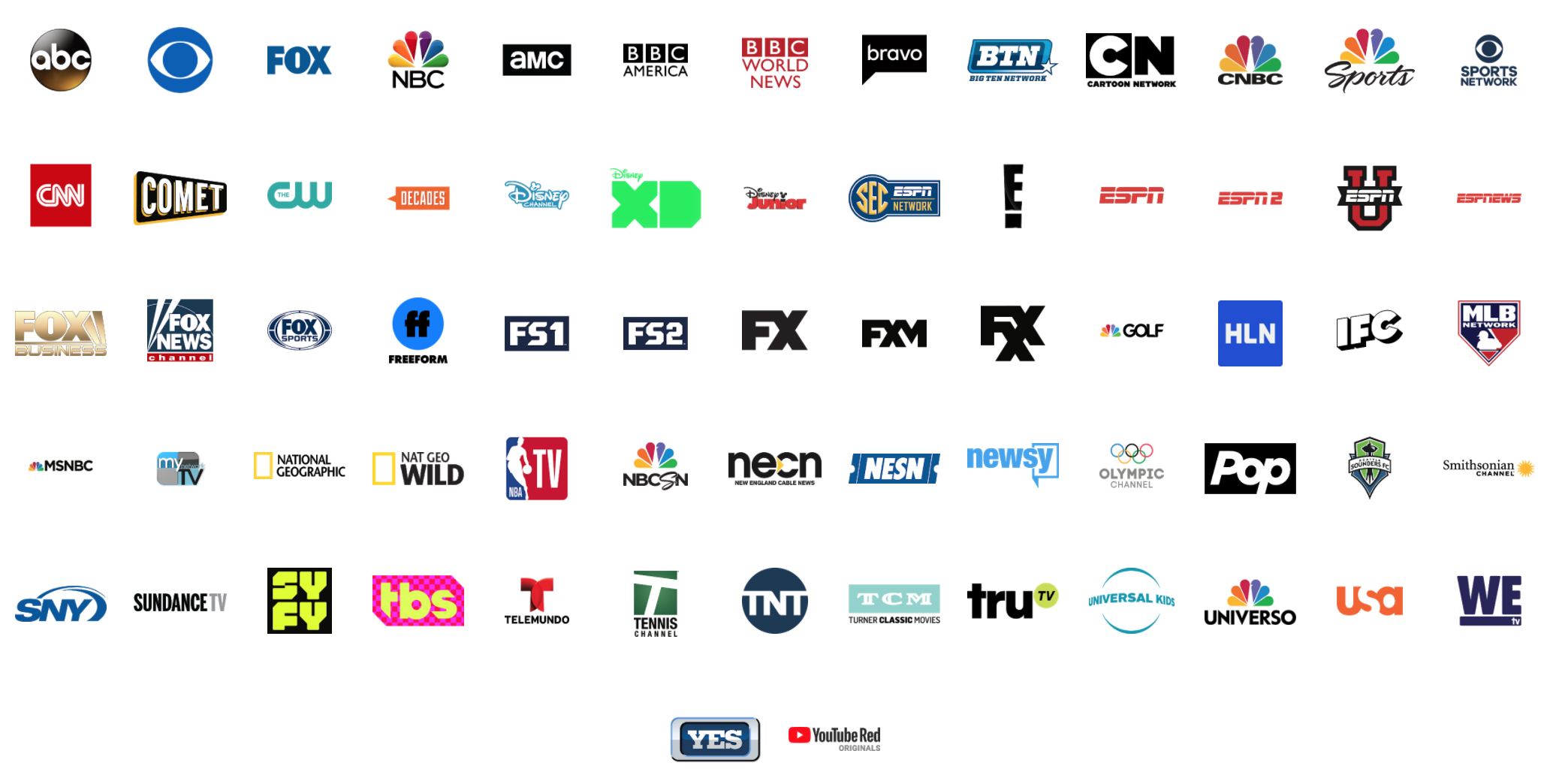
At the heart of YouTube TV’s appeal is its extensive and carefully curated channel lineup, designed to cater to a diverse array of viewing preferences. Unlike many à la carte streaming services, YouTube TV adopts a comprehensive bundle approach, mirroring traditional cable but with the inherent flexibility and digital enhancements of modern technology. This aggregation of content positions it as a genuine contender for cord-cutters seeking a full-service replacement.
Major Broadcast Networks and Local Channels
A primary draw for any live TV streaming service is its ability to deliver major broadcast networks, and YouTube TV excels in this regard. Subscribers gain access to ABC, CBS, FOX, NBC, and The CW, alongside a significant number of local PBS stations. The technical challenge of delivering geographically specific local channels is substantial, requiring sophisticated geo-location and content delivery networks (CDNs) to ensure viewers receive broadcasts relevant to their precise location. This integration means users can watch prime-time shows, national news, and, crucially, local news and weather programming live, bridging the gap between traditional over-the-air broadcasting and a purely digital experience. Furthermore, regional sports content, often carried on local network affiliates, becomes accessible, providing an essential link for fans to their hometown teams.
Diverse Cable Entertainment and Lifestyle Channels
Beyond the broadcast mainstays, YouTube TV boasts an impressive array of cable channels spanning virtually every genre. From the dramatic narratives on AMC and FX to the engaging reality of HGTV and Food Network, the service covers a vast spectrum of entertainment. Comedy enthusiasts can tune into Comedy Central, while sci-fi and fantasy fans can immerse themselves in Syfy. Family-friendly programming is amply covered with channels like Nickelodeon, Cartoon Network, and Disney Channel. The inclusion of news giants such as CNN, Fox News, and MSNBC provides round-the-clock current events coverage. The technical infrastructure supporting this multitude of channels involves intricate encoding, transcoding, and streaming protocols, ensuring that live feeds are delivered with minimal latency and high fidelity across various devices and network conditions.
Comprehensive Sports Coverage
For sports enthusiasts, YouTube TV offers a particularly compelling proposition. Its robust sports package includes major national networks like ESPN, Fox Sports, CBS Sports, and NBC Sports, guaranteeing access to a wide range of professional and collegiate events. Specialized sports channels such as NFL Network, MLB Network, and NBA TV are also part of the core offering, providing dedicated coverage for specific leagues. The integration of regional sports networks (RSNs) further solidifies its position, delivering localized game broadcasts that are often the most difficult for streaming services to secure due to complex distribution rights. The challenge here is not just securing the content, but delivering high-definition, low-latency streams during peak viewership, a testament to YouTube’s underlying streaming technology and global network infrastructure. The 4K Plus add-on, for instance, leverages advanced encoding and dedicated bandwidth to provide an ultra-high-definition viewing experience for select live sporting events, pushing the boundaries of consumer-grade live streaming.
Beyond Live TV: Cutting-Edge Features Redefining the Viewing Experience
YouTube TV distinguishes itself not only by its content but also by a suite of technologically advanced features designed to enhance usability, flexibility, and personalization. These features move beyond simple content delivery, transforming the passive act of watching television into an interactive and customizable experience.
Unlimited Cloud DVR: Never Miss a Moment
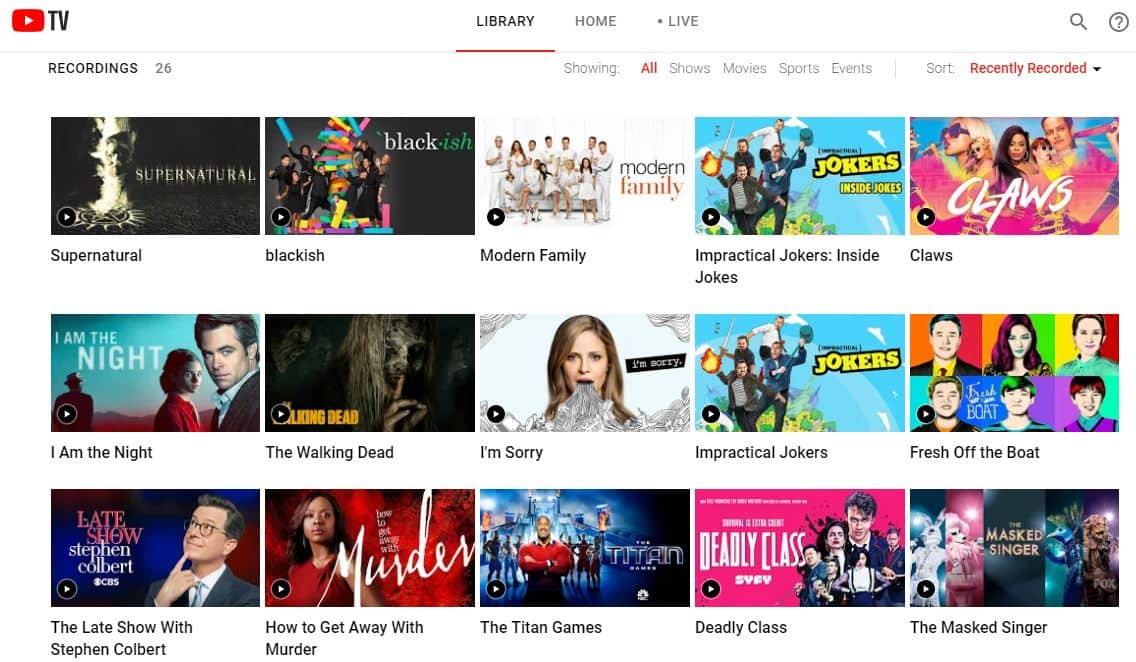
One of YouTube TV’s most lauded features is its unlimited cloud-based Digital Video Recorder (DVR). Unlike traditional DVRs constrained by local storage, YouTube TV’s cloud DVR allows users to record as many shows as they want simultaneously, with recordings stored for nine months. This functionality represents a significant technological feat, requiring massive scalable storage solutions and efficient data management. When a user initiates a recording, the system essentially creates a unique instance of that program tied to their account in the cloud. This digital archival method eliminates hardware failures, provides universal access from any supported device, and frees users from the limitations of local hard drives. The ability to fast-forward through commercials on recorded content further enhances the user experience, though this feature is sometimes subject to network-specific restrictions, requiring sophisticated rights management.
Seamless Multi-User Experience and Concurrent Streams
Understanding the dynamics of modern households, YouTube TV supports up to six individual user accounts, each with its own personalized library, recommendations, and viewing history. This multi-profile system is underpinned by sophisticated backend account management and data segmentation, ensuring that each user’s experience is distinct and tailored. Furthermore, the service allows for three concurrent streams, meaning different household members can watch different programs simultaneously on separate devices. This technical capability necessitates efficient resource allocation and robust server infrastructure to handle multiple live feeds to various endpoints without degradation in quality for any individual stream. The ability to manage these streams and profiles seamlessly across different devices is a hallmark of YouTube TV’s user-centric design.
Personalization and Content Discovery
Leveraging Google’s extensive data analysis capabilities, YouTube TV offers highly personalized content recommendations. The “Home” tab dynamically adapts to viewing habits, suggesting live shows, recorded programs, and on-demand content that aligns with individual preferences. This personalization engine uses machine learning algorithms to analyze viewing patterns, search queries, and interactions, creating a unique content journey for each user. Beyond recommendations, the platform offers intuitive content discovery tools, including a comprehensive search function that spans live, recorded, and on-demand libraries. Users can create a “Library” of shows, movies, and sports teams, which then automatically records new episodes or games, streamlining access to preferred content.
Add-on Networks and Premium Content Expansion

YouTube TV’s core offering can be expanded through a variety of optional add-on networks, allowing users to further customize their viewing experience. These premium add-ons include services like HBO Max, Showtime, Starz, and various sports packages. From a technical perspective, integrating these third-party services into the YouTube TV ecosystem involves complex API integrations, unified billing systems, and seamless user authentication. When a user subscribes to an add-on, the relevant content streams become accessible directly within the YouTube TV interface, eliminating the need to switch between different apps. The “4K Plus” add-on is particularly noteworthy from a tech standpoint, as it enables 4K resolution streaming for select live and on-demand content, provides offline downloads of DVR recordings, and expands concurrent streams to unlimited at home, showcasing a significant investment in bandwidth and encoding technology.
Technical Prowess: Performance, Compatibility, and User Interface
The underlying technology that powers YouTube TV is critical to its performance and user satisfaction. From widespread device support to adaptive streaming and an intuitive interface, the service is engineered for reliability and ease of use.
Cross-Device Compatibility: Watch Anywhere, Anytime
YouTube TV’s accessibility across a vast array of devices is a significant technical achievement. It supports smart TVs (Samsung, LG, Vizio, etc.), streaming media players (Roku, Apple TV, Chromecast, Amazon Fire TV), game consoles (Xbox), mobile devices (iOS and Android smartphones and tablets), and web browsers on computers. This broad compatibility is maintained through platform-specific app development and standardized web technologies, all communicating with Google’s cloud infrastructure. The “anywhere, anytime” promise relies on robust account management and content delivery networks (CDNs) that efficiently distribute video streams globally, ensuring that content is served from the nearest available server to minimize latency and buffering, regardless of the user’s location or device.
Streaming Quality and Adaptive Bitrate Technology
Delivering high-quality video streams consistently is a complex technical challenge. YouTube TV employs adaptive bitrate streaming (ABS) technology, which dynamically adjusts the video quality based on the user’s internet connection speed and device capabilities. If bandwidth is plentiful, the stream will be delivered in the highest possible resolution (up to 1080p for most content, with 4K for specific programming with the add-on). Should the network become congested, the system automatically lowers the bitrate and resolution to maintain a continuous, buffer-free playback experience. This seamless adjustment, often imperceptible to the user, requires sophisticated encoding algorithms and real-time network monitoring, minimizing interruptions and ensuring a smooth viewing experience even in fluctuating network environments.
Intuitive User Interface and Navigation
The user interface (UI) and user experience (UX) of YouTube TV are meticulously designed to be intuitive and efficient. The layout mirrors traditional TV guides while integrating modern streaming functionalities. Key sections like “Home,” “Live,” and “Library” are clearly demarcated, providing easy access to personalized recommendations, the current channel lineup, and recorded content. The “Live” guide presents a familiar grid layout, displaying current and upcoming programming across all available channels. Search functionality is robust, allowing users to quickly find specific shows, movies, or sports events. Navigation is optimized for various input methods, whether a remote control, touch screen, or keyboard. This emphasis on UI/UX is critical for a service that aims to replace traditional cable, making the transition as smooth and user-friendly as possible, leveraging design principles that prioritize accessibility and ease of discovery.
Digital Security and Account Management
Given the personal and financial data involved, digital security is paramount for YouTube TV. The platform employs industry-standard encryption protocols to protect user data and streaming content. Account management features include strong password requirements, multi-factor authentication (MFA) options, and session management, allowing users to review and manage active devices. This robust security infrastructure protects against unauthorized access, ensuring the integrity of user profiles and billing information. The continuous monitoring of potential threats and regular security updates are integral to maintaining a secure streaming environment, reflecting Google’s broader commitment to digital safety across all its services.
YouTube TV in the Modern Media Landscape: An Evolution of Television
YouTube TV is more than just a streaming service; it represents a significant technological and cultural shift in how linear television content is consumed. Its design and operation fundamentally challenge long-held paradigms within the media industry.
Disruption of Traditional Cable and Satellite Models
From a technological standpoint, YouTube TV’s success is largely predicated on its ability to offer a compelling alternative to traditional cable and satellite services, which are often burdened by legacy infrastructure and rigid service models. By delivering content over the internet, YouTube TV bypasses the need for set-top boxes, complex wiring, and geographical installation limitations. The digital nature of the service allows for greater flexibility in packaging and pricing, often resulting in cost savings for consumers, especially those wary of hidden fees and long-term contracts. The shift from dedicated coaxial cables or satellite dishes to an internet connection for TV content signifies a profound technological leap, democratizing access and empowering users with more control over their media consumption.
The Future of Linear TV in a Streaming-First World
YouTube TV’s integration with the broader YouTube ecosystem also points towards the future direction of linear television. The ability to seamlessly switch between user-generated content and professional broadcast programming within the same platform offers a unified media experience. This convergence represents a strategic advantage, leveraging YouTube’s massive user base and advanced recommendation engines to introduce traditional TV viewers to digital content and vice-versa. The continuous innovation cycle, including the introduction of features like 4K streaming, demonstrates a commitment to evolving the live TV experience, adapting to new technological capabilities and consumer demands in a rapidly changing media environment. This proactive approach ensures that linear television, even in a streaming-first world, remains relevant and continues to innovate.
Addressing Common Technical Challenges and User Feedback
Like any complex technological service, YouTube TV faces its share of challenges. Buffering issues, while minimized by adaptive bitrate technology, can still occur due to local network congestion or internet service provider limitations. Occasional outages, though rare, are also a reality for cloud-based services. YouTube TV actively addresses these challenges through continuous software updates, network optimizations, and a robust support infrastructure. User feedback plays a critical role in this iterative process, influencing new feature development and technical improvements. For instance, enhancements to the DVR, library organization, and personalization features often stem directly from user suggestions, highlighting an agile development approach that prioritizes the user experience within its technical roadmap. This continuous refinement ensures YouTube TV remains at the cutting edge of live TV streaming, constantly adapting to both technological advancements and the evolving needs of its subscriber base.
aViewFromTheCave is a participant in the Amazon Services LLC Associates Program, an affiliate advertising program designed to provide a means for sites to earn advertising fees by advertising and linking to Amazon.com. Amazon, the Amazon logo, AmazonSupply, and the AmazonSupply logo are trademarks of Amazon.com, Inc. or its affiliates. As an Amazon Associate we earn affiliate commissions from qualifying purchases.