
The Amazon Fire TV Stick has evolved from a simple HDMI dongle into a sophisticated computing device that sits at the center of the modern digital living room. When users ask “what’s on Fire Stick,” they are often looking for more than just a list of movies; they are inquiring about the software architecture, the breadth of the app ecosystem, and the integration of artificial intelligence that powers the experience. As of 2024, the Fire Stick represents one of the most versatile entry points into the “Internet of Things” (IoT), blending high-definition entertainment with smart home utility.
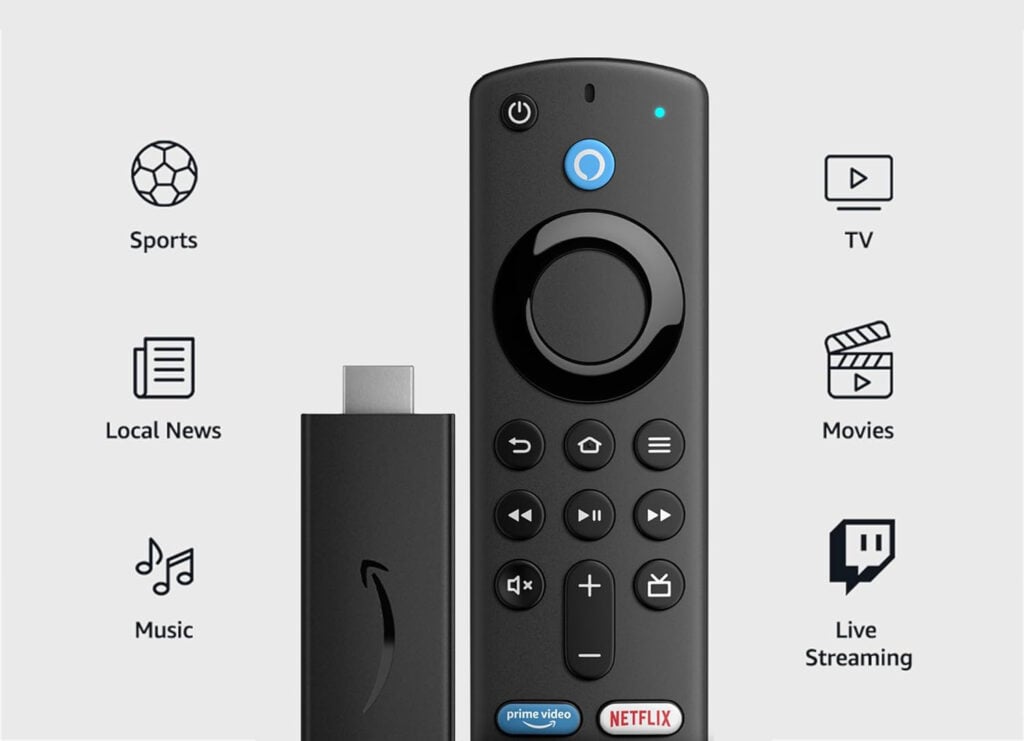
This guide explores the technical layers of the Fire Stick, the expansive library of content available through its operating system, and the advanced features that make it a cornerstone of contemporary tech lifestyle.
The Foundation: Fire OS and Hardware Capabilities
To understand what is on a Fire Stick, one must first understand the software that drives it. Every Fire Stick runs on Fire OS, a proprietary operating system built on the Android Open Source Project (AOSP). This foundation allows the device to run millions of Android-based applications while maintaining a uniquely Amazon-centric user interface.
Fire OS and the User Interface
The current iteration of Fire OS (versions 7 and 8, depending on the hardware) features a tile-based interface designed for discovery. The “Home” screen uses machine learning algorithms to suggest content based on viewing habits. “What’s on” the home screen is a dynamic mix of recently watched shows, sponsored content, and “Live” TV previews. The navigation bar serves as the gateway to the Appstore, Library, and the unified “Find” feature, which searches across multiple streaming services simultaneously.
Voice Control and Alexa Integration
One of the most powerful “on-board” features is Alexa. The Fire Stick isn’t just a media player; it is an Alexa endpoint. By using the Voice Remote, users can interact with a cloud-based AI to launch apps, search for specific actors, or control smart home devices like lights and thermostats. This integration means that “what’s on” the Fire Stick includes a full-service digital assistant capable of managing schedules, providing weather updates, and even displaying live feeds from Ring video doorbells directly on the television screen.
Evolution of Hardware: From Lite to 4K Max
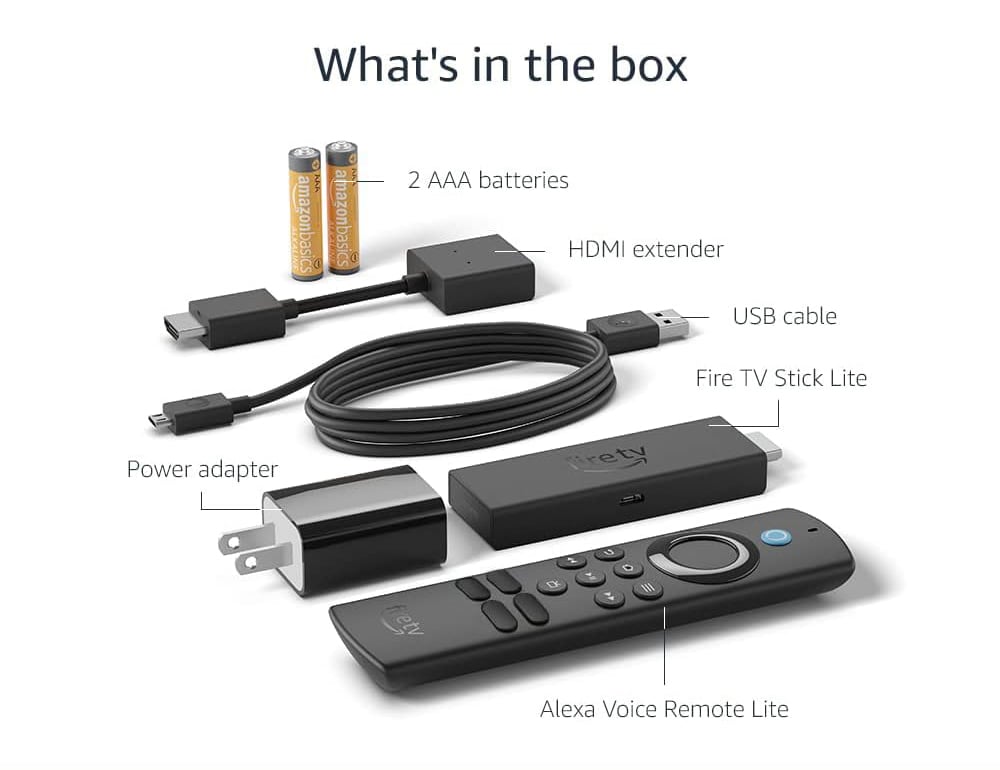
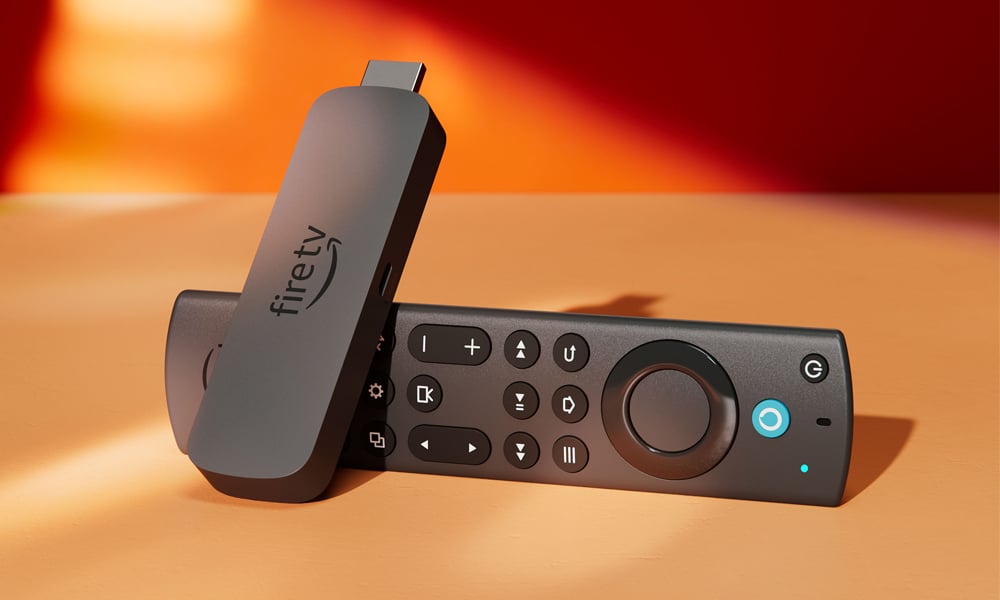
The physical device dictates the quality of the software experience. The product line ranges from the Fire TV Stick Lite (1080p) to the Fire TV Stick 4K Max. The “Max” version includes Wi-Fi 6E support and an upgraded processor, allowing for smoother navigation and “Ambient Experience,” which turns the TV into a smart display showing art and widgets when not in use. This hardware variety ensures that the “tech” on the device matches the user’s home infrastructure.
The App Ecosystem: Expanding the Content Horizon
The primary reason for the Fire Stick’s popularity is its massive repository of applications. The Amazon Appstore hosts thousands of tools, games, and streaming services that transform the television into a multi-functional terminal.
Major Streaming Giants and Subscription Services
At its core, the Fire Stick is a gateway to every major premium streaming service. This includes Netflix, Disney+, Hulu, Max, and, naturally, Amazon Prime Video. These apps are optimized for the Fire Stick’s hardware, supporting high-dynamic-range (HDR) formats like Dolby Vision and HDR10+, as well as immersive audio formats like Dolby Atmos. The integration is so deep that users can often see “Continue Watching” rows for these external apps directly on the Fire OS home screen.
Free Ad-Supported TV (FAST) and Live Integration
A significant part of “what’s on” the Fire Stick today is free content. Amazon has integrated “Freevee” (formerly IMDb TV) directly into the OS, providing thousands of movies and shows at no cost. Additionally, the “Live” tab aggregates content from Pluto TV, Tubi, and Amazon’s own news app. This provides a cable-like experience without the subscription fee, utilizing the device’s ability to process live metadata and electronic program guides (EPG).
Specialized Niche and International Apps
Beyond the mainstream, the Fire Stick hosts a variety of niche platforms. This includes educational apps like MasterClass, fitness platforms like Peloton, and international services like BritBox or Rakuten Viki. For the tech-savvy user, the Fire Stick also supports Plex and Kodi (via sideloading), allowing for the streaming of locally stored media libraries across a home network.
Productivity, Utility, and Cloud Gaming
The modern Fire Stick has moved beyond the “video-only” category. It is increasingly being used as a productivity tool and a gaming console, thanks to advancements in cloud computing.
Web Browsing and File Management
Every Fire Stick comes equipped with the Silk Browser, Amazon’s custom web browser optimized for a remote control. This allows users to access the full internet, check emails, or visit sites that do not have dedicated apps. Furthermore, utility apps like “Downloader” and various file managers allow users to manage the device’s internal storage, which is crucial for maintaining performance and organizing downloads.
Gaming and Amazon Luna
With the introduction of Amazon Luna, the Fire Stick has become a viable gaming machine. Luna is a cloud gaming service that streams high-end PC and console games directly to the Stick. This eliminates the need for expensive hardware; the “tech” on the Fire Stick simply acts as a receiver for the video stream while the heavy processing happens in Amazon’s data centers. Users can pair a Bluetooth controller directly to the Stick to play titles ranging from indie hits to AAA blockbusters like Fortnite and Ubisoft titles.
Smart Home Hub and Widgets
On newer models like the 4K Max (2nd Gen), the Fire Stick features the “Ambient Experience.” This includes over 2,000 pieces of museum-quality art and customizable widgets. These widgets allow users to see their “To-Do” lists, “Shopping Lists,” and “Smart Home” status at a glance. In this context, “what’s on” the Fire Stick is a localized dashboard for the user’s digital life.
Maximizing Performance and Digital Security
As a device connected to the internet and frequently used for personal accounts, the technical health and security of the Fire Stick are paramount.
Sideloading and Third-Party App Management
Because Fire OS is based on Android, it allows for “sideloading”—the process of installing apps not found in the official Amazon Appstore. While this opens the door to specialized tools and open-source software, it requires an understanding of the “Developer Options” menu. Tech enthusiasts often use this to install custom launchers or specialized media players, though it requires a higher level of digital literacy to perform safely.
VPNs and Privacy on Fire OS
Privacy is a major concern for modern tech users. The Fire Stick supports a wide array of Virtual Private Networks (VPNs). By installing a VPN app directly onto the Stick, users can encrypt their internet traffic, preventing Internet Service Providers (ISPs) from throttling streaming speeds and adding a layer of anonymity to their browsing and viewing habits. This is a critical technical component for users who prioritize digital security.
Cache Management and Optimization
To keep the Fire Stick running smoothly, users must manage its “tech debt.” This involves clearing the cache of heavy apps like YouTube or Netflix and managing the limited 8GB to 16GB of onboard storage. Utilizing tools like “Background Apps and Process List” helps users identify which applications are taxing the CPU, ensuring that the interface remains snappy and responsive.
The Future of Fire TV: AI and Enhanced Interactivity
Looking ahead, “what’s on” the Fire Stick will increasingly be defined by Artificial Intelligence. Amazon has already begun rolling out Large Language Model (LLM) updates to Alexa on Fire TV. This allows for more natural, conversational searches. Instead of searching for “Action Movies,” a user could ask, “What was that movie where the guy travels through dreams?” and the AI will identify Inception.
Furthermore, the integration of “Matter”—the new smart home interoperability standard—means the Fire Stick will soon be able to communicate more seamlessly with devices from Apple, Google, and Samsung. The Fire Stick is transitioning from a content player to a central processor for the smart home, proving that the answer to “what’s on Fire Stick” is a constantly expanding frontier of technological innovation.
In conclusion, the Fire Stick is a dense package of software engineering and content delivery. It bridges the gap between traditional media and the future of AI-driven, interconnected living. Whether you are using it for 4K cinema, cloud gaming, or managing your smart home, the “tech” inside this small device offers a level of versatility that few other gadgets can match.
aViewFromTheCave is a participant in the Amazon Services LLC Associates Program, an affiliate advertising program designed to provide a means for sites to earn advertising fees by advertising and linking to Amazon.com. Amazon, the Amazon logo, AmazonSupply, and the AmazonSupply logo are trademarks of Amazon.com, Inc. or its affiliates. As an Amazon Associate we earn affiliate commissions from qualifying purchases.