
In the rapidly shifting landscape of media consumption, DirecTV represents a unique case study in technological adaptation. Long recognized as the gold standard for satellite-based linear broadcasting, the platform has undergone a massive digital transformation to remain competitive in an era dominated by high-speed fiber optics and on-demand streaming. To understand what is truly “on” DirecTV today requires an analysis that goes beyond a simple channel list; it requires a deep dive into the hardware, software, and networking protocols that deliver high-fidelity content to millions of screens across the continent.
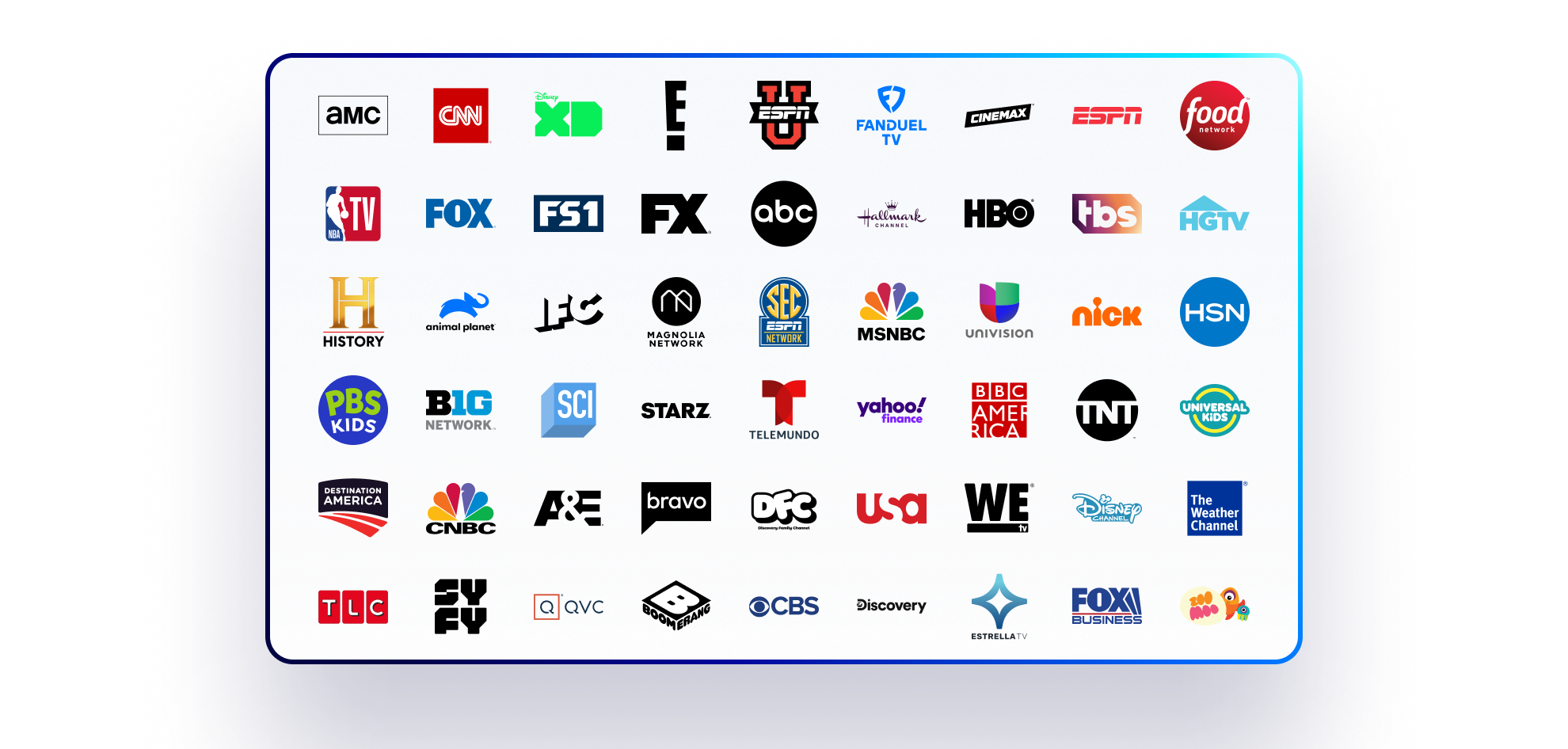
The modern DirecTV ecosystem is no longer a monolithic satellite service. Instead, it is a hybrid platform that bridges the gap between traditional geostationary orbital transmission and modern Over-the-Top (OTT) delivery systems. This convergence of technologies defines the user experience, dictating how content is discovered, cached, and displayed.
The Evolution of Signal Distribution: From Dish to Cloud
At its core, the technology behind DirecTV is a feat of aerospace and electrical engineering. For decades, the platform relied exclusively on a fleet of satellites positioned in geostationary orbit (approximately 22,236 miles above Earth). These satellites operate primarily in the Ka-band and Ku-band frequencies, providing the massive bandwidth necessary to beam hundreds of high-definition channels simultaneously to a continental audience.
Satellite Technology: The Bedrock of Linear Content
The traditional satellite delivery model utilizes a “one-to-many” broadcast architecture. This is inherently more efficient for live events, such as the NFL Sunday Ticket (historically) or major news cycles, because the signal is broadcast once and received by millions of dishes simultaneously without straining a localized network. The technical challenge has always been “rain fade” and atmospheric interference. Modern DirecTV hardware mitigates this through advanced error correction codes and Signal Reliability features that can detect a drop in satellite signal and automatically switch the feed to an internet-based stream if a connection is available.
DirecTV Stream: The Shift to Over-the-Top (OTT) Delivery
Recognizing the limitations of hardware-dependent installations, the company launched DirecTV Stream (formerly AT&T TV and DirecTV Now). This iteration of the service relies on Content Delivery Networks (CDNs) to push video data packets via the public internet. This shift required a complete overhaul of the backend architecture, moving from MPEG-2 and MPEG-4 satellite transport streams to adaptive bitrate streaming (ABR). By utilizing H.264 and H.265 (HEVC) codecs, the platform can now adjust video quality in real-time based on the user’s available bandwidth, ensuring a buffer-free experience even on congested home networks.
Hardware Innovations: The Gemini and Genie Ecosystem
What sets DirecTV apart from many “app-only” streaming services is its commitment to proprietary hardware designed to optimize the viewing experience. The interplay between the server (the main box) and the clients (the smaller boxes in other rooms) creates a robust home network dedicated to media.
The Gemini Device: Merging Traditional TV with Android TV OS
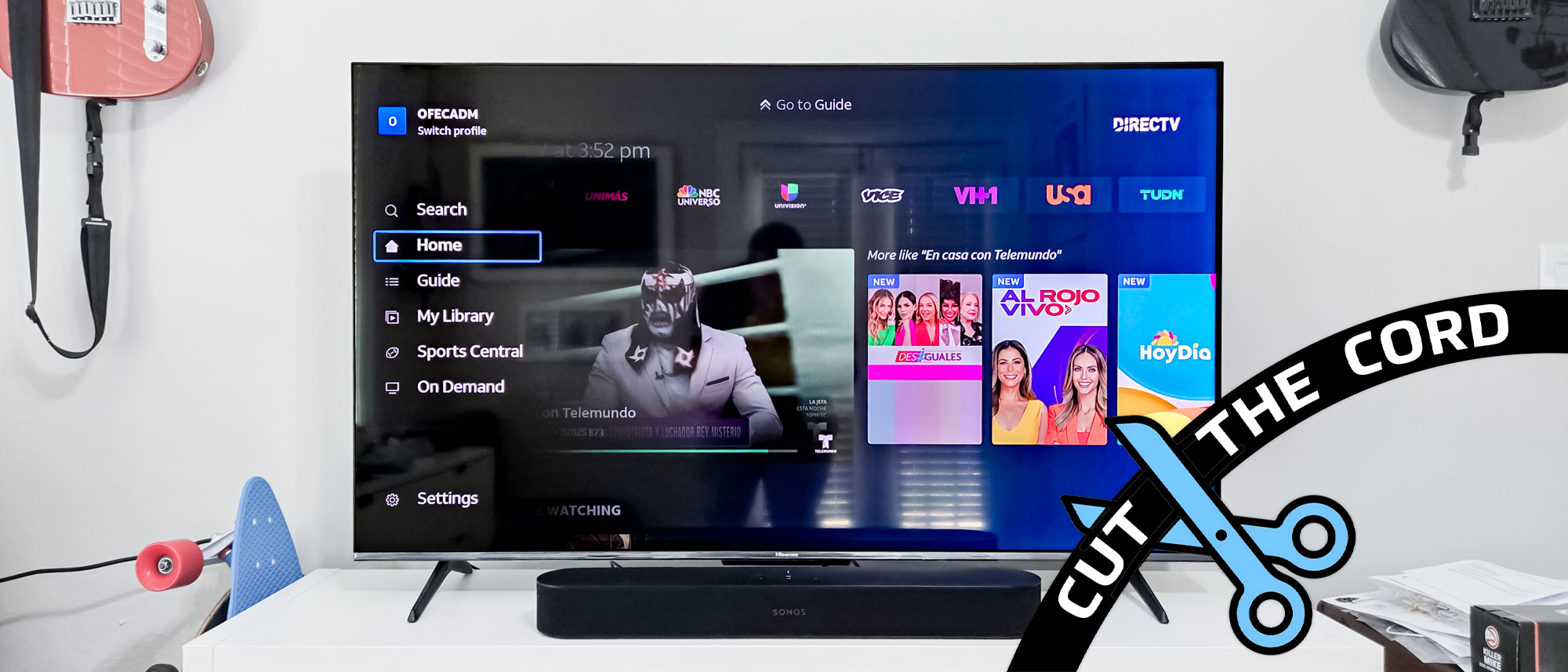
The Gemini device is the current flagship hardware for DirecTV. From a technical perspective, the Gemini is a hybrid set-top box that runs on the Android TV operating system. This is a strategic move that integrates the traditional linear channel “surfing” experience with the flexibility of the Google Play Store.
Inside the Gemini, a powerful system-on-a-chip (SoC) handles the heavy lifting of decoding 4K HDR content while simultaneously running background applications. By utilizing an Android-based kernel, DirecTV can push software updates more frequently, implement voice search via Google Assistant, and allow users to access third-party apps like Netflix, YouTube, and Max without switching inputs on their television. This hardware acts as a unified hub, consolidating disparate streaming silos into a single HDMI port.
The Genie DVR: Multi-Room Connectivity and Storage Architecture
For those still utilizing the satellite infrastructure, the Genie 2 (HS17) remains the central nervous system of the home. Unlike traditional DVRs that were standalone units, the Genie 2 is a headless server that does not connect directly to a TV. Instead, it sits in a central location and distributes video signals to “Genie Minis” or Gemini clients via a dedicated wireless bridge or MoCA (Multimedia over Coax Alliance) technology.
The Genie 2 features a massive internal hard drive (typically 2TB) and multiple tuners—allowing for the simultaneous recording of up to seven programs in high definition. The technical sophistication lies in the SWM (Single Wire Multiswitch) technology, which allows multiple video signals to travel over a single coaxial cable, greatly simplifying the physical infrastructure required for a multi-room setup.
Software Features and User Interface Optimization

In the modern “What’s on” context, the software layer is just as critical as the hardware. The user interface (UI) serves as the gatekeeper to thousands of hours of content, and its design reflects a deep focus on data science and algorithmic discovery.
Recommendation Engines and Algorithmic Discovery
DirecTV’s software employs machine learning models to analyze viewing habits and suggest content. This “What’s on Now” feature isn’t just a random assortment of shows; it is a personalized data feed. The system looks at metadata—genre, actors, release year, and even “mood” tags—to surface live channels or on-demand titles that match the user’s profile.
Furthermore, the integration of “Sports Central” within the UI showcases the platform’s ability to aggregate real-time data. By pulling in live scores, betting odds, and win probabilities through external APIs, DirecTV transforms a standard broadcast into an interactive data dashboard, catering to the growing demographic of tech-savvy sports fans.
The Integration of Third-Party Apps
The technical challenge of the modern set-top box is interoperability. DirecTV has solved this by implementing “Deep Linking” technology. When a user searches for a movie, the software queries not only the DirecTV library but also linked third-party apps. If a movie is available on a service the user subscribes to, the UI can launch that specific app and trigger the video playback directly, bypassing the app’s home screen. This requires complex API handshakes and shared authentication tokens to ensure a seamless transition between the DirecTV environment and the third-party ecosystem.
Visual and Audio Standards: 4K, HDR, and Dolby Atmos
For the “Tech” enthusiast, the quality of the image and sound is the ultimate metric of a platform’s value. DirecTV has consistently been a leader in the high-fidelity space, often being the first to broadcast major events in 4K Ultra High Definition (UHD).
Bandwidth Management for High-Definition Broadcasting
Broadcasting in 4K requires a significant amount of data—typically between 15 and 25 Mbps for a stable stream. On the satellite side, this requires dedicated transponder space. On the streaming side, it requires sophisticated HEVC (High Efficiency Video Coding) compression. HEVC is roughly 50% more efficient than its predecessor, H.264, allowing DirecTV to deliver 4K images with High Dynamic Range (HDR) without overwhelming the user’s internet connection.
Live Sports in Ultra-High Definition
DirecTV’s 4K channels (typically 104, 105, and 106) are specialized pipes for high-bitrate content. During live sports, the platform utilizes a specialized production truck on-site that captures in 4K and sends the signal back to the DirecTV Los Angeles Broadcast Center via fiber or satellite uplink. From there, it is encoded in real-time and pushed to the Gemini or Genie hardware. The result is a level of clarity that captures the minute details of the game, from the texture of the turf to the expressions of the fans in the back row.
Digital Security and Content Protection in the Streaming Era
With the transition to internet-based delivery, digital security has become a paramount concern. Protecting high-value “on-air” content from piracy while ensuring a smooth login process for legitimate users involves a complex stack of security technologies.
Conditional Access Systems (CAS) and DRM
For satellite users, DirecTV utilizes a legacy but highly secure Conditional Access System (CAS). This involves a physical smart card or an embedded “secure element” in the hardware that decrypts the incoming satellite signal using rotating keys.
For the streaming side, the platform employs Digital Rights Management (DRM) standards like Widevine (for Android and Chrome), FairPlay (for Apple devices), and PlayReady (for Windows). These systems ensure that the video stream is encrypted from the server all the way to the screen’s display controller, preventing unauthorized interception or recording of the digital signal.
Secure Authentication and Account Integrity
To manage millions of users across various devices, DirecTV utilizes OAuth 2.0 and OpenID Connect protocols for secure authentication. This allows for “Single Sign-On” (SSO) capabilities, where a user can sign in once on their Gemini box and automatically be authenticated for various network apps (like ESPN or Disney+). This layer of software security is invisible to the user but is essential for maintaining the integrity of the subscription model in a decentralized digital world.
The question of “what’s on DirecTV” is no longer just about the schedule of a particular channel. It is a question of how a legacy media giant leverages satellite physics, Android-based hardware, and advanced software algorithms to deliver a premium viewing experience. Whether through a geostationary orbit or a high-speed fiber-optic cable, the technology behind the screen continues to evolve, ensuring that the “direct” in DirecTV remains as relevant today as it was at the dawn of the digital television revolution.
aViewFromTheCave is a participant in the Amazon Services LLC Associates Program, an affiliate advertising program designed to provide a means for sites to earn advertising fees by advertising and linking to Amazon.com. Amazon, the Amazon logo, AmazonSupply, and the AmazonSupply logo are trademarks of Amazon.com, Inc. or its affiliates. As an Amazon Associate we earn affiliate commissions from qualifying purchases.