
In the early 2000s, if you were to ask “what’s on AMC right now,” the answer was predictable: a colorized version of a 1950s Western or a mid-century Hollywood musical. At the time, AMC stood for “American Movie Classics,” a brand strictly defined by nostalgia and library curation. Fast forward to the present day, and the brand identity has undergone one of the most successful pivots in media history. Today, the AMC brand is synonymous with “Prestige TV,” high-stakes storytelling, and a sophisticated streaming ecosystem known as AMC+.

The transition from a passive repository of old films to a proactive creator of cultural phenomena is not an accident of luck. It is the result of a deliberate, aggressive brand strategy that leveraged high-quality intellectual property (IP) to redefine what a cable network—and eventually a streaming service—could be. To understand what is on AMC right now, one must first understand the brand architecture that built it.
The Identity Pivot: From “American Movie Classics” to “Something More”
The most significant hurdle any established brand faces is the “legacy trap”—the tendency for consumers to associate a brand name with its past rather than its potential. For AMC, the word “Classic” was both a foundation and a cage.
Shedding the “Classic” Label
In the mid-2000s, the leadership at AMC realized that the market for ad-supported classic movies was shrinking as digital competitors began to emerge. The brand needed to evolve or face irrelevance. The decision to drop the full name “American Movie Classics” in favor of the acronym AMC was the first step in a broader rebranding strategy. By decoupling the acronym from its original meaning, the network gave itself the creative “permission” to air original content.
This move mirrors other successful brand pivots, such as Starbucks moving away from just “Coffee” or Apple dropping “Computer” from its name. It allowed the brand to become a container for a specific feeling of quality rather than a specific genre of content.
Establishing the “Prestige TV” Persona
The brand’s true metamorphosis occurred with the launch of Mad Men and Breaking Bad. These were not just shows; they were brand statements. They established the “AMC Brand DNA”: morally ambiguous protagonists, cinematic production values, and slow-burn narratives. This positioning allowed AMC to compete not against other basic cable channels like TNT or USA, but against premium giants like HBO.
By consistently delivering “must-see” prestige dramas, AMC successfully shifted its brand equity from “the place for old movies” to “the place for the best stories on television.” This perception remains the cornerstone of its marketing today, influencing every show that makes it onto the schedule.
The AMC+ Ecosystem: Navigating Brand Dilution in the Streaming Era
As the industry shifted toward Direct-to-Consumer (DTC) models, AMC faced a new challenge. How does a boutique cable brand survive in a landscape dominated by “everything stores” like Netflix and Disney+? The answer lay in a strategic brand consolidation known as AMC+.
Unified Identity vs. Platform Fragmentation
Rather than launching dozens of tiny, disparate apps, AMC Networks bundled its niche brands—Sundance Now, IFC Films Unlimited, and Shudder—under the AMC+ umbrella. This is a masterclass in brand architecture. Each sub-brand (like Shudder for horror) maintains its specific “tribal” identity, while the AMC+ master brand provides the premium “prestige” halo.
When consumers ask what is on AMC+ right now, they aren’t just looking for a single show; they are looking for a curated experience. This curation is the brand’s primary value proposition. In an era of “choice fatigue,” AMC positions itself as the “Editor-in-Chief” of your television screen, offering a curated selection rather than an infinite, overwhelming library.
The Marketing of Exclusivity
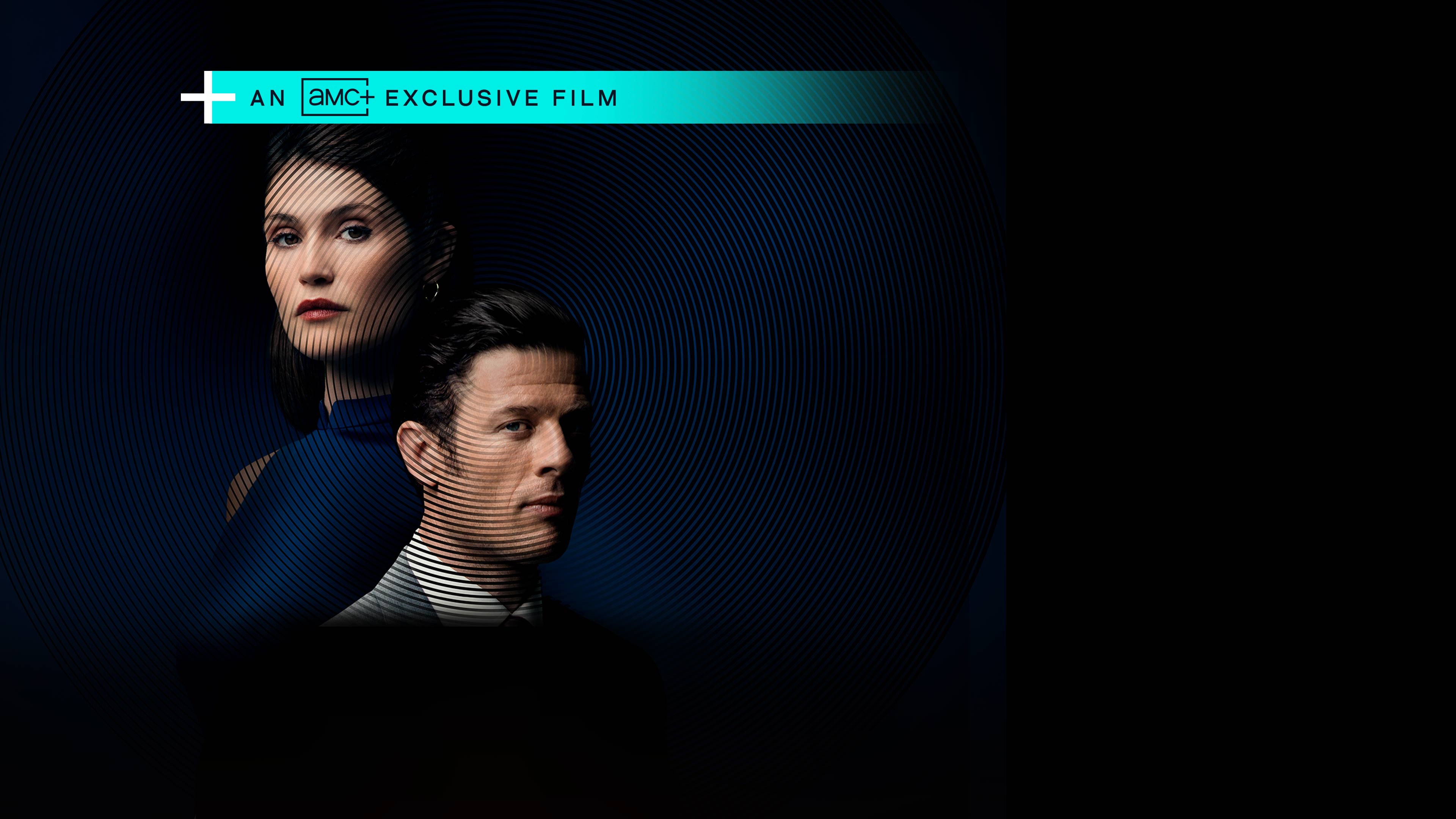
A key part of the current AMC brand strategy is “windowing.” By offering early access to its most popular shows on AMC+ before they air on the linear cable channel, the brand creates a tiered loyalty system. This strategy reinforces the idea that the AMC brand is a premium service worth paying for, regardless of whether you have a cable subscription. It transforms the brand from a “channel” into a “destination.”
Cultivating the “Fandom” Brand: Community as a Marketing Asset
One of the most powerful elements of the AMC brand today is its ability to foster and monetize intense fandoms. Unlike traditional networks that broadcast to a passive audience, AMC has built a brand that thrives on active community engagement.
The Walking Dead Universe and Franchise Extension
The success of The Walking Dead transformed AMC into a franchise manager. The brand strategy here shifted from “one-off prestige hits” to “immersive universes.” By expanding the IP into multiple spin-offs like Fear the Walking Dead, Dead City, and The Ones Who Live, AMC has created a brand “flywheel.”
This strategy ensures that there is almost always something from the “Walking Dead Universe” on AMC right now. From a branding perspective, this creates a reliable, recurring revenue stream and keeps the audience locked into the ecosystem. However, it also requires careful brand management to avoid “franchise fatigue,” a balance AMC strikes by varying the tone and setting of each spin-off while maintaining the core brand’s gritty aesthetic.
Immersive Marketing and Fan Engagement
AMC’s brand strategy extends beyond the screen. Through “Talking Dead” (a live after-show), the brand created a meta-layer of content that validates and encourages fan discussion. This was a pioneering move in brand community building. It turned watching a show into a social event, effectively making the audience part of the marketing department. When fans tweet, cosplay, and attend conventions, they are amplifying the AMC brand identity as a leader in genre-defining entertainment.
Competitive Positioning: AMC in the Landscape of Giants
In the current “Streaming Wars,” AMC’s brand strategy is defined by its status as a “Boutique Powerhouse.” It does not try to be everything to everyone; instead, it focuses on being everything to someone.
Niche Authority vs. Mass-Market Platforms
While Netflix focuses on broad appeal and “bingeable” content, AMC’s brand identity is built on “appointment viewing.” This distinction is vital for its survival. By focusing on specific niches—horror through Shudder, independent film through IFC, and high-end drama through the main AMC channel—the brand secures a loyal subscriber base that mass-market platforms often overlook.
This “Niche Authority” strategy allows AMC to maintain high brand equity even with a smaller total content library. The brand promise is not “the most content,” but “the best content in the genres you love.” In the world of branding, being a “specialist” is often more profitable and sustainable than being a “generalist,” especially when competing against trillion-dollar tech companies.
Sustaining Brand Equity Through Vertical Integration
To protect its brand, AMC has increasingly moved toward owning its content entirely. In the early days, Mad Men and Breaking Bad were produced by outside studios (Lionsgate and Sony, respectively). Today, the brand’s strategy is focused on vertical integration—producing content through AMC Studios.
This gives the brand total control over its image, its distribution, and its future. It ensures that when you see the AMC logo, you are seeing a product that was conceived, nurtured, and delivered within the AMC brand ecosystem. This control is essential for maintaining a consistent “look and feel” across different platforms and international markets.

Conclusion: The Future of the AMC Brand
When we look at “what’s on AMC right now,” we aren’t just looking at a list of shows; we are looking at the culmination of a twenty-year journey of brand reinvention. AMC has successfully navigated the transition from a linear movie channel to a multi-platform content studio and streaming service.
The brand’s future success will depend on its ability to maintain its “Prestige” status while continuing to innovate within its established franchises. By staying true to its core identity—high-quality, cinematic storytelling—while embracing the technological shifts of the streaming era, AMC has positioned itself as a permanent fixture in the cultural zeitgeist. It is a brand that proves that with a clear strategy, a willingness to evolve, and an unwavering commitment to quality, a “classic” can indeed become something entirely new and essential.
aViewFromTheCave is a participant in the Amazon Services LLC Associates Program, an affiliate advertising program designed to provide a means for sites to earn advertising fees by advertising and linking to Amazon.com. Amazon, the Amazon logo, AmazonSupply, and the AmazonSupply logo are trademarks of Amazon.com, Inc. or its affiliates. As an Amazon Associate we earn affiliate commissions from qualifying purchases.