
Nvidia Corporation (NVDA) has evolved from a niche semiconductor manufacturer into the primary barometer for the global technology economy and the artificial intelligence revolution. When investors ask, “What is Nvidia stock doing today?” they are rarely looking for a simple price quote. Instead, they are seeking to understand the underlying momentum of the broader equity markets, the health of institutional appetite for risk, and the long-term viability of the AI capital expenditure cycle.
Today’s movement in Nvidia’s share price is a reflection of a complex interplay between macroeconomic indicators, sector-specific news, and the psychological state of a market that has become increasingly reliant on a handful of mega-cap “Magnificent Seven” stocks. To understand Nvidia’s performance in the current session, one must look beyond the green or red numbers on a ticker and analyze the financial catalysts driving the volatility.
The Drivers of Daily Volatility: Why Nvidia Moves
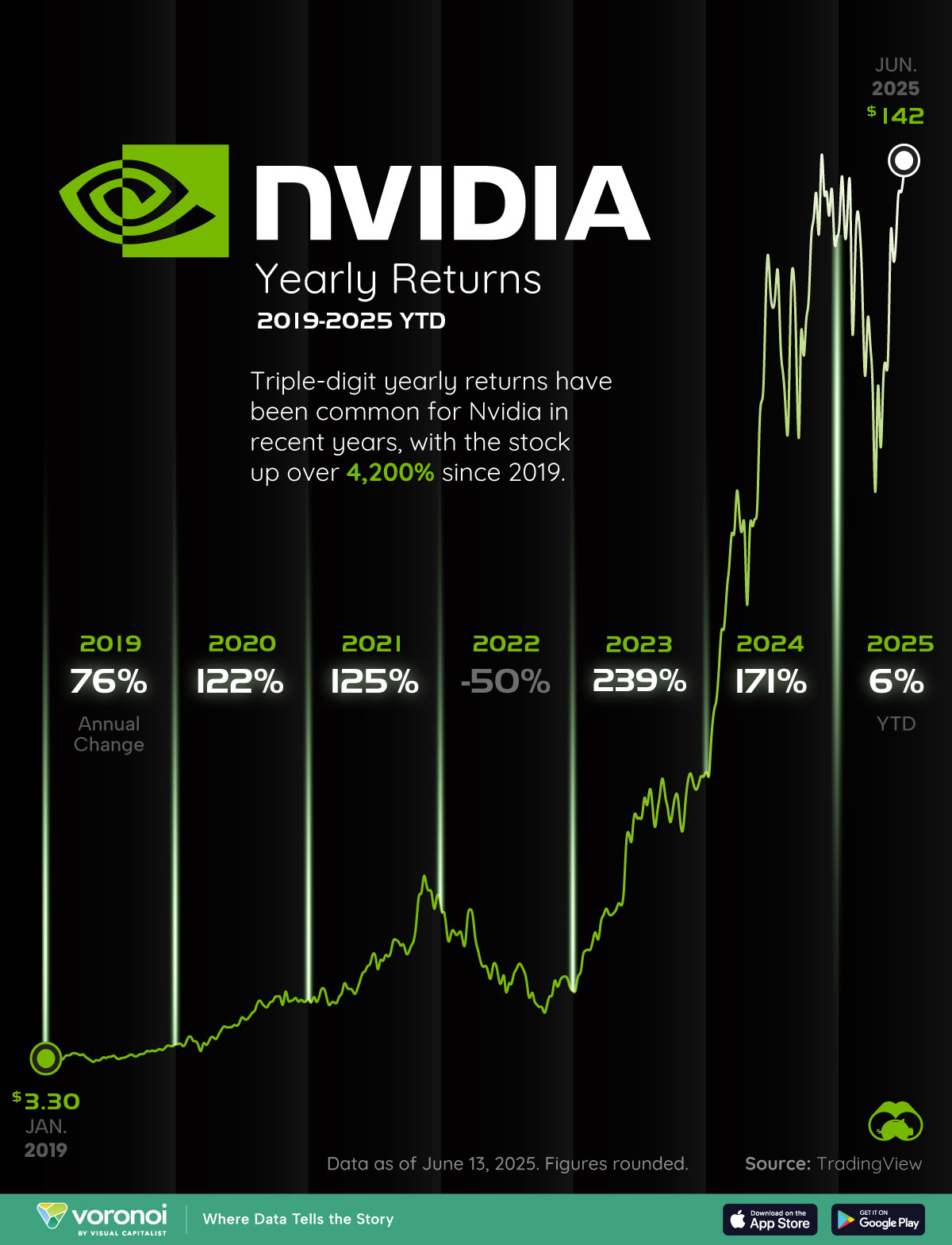
Nvidia’s daily price action is often characterized by high relative volume and significant intraday swings. Unlike more stable “value” stocks, Nvidia trades heavily on expectations and forward-looking guidance. Several key factors typically dictate its performance on any given trading day.
Analyst Ratings and Price Target Revisions
The financial community watches Nvidia with an intensity matched by few other equities. On any given morning, a single note from a top-tier investment bank like Goldman Sachs, Morgan Stanley, or JPMorgan can send the stock surging or retracing. When analysts raise their price targets, they are signaling to institutional clients that the company’s earnings potential has not yet been fully priced in. Conversely, even a “neutral” rating can act as a catalyst for a sell-off if the market was expecting a more bullish stance.
The Correlation with Treasury Yields
As a high-growth technology stock, Nvidia is particularly sensitive to the cost of capital. When the 10-year Treasury yield rises, the present value of future cash flows—where much of Nvidia’s valuation resides—is discounted more heavily. This often leads to a “risk-off” environment where investors rotate out of high-multiple growth stocks and into defensive sectors. Monitoring the Federal Reserve’s rhetoric and daily bond market activity is essential for understanding why Nvidia might be underperforming or outperforming the broader S&P 500 on a specific day.
Ecosystem News and Partnerships
Nvidia does not exist in a vacuum. Its daily performance is frequently tied to news from its primary customers, such as Microsoft, Alphabet, and Meta. If a major hyperscaler announces an increase in their AI infrastructure budget, Nvidia often sees a sympathetic rally. Conversely, news of a competitor—like AMD or a proprietary chip developed in-house by a cloud provider—can introduce “headline risk,” causing short-term fluctuations as the market reassesses Nvidia’s dominant market share in the GPU space.
Valuation and the Earnings Multiple Conundrum
For the fundamental investor, “what the stock is doing today” is less about the price and more about the valuation. Nvidia has faced constant scrutiny regarding its Price-to-Earnings (P/E) ratio, which often sits well above the historical average for the semiconductor industry.
Growth vs. Value Dynamics
In a traditional market, a high P/E ratio would signal an overvalued asset. However, Nvidia’s supporters argue that the PEG ratio (Price/Earnings to Growth) tells a different story. If the company continues to grow its bottom line at a triple-digit pace, a high nominal P/E may actually be “cheap” relative to future earnings. Daily fluctuations often represent a tug-of-war between value investors, who fear a bubble, and growth investors, who believe the AI transition is in its earliest innings.
Margin Sustainability
Nvidia’s gross margins have reached levels that are virtually unprecedented in the hardware world, often exceeding 70%. On trading days following earnings reports or industry conferences, the stock’s movement is usually a reaction to whether these margins are sustainable. Any hint of pricing pressure or increased supply chain costs can lead to an immediate correction, as the market’s valuation models are highly sensitive to even a 1% shift in projected margins.
Institutional Accumulation vs. Retail Speculation
Analyzing the “tape” of Nvidia’s daily trades reveals a battle between two different types of market participants. Large-scale institutional buying—characterized by steady, high-volume blocks throughout the day—often provides a floor for the stock. Retail speculation, frequently driven by options activity, can lead to “gamma squeezes” that propel the stock to irrational highs or exacerbate rapid downturns. Understanding the balance of trade on a given day helps determine if a move is a sustainable trend or a temporary spike.
Macroeconomic Headwinds and Tailwinds
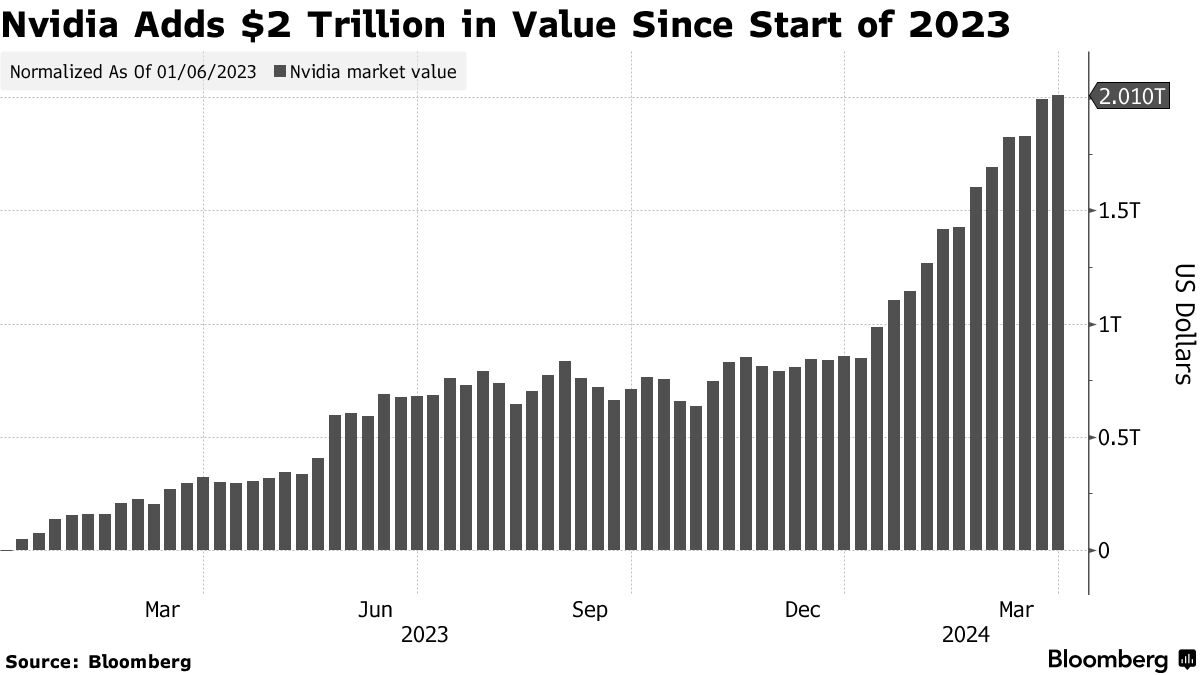
Nvidia is no longer just a “chip stock”; it is a macroeconomic indicator. Its performance today is deeply influenced by global trade dynamics and industrial policy.
Geopolitical Tensions and Export Controls
The United States government’s stance on high-end technology exports to China remains a persistent overhang on Nvidia’s stock price. Any daily news regarding new restrictions or “loopholes” being closed in the trade of H100 or Blackwell-architecture chips creates immediate volatility. Investors must weigh the loss of the Chinese market against the insatiable demand from domestic and European data centers.
The Role of the Semiconductor Index (SOX)
Nvidia accounts for a massive weight in the Philadelphia Semiconductor Index (SOX) and the VanEck Semiconductor ETF (SMH). Often, Nvidia’s daily movement is a result of “basket trading.” If there is a broad sector rotation into or out of semiconductors, Nvidia will move in tandem with its peers like Broadcom and ASML, regardless of its own specific news. Savvy investors look for days when Nvidia “decouples” from the sector, as this indicates a company-specific catalyst is at play.
Inflation and Consumer Sentiment
While Nvidia’s primary revenue driver is now the Data Center segment, its Gaming and Professional Visualization segments are still tied to consumer and enterprise spending. If daily economic data suggests that inflation is stickier than expected, the market may price in a slowdown in high-end consumer GPU sales, weighing on the stock.
Portfolio Strategy: How to Approach Today’s Price Action
For an individual investor, reacting to what Nvidia is doing “today” requires a clear strategy. Chasing daily momentum can be a recipe for capital loss, especially in a stock as volatile as NVDA.
Dollar-Cost Averaging (DCA) and Volatility
Given Nvidia’s tendency for large swings, many financial advisors suggest a dollar-cost averaging approach. Rather than trying to time the “bottom” of a daily dip, investors can spread their entries over weeks or months. This mitigates the risk of buying a local top and allows the investor to benefit from the stock’s inherent volatility by lowering their average cost basis over time.
The Importance of Profit Taking and Rebalancing
When Nvidia has an outsized “green day,” it can quickly become a disproportionately large percentage of a personal portfolio. From a risk management perspective, what the stock does today might trigger a need to rebalance. Selling into strength to lock in gains and diversifying into other sectors is a hallmark of disciplined investing. It ensures that a sudden downturn in the tech sector doesn’t devastate an individual’s total net worth.
Using Technical Levels as Guardrails
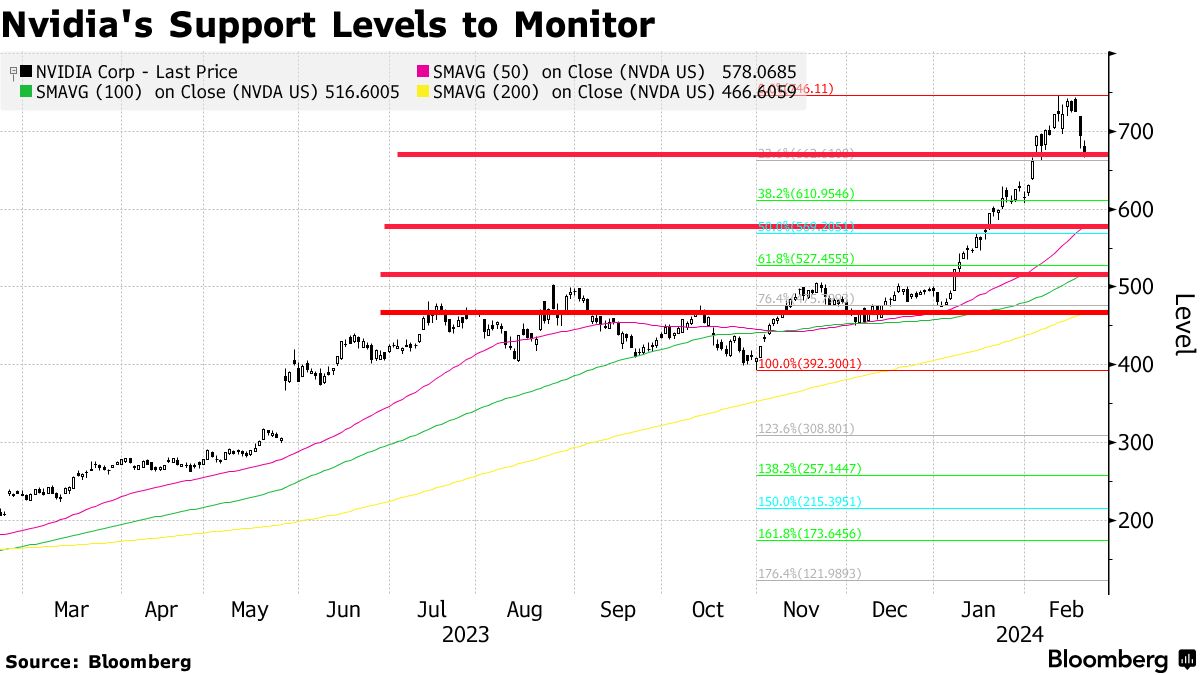
Even for long-term investors, technical analysis provides a map for daily action. Monitoring the 50-day and 200-day moving averages can help identify whether today’s drop is a routine pullback or the start of a deeper trend reversal. When Nvidia trades near its “all-time highs,” it often lacks overhead resistance, leading to “blue sky” breakouts. Conversely, breaking below key support levels on high volume can be a signal to tighten stop-losses or hedge positions.
The Long-Term Horizon: Beyond Today
While the question “what’s Nvidia stock doing today” is focused on the immediate present, the answer is always rooted in the future. The stock’s daily movements are essentially the market’s ongoing attempt to solve for the value of artificial intelligence over the next decade.
Nvidia’s role as the “arms dealer” of the AI era gives it a unique position in the financial markets. As long as companies feel the competitive pressure to integrate generative AI into their business models, the demand for Nvidia’s silicon and software ecosystem is likely to remain robust. Today’s price is simply a single data point in a much larger trajectory of technological disruption and wealth creation.
In conclusion, observing Nvidia’s performance today requires a multi-faceted lens. It is a story of institutional flow, geopolitical maneuvering, and the fundamental shift in how computing power is valued in a modern economy. Whether the stock is up or down, the activity serves as a vital signal for the health of the broader financial system and the pace of global innovation. For the informed investor, today’s volatility is not just noise—it is an opportunity to gauge the market’s conviction in the future of the digital world.
aViewFromTheCave is a participant in the Amazon Services LLC Associates Program, an affiliate advertising program designed to provide a means for sites to earn advertising fees by advertising and linking to Amazon.com. Amazon, the Amazon logo, AmazonSupply, and the AmazonSupply logo are trademarks of Amazon.com, Inc. or its affiliates. As an Amazon Associate we earn affiliate commissions from qualifying purchases.